
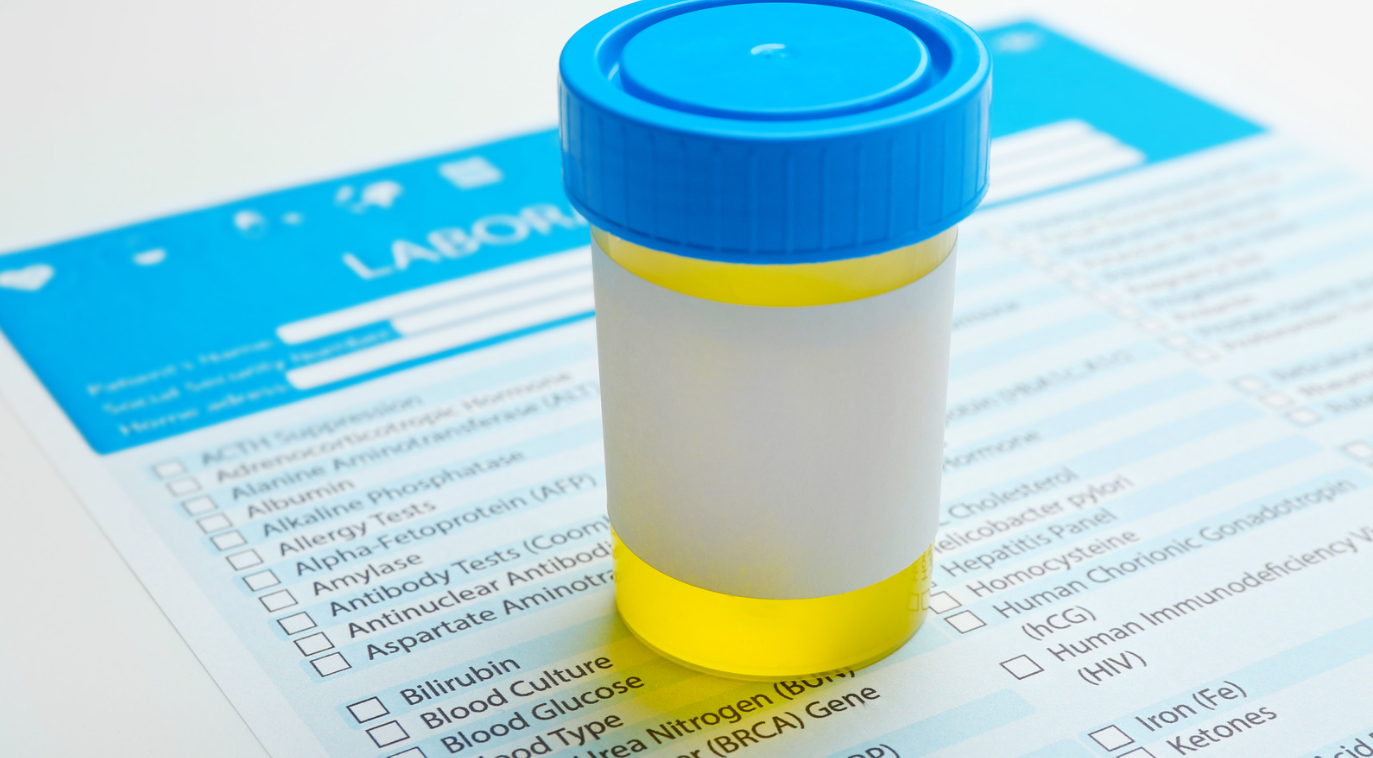
A 24-hour urine collection is a diagnostic test that helps healthcare professionals assess how your kidneys are functioning. This test requires the collection of all urine produced over a 24-hour period, which is then analyzed for various substances. It’s typically used to evaluate kidney function, measure hormone levels, and detect abnormalities such as kidney stones or metabolic disorders. Along with a chest X-ray, this test provides a more comprehensive assessment of your health. By collecting urine for an entire day, doctors can obtain a more accurate snapshot of your body’s health and how it processes waste products.
This test is an essential tool for diagnosing a range of conditions, including kidney disease, hormonal imbalances, and metabolic disorders like diabetes. Understanding what a 24-hour urine collection shows can help individuals take control of their health and make informed decisions with their healthcare providers.
Why is a 24-Hour Urine Collection Needed?
A 24-hour urine collection test is often recommended when specific health issues need to be monitored or diagnosed. This includes:
- Kidney Function Assessment: It provides insight into how well the kidneys are filtering blood and removing waste products.
- Protein Levels in Urine: High levels of protein in the urine (proteinuria) can indicate kidney damage.
- Hormonal Imbalances: The test can detect abnormal hormone levels, particularly for conditions like adrenal insufficiency or overactive thyroid.
- Mineral and Electrolyte Imbalance: It helps identify issues with minerals like calcium or potassium, which may indicate kidney problems or metabolic disorders.
- Metabolic Disorders: It can also reveal imbalances related to conditions such as diabetes or metabolic syndrome.
- Urinary Tract Infections (UTIs): The test can help confirm an infection or rule out other conditions like bladder cancer.
Collecting urine over an extended period, the test offers a more comprehensive evaluation of the body’s overall health than a single urine sample.
The Procedure: How the 24-Hour Urine Collection is Done
Step-by-Step Process
The procedure for a 24-hour urine collection is simple but requires careful attention to ensure accuracy. Here’s what you can expect:
- Starting the Collection:
You’ll be instructed to empty your bladder at a specific time (usually first thing in the morning) and then begin collecting all urine for the next 24 hours. The collection starts from this time, not before. - Collection Container:
You’ll receive a large, sterile container in which to collect your urine. This container is typically equipped with preservatives to prevent any bacterial growth or contamination during the collection period. Make sure to keep it in a cool place, such as a refrigerator, to preserve the integrity of the sample. - Collecting the Urine:
You will collect every drop of urine for the entire 24-hour period. It’s crucial that no urine is missed. If you accidentally miss a sample, you may need to start the collection process over. - Finishing the Collection:
At the end of the 24 hours, you’ll need to empty your bladder into the container one last time. After this final voiding, the collection is complete. - Returning the Sample:
You’ll return the container to your healthcare provider’s office or lab. It will then be analyzed to determine various substances, including the presence of proteins, electrolytes, hormones, and waste products like urea.
During the 24-hour collection, it’s essential to follow all instructions carefully. Any mistakes or missed samples could lead to inaccurate results, affecting the diagnosis.
What the 24-Hour Urine Collection Measures
The 24-hour urine collection provides valuable insights into various bodily functions. These are some of the key substances measured during the test:

1. Creatinine Clearance
Creatinine is a waste product produced by muscles and filtered out by the kidneys. The amount of creatinine in the urine is compared to the amount in the blood to determine how well the kidneys are filtering blood. This test helps diagnose kidney disease and monitor its progression.
- Normal Range: 90 to 140 milliliters per minute (mL/min)
- Abnormal Levels: A decrease in creatinine clearance may suggest kidney dysfunction or failure.
2. Protein in Urine
Proteinuria (the presence of excess protein in the urine) is a key indicator of kidney damage. Normally, the kidneys prevent large proteins from entering the urine. A 24-hour urine collection can measure the amount of protein in the urine to assess kidney health.
- Normal Range: Less than 150 milligrams per day
- Abnormal Levels: Higher amounts of protein in the urine may indicate glomerulonephritis, diabetic nephropathy, or other kidney-related issues.
3. Electrolytes and Minerals
The test also measures the levels of various electrolytes and minerals in the urine, such as sodium, potassium, calcium, and phosphate. Abnormal levels of these substances can suggest a metabolic disorder or kidney dysfunction.
- Sodium and Potassium: Key to maintaining fluid and electrolyte balance
- Calcium: Abnormal levels may indicate kidney stones or bone diseases
- Phosphate: Elevated levels may suggest kidney disease or calcium imbalances
4. Hormones
The 24-hour urine collection is used to test for various hormones, including cortisol, adrenaline, and aldosterone. These hormones regulate various bodily functions, and imbalances can suggest issues like adrenal insufficiency, Cushing’s syndrome, or hyperaldosteronism.
- Cortisol: High levels may indicate Cushing’s syndrome
- Adrenaline and Noradrenaline: Elevated levels can signal a pheochromocytoma (a type of tumor)
- Aldosterone: High or low levels may point to issues like Addison’s disease or hyperaldosteronism
4 Conditions Diagnosed Using 24-Hour Urine Collection
The 24-hour urine collection can help diagnose or monitor several health conditions, including:

Benefits and Limitations of the 24-Hour Urine Collection
Before deciding whether a 24-hour urine collection is the right approach, it’s essential to weigh its benefits and limitations. While it provides a more thorough assessment, it also comes with certain challenges. Below, we break down both the advantages and the potential drawbacks of this testing method.
3 Benefits:
- Comprehensive Analysis: Provides a more complete picture of kidney function and overall health compared to a single urine sample.
- Detects Subtle Abnormalities: Can identify conditions that might not be detected in a routine urine test.
- Helps in Monitoring Treatment: For those undergoing treatment for kidney disease or metabolic disorders, the test is valuable for tracking progress.
3 Limitations:
- Time-Consuming: Requires careful attention over a 24-hour period, which can be inconvenient for some individuals.
- Risk of Error: Missing a sample or improper handling can lead to inaccurate results, potentially requiring a repeat test.
- Patient Compliance: Some individuals may find it difficult to adhere to the collection process, especially in terms of timing and storage.
The Importance of a 24-Hour Urine Collection Test
A 24-hour urine collection is an essential diagnostic tool that provides a wealth of information about how your kidneys and other systems are functioning. From assessing kidney health to identifying hormonal imbalances and metabolic disorders, this test is crucial for diagnosing and monitoring a variety of health conditions. While it can be time-consuming and requires careful attention, the benefits far outweigh the limitations, making it a critical part of medical diagnostics.
If you need to complete a 24-hour urine collection, follow your doctor’s instructions closely to ensure precise results. Afterward, discuss the findings with your healthcare provider to fully understand what they reveal about your health and determine the best course of action. At Centers Urgent Care, we provide fast, high-quality urgent care services for children and adults, ensuring you get expert medical support when you need it most. Visit us at one of our urgent care centers in NYC to receive top-notch care and guidance. Contact us today to learn more!
Sources: