






















Sexually transmitted diseases (STDs) are a major public health concern, with millions of new cases being reported annually worldwide. For women, one of the most common methods of screening for STDs is through cervical swabs, also known as Pap smears or cervical swab tests. These tests help detect a variety of infections, including chlamydia, gonorrhea, and human papillomavirus (HPV). However, many people may wonder just how accurate cervical swabs are when it comes to detecting STDs. Additionally, for individuals required to undergo a DOT Physical, STD screening may be a part of the overall health evaluation. In this article, we’ll explore the accuracy of cervical swabs, factors that affect their results, and their role in STD testing.
Table of Contents
ToggleWhat is a Cervical Swab Test?
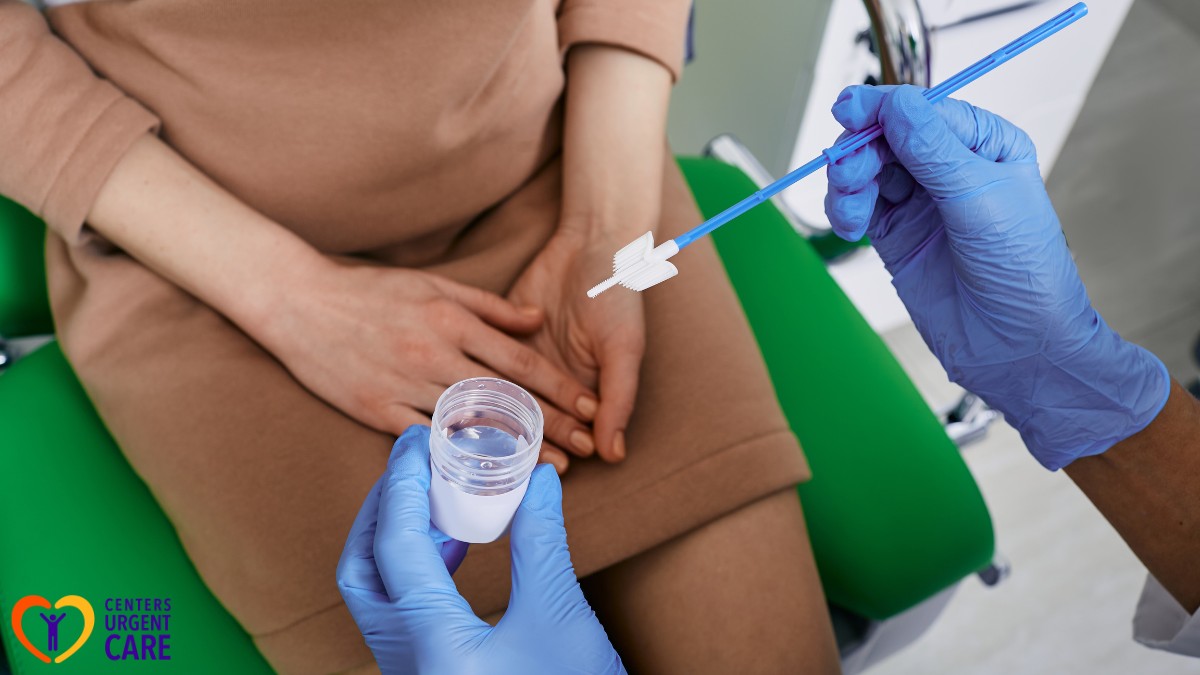
A cervical swab test involves using a small brush or cotton swab to collect cells from the cervix, the lower part of the uterus. This sample is then sent to a laboratory, where it is tested for the presence of bacteria, viruses, or abnormal cell changes. The test can be used for various purposes, such as screening for STDs or detecting precancerous changes in cervical cells.
In the context of STD testing, cervical swabs are primarily used to test for chlamydia, gonorrhea, and HPV. However, these tests are not always used to diagnose all STDs. Depending on the infection and the type of test being performed, different samples or methods might be used.
Accuracy of Cervical Swab Tests for STDs
To better understand how cervical swab tests measure up in detecting STDs, it’s essential to explore the factors that influence their accuracy. Below, we’ll dive into the critical aspects, such as sensitivity and specificity, as well as other considerations that can impact the reliability of these tests. These factors play a key role in determining how accurately cervical swab tests can identify various infections. Here’s a closer look at the elements that contribute to their effectiveness:
Sensitivity and Specificity: The Key to Accuracy
Evaluating the accuracy of any medical test involves two crucial terms: sensitivity and specificity.
- Sensitivity refers to the ability of a test to correctly identify people who have the infection. A highly sensitive test will rarely produce false negatives (i.e., it won’t miss people who are infected).
- Specificity refers to the ability of a test to correctly identify people who do not have the infection. A highly specific test will rarely produce false positives (i.e., it won’t incorrectly identify someone as infected when they are not).
For cervical swabs, both sensitivity and specificity are important when assessing their accuracy in detecting STDs.
Chlamydia and Gonorrhea
Cervical swab tests are known for their high accuracy in detecting chlamydia and gonorrhea. In fact, cervical swabs are the standard test for these infections in women. However, the specificity of the test can sometimes vary depending on the laboratory methods and the quality of the sample.
In general, cervical swab tests for chlamydia and gonorrhea have low false-negative rates, especially when the test is performed correctly. However, false positives, although rare, can occur, often due to contamination or misinterpretation of the results.
Human Papillomavirus (HPV)
HPV is one of the most common STDs worldwide, and cervical swabs are frequently used to screen for it. However, testing for HPV is a bit more complex than testing for chlamydia or gonorrhea. There are many different strains of HPV, and only some of them are considered high-risk for developing into cervical cancer.
The accuracy of cervical swabs in detecting high-risk HPV strains can be high, but not perfect. The sensitivity of HPV testing can vary between different laboratory methods, with some tests being more sensitive than others. The specificity of HPV tests is generally high, meaning that false positives are rare. However, it’s important to note that the presence of HPV does not always mean that cancer will develop, as many infections clear up on their own.
5 Factors That Influence the Accuracy of Cervical Swab Tests
Several factors can influence the accuracy of a cervical swab test, including:
1. Quality of the Sample
The accuracy of a cervical swab test largely depends on the quality of the sample collected. If the sample is inadequate or contaminated, it may lead to inaccurate results. Proper technique during the collection process is crucial, and healthcare professionals are trained to ensure they collect a sufficient sample from the cervix.
2. Timing of the Test
The timing of the cervical swab test is also important. If a woman is menstruating, it may be more difficult to collect an accurate sample due to blood interference. Additionally, cervical swabs are generally more accurate when performed during routine screenings, as opposed to during the early stages of an infection when bacterial or viral loads may be lower.
3. Laboratory Accuracy
The laboratory processing the sample plays a significant role in determining the accuracy of the test. While cervical swabs are generally reliable, laboratory errors can occur, such as mislabeling of samples, mishandling, or errors in testing methods. Ensuring the laboratory follows strict protocols can help minimize these risks.
4. Type of Infection
Some infections are more difficult to detect than others, and certain STDs may not always be present in detectable quantities at the time of testing. For instance, HPV may not always be present in detectable amounts, especially in the early stages of infection or if the body’s immune system has already cleared the virus.
5. Individual Variability
Every person’s body is different, and individual factors such as immune system health and the presence of other medical conditions can affect the accuracy of the test. Some individuals may have low bacterial or viral loads, making detection more challenging.
How Reliable Are Cervical Swab Tests Compared to Other STD Tests?
Considering different methods for STD testing, it’s essential to compare the reliability of cervical swab tests with other common options. Each type of test has its strengths and limitations, making it crucial to understand how they measure up to one another. Below, we’ll look at how cervical swabs compare to urine tests, blood tests, and self-collection tests, shedding light on their accuracy and effectiveness in diagnosing various infections.
Comparison with Urine Tests
Urine tests for STDs, particularly for chlamydia and gonorrhea, are often seen as a less invasive alternative to cervical swabs. However, while urine tests can be accurate, cervical swabs generally offer more precise results for female patients. This is especially true for detecting gonorrhea and chlamydia, where cervical swabs are more reliable. Urine tests can have slightly lower sensitivity, especially in women, due to the location of the cervix in relation to the urethra.
Comparison with Blood Tests
Blood tests are typically used to detect infections such as HIV, syphilis, and hepatitis, but they are not useful for diagnosing chlamydia, gonorrhea, or HPV. In contrast, cervical swabs specifically target infections in the genital area, making them a more accurate option for diagnosing these particular STDs.
Comparing Swabs to Self-Collection Tests
Self-collection tests, where a person collects their own sample (e.g., using a vaginal swab or urine test), are becoming increasingly popular due to their convenience. However, studies suggest that the accuracy of self-collection tests may not always be as high as tests conducted by healthcare professionals. This is particularly true when it comes to cervical swabs, as improper technique can lead to false-negative results. When performed by a trained professional, cervical swabs are generally more reliable than self-collected samples.
When to Get a Cervical Swab for STD Testing
It’s a good idea to get tested for STDs regularly, particularly if you’re sexually active or have more than one partner. Cervical swabs are commonly used during routine screenings for women, particularly for chlamydia, gonorrhea, and HPV. However, if you have specific concerns or symptoms, you may want to talk to your healthcare provider about additional testing options. Some common reasons to get a cervical swab include:

The Importance of Regular STD Testing
Cervical swabs provide highly accurate results for detecting STDs like chlamydia, gonorrhea, and HPV when done correctly. While no test is perfect, this method remains a key part of maintaining sexual health. Accuracy depends on factors such as sample quality, timing, and lab procedures, making it important to choose a trusted healthcare provider. Routine STD screenings help catch infections early, preventing complications and ensuring peace of mind. At Centers Urgent Care, we offer fast, high-quality testing in a professional and confidential setting. Visit urgent care in NYC today for reliable STD testing and expert medical care. Contact us to schedule your appointment.
Sources: