
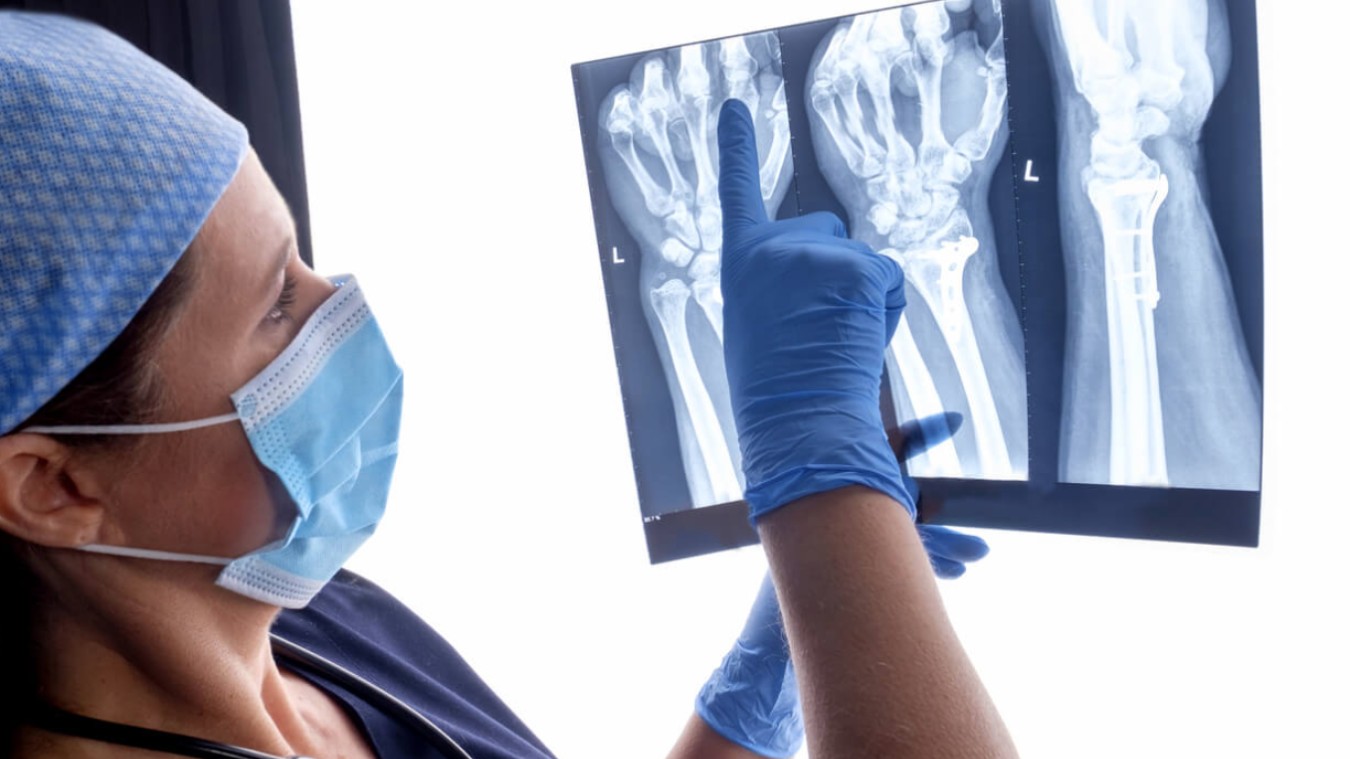
Can X-rays Detect Soft Tissue Damage?
No, X-rays cannot effectively detect soft tissue damage. While they are excellent for diagnosing fractures, dislocations, and bone abnormalities, they do not clearly show injuries to muscles, tendons, or ligaments. X-rays work by passing radiation through the body, with dense structures like bones appearing white, while soft tissues remain largely invisible.
However, X-rays may still be used as a first step to rule out bone injuries before considering more detailed imaging tests.
Why are X-rays Limited for Soft Tissue Injuries?
X-rays operate by capturing differences in tissue density, making them ideal for detecting fractures but less effective for soft tissues. Key limitations include:
- Lack of contrast: Soft tissues do not absorb X-rays as bones do, leading to unclear images.
- Hidden injuries: X-rays may not reveal underlying ligament tears or muscle injuries.
- Possible misdiagnosis: Without clear imaging, injuries may be mistaken for minor conditions.
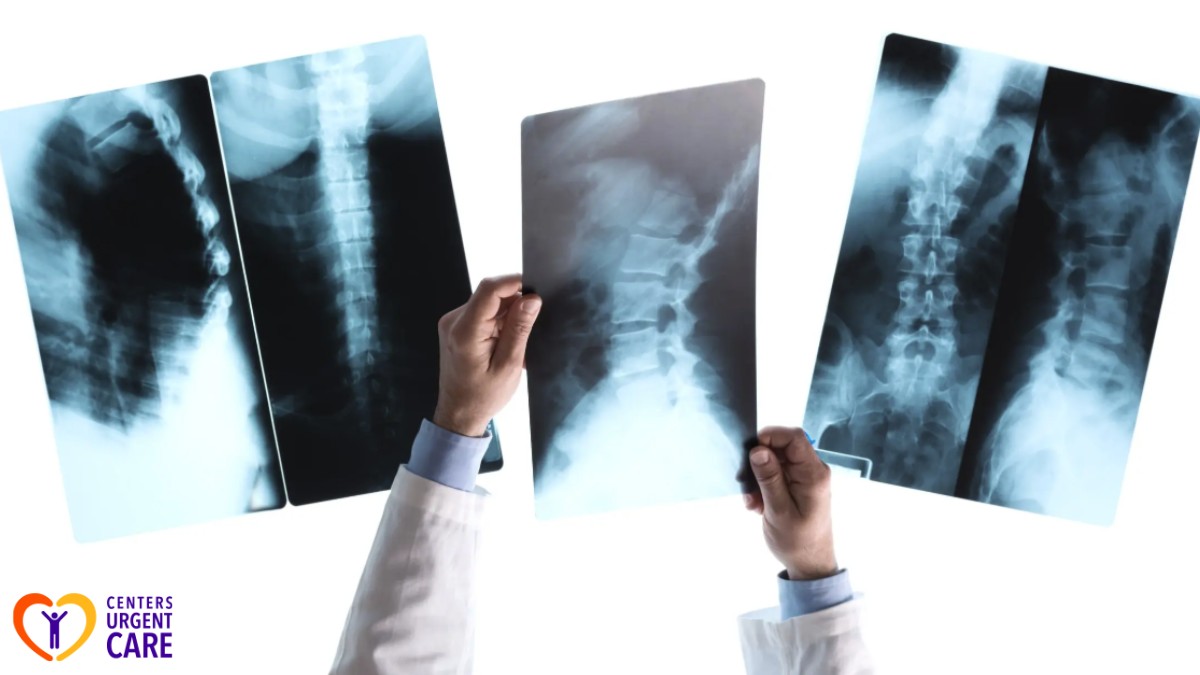
3 Alternative Imaging Methods for Soft Tissue Injuries
X-rays that are inconclusive may lead doctors to recommend other imaging techniques to properly assess soft tissue damage.
1. Magnetic Resonance Imaging (MRI)
MRIs provide detailed images of muscles, ligaments, and tendons using magnetic fields and radio waves. This method is particularly useful for diagnosing:
- Ligament tears (e.g., ACL tears)
- Muscle strains
- Tendon ruptures
- Cartilage damage
2. Ultrasound
Ultrasound imaging uses sound waves to create real-time visuals of soft tissues. It is beneficial for:
- Detecting fluid buildup (indicating inflammation)
- Evaluating muscle and tendon movement
- Diagnosing partial or complete tendon tears
3. Computed Tomography (CT) Scan
CT scans combine multiple X-ray images to create cross-sectional views of the body, sometimes helping identify soft tissue abnormalities, but they are still less effective than MRIs.
4 Signs You May Have a Soft Tissue Injury
If you’ve experienced a fall, impact, or overuse injury, watch for these symptoms:

Hello,
I was the victim of assault. I was hit on the neck with a walking stick. It left no visible mark leaving my claim questionable, in the laws view. The swelling took a long time but was strong enough to push my tongue up and I have had symptoms that every doctor says that are impossible. Seeking expert analysis for criminal investigation.