























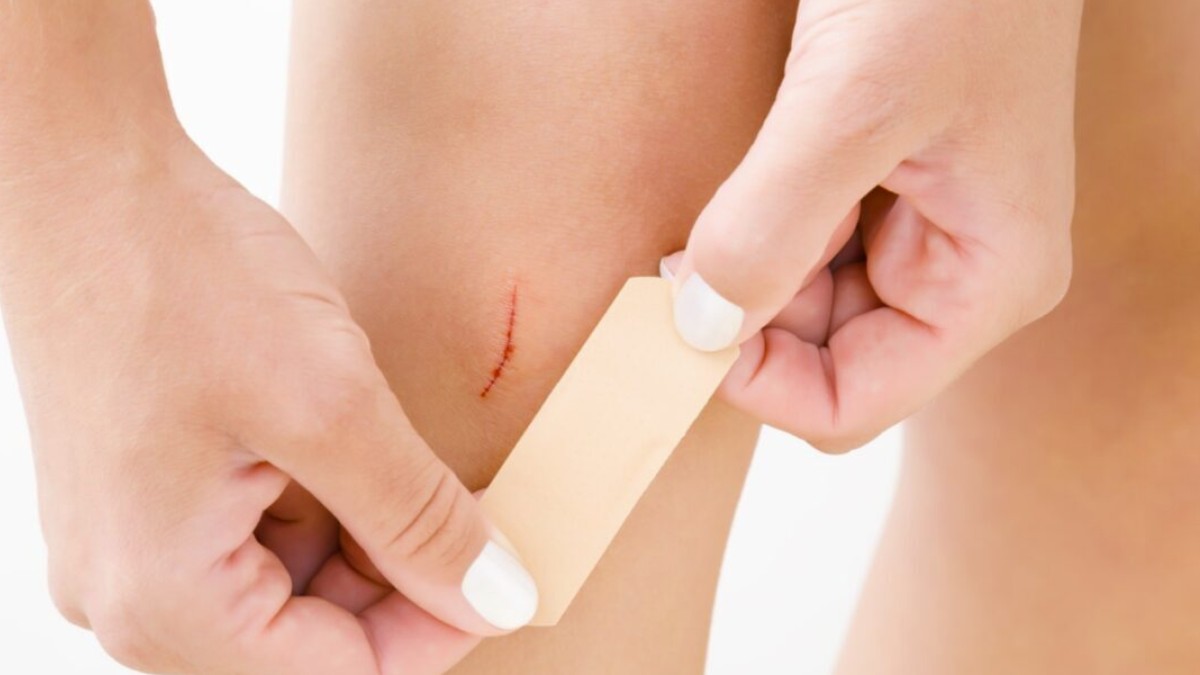
Many of these cases begin as minor, untreated cuts. It might seem like no big deal at first—a paper cut, a small scrape, or a shallow nick—but these tiny breaks in the skin can become serious problems fast. That’s why understanding the answer to “should you cover small cuts right away?” could save you from unnecessary health issues later on, especially when you’re deciding between urgent care and a pediatrician for proper treatment.
Should You Cover Small Cuts?
Yes, you should cover small cuts right away to protect the wound from infection, dirt, and further injury. The skin is your body’s first line of defense. Even minor damage compromises that barrier, allowing harmful bacteria to enter. Covering the wound with a clean bandage helps it heal faster, reduces the risk of contamination, and prevents painful complications like infection or delayed recovery.
What Happens If You Leave a Small Cut Uncovered?
While small wounds might seem harmless, the skin is constantly exposed to bacteria. Left uncovered, even a paper cut can:
- Become infected by bacteria like Staphylococcus aureus.
- Dry out, causing the wound to crack or reopen.
- Be irritated by friction from clothes or hand movement.
- Scar more easily, especially if exposed to UV light or frequent contact.
It’s tempting to let the air “dry it out,” but research shows moist wound environments (not wet, just moist) actually support faster cell growth and tissue repair.
Why is Covering a Wound So Important?
As you ask why you should cover a small wound, consider how the body heals. Covering a cut helps:
1. Prevent Infection
Before anything else, protecting a wound from pathogens is critical.
- Bacteria like Streptococcus and Staphylococcus thrive in open environments.
- Cuts on hands and fingers are especially at risk, as we touch hundreds of surfaces daily.
- Covering with a sterile bandage keeps contaminants out.
2. Maintain Moisture Balance
Healing cells need a moist environment to migrate and regenerate tissue.
- A moist wound heals up to 50% faster than a dry one.
- Moisture prevents scab formation, which can hinder skin regeneration underneath.
3. Reduce Scarring
Keeping a wound covered:
- Limits inflammation.
- Protects from UV light exposure (which darkens scars).
- Reduces the urge to pick at healing skin, which often worsens the appearance.
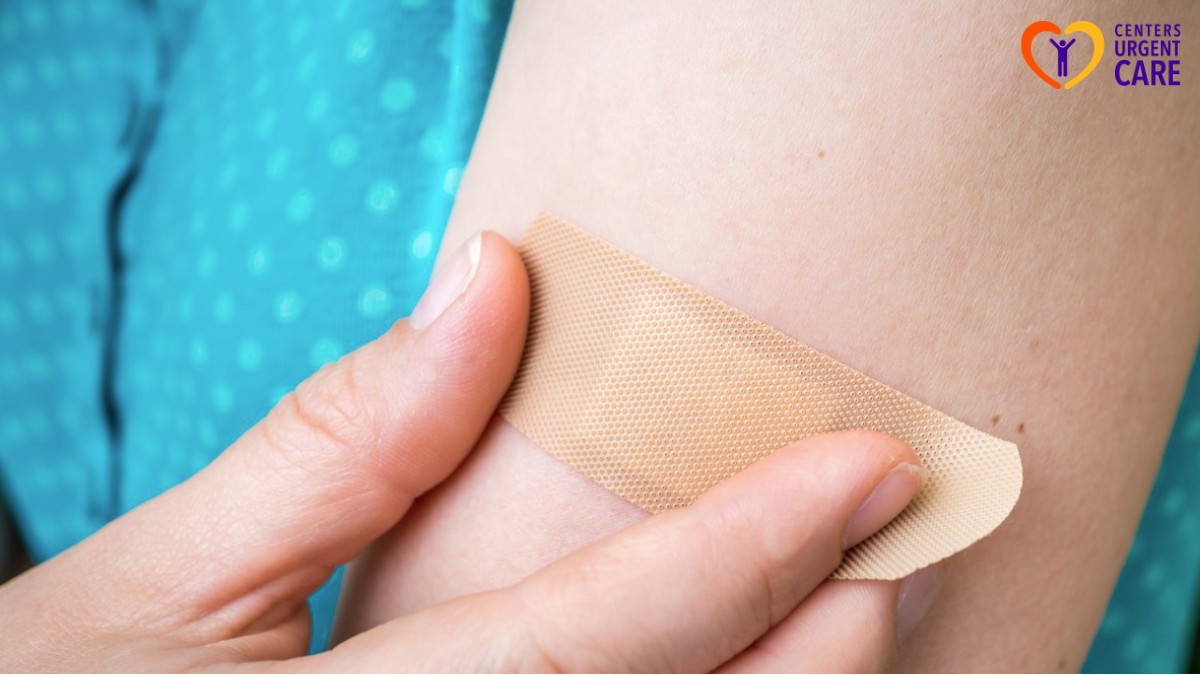
How to Properly Cover a Small Cut
Even if you know you should cover small cuts, doing it incorrectly can cause more harm than good. Start with clean hands and follow these steps:
Step-by-Step Guide:
- Wash the wound – Use clean, running water and mild soap to rinse out dirt. Avoid hydrogen peroxide for small cuts—it can irritate healthy skin.
- Apply an antibiotic ointment – This helps kill bacteria and keeps the area moist.
- Use a sterile bandage or dressing – Choose a breathable adhesive bandage or sterile gauze with hypoallergenic tape.
- Change the dressing daily – Or sooner if it becomes wet or dirty.
- Watch for signs of infection – Redness, swelling, pus, or pain may mean it’s time to seek professional care.
When is a Small Cut No Longer “Small”?
Not every cut stays simple. Sometimes what starts as a surface wound turns into something more. You should cover even minor cuts—but also know when to seek help.
Seek Urgent Care If:
- The cut is deeper than 1/4 inch or won’t stop bleeding.
- Redness is spreading or there’s a yellow/green discharge.
- You haven’t had a tetanus shot in the last 5–10 years.
- The cut was caused by rusty, dirty, or animal-related objects.
- There’s numbness, which could indicate nerve damage.
Should You Cover Small Cuts Overnight?
This depends on the stage of healing, but generally, it’s best to keep the wound covered overnight during the first 1–3 days. This helps protect it while you sleep, when friction and exposure to bacteria are more likely. After a few days, if there are no signs of infection and a scab has formed, letting the wound get some air during the day can promote healing. However, keeping it covered at night still helps reduce the risk of irritation or contamination.
Can You Leave a Small Cut Uncovered at Home?
At home, you might think a cut is safe, but that’s not always the case. Kitchens and bathrooms are full of bacteria, and children often touch surfaces and forget proper hygiene. Pets, dust, or food residue can also contaminate exposed skin. That’s why, even at home, it’s important to clean and cover the wound—at least for the first couple of days.
Should Kids’ Small Cuts Be Covered?
Children are naturally active and often don’t follow aftercare instructions, which makes their wounds more vulnerable to complications. While playing, their wounds can easily be exposed to dirt, touched or scratched frequently, and may not get washed properly without adult supervision. Covering kids’ wounds is essential to help prevent unnecessary infections and ensure the healing process goes smoothly—especially when dealing with common injuries like scraped knees. For helpful tips on protecting these wounds and easing discomfort, check out What to Do for Scraped Knees to Prevent Infection and Pain.
Additional Reasons to Cover Small Cuts Immediately
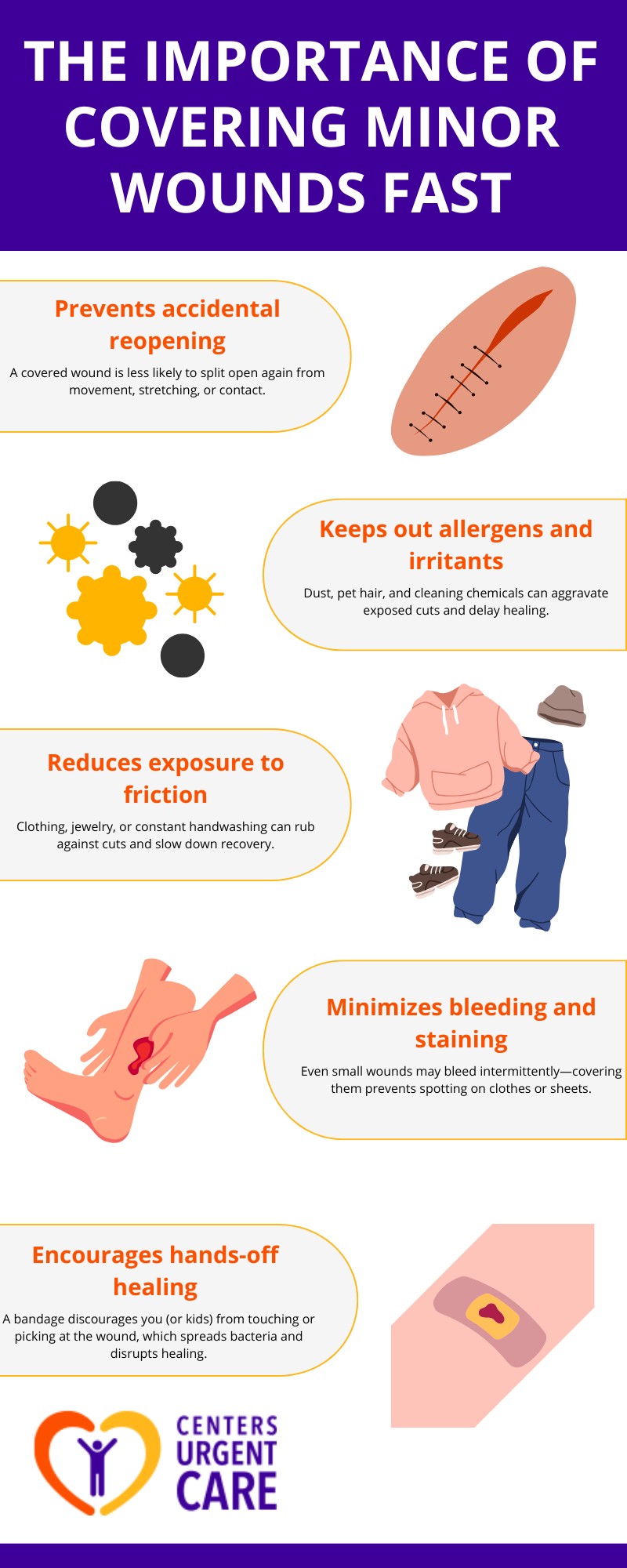
Beyond infection control and faster healing, there are other practical benefits to covering small wounds early:
Get Immediate Help When It Matters Most
Injuries don’t follow a schedule. If a small cut turns red, swollen, or painful—or if you’re unsure how to treat it—Centers Urgent Care is here to help. We offer fast, high-quality urgent care services for children and adults in a clean, compassionate environment.
Our NYC facilities are open 24/7 to make sure you get expert care when you need it most. Whether it’s a minor cut or something more serious, don’t wait. Come in and let our team take care of you.
Protect your health. Visit us today.