




















Table of Contents
ToggleWellness Tips from Josef Schenker, MD
Welcome to our Wellness Tips blog series, brought to you by Dr. Josef Schenker, the Medical Director at Centers Urgent Care. In this series, Dr. Schenker shares his extensive knowledge and experience in internal medicine and emergency medical services, including paronychia treatment and management, to help you lead a healthier life.
Dr. Schenker will cover a range of crucial health topics, offering expert advice on how to avoid common ailments. With a focus on prevention and practical tips, each blog post is designed to empower you with the information you need to make informed decisions about your health and well-being.
Paronychia Treatment and Management for Nail Infections
A throbbing, swollen nail fold can turn typing or washing dishes into a real hassle. Paronychia, which is the infected skin around the nail, accounts for about 35% of hand infections in the U.S. Recent emergency-department data (2019–2023) also shows paronychia as the leading finger infection, around 4.3 visits per 100,000 people each year, often tied to manicure tools.
In this guide, Dr. Josef Schenker sets the stage for what works, what to avoid, and when to get care. If you want to know more, let’s head over to the next sections.
Dr. Josef Schenker Explains the Symptoms of Paronychia
Paronychia starts at the nail fold, so the first signs tend to be local and easy to spot. As Dr. Josef Schenker notes, paying attention to early changes around the cuticle helps you act sooner and avoid complications. Here are some of its common symptoms:
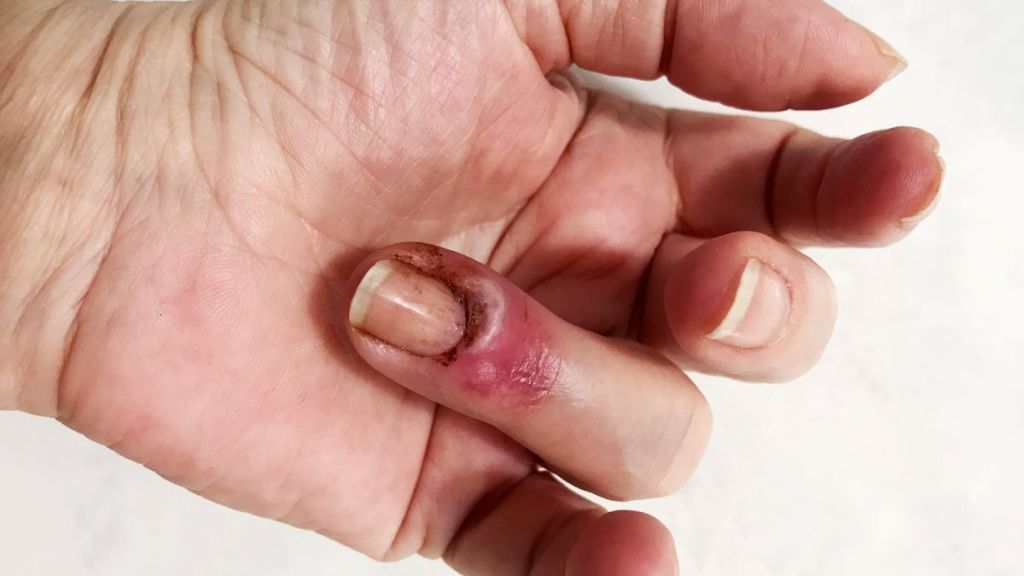
- Redness and swelling: The skin next to the nail looks red, puffy, and irritated. The changes usually sit along one side or the base of the nail. Acute paronychia often follows a minor cuticle injury.
- Pain or tenderness: Touching or pressing the nail fold hurts, and routine tasks like typing or washing dishes may feel sore. Pain tends to escalate quickly in acute cases.
- Warmth or throbbing: The area can feel warm to the touch. Throbbing discomfort may build as tissue pressure rises.
- Pus or an abscess (fluctuance): A small pocket of pus may form beside the nail. Pressing the pad of the finger can highlight a hidden collection of fluid.
- Cuticle changes and “boggy” nail folds (more common in chronic cases): The cuticle can recede or disappear, and the nail fold may look soft and swollen. These changes point to chronic irritation rather than a sudden infection.
- Nail plate changes: The nail can thicken, discolor, or lift slightly from the bed after repeated inflammation. Color and shape changes tend to develop over time.
- Greenish discoloration in some infections: A green hue under or around the nail suggests Pseudomonas involvement. Clinicians use this color cue during the exam.
- Spreading symptoms that signal urgent care: Fever, chills, or red streaks traveling up the finger or toe point to a spreading infection. General malaise can also appear. These signs mean you should seek medical care right away.
Not every sign appears in every case. Acute and chronic paronychia share several features, yet their timing and nail changes differ. Tracking how quickly symptoms started and how many nails are involved helps your clinician sort this out.

What Is Paronychia?
Paronychia means inflammation of the skin that hugs your nail. The problem starts when the seal between the cuticle and nail plate breaks, letting microbes or irritants get into the narrow space around the nail. Clinicians group it by time: acute if it lasts under six weeks, chronic if it goes beyond six weeks.
According to Josef Schenker, MD, a clear definition helps you act early and pick the right care plan. Acute paronychia usually involves an infection after small trauma from nail-biting, hangnails, manicures, or an ingrown nail. Chronic paronychia behaves more like ongoing dermatitis of the nail fold that weakens the cuticle barrier and invites secondary germs.
Acute cases often involve bacteria. Staphylococcus aureus leads the list, with streptococci and sometimes Pseudomonas also identified. Chronic cases are linked to repeated exposure to water, soaps, and chemicals at work or home. Candida species commonly colonize these damaged folds, though the main driver is irritant inflammation. Jobs like dishwashing, bartending, cleaning, or any “wet work” raise risk.
The condition affects fingers more than toes and ranks among the most common hand infections. The diagnosis is clinical. It differs from other nail-area problems, such as herpetic whitlows or felons, which need different management.
Can You Stop Paronychia Once It Starts?
Early paronychia can often be turned around. The window is short. If the nail fold is inflamed but there is no pus pocket yet, simple measures usually settle it in a few days. As Josef Schenker, MD explains, early care means lowering inflammation, protecting the cuticle seal, and keeping the area dry.
Here is the idea. When there is swelling without a clear abscess, clinicians start with local care. Stopping gets harder once pus collects. At that point, drainage is the main fix. After proper drainage, routine oral antibiotics are often unnecessary unless there is spreading cellulitis or high-risk health conditions. A follow-up wound check in 48–72 hours is common.
Chronic paronychia needs a different approach. The driver is repeated moisture and irritants that break the cuticle barrier.
If you want quick relief or you suspect an abscess, you can visit an urgent care facility like Centers Urgent Care for a prompt exam and procedure when needed. Timely evaluation also rules out lookalikes, such as herpetic whitlows or felons, which need different care.
How Long Does Paronychia Last?
The timeline of the condition depends on its type and timing. Here’s what to expect:
- Acute paronychia (no abscess): Symptoms often settle within a few days after local care. Swelling and pain ease first, then skin calms.
- After abscess drainage: Pain relief usually begins within 24–72 hours. Soaks are commonly advised for two to three days after the procedure to support healing.
- Chronic paronychia: Symptoms persist beyond six weeks and may last months if irritants continue. Multiple nails can be involved, and flares recur.
- Nail appearance: Nails recover slower than skin. Fingernails grow about 3.47 mm per month. Toenails grow about 1.62 mm per month. Full cosmetic recovery can take months for fingers and up to 12–18 months for toes.
Certain factors can prolong the course, such as repeated water or chemical exposure, eczema of the hands, and diabetes or immune suppression. These factors raise the chance of lingering symptoms or relapse.
Josef Schenker, MD, Explains Paronychia Treatment and Management
Treatment for this condition works best when care follows a simple sequence. Josef Schenker, MD frames it as a stepwise plan that matches what clinicians see at the nail fold and how long symptoms have been present.
- Triage the nail fold: Clinicians first check for a pus pocket and rule out look-alikes. Ultrasound can confirm an abscess when the exam is unclear.
- Treat mild acute cases locally: Early inflammation without abscess often responds to warm soaks plus a topical antibiotic. Adding a mild topical steroid reduces the duration of symptoms compared with antibiotics alone.
- Drain a confirmed abscess: Once a collection forms, mechanical drainage is the main fix. Techniques vary from a needle lift at the nail fold to a small scalpel opening. Oral antibiotics are usually unnecessary after adequate drainage unless the patient is systemically ill or immunocompromised.
- Use oral antibiotics selectively: Antibiotics are reserved for spreading cellulitis, high-risk hosts, or severe infection. Empiric options reflect likely organisms and local resistance, including MRSA coverage when appropriate. Routine cultures rarely change management in uncomplicated superficial infections.
- Manage chronic paronychia as dermatitis: Chronic disease centers on irritant damage to the cuticle barrier. Treatment targets inflammation with topical steroids or a calcineurin inhibitor and removes wet-work triggers.
- Rebuild the barrier with daily habits: Hand care reduces flares. Strategies include cotton-lined waterproof gloves for wet tasks, frequent emollients or barrier creams, and keeping nails short.
- Support comfort and function: Elevation reduces swelling in the first days. Short periods of splinting in the position of function may help when pain limits motion. Simple analgesics are often enough.
Know when to refer: Persistent symptoms, recurrent abscesses, a single chronically affected digit, or atypical features prompt specialist review. Dermatology or hand surgery may use procedures such as eponychial marsupialization or the “Swiss roll” technique to restore the seal. Referral also helps exclude tumors or other nail disorders.

How to Prevent Paronychia
Paronychia prevention starts with protecting the cuticle seal and limiting moisture damage around the nails. Small habits reduce tiny breaks in the skin where germs enter. Take a look at the prevention tips below:
- Protect the cuticle: Do not cut or aggressively push back cuticles; they shield the nail from germs. If you must push them, do it gently after a shower when skin is soft. Follow the American Academy of Dermatology’s guidance on salon safety and cuticle care.
- Limit “wet work”: Keep hands dry when you can, and wear waterproof gloves with cotton liners for dishwashing and cleaning. Change wet gloves quickly to avoid skin maceration.
- Use barrier repair after washing: Apply emollient or dimethicone barrier cream after handwashing and before wet tasks. Regular moisturizing restores the skin seal around the nail fold.
- Avoid nail-biting and picking: Biting, picking cuticles, and tearing hangnails create entry points for infection. Trim hangnails cleanly with sanitized clippers.
- Practice safer salon habits: Bring your own tools if allowed, or confirm proper disinfection. Skip any service that removes cuticles.
- Trim nails the right way: Keep nails short and file in one direction to prevent snags and tears. For toenails, cut straight across to reduce ingrown risk at the nail edge. Good trimming lowers small injuries that trigger paronychia.
- Avoid polish and artificial nails during healing: Adhesives and chemicals can irritate inflamed folds. Pause polish, gels, and artificial nails until the skin recovers.
- Manage workplace exposures: Rotate wet tasks when possible and schedule glove breaks to let skin dry. Rinse off detergents fully, then dry and moisturize.
- Address underlying skin irritation: Treat hand dermatitis early with clinician-recommended care. Reducing inflammation helps the cuticle seal recover and keeps microbes out.
- Know when to seek care: People with diabetes or immune suppression should not delay evaluation for nail-fold redness or swelling. Early treatment prevents complications and shortens recovery.
Prevention focuses on the cuticle barrier and moisture control. Small changes across your day add up, especially if you wash your hands often or handle detergents.
What to Do if Someone Has Paronychia
Paronychia care starts with quick checks and simple steps. Mild cases at the nail fold often calm down with local care. As Josef Schenker notes, knowing when to treat at home and when to get drainage prevents delays and cuts the risk of spread.
- Check what you are dealing with: Look for redness, swelling, and tenderness right next to the nail. Small clear blisters suggest herpetic whitlow, which should not be cut or drained at home.
- Start warm-water soaks: Soak the finger or toe in warm water for 10–15 minutes, two to four times a day. Dry the area fully after each soak.
- Keep the area dry and protected: Limit wet tasks until the skin settles. Use cotton-lined waterproof gloves if you must wash dishes or clean.
- Reduce pain and swelling: Elevate the finger above heart level when you can. Use simple pain relievers as directed on the label.
- Do not cut or squeeze the nail fold: Home lancing can drive germs deeper and worsen swelling. Squeezing can spread infection and delay proper care.
- Seek care if you feel a pus pocket: A soft, tender bulge or visible pus points to an abscess. The fix is drainage done by a trained clinician.
- Follow wound care if a procedure is done: Keep dressings as directed and resume warm soaks for 10–15 minutes three or four times a day. Plan a quick recheck in 24–48 hours to be sure the pocket has not refilled.
- Plan next steps if flares keep coming back: Recurrent swelling at several nails often signals chronic paronychia. A clinician can set a plan that focuses on barrier repair and irritant control.
Not every step applies to every case. Mild swelling without pus can improve at home, while an abscess needs drainage in a clinic. Plan to check in sooner if pain worsens or if new symptoms appear.
Josef Schenker, MD, Answers Frequently Asked Questions:
Treat paronychia in children with warm soaks for 10–15 minutes, 3–4 times daily, and keep the finger clean and dry. Use topical antibiotics for mild acute cases. Abscesses need drainage, and oral antibiotics are only for spreading infection. Chronic cases require irritant avoidance, topical steroids, and antifungals for Candida.
The local antibiotic for paronychia is mupirocin 2% ointment, applied in a thin layer after warm soaks. Alternatives include bacitracin, triple-antibiotic ointments, or fusidic acid where available. Oral antibiotics are used only if infection spreads, systemic symptoms appear, or topical care fails.
The best cream for paronychia depends on the type. Acute bacterial paronychia without abscess responds well to mupirocin, sometimes with a mild topical steroid. Chronic paronychia is treated first with a topical corticosteroid for 2–4 weeks plus irritant avoidance, adding an antifungal only if Candida is confirmed or suspected.
Paronychia is likely bacterial if it appears acutely after trauma, is painful, involves one nail, and may form pus. Paronychia is more likely fungal when swelling lasts over six weeks, affects multiple nails, causes cuticle loss, and leads to ridging or discoloration. Cultures confirm when diagnosis is uncertain.
Yes, you can go to urgent care for paronychia if you need a diagnosis, drainage of a small abscess, or a prescription. Emergency care is needed for fever, spreading redness, severe pain, diabetes, immunocompromise, or suspected deep infection. Most uncomplicated cases improve with soaks, topical antibiotics, and timely drainage.

Reliable Care for Paronychia: Act Early, Heal Faster
Paronychia treatment and management come down to early recognition, gentle local care, and timely drainage when an abscess forms. This guide reviewed how acute cases develop, how chronic cases reflect ongoing irritation, and which steps help at home: warm soaks, topical therapy, moisture control, and barrier repair.
For prompt help, visit our urgent care facility in New York for assessment, drainage when needed, and clear aftercare. At Centers Urgent Care, our clinicians focus on comfort, function, and preventing recurrence with routines that fit daily life. Care is guided by Dr. Josef Schenker, who emphasizes early intervention and practical prevention.
Most patients recover quickly once the source is addressed and the nail fold heals. Same-day visits and walk-ins are available across the city, so locate a Centers Urgent Care near you.

About Josef Schenker, MD:
Dr. Josef Schenker, a board-certified expert in internal medicine and emergency medical services, brings extensive experience and compassion to his role as Medical Director and Partner at Centers Urgent Care. With leadership in SeniorCare Emergency Medical Services and as an Attending Physician at New York-Presbyterian Brooklyn Methodist Hospital, Dr. Schenker oversees critical care and treatment protocols across varied medical needs. His dedication extends to chairing NYC REMAC, ensuring adherence to state standards in emergency medical procedures. At Centers Urgent Care, Dr. Schenker's expertise ensures prompt, high-quality emergency care for patients of all ages, supported by state-of-the-art facilities including a dedicated pediatric suite.