
Wellness Tips from Josef Schenker, MD
Welcome to our Wellness Tips blog series, brought to you by Dr. Josef Schenker, the Medical Director at Centers Urgent Care. In this series, Dr. Schenker shares his extensive knowledge and experience in internal medicine and emergency medical services, including how to cure a gout flare, to help you lead a healthier life.
Dr. Schenker will cover a range of crucial health topics, offering expert advice on how to avoid common ailments. With a focus on prevention and practical tips, each blog post is designed to empower you with the information you need to make informed decisions about your health and well-being.
How To Cure a Gout Flare
Sharp joint pain can disrupt daily life when a gout flare strikes. In the U.S., gout affected an estimated 12.1 million adults in 2017–2018. The global burden continues to rise, with North America showing the highest age-standardized rates in 2020.
If you want to know more about symptoms, treatment steps, and prevention tips, let’s head over to the next sections, where Dr. Josef Schenker explains what you need to know.
Dr. Josef Schenker Explains the Symptoms of a Gout Flare
Gout flare symptoms start fast and hit hard. According to Dr. Josef Schenker, knowing the early signs helps you act sooner and avoid complications:
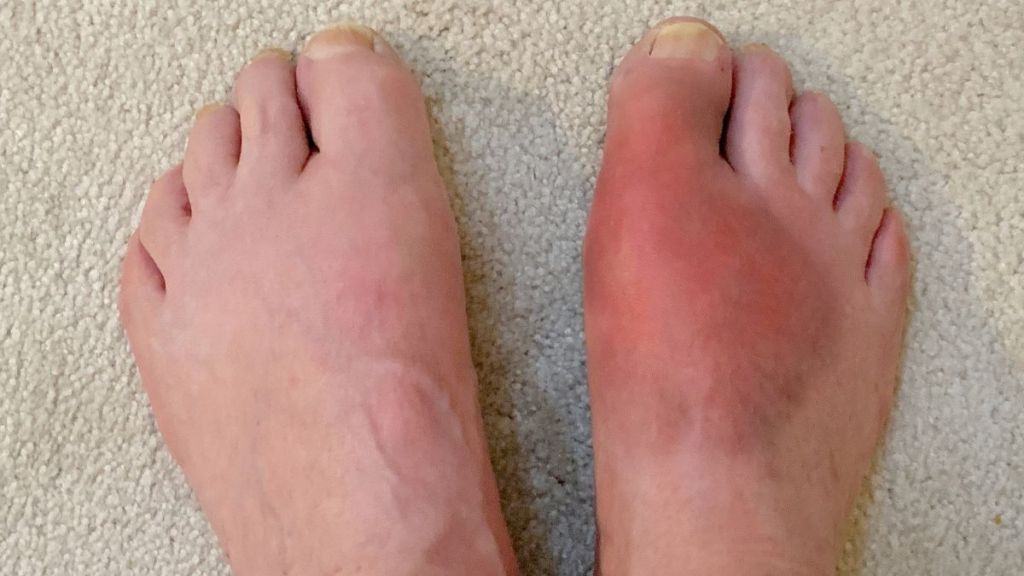
- Sudden, severe joint pain (often the big toe). Pain often begins at night or early morning and reaches peak intensity within hours. The first metatarsophalangeal (big toe) joint is the classic site, though other joints can be involved.
- Redness and warmth. The involved joint looks red and feels hot because urate crystals trigger intense inflammation. Heat, swelling, and color change cluster together during active flares.
- Swelling. Swelling builds quickly as the joint lining becomes inflamed. The capsule stretches, which adds to pain. Exam findings often include a tense, puffy joint.
- Extreme tenderness to light touch. Even a bedsheet can feel unbearable over the joint. This “bedsheet sign” reflects heightened pain sensitivity during the acute phase.
- Stiffness and limited motion. Inflammation restricts movement and makes the joint feel locked or hard to bend. Range of motion improves as the flare settles.
- Rapid night-time onset. Many flares wake people from sleep. Lower joint temperature and overnight fluid shifts may contribute to crystal-driven inflammation.
- Fever or feeling unwell (some cases). Systemic inflammation can cause low-grade fever and malaise in addition to joint pain. This pattern can mimic infection, so clinicians check carefully when fever appears with a hot, swollen joint.
- Tophi changes in chronic gout. Firm, painless nodules (tophi) over joints, the Achilles tendon, or the ear may swell or feel tender during flares. Tophi signal long-standing urate crystal deposition and a higher risk of recurrent attacks.
Not every gout flare looks the same. Some people feel classic big-toe pain; others experience flares in the midfoot, ankle, knee, wrist, or elbow, sometimes in more than one joint.
What Is a Gout Flare?
A gout flare is an acute burst of joint inflammation caused by needle-shaped monosodium urate crystals inside the joint. Uric acid builds past its solubility limit, crystals form, and the immune system reacts, which drives sudden pain and swelling.
Gout starts with hyperuricemia. When serum urate rises above about 6.8 mg/dL, the fluid in and around joints becomes saturated and crystals can deposit. Not everyone with high uric acid develops gout, but crystal formation raises the risk for attacks and longer-term damage if untreated.
During a flare, urate crystals activate the NLRP3 inflammasome, a sensor inside immune cells. That switch releases interleukin-1 and other signals that recruit more inflammatory cells into the joint. The result is rapid swelling, heat, and intense pain.
Between attacks sits the intercritical period. Symptoms settle, but crystals and high uric acid often persist. Over time, recurrent flares can shorten these quiet phases and lead to chronic gout with tophi and joint injury if urate is not controlled.
Can You Stop a Gout Flare Once It Starts?
Early action can shorten a gout flare and reduce pain. Josef Schenker, MD frames it clearly: use fast anti-inflammatory treatment, support the joint, and keep long-term urate plans steady while the acute pain settles.
- Start an NSAID promptly. Nonsteroidal anti-inflammatory drugs such as naproxen or ibuprofen reduce pain and swelling during a flare.
- Use low-dose colchicine early. Colchicine works best when taken within the first day, and many sources note benefit if started within about 24–36 hours of onset.
- Take a short course of corticosteroids if needed. Oral prednisone or a single intra-articular steroid injection can control a flare when NSAIDs or colchicine are unsuitable.
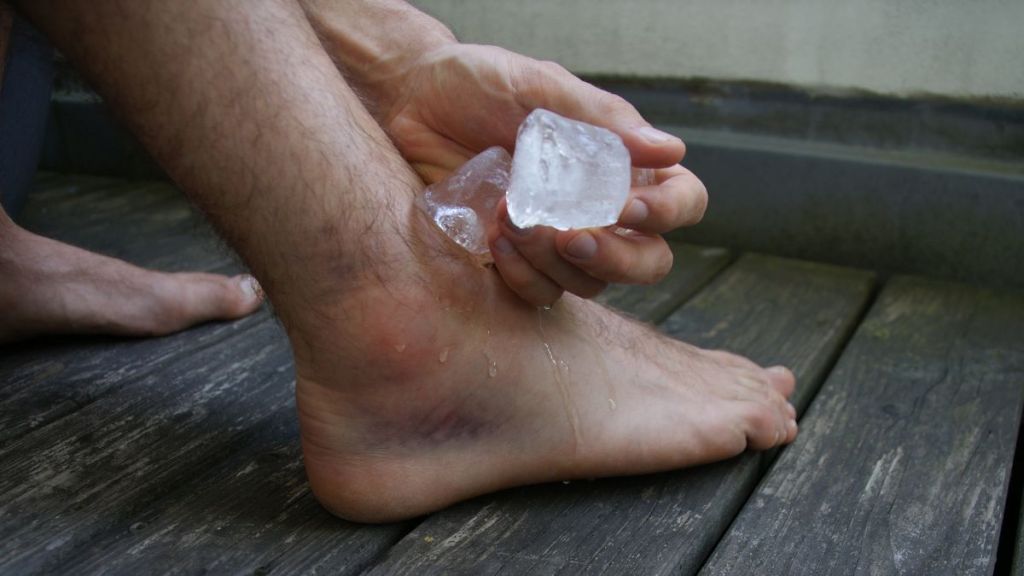
- Rest, elevate, and ice the joint. Short periods of rest and elevation reduce local swelling. Topical ice can add pain relief when combined with medicines, based on limited but supportive evidence.
- Do not stop your urate-lowering medicine during a flare. Keep taking allopurinol or febuxostat if you already use them. Some guidelines now allow starting urate-lowering therapy during a flare when anti-inflammatory cover is on board, although others prefer starting after the flare. Discuss timing with your clinician.
- Consider IL-1 inhibitors in complex cases. When standard options fail or are contraindicated, interleukin-1 blockade (e.g., anakinra) can resolve flares.
Acting in the first 24 hours often shortens the course. Pair a first-line anti-inflammatory with joint support, monitor side effects, and arrange follow-up for long-term urate control after the pain settles.
How Long Does a Gout Flare Last?
Gout flare pain climbs fast, then eases slowly. Josef Schenker, MD explains it this way: most attacks peak within 12–24 hours, then improve over days as inflammation settles. Without treatment, full recovery often takes 7–14 days. With timely care, many people feel clear progress within 3–7 days.
Flares also tend to return. About 60% of patients have a second attack within 1 year, and 80% within 3 years. But you do not need to wait it out. If pain surges or movement is limited, we can help today. At Centers Urgent Care, clinicians assess the swollen joint, rule out infection, and start evidence-based treatment to shorten the flare.

Josef Schenker, MD, Explains How To Cure a Gout Flare
Gout flare care targets fast inflammation control. Josef Schenker, MD teaches a simple rule: pick one first-line anti-inflammatory, dose it early, and tailor the choice to other health conditions.
- NSAID at a therapeutic dose. NSAIDs such as naproxen or ibuprofen reduce prostaglandin-driven inflammation and pain.
- Low-dose colchicine within the first day. Colchicine disrupts microtubules in neutrophils and blunts the flare when started early. The AGREE trial supports a low-dose regimen (1.2 mg, then 0.6 mg one hour later) for similar pain relief with fewer side effects than older high-dose schedules.
- Short corticosteroid course when NSAIDs or colchicine do not fit. Oral prednisone, intramuscular triamcinolone, or intra-articular steroid injection provide comparable relief to other first-line options. Choice depends on the number of joints involved, diabetes control, and infection risk.
- Intra-articular steroid after joint aspiration when a single large joint is involved. Aspiration reduces pressure, confirms crystals or rules out infection, and allows a targeted injection.
- IL-1 blockade for refractory or contraindicated cases. Anakinra or related agents can help when NSAIDs, colchicine, and steroids are contraindicated, not tolerated, or ineffective.
- Plan follow-up to prevent the next attack. After symptoms settle, confirm a long-term goal serum urate below 6 mg/dL and address triggers and comorbidities.
Acting early shortens pain time. Choose one first-line option, support the joint, and escalate to injection or specialist therapies when needed.
How to Avoid Gout Flares?
Prevention focuses on lowering uric acid and removing common triggers. It’s better to stick to a simple plan: treat the target, use the right long-term medicine, and cut flare risks you can change.
- Aim for a serum urate under 6 mg/dL. Treat-to-target beats fixed dosing in trials and guidelines. Keeping urate below the crystal saturation point lowers flare frequency and helps dissolve deposits over time.
- Take urate-lowering therapy consistently, with flare prophylaxis during startup. Allopurinol is first-line for most people; febuxostat is an option when allopurinol is not suitable. Low-dose colchicine or an NSAID for at least 3–6 months during ULT initiation prevents early flares while urate shifts.
- Review blood-pressure medicines with your clinician. Diuretics raise gout risk and serum urate in many patients. Losartan and calcium-channel blockers show lower gout risk in large cohort data and also modestly reduce urate.
- Limit alcohol, especially beer and spirits. Alcohol raises urate production and can trigger flares. Public-health guidance flags alcohol among dietary sources that push urate higher.
- Cut sugar-sweetened drinks and high-fructose load. Sugary beverages are linked to higher gout risk and weight gain. Reducing these drinks lowers cardiometabolic risk and helps with urate goals.
- Keep portions of high-purine foods modest. Red meat and some seafood raise purine load, which the body turns into uric acid.
- Reach and maintain a healthy weight. Extra weight raises urate and flare risk; gradual loss improves levels and symptoms over time.
- Stay hydrated and plan for known triggers. Adequate fluids support uric acid excretion during everyday life and travel. Illness, surgery, and dehydration can cluster with flares, so plan medicine refills and hydration around those periods.
What to Do if Someone Has a Gout Flare
Gout flare help starts with fast, simple steps. Josef Schenker advises a calm checklist: confirm it looks like a flare, begin the person’s prescribed flare medicine, protect the joint, and watch for red flags that need urgent care.
- Start the person’s prescribed flare medicine. If a clinician already recommended an NSAID, low-dose colchicine, or a short steroid course for flares, begin it now and follow the exact dose on the plan.
- Rest, elevate, and ice the joint. Keep weight off the joint and use pillows to raise it above heart level when possible. Apply a cold pack for 10–20 minutes at a time with a thin cloth barrier; repeat through the day.
- Avoid adding over-the-counter aspirin for pain. Common aspirin doses can reduce uric acid excretion and may aggravate gout. Do not stop any prescribed low-dose aspirin for heart protection; discuss changes with the prescriber first.
- Stay hydrated and skip alcohol during the flare. Water helps overall management.
- Continue any long-term urate-lowering medicine already prescribed. Keep taking allopurinol or febuxostat if they are part of the regular regimen.
- Watch for red flags that need same-day medical care. Seek urgent evaluation for high fever, feeling very unwell, a hot swollen joint with severe pain, or inability to bear weight; clinicians need to rule out joint infection.
- Arrange follow-up once pain eases. A clinician can confirm the diagnosis, check serum urate, and review prevention and medication interactions.
If symptoms escalate, or if the person has diabetes, kidney disease, is immunocompromised, or recently had surgery, do not wait. Get medical care today to confirm the cause and adjust treatment.
Josef Schenker, MD, Answers Frequently Asked Questions:
The fastest way to flush gout is to stop inflammation with NSAIDs, colchicine, or glucocorticoids, which work within hours. Gout flare relief also includes cold packs, rest, and elevation to ease pain. Hydration and avoiding alcohol help, but severe or first-time flares require medical care.
Treat gout in pregnancy with clinician guidance. Gout flare treatment may include low-dose colchicine or glucocorticoids when safe. Gout in pregnancy must avoid NSAIDs after 20 weeks due to fetal kidney risks. Acetaminophen is preferred for general pain, and obstetric review is essential for swelling, fever, or new joint redness.
Gout can affect baby toes. Gout often starts in the big toe, but smaller toes can develop flares marked by sharp pain, swelling, redness, and warmth. Gout in little toes may resemble bunions or injury, so a medical exam is key. Gout with fever or illness requires urgent review to exclude infection.
Treat gout with prednisone when NSAIDs or colchicine are unsuitable. Prednisone usually starts at 30–40 mg daily for about 5 days, sometimes with a short taper. Prednisone offers pain relief comparable to naproxen. Prednisone use requires clinician oversight with attention to diabetes, infection risk, and drug interactions.
You can go to urgent care for a gout flare. Gout care there includes exam, pain control with NSAIDs, colchicine, or steroids, and follow-up guidance. Gout with sudden one-joint swelling, severe redness, or high fever needs prompt assessment to exclude infection. Early treatment in urgent care improves relief.

Take Charge of Your Joint Health
Managing gout flares means acting quickly to ease pain, prevent lasting joint damage, and reduce the chance of repeat attacks. From recognizing symptoms to starting treatment early and keeping uric acid under control, each step makes recovery smoother and future flares less likely. Staying consistent with long-term care is just as important as handling the flare itself.
Visit our urgent care facility in New York for same-day evaluation and treatment. At Centers Urgent Care, our clinical team, led by Dr. Josef Schenker, is here to help you manage gout with evidence-based care, practical advice, and ongoing support. Whether you need rapid relief during a flare or guidance on long-term uric acid control, we provide comprehensive care in a convenient setting.
Locate a Centers Urgent Care near you and take the next step toward better joint health today.

About Josef Schenker, MD:
Dr. Josef Schenker, a board-certified expert in internal medicine and emergency medical services, brings extensive experience and compassion to his role as Medical Director and Partner at Centers Urgent Care. With leadership in SeniorCare Emergency Medical Services and as an Attending Physician at New York-Presbyterian Brooklyn Methodist Hospital, Dr. Schenker oversees critical care and treatment protocols across varied medical needs. His dedication extends to chairing NYC REMAC, ensuring adherence to state standards in emergency medical procedures. At Centers Urgent Care, Dr. Schenker's expertise ensures prompt, high-quality emergency care for patients of all ages, supported by state-of-the-art facilities including a dedicated pediatric suite.