
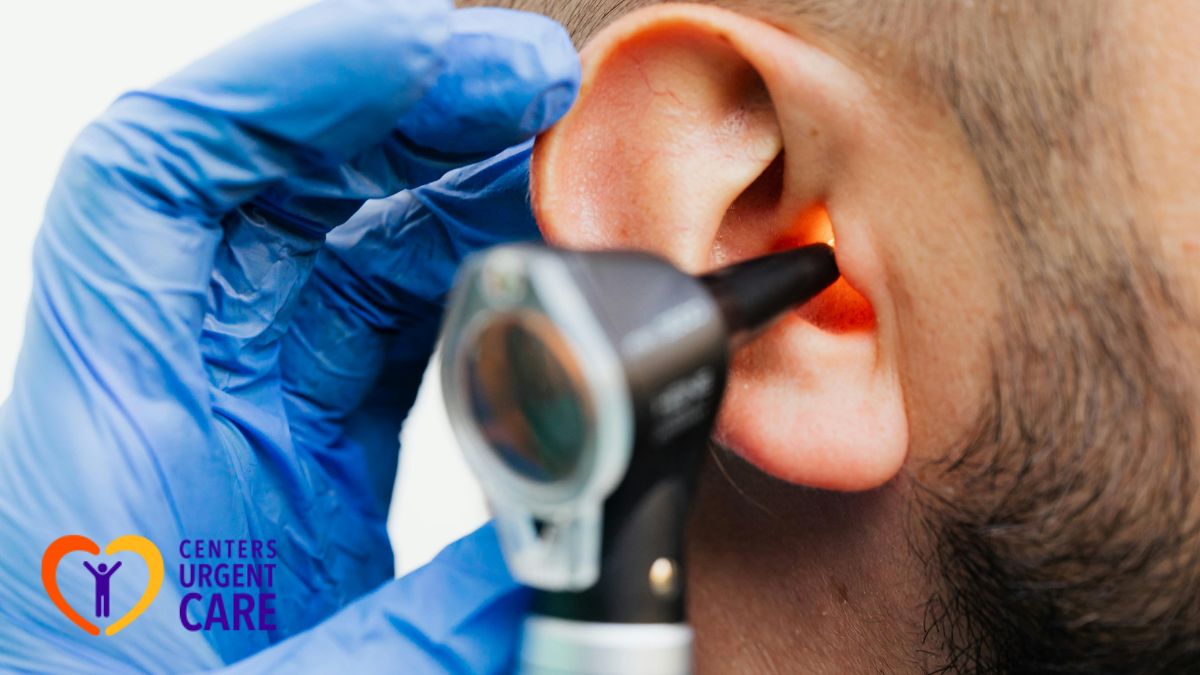
Wellness Tips from Josef Schenker, MD
Welcome to our Wellness Tips blog series, brought to you by Dr. Josef Schenker, the Medical Director at Centers Urgent Care. In this series, Dr. Schenker shares his extensive knowledge and experience in internal medicine and emergency medical services, including how to prevent swimmer’s ear, to help you lead a healthier life.
Dr. Schenker will cover a range of crucial health topics, offering expert advice on how to avoid common ailments. With a focus on prevention and practical tips, each blog post is designed to empower you with the information you need to make informed decisions about your health and well-being.
How to Prevent Swimmer’s Ear After Swimming
Ear pain after swimming, showering, or a beach day is very common. The CDC estimates about 2.4 million U.S. health care visits each year are for swimmer’s ear, and it tends to happen more in children and frequent swimmers. Dr. Josef Schenker reminds patients that most cases start because water stays in the ear canal and lets bacteria grow. Up next, we’ll go through symptoms, treatment timing, and practical prevention so you can keep ears dry and healthy.

Dr. Josef Schenker Explains the Symptoms of Swimmer’s Ear
Swimmer’s ear (otitis externa) usually starts after water stays in the ear canal and lets bacteria multiply. Symptoms often begin mild, then get worse if the canal stays wet or swollen. According to Dr. Josef Schenker, the signals are mostly on one side and they often become painful when you touch or pull the outer ear, which helps tell it apart from middle ear infections. Below are the common symptoms of swimmer’s ear.
- Ear Pain When the Outer Ear Is Pulled: Pain that increases when you tug the ear (pinna) or press on the small front bump (tragus) is a classic finding in swimmer’s ear.
- Canal Redness: The inside of the ear canal can look red or irritated because the lining is inflamed. On darker skin, this redness may be harder to see, so other symptoms become more helpful.
- Swelling of the Ear Canal: Swelling makes the canal narrower, which is why sounds can feel blocked. In more moderate cases, swelling can partly close the canal and trap even more fluid.
- Itching in the Ear or Ear Canal: Itching is often the first sign of a mild infection. The skin becomes moist and irritated, so it feels like you want to scratch or clean
- Muffled or Decreased Hearing: When the canal swells or fills with fluid and debris, sound cannot pass through easily. Hearing may feel dull or muffled on the affected side.
- Occasional Drainage: You may see clear, then cloudy or yellow drainage coming from the ear. Drainage happens because the inflamed canal is producing fluid or pus.
Not every person will have all of these symptoms at once. Children may just tug the ear, say it hurts, or seem bothered when you dry their hair. Symptoms usually stay on one side, but they can spread if water or trauma keeps irritating the canal.
What Is Swimmer’s Ear?
This is an infection or inflammation of the ear canal, the short passage that runs from the opening of the ear to the eardrum. It usually happens when water stays in the canal and breaks down the natural barrier of wax and skin. Most cases are caused by bacteria such as Pseudomonas aeruginosa or Staphylococcus aureus.
A swimmer’s ear is different from the ear infections that happen behind the eardrum. Middle ear infections (otitis media) start in the air-filled space past the eardrum and often follow colds or allergies, while swimmer’s ear stays on the outside and starts in the skin of the canal.
How does it develop? When the canal stays wet after swimming, bathing, or being in a humid place, the skin softens. That moisture washes away protective earwax and lowers the canal’s normal acidity. Bacteria then find a warm, dark, wet space and multiply.

Can You Stop Swimmer’s Ear Once It Starts?
Swimmer’s ear can often be controlled early if you act on the first signs. The goal is to dry the canal, stop germs from spreading, and avoid more irritation. Josef Schenker, MD explains that early care lowers the chance of complications.
- Keep the Ear Dry Right Away: Stop swimming and keep the ear out of water while it heals. Water lets bacteria stay in the canal and slows the effect of drops.
- Use Prescription Ear Drops as Directed: Most uncomplicated cases improve with topical antibiotic or antiseptic drops, sometimes mixed with a steroid to calm swelling.
- Avoid Swimming and Ear Trauma During Treatment: Do not swim, and do not insert cotton swabs, earbuds, or fingers into the ear until the provider says it is healed.
- Control Pain Early: Over-the-counter pain relievers that your provider approves can make the first 24–48 hours easier.
- Let the Clinic Clear the Canal if Blocked: If swelling or debris blocks the canal, a provider may clean it or place a wick so the drops can reach the skin.
It is important to point out that ear drops should not be used on your own if there is a ruptured eardrum, ear tubes, recent ear surgery, or pus coming out of the ear. Vinegar-alcohol or other drying mixes are for intact eardrums only.
If you are unsure, go to Centers Urgent Care and let a provider check first. This is applicable if pain is moderate to severe, if swelling reaches the outer ear, if there is fever, or if you see thick or bloody drainage. Our team can confirm swimmer’s ear, rule out a perforation, and prescribe the exact drops and dry-ear precautions for you.
How Long Does Swimmer’s Ear Last?
Most cases of swimmer’s ear start to feel better within 2 to 3 days once the right ear drops and dry-ear steps are started. However, delays, ongoing moisture, or other health problems can stretch this timeline, so watching your progress in the first 72 hours is useful. Here are the common healing timelines and what affects them:
- Typical Treated Swimmer’s Ear (Most Patients): When drops reach the canal and the ear is kept dry, pain and itching ease in 48–72 hours. Swelling and muffled hearing improve over the next few days.
- Slow Response or Late Treatment: If drops were started late, or water kept getting in, symptoms can last longer than 10 days. The canal may stay swollen, so hearing feels blocked.
- Severe Swelling or Debris in the Canal: When the canal is very puffy, medicine cannot pass through. Clinics sometimes clean the ear or place a wick so the drops can work. Clearing the canal usually shortens the rest of the healing time.
- Chronic or Recurrent Otitis Externa: If the irritation lasts over 3 months, or keeps coming back, it is considered chronic. These cases need tailored care and follow-up.
- High-Risk Patients (Diabetes, Weakened Immunity): Healing can be slower because the skin barrier repairs less quickly. Doctors monitor these patients more closely to rule out spread to nearby tissue.
If pain is not easing in 2–3 days, if drainage increases, or if hearing stays very muffled, a provider should look in the ear again. We recommend a reassessment at 48–72 hours when symptoms do not improve.
Josef Schenker, MD, Explains How to Prevent Swimmer’s Ear
Josef Schenker, MD teaches the following routine steps for patients who swim often or who get repeat ear infections:
- Keep Ears as Dry as Possible: Wear a swim cap or well-fitted earplugs when swimming. After water exposure, dry the outer ear with a clean towel.
- Tilt the Head to Drain Water: After swimming or bathing, tilt your head to each side so trapped water can flow out. Gently pulling the earlobe in different directions helps open the canal.
- Use a Hair Dryer on Low, at a Distance: If the ear still feels wet, use a hair dryer on the lowest setting, at least 12 inches away. Warm moving air finishes the drying without irritating the canal.
- Avoid Cotton Swabs and Other Objects: Swabs, fingernails, bobby pins, and earbuds can scratch the canal and remove protective wax. Even small trauma lets germs in.
- Skip Swimming in High-Bacteria Water: Lakes, rivers, or poorly chlorinated pools can carry more germs. Check water quality when possible and avoid swimming if the water looks dirty.
- Ask a Provider About Drying or Acidifying Drops (If Eardrum Is Intact): Many guidelines allow alcohol–vinegar or prescription preventive drops right after swimming because they dry the canal and restore normal pH. These must not be used if you have ear tubes, a hole in the eardrum, or recent ear surgery.
These steps work together. Drying the ear removes the moisture germs like. Protecting the canal from swabs prevents tiny breaks. Avoiding questionable water reduces the number of germs you expose the ear to.

Common Triggers and Who Is at Higher Risk for Swimmer’s Ear
Swimmer’s ear happens more in people whose ear canals stay wet or irritated. Josef Schenker notes that repeat cases usually have one or more of the triggers below:
- Frequent Swimming or Head-Under Water Activities: Going to pools, lakes, or beaches several times a week keeps the canal damp. Children 5–9 years old and summer swimmers show the highest rates.
- Retained Water or Humid Environments: Water that does not drain, heavy sweating, or living in warm, humid areas keeps the canal moist. Water in the ear canal breaks down the skin’s defense.
- Canal Eczema, Dermatitis, or Psoriasis: Skin conditions inside or around the ear make the lining drier and easier to crack. Once the surface is inflamed, even clean water can sting and let bacteria in.
- Hearing Aids, Earbuds, or Anything That Blocks the Canal: Devices trap moisture and can cause friction. Cleaning and drying these devices helps.
- Cleaning the Ear Too Aggressively: Cotton swabs, bobby pins, fingernails, and “ear scoops” scrape the canal and remove healthy wax.
- Swimming in Lakes, Rivers, or Poorly Treated Water: Natural bodies of water and crowded pools can contain more bacteria. Avoiding dirty or untested water lowers risk.
- Narrow Ear Canals, Diabetes, or Weakened Immunity: Some people have canals that do not drain well. Others, such as those with diabetes or immune issues, have slower skin healing, so an ordinary exposure can turn into a more serious otitis externa.
Not everyone exposed to water will get swimmer’s ear. The infection usually appears when more than one of these factors happens together, like a humid day, lake water, and cotton-swab use afterward. Reducing even one trigger can make summer ear infections much less frequent.
What to Do if Someone Has Swimmer’s Ear
The condition should be handled early so the infection stays in the canal and clears fast. Josef Schenker reminds families not to insert anything in the ear while it is infected because that slows healing. Here is a step-by-step guide:
- Keep the Ear Completely Dry: Stop swimming, diving, or submerging the ear. Water keeps bacteria in the canal and makes drops less effective. Use a shower cap or cotton ball coated with petroleum jelly during bathing to keep water out.
- Do Not Insert Cotton Swabs or Objects: These can scratch the canal and push debris deeper. Scratching can also turn a mild infection into a swollen one.
- Use the Drops Exactly as Shown: Lie on the opposite side, pull the ear gently up and back, and let the drops sit in the canal for a minute so they reach all the inflamed skin. Some cases need a wick that the clinic places to help drops pass swelling. Finish the full course even if pain gets better.
- Follow Dry-Ear Precautions While Healing: Keep the ear protected until the provider says swelling is gone. Drying the outer ear with a towel is fine, but no inside drying unless the provider instructed a safe method.
- Return or Seek Care Sooner if Symptoms Spread: Go back right away if pain worsens, if the outer ear or face starts to swell, if fever appears, or if there is diabetes or weak immunity.
Most ear infections clear with local treatment when the canal is open and dry. The important part is to let the provider see the ear first before trying alcohol or vinegar mixes at home, especially if there’s drainage or ear tubes, because those drops are for intact eardrums only.
Josef Schenker, MD, Answers Frequently Asked Questions:
Cure swimmer’s ear fastest by getting a provider to confirm the eardrum is intact and start prescription antibiotic-steroid eardrops. These drops target the inflamed canal directly, easing pain in 2–3 days and clearing infection in about a week if the ear stays dry. Pain relievers can also help.
Yes. You can use alcohol-vinegar ear drops to prevent swimmer’s ear if your eardrum is intact and you don’t have tubes, drainage, or recent ear surgery. These drops dry excess moisture and restore canal acidity. Avoid use if uncertain, and consult a provider to prevent middle ear irritation.
Swimmer’s ear usually improves in 48–72 hours and clears in 7–10 days with proper eardrops and dry-ear care. Recovery takes longer if water re-enters the ear, swelling blocks the canal, or health issues like diabetes slow healing. Return to care if symptoms persist after 3 days.
No. Do not swim with swimmer’s ear until the infection clears and your provider confirms the canal is dry. Water delays healing and weakens drops. Showers are allowed only if the ear stays dry using a shower cap or petroleum-jelly-coated cotton. Keeping the ear dry is essential for recovery.
Go to urgent care for swimmer’s ear if pain is moderate to severe, if swelling spreads to the outer ear or face, if pus drains, or if fever occurs. People with diabetes or weak immunity should go early. Lack of improvement after 48–72 hours on drops also requires urgent care.
Protect Your Ears: Prevent and Treat Swimmer’s Ear Early
Understanding how swimmer’s ear develops and how to stop it early helps protect your hearing and comfort. Keeping the ear canal dry, avoiding swabs, and using proper drops when needed can prevent most infections. If symptoms persist or worsen, quick medical care ensures faster relief and avoids complications.
Visit our urgent care facility in New York for same-day evaluation and treatment of ear infections. Our team, led by Dr. Josef Schenker, provides careful ear exams, prescription drops, and advice on safe prevention steps. At Centers Urgent Care, we treat ear pain and infections with accuracy and compassion so you can return to normal activities without delay.
We operate in 12 locations throughout NYC. Book an appointment today and keep your ears healthy all year round.

About Josef Schenker, MD:
Dr. Josef Schenker, a board-certified expert in internal medicine and emergency medical services, brings extensive experience and compassion to his role as Medical Director and Partner at Centers Urgent Care. With leadership in SeniorCare Emergency Medical Services and as an Attending Physician at New York-Presbyterian Brooklyn Methodist Hospital, Dr. Schenker oversees critical care and treatment protocols across varied medical needs. His dedication extends to chairing NYC REMAC, ensuring adherence to state standards in emergency medical procedures. At Centers Urgent Care, Dr. Schenker's expertise ensures prompt, high-quality emergency care for patients of all ages, supported by state-of-the-art facilities including a dedicated pediatric suite.