
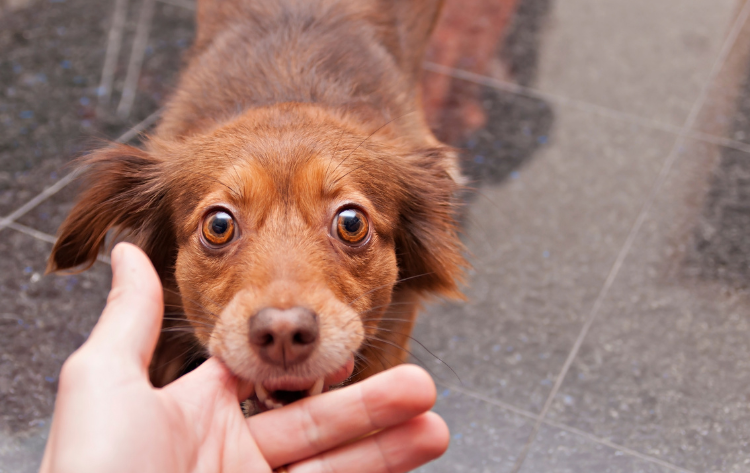
Dog bites can be painful and dangerous, especially if they break the skin. If you’ve found yourself on the unfortunate end of a canine bite, it’s crucial to know the right steps to take. This guide will walk you through immediate first aid, when to seek medical attention, and how to prevent future incidents!
What to Do if a Dog Bites You?
In the event that a dog bites you unexpectedly and breaks your skin, wash the area with soap and water right away. Next, use pressure to halt the bleeding before covering it with a fresh bandage. Seek medical assistance as soon as possible, particularly if the bite is deep, on your face, or if the bleeding won’t stop.
Risks of Dog Bites
Dog bites can pose various risks to the individual who has been bitten. According to statistics, more than 4.5 million dog bites are reported annually in the United States. Children are bitten more often than adults and are more likely to sustain serious injuries. Some of the common risks associated with dog bites include:
- Infections: Dog bites can introduce dangerous bacteria into the body, leading to serious and sometimes fatal infections if left untreated. It is important to clean the wound thoroughly and seek medical attention promptly to reduce the risk of infection.
- Rabies: Although rare, dog bites can potentially transmit the rabies virus, which can be life-threatening. It is crucial to seek medical evaluation and consider the need for rabies shots if the dog’s vaccination status is unknown or if there is a risk of rabies in the region.
- Nerve or muscle damage: Depending on the severity and location of the bite, dog bites can cause nerve or muscle damage. This can result in pain, limited mobility, or even permanent disability.
- Broken bones: In some cases, dog bites can lead to fractures or broken bones, particularly if there is significant force or pressure applied during the bite.
- Scarring: Dog bites can cause deep puncture wounds or lacerations that may result in scarring, which can have both physical and emotional consequences.
- Psychological impact: Experiencing a dog bite can be traumatic and may lead to psychological distress, such as fear or anxiety around dogs or in similar situations.
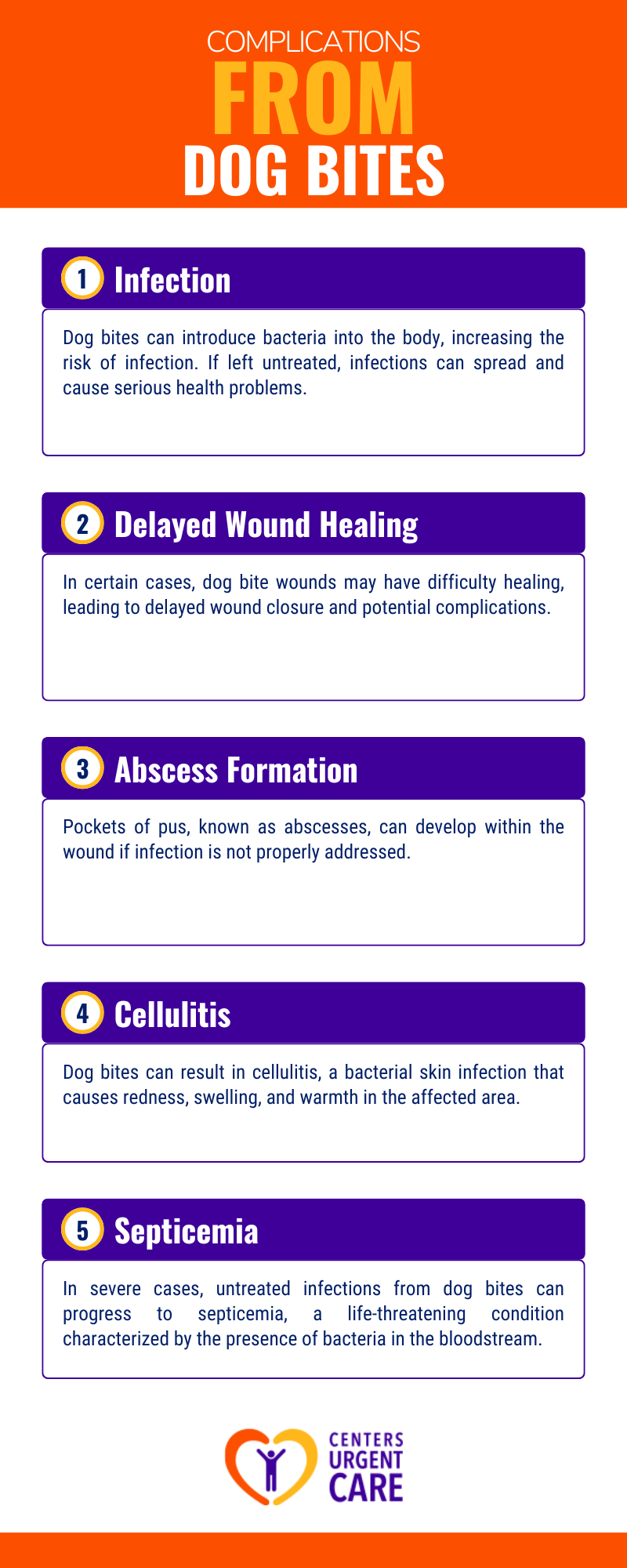
Complications from Dog Bites
Complications can arise from dog bites, especially if appropriate measures are not taken promptly. Some of the potential complications include:
Immediate Actions Post Dog Bite
To prevent infection and encourage healing, you or someone you know should act right away if you or they have been bitten by a dog and the skin has been broken. This section will discuss two important steps to take after a dog bite: cleaning the wound and applying antibiotics.
Cleaning the Wound
The first step to take after a dog bite is to thoroughly clean the wound. It’s important to wash the wound as soon as possible to reduce the risk of infection. Here’s a step-by-step guide on how to clean a dog bite wound effectively:
- Use warm water and a mild soap to gently rinse the wound. Steer clear of antiseptics and harsh cleansers as they can irritate the wound.
- Use a clean cloth or gauze pad to gently remove any dirt or debris from the wound.
- Continue to rinse the wound until it appears clean.
- Pat the area dry with a clean towel or allow it to air dry.
- If the wound is deep or there is a significant amount of bleeding, seek medical attention.
Applying Antibiotics
Using an antibiotic ointment can help stop infection and speed up healing after the wound has been cleaned. Topical antibiotic application can aid in the eradication of bacteria that may have infected the wound from the dog bite. Here’s how to apply antibiotics to a dog bite wound:
- Wash your hands thoroughly before handling the wound or applying any ointment.
- Gently squeeze a small amount of antibiotic ointment onto a clean cotton swab or your fingertip.
- Carefully apply the ointment to the entire surface of the wound.
- If the wound is deep or has jagged edges, consider seeking medical attention to determine if stitches are necessary.
It’s important to note that while applying antibiotics can help reduce the risk of infection, it does not replace the need for medical evaluation, especially if the wound is deep, extensive, or if there are signs of infection such as redness, swelling, or increased pain.
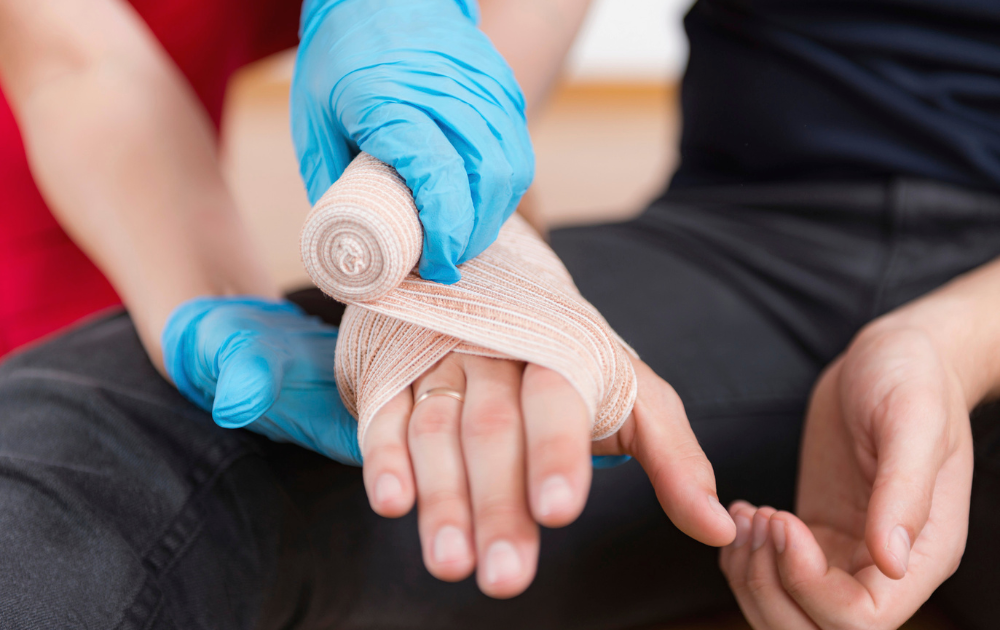
Remember to keep the wound covered with a clean, dry bandage and change the bandages daily or as instructed by a healthcare professional. This helps protect the wound from further contamination and promotes a clean healing environment.
Seeking Medical Attention
Seeking medical attention is important to ensure proper care and prevent potential complications. Here, we will discuss the signs of infection to watch out for and emphasize the importance of prompt treatment.
Signs of Infection
After a dog bite, it’s crucial to monitor the wound for any signs of infection. Dog bites have a high risk of infection due to the bacteria commonly found in a dog’s mouth. Contact a healthcare provider if you experience any of the following signs:
- Swelling around the wound area
- Tenderness or pain
- Pink or red skin surrounding the bite
- Clear fluid oozing from the wound
In addition to these signs, certain factors may indicate the need for medical attention. Seek immediate care if:
- The wound is large or deep
- Sensitive areas like the head, face, neck, genitalia, hands, or feet are affected by the bite.
- The wound is bleeding profusely
- The bite is extremely painful or swollen
- The wound appears bruised or deformed
These signs and symptoms may indicate an infection or the need for further evaluation and treatment by a healthcare professional.
Importance of Prompt Treatment
Prompt medical treatment is essential after a dog bite, even if the wound may seem minor. One of the primary reasons for seeking medical attention is to rule out the risk of rabies. Rabies is a rare but potentially fatal disease that can be transmitted through the bite of an infected animal.
It’s important to note that even if the dog is up to date with its rabies vaccination, medical evaluation is still recommended after a dog bite, especially if the skin is broken. This evaluation helps assess the risk of infection and determine if further treatment, such as a tetanus shot or antibiotics, is necessary.
In addition to the risk of rabies, dog bites can lead to infection in up to 20% of cases due to the bacteria present in a dog’s mouth. Seeking prompt medical attention allows healthcare providers to clean the wound thoroughly and prescribe appropriate antibiotics if needed.
Preventing Dog Bites
Taking proactive measures to prevent dog bites is essential for ensuring the safety of both humans and dogs. By practicing universal precautions and following dog safety practices, the risk of dog bites can be significantly reduced.
Universal Precautions
Adhering to universal precautions is a fundamental step in preventing dog bites. These precautions involve taking certain measures to ensure personal safety when interacting with dogs. Some universal precautions include:
- Maintain a safe distance: It’s important to stay away from unknown dogs, especially those exhibiting aggressive or fearful behavior. If you encounter a dog that appears anxious or aggressive, it’s best to give them space and avoid any direct contact.
- Supervise children: Children, particularly those under the age of 5, should always be closely supervised when interacting with dogs. Teach children how to approach and handle dogs gently and calmly, and never leave them unattended with a dog, even if it’s a familiar one.
- Avoid disturbing dogs while they eat or sleep: Dogs can be protective of their food and resting areas. Avoid approaching or petting a dog while they are eating or sleeping to minimize the chances of a defensive reaction.
- Respect personal space: Just like humans, dogs have their own personal boundaries. It’s important to respect a dog’s space and avoid actions that may make them feel threatened or uncomfortable.
Dog Safety Practices
In addition to universal precautions, implementing specific dog safety practices can further reduce the risk of dog bites. By understanding canine behavior and proper handling techniques, you can create a safe environment for both yourself and the dog. Here are some dog safety practices to consider:
- Socialization and training: Properly socializing your dog from a young age can help them become comfortable and well-behaved in various situations. Enroll your dog in obedience training classes to ensure they learn basic commands and appropriate behavior.
- Recognize warning signs: Understanding canine body language is crucial in identifying potential signs of fear, aggression, or stress. Ears pinned back, raised fur, growling, and showing teeth are some indicators that a dog may be feeling threatened. If you notice these signs, it’s best to give the dog space and avoid any further interaction.
- Ask for permission: Before approaching a dog, always ask the owner for permission. Not all dogs are comfortable with strangers, and it’s important to respect the owner’s wishes regarding their dog’s interactions.
- Properly restrain dogs: When walking or interacting with dogs in public spaces, ensure that they are properly restrained using a leash or other appropriate devices. This helps prevent unexpected interactions with other people or animals.
By practicing universal precautions and implementing dog safety practices, you can significantly reduce the risk of dog bites. Remember, responsible ownership and education are key to creating a safe environment for both humans and our furry friends.
Managing Wound Care
After experiencing a dog bite that breaks the skin, proper wound care is essential to prevent infection and promote healing. This section will cover the importance of local wound care and the risk factors that can increase the chances of infection.
Local Wound Care
Local wound care plays a crucial role in preventing infection and aiding in the healing process after a dog bite. Here are some important steps to take:
- Wash the wound: Cleanse the wound thoroughly as soon as you can using warm water and mild soap. Eliminate any dirt or debris gently. This lowers the chance of infection and helps to get rid of bacteria.
- Apply antibiotic ointment: After washing the wound, apply a topical antibiotic ointment to prevent infection. This can help create a barrier against bacteria and promote healing. Be sure to follow the instructions provided by the healthcare professional or pharmacist.
- Cover the wound: To protect the wound from further contamination, cover it with a clean, dry bandage or dressing. Change the bandage daily or as instructed by a healthcare professional. Keeping the wound covered helps prevent dirt, bacteria, and other contaminants from entering the wound.
Risk Factors for Infection
Certain factors can increase the risk of infection following a dog bite. It’s essential to be aware of these risk factors and take appropriate measures to prevent complications. Some common risk factors include:
- Location of the bite: Dog bites on the hands, feet, and genital area are more prone to infection due to the complex nature of the underlying structures and higher exposure to bacteria.
- Medical conditions: Individuals with underlying medical conditions like diabetes or a weakened immune system may have a higher risk of infection. These conditions can impair the body’s natural defense mechanisms, making it more difficult to fight off bacteria.
- Delay in wound care: Waiting too long to clean and care for the wound increases the risk of infection. Prompt attention to wound care is essential to prevent the growth of bacteria and reduce the likelihood of complications.
- The severity of the injury: Severe injuries, such as puncture wounds or crush injuries, have a higher risk of infection. These types of wounds can be more challenging to clean thoroughly and may require medical intervention.
Rabies Concerns
When it comes to dog bites that break the skin, there are important considerations regarding rabies. Rabies is a rare but fatal disease that can be transmitted through the bite of an infected animal. It’s crucial to understand the necessary steps to take in order to address the risk of rabies after a dog bite.
Rabies Shots for Dogs
Rabies shots for dogs are highly effective in preventing the transmission of the virus. These shots typically provide protection for three years, although some states may require annual rabies boosters. It’s important to check the specific regulations in your area regarding rabies vaccination requirements for dogs.
In the event of a dog bite, having proof of a recent rabies shot for the dog involved can provide reassurance. However, it’s important to note that even if a dog is up to date with its rabies shot, medical evaluation is still recommended, especially if the skin is broken. This is because the risk of infection and other complications still exists.
Medical Evaluation After Dog Bite
After a dog bite that breaks the skin, it is advisable to seek medical evaluation, regardless of the dog’s vaccination status. In some cases, individuals may need to be treated with a post-exposure prophylaxis rabies vaccine, especially if the dog’s rabies vaccination status is unknown or if there are concerns about rabies exposure.
This vaccine can help prevent the development of rabies in case the dog is infected with the virus. By seeking medical evaluation after a dog bite, individuals can take steps to protect their health and well-being. Remember to consult with a healthcare professional for personalized advice and guidance based on your situation.
If you’re in New York City and need immediate care for a dog bite, consider visiting Centers Urgent Care, offering 24-hour urgent care New York. Our team of experienced medical professionals provides prompt, high-quality treatment for a variety of urgent care needs. Contact us today to learn more or schedule an appointment!
2025 has changed my life. I never believed I would be cured by a spell caster who specializes in herbal cure and magical spells. I am talking about the help Doctor Odunga gave to me. I have been cured of herpes HPV which has plagued me for over 2 years. I am very happy to tell others that if you want to be cured or get your ex back spells and get pregnant naturally, even financial blessing through lottery, there is only one place to be and that is with Dr Odunga Spell Temple. Am so happy that just 3 days after taking DR ODUNGA Herbal treatments my herpes was cured permanently. DR ODUNGA also have cure to #HIV #Diabetes #Lupus #Tinnitus #Fibroid #Cancer #Hepatitis B, #Syphilis #Infertility etc … If you have this ailment or whatsoever you might be suffering from you should contact him at his EMAIL: odungaspelltemple@gmail.com OR VIA Whats App +2348167159012