
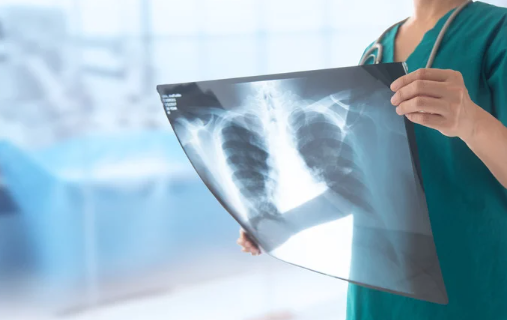
The fear of excessive radiation exposure is understandable, especially when it comes to medical procedures like X-rays. While it is generally safe, it’s important to be aware of the potential risks associated with repeated exposure. This article will explore the recommended limits for annual X-ray exposure and offer tips for minimizing radiation.
Impact of X-Rays on Cancer Risk
The frequency of X-ray exposures plays a crucial role in assessing the associated cancer risk. For instance, if an individual were to undergo two dental X-rays per year throughout their lifetime, the increase in their likelihood of developing cancer would be incredibly low, around one-hundredth of one percent. This minimal risk underscores the overall safety profile of X-rays in routine medical and dental imaging.
CT Scans and Cancer Development
CT scans, while providing valuable diagnostic information, are associated with a slightly higher cancer risk compared to standard X-rays due to the increased radiation exposure involved. It’s estimated that approximately 0.4 percent of cancers in the U.S. can be attributed to CT scans. This figure is expected to rise in tandem with its growing utilization, exemplified by the 62 million CT scans conducted in America in 2007.
Studies suggest that the cumulative impact of X-rays on cancer risk ranges from 0.6 to 1.8 percent. An average CT scan may marginally increase the likelihood of fatal cancer by approximately 1 in 2,000 cases. However, this risk must be contextualized against the incidence of fatal cancer, which stands at 1 in 5 individuals. It is crucial to recognize that advancements in medical imaging have contributed to prolonging lives.
Radiation Exposure Levels
When considering radiation exposure levels from various imaging procedures, it’s crucial to understand the differences in risk associated with each type of procedure and the corresponding radiation dose comparisons. These factors play a significant role in determining the safety and frequency of X-ray examinations.
Different Imaging Procedures
Each imaging procedure carries a distinct level of risk based on the type of X-ray being used and the specific area being examined. For instance, CT scans and interventional procedures are associated with higher doses of radiation compared to standard X-rays. In fact, the radiation exposure from these procedures can range from 100 to 1000 times higher than that of a typical chest X-ray.
Medical practitioners will carefully consider the necessity of these higher-dose procedures against the potential health risks when determining the most appropriate imaging method for a particular issue. It’s essential for patients to be informed about the level of radiation exposure associated with each imaging procedure and to discuss any concerns with their healthcare provider.
Radiation Dose Comparison
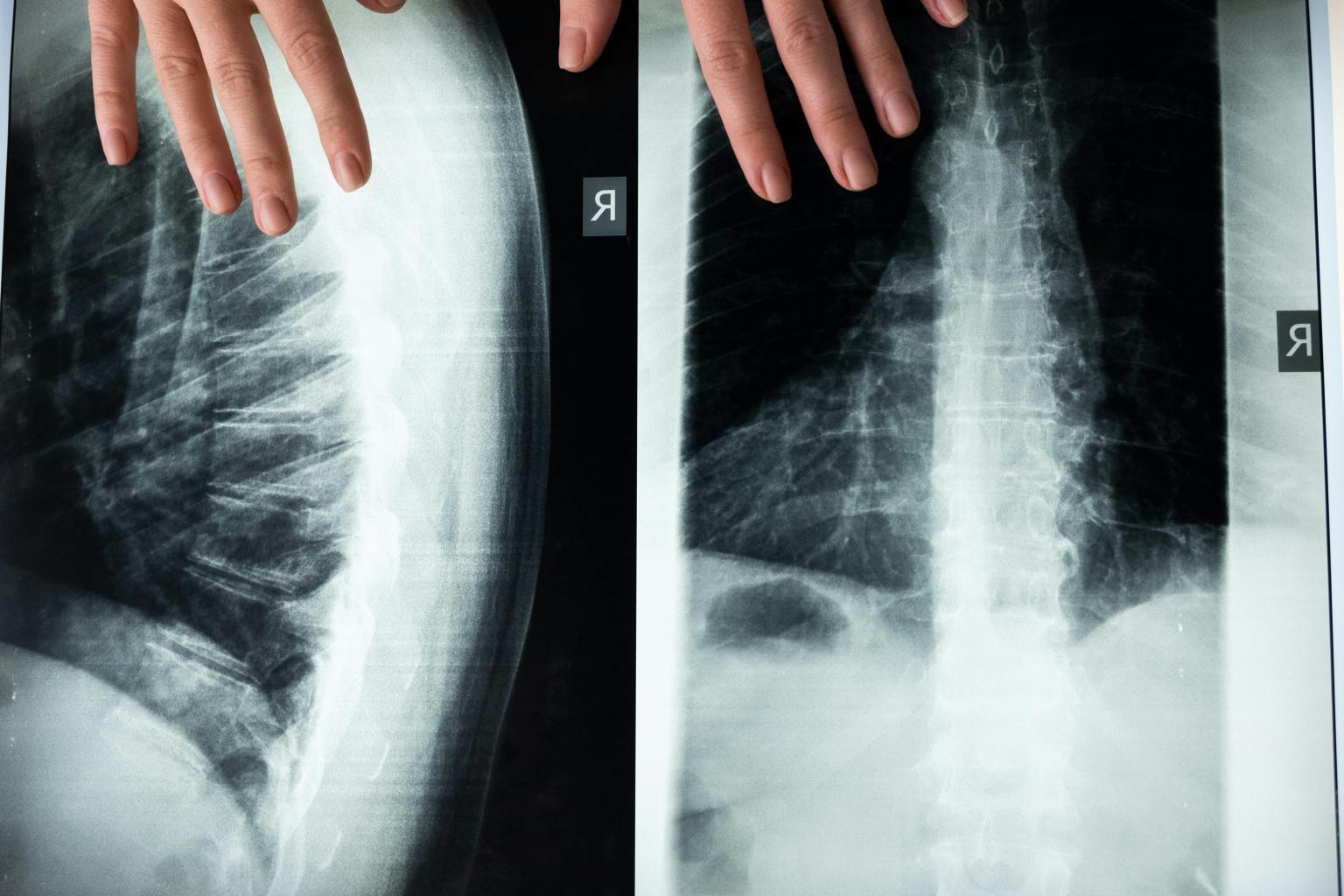
While most diagnostic investigations involving X-rays and nuclear medicine typically have minimal adverse effects, it’s important to acknowledge that these procedures do carry a slightly increased risk of cancer. This risk is influenced by the magnitude of the radiation dose administered and the number of procedures undergone over time.
To put this into perspective, the table below illustrates a general comparison of radiation doses for common imaging procedures:
Imaging Procedure | Radiation Dose (mSv) |
Chest X-ray | 0.1 |
Abdominal CT scan | 10 |
Coronary angiography | 5-10 |
Lumbar spine X-ray | 1 |
Balancing Benefits and Risks
In the realm of medical imaging, it is essential to strike a balance between the benefits derived from these imaging procedures and the potential risks associated with X-ray exposure. Understanding the advantages of medical imaging alongside the process of assessing the risks involved in X-ray procedures is crucial for decision-making.
Benefits of Medical Imaging
Medical imaging plays a pivotal role in diagnosing and monitoring various health conditions. Through technologies like X-rays and CT scans, healthcare providers can visualize internal structures, detect abnormalities, and guide treatment plans effectively. The benefits of medical imaging include:
- Accurate diagnosis of injuries and illnesses.
- Early detection of diseases such as cancer.
- Evaluation of treatment effectiveness.
- Minimally invasive guidance for surgical procedures.
- Monitoring of disease progression and response to therapy.
The advancements in medical imaging have significantly improved patient outcomes by facilitating timely interventions and personalized healthcare strategies. Despite the potential risks associated with radiation exposure, the benefits of medical imaging far outweigh these risks in most cases.
Risk Assessment for X-Ray Procedures
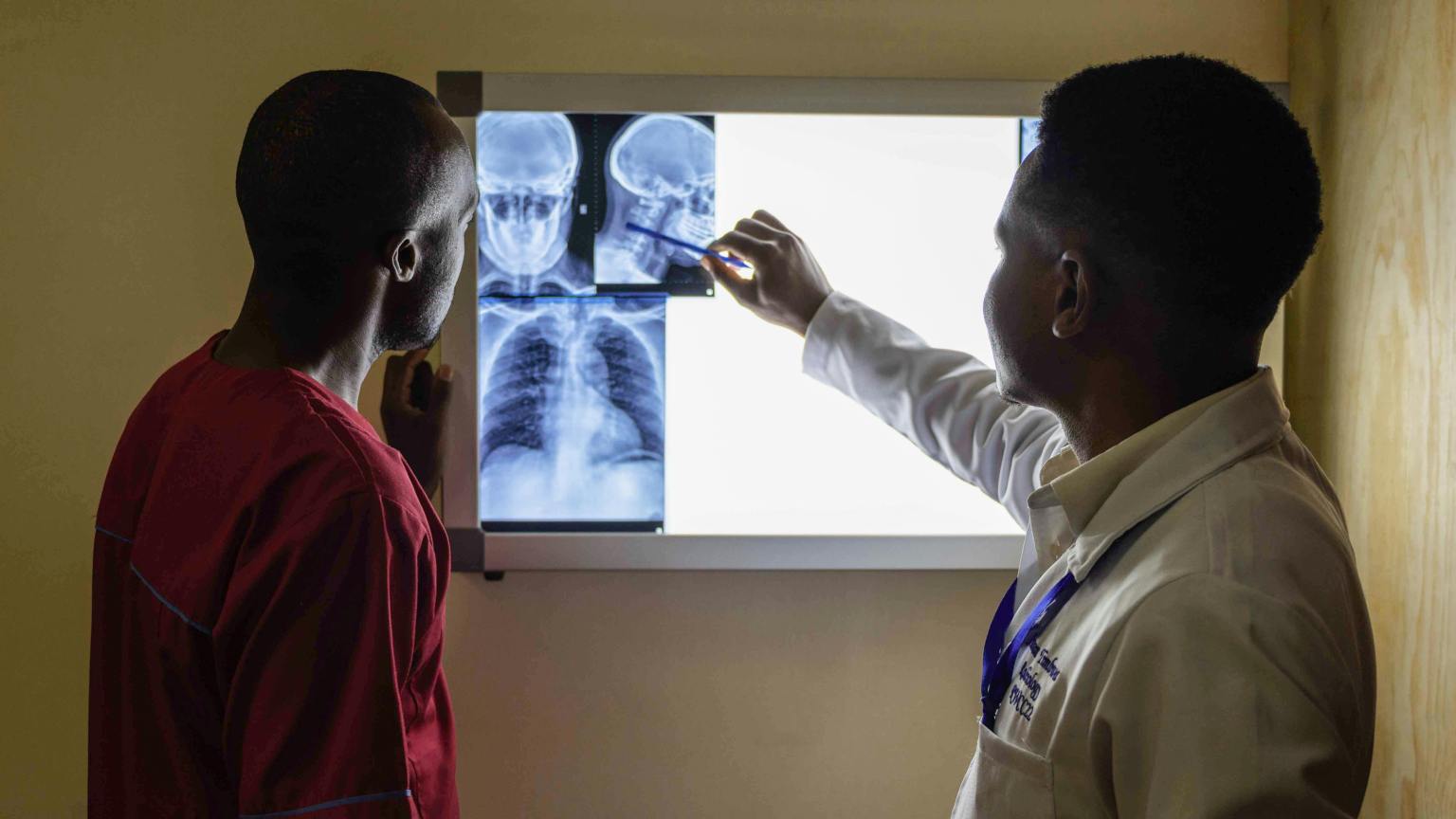
In order to protect patients, doctors follow the As Low as Reasonably Achievable (ALARA) principle. The concept directs medical professionals to reduce radiation exposure while preserving diagnostic precision during imaging procedures. To guarantee the safe use of medical imaging technologies and to define radiation doses, international organizations have developed guidelines and recommendations.
When recommending imaging procedures, medical practitioners consider various factors, including the patient’s medical history, examination findings, and existing test results. Referral criteria aid doctors in selecting the most appropriate imaging modality. Essentially, by utilizing evidence-based practices, healthcare providers strive to deliver high-quality care while mitigating potential risks associated with X-ray procedures.
Effects of High Radiation Doses
When considering the effects of high radiation doses from X-ray exposure, it’s important to understand both the biological effects of radiation and the potential adverse effects that individuals may experience.
Potential Adverse Effects
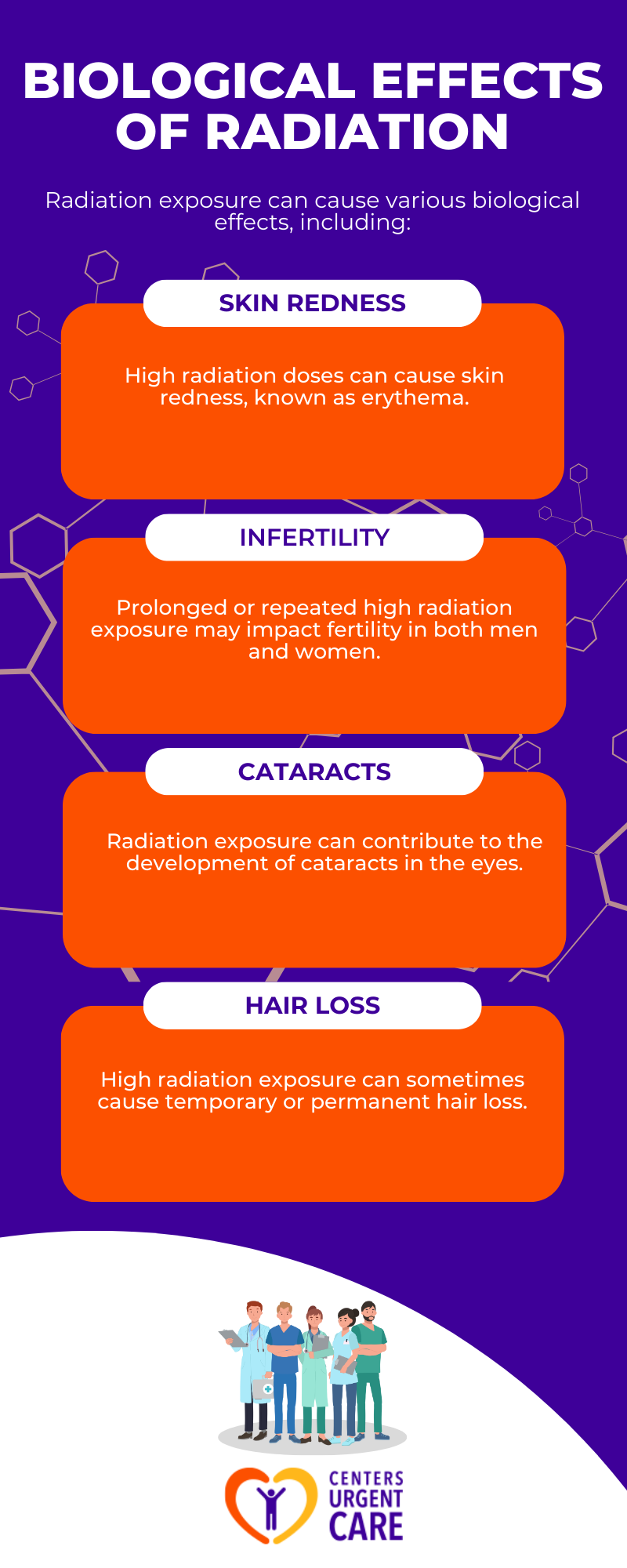
While adverse effects from diagnostic and interventional procedures involving radiation are rare, it’s essential to be aware of the potential risks associated with high radiation doses. Patients undergoing interventional procedures that require fluoroscopy for extended periods, lasting one hour or more, maybe at a slightly higher risk of experiencing radiation-induced skin injuries, such as erythema.
It’s important to note that there are no documented reports of diagnostic and interventional procedures causing infertility or cataracts in patients. However, it’s crucial for healthcare providers to carefully assess the radiation dose levels. Additionally, it’s important to remember that exposure to diagnostic X-rays and nuclear medicine examinations has been linked to a slightly increased risk of cancer.
Medical Practitioners' Role
Healthcare providers play a crucial role in determining the necessity and safety of X-ray procedures for patients. They will adhere to referral criteria established by reputable organizations such as the American College of Radiology, the European Society of Radiology, and the Royal College of Radiologists. These criteria help guide healthcare providers in choosing the most appropriate imaging techniques.
Ultimately, medical practitioners will take into account not only the diagnostic value of the procedure but also the associated radiation dose. It is essential for healthcare providers to prioritize patient safety by opting for imaging modalities that minimize radiation exposure whenever feasible. In cases where radiation-based imaging is necessary, medical practitioners strive to use the lowest radiation dose.
If you’re seeking urgent care in New York, Centers Urgent Care offers top-notch services with quick wait times and experienced medical professionals. Contact us today to schedule to learn more about our comprehensive range of urgent care services!
2025 has changed my life. I never believed I would be cured by a spell caster who specializes in herbal cure and magical spells. I am talking about the help Doctor Odunga gave to me. I have been cured of herpes HPV which has plagued me for over 2 years. I am very happy to tell others that if you want to be cured or get your ex back spells and get pregnant naturally, even financial blessing through lottery, there is only one place to be and that is with Dr Odunga Spell Temple. Am so happy that just 3 days after taking DR ODUNGA Herbal treatments my herpes was cured permanently. DR ODUNGA also have cure to #HIV #Diabetes #Lupus #Tinnitus #Fibroid #Cancer #Hepatitis B, #Syphilis #Infertility etc … If you have this ailment or whatsoever you might be suffering from you should contact him at his EMAIL: odungaspelltemple@gmail.com OR VIA Whats App +2348167159012