

The respiratory rate, a crucial component of overall health, represents the number of breaths taken in a minute. This metric is vital in assessing one’s well-being and can provide insight into the efficiency of the respiratory system.
Importance of Respiration Rate
The respiration rate is considered one of the four vital signs, alongside temperature, blood pressure, and heart rate. Monitoring respiration rate is essential in detecting potential health issues, assessing respiratory function, and ensuring adequate oxygen levels in the body.
Definition of Respiration Rate
Respiration rate, often expressed as breaths per minute, signifies the number of breaths taken within a specific timeframe. For adults, the healthy range typically falls between 12 to 20 breaths per minute to sustain life. Any deviations from this range, either lower or higher, may indicate underlying health conditions that warrant further evaluation.
Understanding the significance of respiration rate empowers individuals to track their respiratory health and seek medical attention promptly if any abnormalities are detected. Regular monitoring of respiration rate is particularly crucial for individuals undergoing annual checkups or those keen on maintaining optimal health and well-being.
Normal Respiration Rate for Adults
In understanding respiration rates in adults, it is essential to recognize the healthy breathing range and the various factors that can influence respiratory patterns.
Healthy Breathing Range
A normal respiratory rate in healthy adults typically ranges from 12 to 20 breaths per minute. This consistent breathing pattern indicates that oxygen is being efficiently exchanged in the lungs and delivered to the body’s tissues. However, it’s important to note that individual variations can occur, and factors such as age, fitness level, and health conditions may impact an individual’s respiratory rate.
Age Group | Normal Respiration Rate (breaths per minute) |
Adults | 12 – 20 |
Children | Higher than adults |

Factors Influencing Respiration Rate
Several factors can influence the respiration rate in adults. Health conditions such as asthma, chronic obstructive pulmonary disease (COPD), heart conditions, infections, and anxiety can all contribute to variations in respiratory patterns. Additionally, external factors like the use of stimulants and environmental triggers can lead to changes in breathing rates.
Monitoring your respiration rate and recognizing any deviations from the normal range can provide valuable insights into your overall health and well-being. Any significant changes in breathing rate, such as rates below 12 or above 20 breaths per minute, may indicate an underlying respiratory issue that requires further evaluation by a healthcare professional.
Grasping the healthy breathing range and the influencing factors, individuals can take proactive steps to maintain optimal respiratory health. Regular monitoring of respiration rate, especially during physical activity or times of illness, can help ensure that the body is receiving an adequate oxygen supply and functioning efficiently. Stay attuned to your breathing patterns and seek medical attention if you notice persistent abnormalities or symptoms of respiratory distress.
Abnormal Respiration Rates
In the realm of respiratory health, abnormalities in respiration rates can serve as indicators of underlying health conditions. Two primary deviations from the normal respiration rate in adults are tachypnea, which signifies a high respiration rate, and bradypnea, which indicates a low respiration rate.
Tachypnea: High Respiration Rate
Tachypnea is characterized by a respiratory rate exceeding 20 breaths per minute. This heightened respiration pace may signal various health issues, including anxiety, fever, respiratory diseases, cardiac problems, and dehydration. Individuals experiencing tachypnea may exhibit symptoms such as rapid and shallow breathing, shortness of breath, and increased heart rate. In severe cases, symptoms such as bluish skin, chest pain, gurgling sounds during breathing, or abnormally low breaths per minute may manifest. In such instances, immediate medical attention is advised.
Bradypnea: Low Respiration Rate
Conversely, bradypnea denotes a reduced respiratory rate, typically falling below 12 breaths per minute in adults. This condition might be linked to various factors, including respiratory ailments, airway blockages, cardiac arrest, drug overdoses, obstructive sleep apnea, and head trauma. Individuals with bradypnea may display symptoms such as slowed or irregular breathing, dizziness, confusion, and fainting spells. It is imperative for those experiencing bradypnea or associated alarming symptoms to consult a healthcare provider promptly.
Understanding abnormal respiration rates like tachypnea and bradypnea is crucial in identifying potential health concerns and seeking timely medical intervention to address underlying issues. Monitoring respiratory patterns closely and seeking professional guidance when deviations are noted can be paramount in maintaining optimal respiratory health.

Causes of High Respiration Rate
Understanding the factors that can lead to a high respiration rate, also known as tachypnea, it is essential to recognize the various health conditions that can contribute to this elevated breathing pattern. Additionally, understanding the symptoms associated with tachypnea can help individuals identify potential concerns and seek appropriate medical attention when needed.
Health Conditions Leading to Tachypnea
Several health conditions can lead to an increased respiratory rate in adults. These conditions may range from respiratory ailments to underlying medical issues affecting the heart and other systems in the body. Common health conditions associated with tachypnea include:
- Asthma: A chronic respiratory condition marked by inflammation and narrowing of the airways, resulting in breathing difficulties.
- COPD (Chronic Obstructive Pulmonary Disease): A progressive lung disease that makes it difficult to breathe due to impaired airflow.
- Heart Conditions: Cardiovascular issues such as heart failure or arrhythmias can impact the body’s oxygen levels, triggering a higher respiration rate.
- Stimulant Use: Consumption of stimulants like caffeine, nicotine, or certain medications can stimulate the respiratory centers in the brain, causing an increase in breathing rate.
- Infections: Respiratory infections, such as pneumonia or bronchitis, can provoke tachypnea as the body’s immune response kicks in.
- Anxiety: Emotional stress and anxiety can also lead to rapid breathing as a part of the body’s fight-or-flight response.
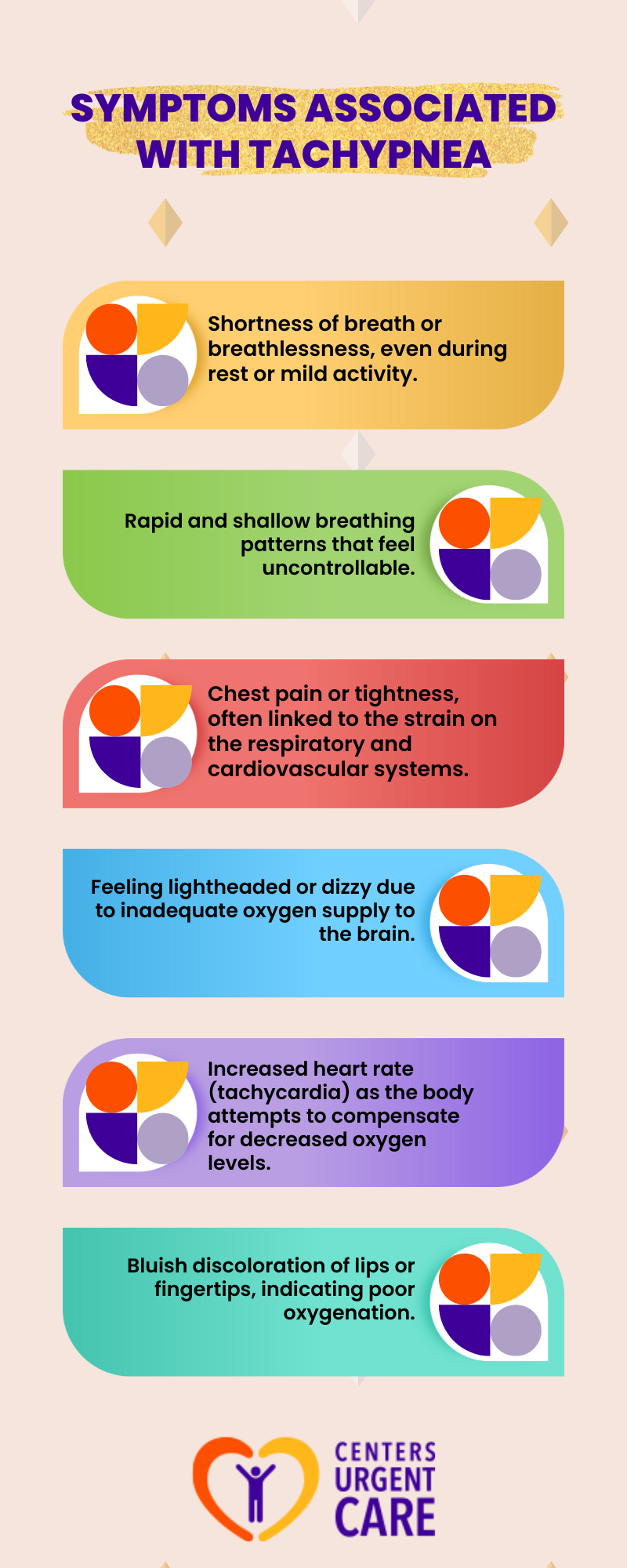
Recognizing the health conditions that can lead to tachypnea and being aware of the associated symptoms, individuals can prioritize their respiratory health and seek prompt medical evaluation if they experience persistent high respiration rates. Early intervention and management of underlying conditions are key to maintaining optimal respiratory function and overall well-being.
Monitoring changes in respiration rate and addressing any concerning symptoms promptly can help safeguard respiratory health and overall well-being. If you need urgent care in New York, Centers Urgent Care provides fast, high-quality services for both children and adults. Contact us today to receive prompt, expert care and ensure your respiratory health is in good hands.
Sources:
2025 has changed my life. I never believed I would be cured by a spell caster who specializes in herbal cure and magical spells. I am talking about the help Doctor Odunga gave to me. I have been cured of herpes HPV which has plagued me for over 2 years. I am very happy to tell others that if you want to be cured or get your ex back spells and get pregnant naturally, even financial blessing through lottery, there is only one place to be and that is with Dr Odunga Spell Temple. Am so happy that just 3 days after taking DR ODUNGA Herbal treatments my herpes was cured permanently. DR ODUNGA also have cure to #HIV #Diabetes #Lupus #Tinnitus #Fibroid #Cancer #Hepatitis B, #Syphilis #Infertility etc … If you have this ailment or whatsoever you might be suffering from you should contact him at his EMAIL: odungaspelltemple@gmail.com OR VIA Whats App +2348167159012