

Understanding the significance of trauma care and the broad scope it encompasses is crucial for ensuring individuals receive the necessary support and treatment during times of crisis.
Importance of Trauma Care
Trauma care plays a vital role in the healthcare system by providing immediate and specialized medical attention to individuals who have experienced physical or psychological trauma. Urgent care facilities often support trauma care by offering prompt treatment and stabilizing patients until they can receive more specialized assistance. This prompt and effective trauma care can significantly improve outcomes and enhance survival rates for patients in critical condition.
Definition and Scope of Trauma
Trauma, in the context of healthcare, refers to an injury or wound caused by a physical force, accident, or psychological distress. Trauma care encompasses a wide range of services aimed at assessing, stabilizing, and treating patients with traumatic injuries. These services may include emergency room care, critical care units, trauma surgery, and specialized care in areas such as burn units, pediatric trauma centers, and military trauma care facilities.
In the next sections, we will delve into specific types of trauma care services, specialized trauma care facilities, collaborative approaches to trauma care, innovations in trauma care, and strategies for personalizing trauma care to meet individual needs.

Types of Trauma Care Services
Providing trauma care requires different types of services that play a critical role in delivering prompt and effective treatment. Understanding the distinct functions of emergency room care, critical care units, and trauma surgery is essential in addressing traumatic injuries and medical emergencies.
Emergency Room Care
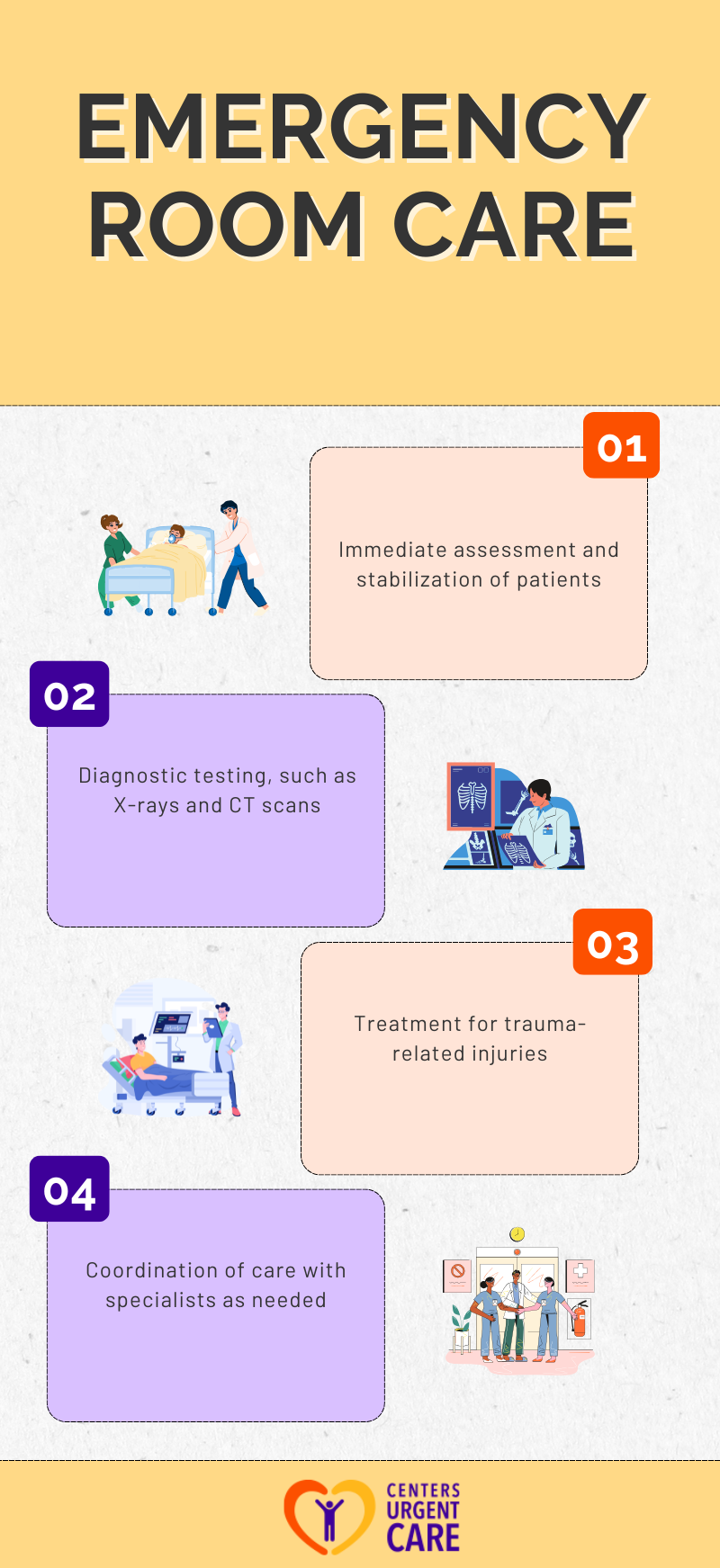
Emergency room care serves as the initial point of contact for individuals who have experienced a traumatic injury or a sudden, severe medical condition. Emergency departments are equipped to handle a broad range of urgent medical situations, from car accidents and falls to heart attacks and strokes.
Critical Care Units
Critical care units, commonly found in hospitals, cater to patients who require intensive monitoring and specialized treatment due to the severity of their condition. These units are staffed with specialized healthcare professionals who are trained to provide around-the-clock care for critically ill or injured patients.
- Continuous monitoring of vital signs
- Administration of life-saving interventions
- Management of complex medical conditions
- Coordination with various medical specialties
Trauma Surgery
Trauma surgery focuses on providing surgical intervention for individuals who have sustained serious injuries, such as those resulting from accidents, violence, or natural disasters. Trauma surgeons are trained to perform procedures aimed at stabilizing and repairing traumatic injuries to prevent further complications.
- Emergency surgical interventions for life-threatening injuries
- Repair of damaged organs and tissues
- Hemorrhage control and wound management
- Collaborative care with other medical disciplines
Recognizing the roles and capabilities of emergency room care, critical care units, and trauma surgery, healthcare providers can deliver timely and comprehensive trauma care to individuals in need. Coordinated efforts among these services help ensure that trauma patients receive the appropriate level of care tailored to their specific medical requirements.
Specialized Trauma Care
Providing specialized care for different types of trauma is essential to ensure optimal outcomes for patients. In the realm of trauma care, there are specific services tailored to address unique needs. Let’s delve into three key specialized trauma care areas: burn units, pediatric trauma centers, and military trauma care.
Burn Units
Burn units are specialized facilities equipped to handle the complex needs of individuals who have sustained burn injuries. These units are staffed by multidisciplinary teams of healthcare professionals trained in the care of burn patients. Burn units provide specialized treatments, including wound care, pain management, and rehabilitation, tailored to the severity and extent of the burns.
Patients in burn units receive intensive medical and nursing care to prevent infection, promote healing, and manage pain. These units often have advanced technology and resources to support the specialized needs of burn patients, such as specialized beds, hydrotherapy equipment, and dedicated operating rooms for burn surgeries.
Pediatric Trauma Centers
Pediatric trauma centers are healthcare facilities specifically designed to cater to the unique medical and emotional needs of injured children. These centers are staffed by healthcare providers with expertise in pediatric trauma care, including pediatric surgeons, pediatric intensivists, and child life specialists.
Pediatric trauma centers offer a comprehensive range of services, from emergency care to rehabilitation, to address the complex needs of injured children. These centers are equipped with specialized pediatric medical equipment and have protocols in place to ensure the best possible outcomes for young trauma patients.
Military Trauma Care
Military trauma care is a specialized branch of trauma care that focuses on providing medical support to military personnel injured in combat or other military operations. Military trauma care teams are trained to deliver rapid and effective medical interventions in high-stress and resource-limited environments.
Understanding the distinctive features of burn units, pediatric trauma centers, and military trauma care, healthcare providers can deliver tailored and effective care to individuals facing different types of trauma. Specialized trauma care plays a vital role in ensuring that patients receive the appropriate treatments and support necessary for their recovery and well-being.
Collaborative Trauma Care Approaches
Specialized trauma care requires a collaborative approach involving various services to support individuals on their journey to healing. Through the combined efforts of rehabilitation centers, mental health services, and support groups, individuals impacted by trauma can receive comprehensive care tailored to their unique needs.

Rehabilitation Centers
Rehabilitation centers are instrumental in providing holistic care to individuals recovering from traumatic injuries. These centers offer multidisciplinary treatment plans that focus on physical, occupational, and speech therapy to help patients regain functionality and independence. By combining medical expertise with rehabilitative therapies, these centers aim to enhance the quality of life for trauma survivors.
Mental Health Services
Mental health services are essential components of trauma care, addressing the emotional and psychological impact of traumatic experiences. Through counseling, therapy, and psychiatric interventions, mental health professionals work closely with individuals to process their trauma, develop coping strategies, and improve mental well-being. These services play a vital role in promoting healing and resilience in the face of adversity.
Support Groups
Support groups provide a valuable source of peer support and understanding for individuals navigating their trauma recovery journey. By connecting with others who have had similar experiences, individuals can find validation, empathy, and encouragement in a safe and non-judgmental environment. Support groups foster a sense of community, reduce feelings of isolation, and empower individuals to share their stories and learn from others facing similar challenges.
Incorporating collaborative trauma care approaches involving rehabilitation centers, mental health services, and support groups allows for a comprehensive and integrated approach to trauma recovery. By addressing the physical, emotional, and social aspects of trauma, these services work together to support individuals in their healing process and promote long-term well-being.
Innovations in Trauma Care
Advancements in trauma care have led to innovative methods for providing effective care and support to those in need. This section delves into three key innovations in trauma care: telemedicine services, simulation training programs, and integrative therapies.
Telemedicine Services
Telemedicine services have revolutionized the way trauma care is delivered, especially in remote or underserved areas. Through telecommunication technologies, healthcare professionals can remotely assess, diagnose, and treat trauma patients in real-time, bridging the gap between patients and specialized care providers.
Telemedicine services offer various benefits, including immediate access to medical expertise, reduced treatment delays, and enhanced coordination of care among multidisciplinary teams. Furthermore, telemedicine enables patients to receive follow-up care and consultations from the comfort of their homes, improving access to ongoing support and monitoring.

Simulation Training Programs
Simulation training programs play a crucial role in preparing healthcare professionals to handle complex trauma cases with precision and efficiency. These programs utilize high-fidelity simulators to recreate realistic trauma scenarios, allowing medical personnel to practice essential skills, decision-making, and teamwork in a controlled environment.
Integrative Therapies
Integrative therapies have emerged as a complementary approach to traditional trauma care, focusing on addressing the physical, emotional, and psychological needs of individuals affected by trauma. These therapies encompass a wide range of modalities, including acupuncture, massage therapy, mindfulness practices, and art therapy, among others.
Innovations in trauma care, such as telemedicine services, simulation training programs, and integrative therapies, underscore the ongoing efforts to enhance the quality, accessibility, and outcomes of trauma care services. By embracing these advancements and integrating them into standard practice, healthcare providers can further optimize the delivery of comprehensive and patient-centered trauma care across diverse settings.
Personalizing Trauma Care
Personalization is key to providing effective and comprehensive support to individuals who have experienced trauma. Tailoring care to individual needs, developing long-term trauma care strategies, and leveraging community resources for trauma support are essential components in the journey towards healing.
Tailoring Care to Individual Needs
One crucial aspect of trauma care is the customization of treatment plans to meet the specific needs of each individual. By taking into account factors such as the type of trauma experienced, the individual’s age, cultural background, and existing support systems, healthcare providers can create a personalized care plan that addresses both physical and emotional needs.
Tailoring care may involve a combination of medical interventions, psychological support, and holistic therapies to ensure that the individual receives comprehensive and effective treatment. By considering the unique circumstances of each patient, healthcare providers can offer targeted interventions that promote healing and recovery.
Long-Term Trauma Care Strategies
In many cases, the effects of trauma can be long-lasting, requiring ongoing support and intervention. Long-term trauma care strategies focus on helping individuals build resilience, cope with the emotional impact of trauma, and develop healthy coping mechanisms for the future.
Long-term care may involve regular therapy sessions, medication management, and lifestyle modifications to support mental and emotional well-being. Additionally, continued monitoring and follow-up care are essential to track progress, address any emerging issues, and adjust treatment plans as needed.
Community Resources for Trauma Support
Community resources play a vital role in providing ongoing support and assistance to individuals who have experienced trauma. By connecting individuals with community organizations, support groups, and mental health services, healthcare providers can enhance the continuum of care beyond clinical settings.
Personalizing trauma care by addressing individual needs, developing long-term care strategies, and utilizing community resources enables healthcare providers to support individuals in healing and thriving after trauma. With a focus on personalized care, each person receives tailored assistance to address their unique experiences and foster resilience. At Centers Urgent Care, we deliver fast, high-quality urgent care services in New York for children and adults, ensuring compassionate and comprehensive care. Contact us today to learn more about the range of trauma services available at our urgent care centers, our team is here to help you on the path to recovery.
Sources:
2025 has changed my life. I never believed I would be cured by a spell caster who specializes in herbal cure and magical spells. I am talking about the help Doctor Odunga gave to me. I have been cured of herpes HPV which has plagued me for over 2 years. I am very happy to tell others that if you want to be cured or get your ex back spells and get pregnant naturally, even financial blessing through lottery, there is only one place to be and that is with Dr Odunga Spell Temple. Am so happy that just 3 days after taking DR ODUNGA Herbal treatments my herpes was cured permanently. DR ODUNGA also have cure to #HIV #Diabetes #Lupus #Tinnitus #Fibroid #Cancer #Hepatitis B, #Syphilis #Infertility etc … If you have this ailment or whatsoever you might be suffering from you should contact him at his EMAIL: odungaspelltemple@gmail.com OR VIA Whats App +2348167159012