
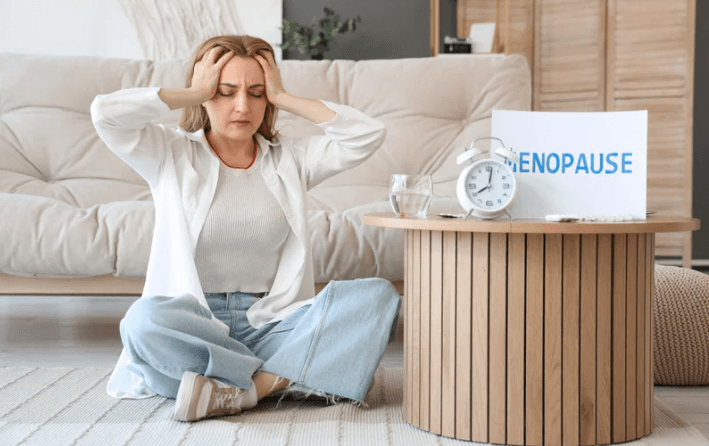
Menopause marks a significant milestone in a person’s life. Understanding its duration helps individuals prepare for the physical and emotional changes that come with aging, highlighting the importance of women’s health throughout this journey.
Definition of Menopause
Menopause is defined as the point in time when a person has gone 12 consecutive months without a menstrual period. It typically occurs around the age of 52 but can differ from person to person. Once menopause occurs, it lasts for the rest of a person’s life. The hormonal changes during this period can cause a range of symptoms, both physical and emotional. X-rays may sometimes be used to assess bone density, as menopause can increase the risk of osteoporosis. Treatments such as hormone therapy, medication, and lifestyle adjustments are available to manage these symptoms.
Duration Variability
Menopause is a unique experience for each individual, with various factors affecting how long it lasts. The duration can range from a few years to more than a decade, influenced by genetic, lifestyle, and health factors.
Length of Perimenopause
Perimenopause is the phase before menopause, marked by changing hormone levels and unpredictable menstrual patterns. It may start up to 10 years before entering menopause. On average, perimenopausal symptoms last around four years, but this can vary widely among individuals. During this time, symptoms such as hot flashes, mood swings, and irregular periods are common and may begin to ease as menopause approaches.
Postmenopausal Symptoms
After reaching menopause, an individual enters the postmenopausal stage. This phase lasts for the rest of their life. While some women may experience a continuation of menopausal symptoms during postmenopause, for most, the frequency and intensity of symptoms decrease over time. These symptoms might persist for 4 to 5 years but tend to diminish gradually.
Longevity of Hot Flashes
Hot flashes are one of the most common and persistent symptoms during and after the transition to menopause. They are sudden feelings of warmth, often accompanied by sweating and redness. According to a 2012 study, moderate to severe hot flashes can last for a median of 10.2 years, extending beyond perimenopause. This duration is longer than the previously accepted timeframe, indicating that these symptoms can be a long-term challenge for many.
Menopause, once it occurs, lasts for the rest of an individual’s life. Postmenopausal women often notice an easing or complete disappearance of symptoms over time. However, understanding that symptoms can persist and may vary greatly among different individuals is key for proper management and support.
Lifelong Impact of Menopause
Menopause marks a significant transition in a person’s life, with various symptoms and lifestyle adjustments impacting their daily routines. Understanding the lifelong impacts can help better manage this natural phase.
Menopausal Symptoms
As menopause transitions into postmenopause, many people in the senior age bracket find that symptoms such as hot flashes, night sweats, and mood swings persist but gradually diminish. While the average duration of these symptoms is around seven years, it can extend longer for some. Understanding how menopause unfolds in this stage of life helps women manage their health with greater confidence.

Lifestyle Adjustments
Life after menopause isn’t vastly different from life during the reproductive years, but it entails specific lifestyle adjustments to manage symptoms and maintain health. Individuals may need to incorporate practices like regular exercise, a balanced diet, and stress management techniques into their routines. These adjustments help mitigate menopausal symptoms and reduce the risk for health issues such as osteoporosis and cardiovascular diseases.
Importance of Healthcare Provider
The role of a healthcare provider is paramount in managing menopause. It is essential to report menopausal symptoms during healthcare visits, especially if symptoms are severe or persist more than five years after the last menstrual period. Healthcare providers can offer effective treatments such as hormone therapy, non hormonal medications, and recommend lifestyle changes that help alleviate symptoms.
Regular check-ups and open communication with healthcare providers enable timely assessments and interventions. This proactive approach not only helps in managing menopausal symptoms but also in monitoring bone health and assessing cardiovascular risks.
Understanding the symptoms, making lifestyle adjustments, and seeking medical advice, individuals can navigate menopause more comfortably and maintain an overall healthy lifestyle.
Managing Menopausal Symptoms
Menopause is a natural part of aging, but the symptoms that accompany it can be challenging to manage. From hormone therapy to lifestyle adjustments, there are several ways to alleviate these symptoms and improve quality of life.
Hormone Therapy
Hormone therapy (HT) is one of the most effective treatments for managing menopausal symptoms. HT involves the use of estrogen or a combination of estrogen and progesterone to replace the hormones the body no longer produces. This treatment can relieve symptoms such as hot flashes, night sweats, and vaginal dryness.
Hormone Therapy: Estrogen Therapy
- Benefits – Reduces hot flashes, aids in vaginal health
- Risks – Increased risk of blood clots, stroke
Hormone Therapy: Combination Therapy (Estrogen + Progesterone)
- Benefits – Relieves multiple symptoms, improves bone health
- Risks – Increased risk of breast cancer, heart disease
Nonhormonal Treatments
For those who prefer not to use hormones, there are various nonhormonal treatments available. These treatments focus on lifestyle changes, medication, and support systems to help manage symptoms.
1. Lifestyle Changes
- Regular Exercise: Helps reduce symptoms like anxiety and insomnia.
- Balanced Diet: Maintains overall health and reduces hot flash triggers.
- Hydration: Drinking plenty of water can help manage body temperature.
2. Avoiding Triggers
- Hot and Spicy Foods: Can cause hot flashes.
- Stress Reduction: Practices like meditation and yoga can alleviate symptoms.
3. Support Groups
- Joining menopause support groups can provide emotional support and practical advice.
Lifestyle Changes and Support
Adopting certain lifestyle changes can significantly help manage menopausal symptoms. These changes not only help in symptom relief but also contribute to overall well-being during and after menopause.
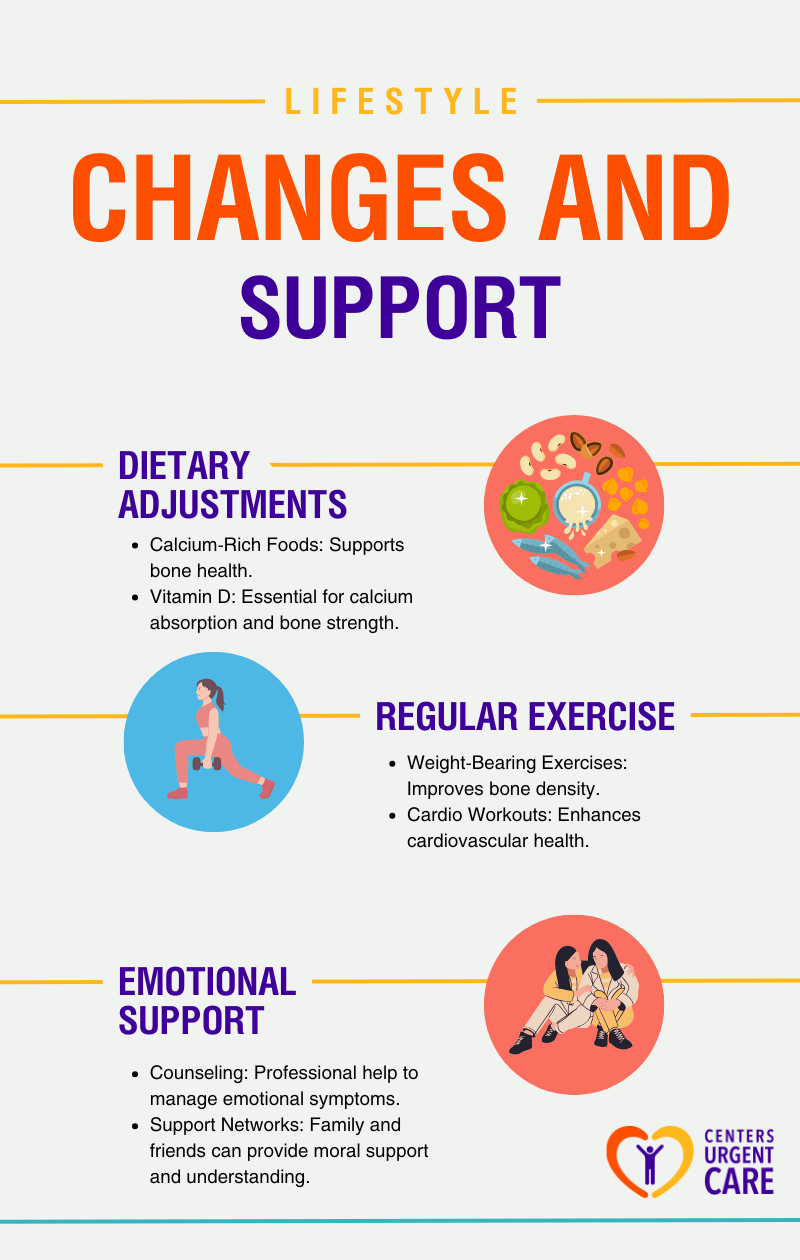
Understanding and utilizing these various methods, individuals can effectively manage the symptoms of menopause and improve their quality of life during this transition.
Seeking professional assistance, individuals can gain a deeper understanding of their menopausal journey and receive the support they need to manage symptoms effectively. This proactive approach ensures they remain healthy, active, and confident throughout and after this stage of life. At Centers Urgent Care, we provide fast, high-quality urgent care in New York for children and adults, including compassionate support for women navigating menopause. If you’re in need of reliable care, contact us today to learn more about how we can help. We proudly serve communities seeking trusted home care!
Sources:
2025 has changed my life. I never believed I would be cured by a spell caster who specializes in herbal cure and magical spells. I am talking about the help Doctor Odunga gave to me. I have been cured of herpes HPV which has plagued me for over 2 years. I am very happy to tell others that if you want to be cured or get your ex back spells and get pregnant naturally, even financial blessing through lottery, there is only one place to be and that is with Dr Odunga Spell Temple. Am so happy that just 3 days after taking DR ODUNGA Herbal treatments my herpes was cured permanently. DR ODUNGA also have cure to #HIV #Diabetes #Lupus #Tinnitus #Fibroid #Cancer #Hepatitis B, #Syphilis #Infertility etc … If you have this ailment or whatsoever you might be suffering from you should contact him at his EMAIL: odungaspelltemple@gmail.com OR VIA Whats App +2348167159012