

Digital radiography is an advanced imaging technique that has revolutionized medical diagnostics. Unlike traditional film-based radiography, which relies on photographic film to capture X-rays, digital radiography uses digital sensors to produce high-quality images.
This shift to digital technology offers numerous advantages, such as quicker image acquisition, enhanced image quality, and easier sharing of results among healthcare providers. In this article, we will explore the technology behind digital radiography, its various benefits, its broad applications, and what the future holds for this transformative field.
The Technology Behind Digital Radiography
Digital radiography (DR) functions by capturing X-ray images using electronic sensors, rather than conventional X-ray films. These sensors can be either a charge-coupled device (CCD) or a flat-panel detector. These systems convert the X-rays that pass through the body into electrical signals, which are then processed to create an image displayed on a computer screen.

Advantages of Digital Radiography
Digital radiography has transformed the medical imaging field, offering several significant advantages over traditional film-based methods. Let’s take a closer look at some of the most notable benefits of DR.
Faster Image Acquisition and Processing
One of the primary advantages of digital radiography is the significantly faster image acquisition process. Unlike traditional film radiography, where images need to be developed and processed manually, digital images are available almost instantly on a computer screen. This speed improves workflow in medical facilities and allows healthcare professionals to diagnose conditions more rapidly, leading to quicker decision-making and treatment planning.
Enhanced Image Quality
Digital radiography offers superior image quality compared to film-based radiography. With digital sensors, images can be captured at a higher resolution, providing greater clarity and detail. Additionally, digital images can be enhanced using software to improve contrast, brightness, and sharpness, which makes it easier to detect abnormalities such as fractures, tumors, or infections.
Reduced Radiation Exposure
Digital radiography systems can capture high-quality images with less radiation than traditional X-ray methods. Digital detectors are more sensitive to X-rays, allowing for lower exposure levels while still maintaining image clarity. This reduction in radiation exposure is crucial for patient safety, especially in populations that require frequent imaging, such as children or individuals undergoing follow-up tests.
Easy Image Storage and Sharing
With traditional film radiography, physical storage space was required to house X-ray films, which could be cumbersome and inefficient. In contrast, digital images are stored electronically and can be easily archived, retrieved, and shared. This improves the efficiency of healthcare facilities by allowing easy access to previous images for comparison and faster sharing of images with specialists for consultation.
Cost-Effectiveness in the Long Run
While the initial setup cost for digital radiography systems can be higher than traditional X-ray machines, digital systems can be more cost-effective in the long run. There are no ongoing costs associated with film, chemicals, or manual processing, and the efficiency improvements allow healthcare providers to save time and reduce operational costs.
Applications of Digital Radiography
Digital radiography has a wide range of applications in medical imaging. It is used across various specialties to aid in the diagnosis and monitoring of numerous health conditions. Let’s explore some of the key applications of DR in healthcare.
Orthopedic Imaging
Digital radiography is commonly used in orthopedics to assess bone fractures, joint abnormalities, and conditions like arthritis. Its ability to provide high-resolution images quickly is particularly beneficial in emergency settings where the rapid diagnosis of bone injuries is crucial.
Dental Radiography
In dentistry, digital radiography has become the standard for capturing detailed images of the teeth, gums, and jawbone. DR allows dentists to quickly detect cavities, assess bone health, and plan treatments like implants or root canals. Digital dental radiographs also reduce the amount of radiation exposure compared to traditional X-rays, making them safer for patients.
Chest and Lung Imaging
Digital radiography plays a vital role in chest imaging, where it is used to diagnose conditions such as pneumonia, tuberculosis, lung cancer, and chronic obstructive pulmonary disease (COPD). The clear, detailed images produced by digital systems help clinicians detect subtle changes in lung tissue, enabling timely diagnosis and treatment.
Mammography
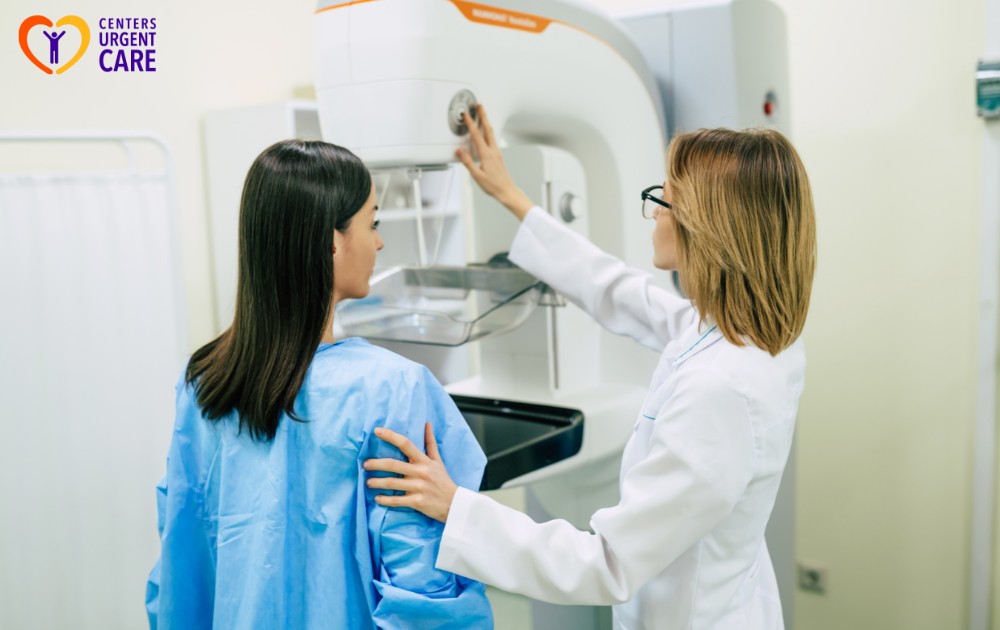
Digital mammography has become a crucial tool for the early detection of breast cancer. Compared to traditional film mammography, digital mammography offers improved image clarity, which allows for the detection of smaller or less noticeable tumors. This increased accuracy contributes to better breast cancer screening and improved patient outcomes.
Veterinary Medicine
Digital radiography is also widely used in veterinary medicine. Vets use DR systems to assess fractures, detect tumors, and diagnose other medical conditions in pets and livestock. Just as in human medicine, digital systems in veterinary settings offer the advantage of faster image processing, reducing stress on animals during diagnostic procedures.
Challenges and Limitations of Digital Radiography
While digital radiography offers numerous benefits, it is not without its challenges. There are certain limitations and obstacles that need to be addressed for further improvement and wider adoption of DR technology.
Initial Setup Cost
The upfront investment required for purchasing digital radiography systems can be a significant barrier for smaller healthcare facilities or clinics. Although the long-term savings are substantial, the initial cost of purchasing the equipment and training staff can be prohibitive for some providers.
Technological Training and Adaptation
For medical professionals accustomed to traditional film-based radiography, transitioning to digital systems may require extensive training and adaptation. Learning how to interpret digital images, operate new software, and use advanced imaging tools can take time and effort.
Data Security and Privacy Concerns
As digital radiography systems store and transmit images electronically, there are concerns about data security and patient privacy. Healthcare providers must ensure that their systems are compliant with regulations such as HIPAA (Health Insurance Portability and Accountability Act) to protect sensitive patient information.
Image Interpretation Variability
While digital images offer enhanced clarity, the interpretation of these images is still subject to human error. Radiologists and other medical professionals must have the expertise to correctly analyze digital radiographs and make accurate diagnoses. Over-reliance on technology without sufficient skill could lead to diagnostic mistakes.
The Future of Digital Radiography
Digital radiography continues to evolve with technological advancements. As the healthcare industry pushes toward greater precision and efficiency, several trends are shaping the future of DR.
Artificial Intelligence and Machine Learning Integration
One of the most exciting developments in digital radiography is the integration of artificial intelligence (AI) and machine learning. These technologies have the potential to assist radiologists by automatically detecting abnormalities and suggesting possible diagnoses based on image analysis. This could significantly reduce the time required for image interpretation and improve diagnostic accuracy.
Portable and Mobile Systems
The future of digital radiography includes the development of more portable and mobile systems. Handheld X-ray devices and lightweight detectors are already being used in settings like emergency rooms, intensive care units, and even in remote areas where access to traditional X-ray machines may be limited. This trend is expected to expand, enabling faster, more accessible imaging.
Enhanced Image Quality
Ongoing advancements in sensor technology will likely continue to improve the resolution and clarity of digital radiographs. As sensors become more sensitive, they will allow for even lower radiation exposure while maintaining or enhancing image quality. This progress will continue to make DR a safer and more effective diagnostic tool.
Integration with Other Imaging Modalities
Another exciting trend is the integration of digital radiography with other imaging modalities, such as magnetic resonance imaging (MRI) and computed tomography (CT). By combining various imaging techniques, healthcare providers can obtain more comprehensive views of a patient’s condition, improving diagnostic accuracy and treatment planning.
Digital radiography represents a major advancement in medical imaging, providing faster, clearer, and safer alternatives to traditional X-ray techniques. This cutting-edge technology is transforming healthcare, with applications spanning from dental to orthopedic imaging. As digital systems advance, they are becoming indispensable tools for improving patient care. At Centers Urgent Care, we stay at the forefront of these innovations, offering fast, high-quality urgent care services in NYC, for children and adults. If you’re looking for urgent care centers, contact us today to learn how our expertise in digital radiography and patient-focused care can support your health and well-being!
Sources:
2025 has changed my life. I never believed I would be cured by a spell caster who specializes in herbal cure and magical spells. I am talking about the help Doctor Odunga gave to me. I have been cured of herpes HPV which has plagued me for over 2 years. I am very happy to tell others that if you want to be cured or get your ex back spells and get pregnant naturally, even financial blessing through lottery, there is only one place to be and that is with Dr Odunga Spell Temple. Am so happy that just 3 days after taking DR ODUNGA Herbal treatments my herpes was cured permanently. DR ODUNGA also have cure to #HIV #Diabetes #Lupus #Tinnitus #Fibroid #Cancer #Hepatitis B, #Syphilis #Infertility etc … If you have this ailment or whatsoever you might be suffering from you should contact him at his EMAIL: odungaspelltemple@gmail.com OR VIA Whats App +2348167159012