
Wellness Tips from Josef Schenker, MD
Welcome to our Wellness Tips blog series, brought to you by Dr. Josef Schenker, the Medical Director at Centers Urgent Care. In this series, Dr. Schenker shares his extensive knowledge and experience in internal medicine and emergency medical services, including folliculitis treatment and prevention, to help you lead a healthier life.
Dr. Schenker will cover a range of crucial health topics, offering expert advice on how to avoid common ailments. With a focus on prevention and practical tips, each blog post is designed to empower you with the information you need to make informed decisions about your health and well-being.
How to Manage Allergic Rhinitis (Hay Fever)
Allergic rhinitis, often called hay fever, makes simple things like opening a window or walking past a park trigger sneezing and congestion. In 2021, about 81 million people in the United States were diagnosed with seasonal allergic rhinitis, including roughly 26% of adults and 19% of children. In this guide, Dr. Josef Schenker walks through symptoms, causes, and practical steps that help you manage allergic rhinitis at home and know when to seek care.
Dr. Josef Schenker Explains the Symptoms of Allergic Rhinitis
Allergic rhinitis symptoms start when the nose and nearby tissues react to airborne allergens. Typical signs show up in the nose, eyes, and sometimes the throat or ears. Josef Schenker, MD notes that many patients confuse allergic rhinitis with a lingering cold, so knowing the usual pattern helps you tell them apart earlier. Common symptoms of allergic rhinitis include:
- Sneezing in bursts: Many people describe several sneezes in a row, especially after going outdoors or being around dust or pets.
- Runny or stuffy nose: Clear, watery drainage often runs from the nose. Some patients feel more blocked than runny, especially at night.
- Itchy nose, eyes, or throat: Itch is a key sign. The bridge of the nose, the inside of the nose, the inner corners of the eyes, or the roof of the mouth can all feel itchy.
- Red, watery eyes: Allergic conjunctivitis often accompanies allergic rhinitis, leading to tearing, redness, and burning or itching in both eyes.
- Postnasal drip and throat clearing: Mucus draining down the back of the throat leads to frequent throat clearing, a “tickle,” or a dry-sounding cough that often improves with simple post nasal drip treatment at home.
- Pressure or fullness in the face: Swelling in the nasal passages and sinuses can cause a feeling of heaviness or mild pressure around the cheeks or forehead.
- Fatigue and poor sleep: Nighttime congestion, mouth breathing, and coughing can interrupt sleep and leave you tired and less focused during the day.
Not everyone will have all these symptoms. Some only have itchy, watery eyes in spring, while others deal with nasal stuffiness year-round. These symptoms tend to appear soon after exposure and can affect work, school, and daily life if not well managed.

What Is Allergic Rhinitis?
Allergic rhinitis is an inflammatory reaction in the nose that starts when the immune system overreacts to harmless airborne particles such as pollen, dust mites, pet dander, or mold spores. The body makes immunoglobulin E (IgE) antibodies to these allergens, which then trigger the release of histamine and other chemicals that cause swelling, itching, and mucus production.
According to Dr. Josef Schenker, understanding that allergic rhinitis is an IgE-mediated allergy, not an infection, helps patients see why antibiotics do not fix it and why trigger control and allergy medicines play a central role. Evidence from large reviews shows that allergic rhinitis is one of the most common chronic conditions worldwide and affects both quality of life and productivity.
The condition usually falls into two main types:
- Seasonal allergic rhinitis (hay fever): Symptoms flare during specific pollen seasons, such as tree pollen in spring, grass pollen in late spring or summer, or weed pollen in late summer and fall.
- Perennial allergic rhinitis: Symptoms occur year-round and usually relate to indoor allergens such as dust mites, pet dander, and indoor mold, so it often feels similar to the congestion described when people compare allergies vs sinusitis.
Worldwide, allergic rhinitis affects an estimated 10–30% of the population, with up to 60 million people affected in the United States alone.
Can You Stop Allergic Rhinitis?
Allergic rhinitis does not have a simple “cure,” but symptoms can be well controlled for most patients. The goal is to lower exposure to triggers, calm inflammation in the nose, and prevent complications such as sinus infections or asthma flares, so you are less likely to need sinus infection treatment or urgent breathing support. Several points help set expectations:
- Allergies tend to be long-term: Once the immune system is sensitized to an allergen, that sensitivity often remains for years. Symptoms may improve or worsen over time, but they rarely disappear overnight.
- Avoidance lowers the daily load: Reducing exposure to pollen, dust, or pet dander usually decreases symptoms. For example, high-efficiency particulate air (HEPA) filtration, dust-mite covers, and keeping windows closed on high-pollen days can help.
- Medicine controls inflammation and histamine release: Intranasal corticosteroid sprays are widely recommended as first-line therapy for persistent allergic rhinitis because they target nasal swelling and congestion. Second-generation antihistamines (like cetirizine or loratadine) help block histamine with less drowsiness than older options.
- Allergen immunotherapy changes the immune response: Allergy shots and sublingual tablets, prescribed by allergy specialists, can reduce sensitivity over several years and may lower the risk of asthma in some patients.
- Environmental management keeps results more stable: Even when medicine works well, returning to heavy exposure will usually trigger symptoms again. Consistent habits around cleaning, ventilation, and outdoor exposure help keep control more stable and help prevent sinus infections that can follow untreated allergies.
So while allergic rhinitis usually cannot be “switched off” forever, a mix of trigger control, regular nasal sprays, antihistamines, and, in some cases, immunotherapy can give strong, steady relief.
How Long Does Allergic Rhinitis Last?
The episodes of allergic rhinitis last as long as exposure to the triggering allergen continues. Josef Schenker, MD explains that the timeline depends on whether symptoms are seasonal, year-round, or related to a specific short exposure, such as raking leaves or visiting a home with pets. Typical patterns include:
- Seasonal allergic rhinitis: Symptoms often begin soon after the pollen season starts and last for weeks or months until pollen counts drop. In many regions, tree pollen peaks in spring, grass pollen in early summer, and weed pollen in late summer and fall. Climate data suggest pollen seasons have lengthened by about 20 days in North America since 1990, so some people feel “stuck” in a longer season than before.
- Perennial allergic rhinitis: Symptoms can persist year-round when indoor allergens, such as dust mites or pet dander, remain in the home. Good control often needs daily environmental steps and regular medication use.
- Short, intense exposures: A day of yard work, cleaning a dusty room, or staying in a home with several cats can trigger a strong flare that lasts for hours to several days, even after you return to a lower-exposure environment.
Once treatment and avoidance measures are in place, many patients experience significant improvement within days to a couple of weeks, especially when they use intranasal corticosteroids regularly as recommended.
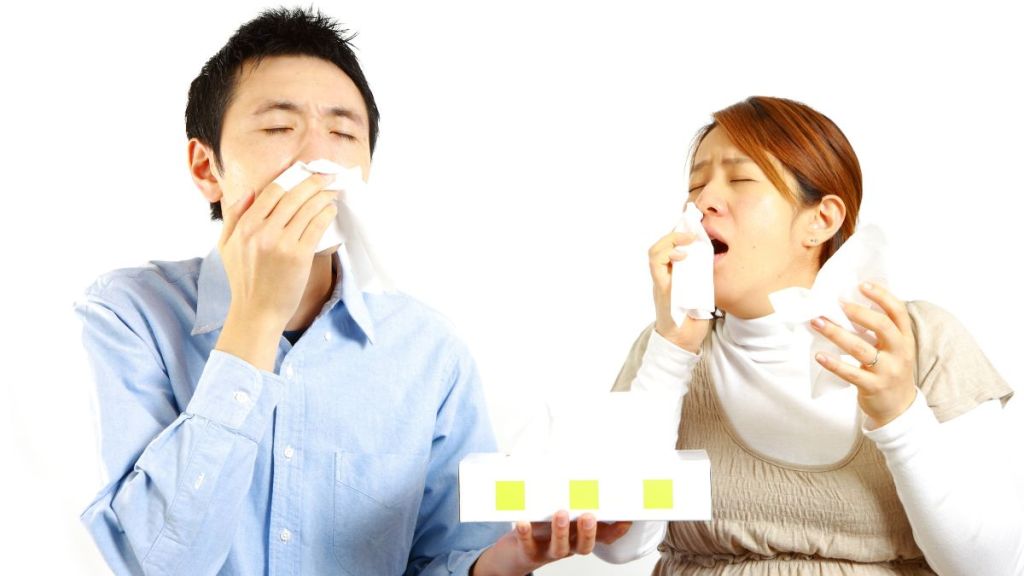
Josef Schenker, MD, Explains How to Manage Allergic Rhinitis (Hay Fever)
Management of allergic rhinitis starts with a simple plan that addresses both triggers and inflammation. As Josef Schenker points out, patients do best when they combine daily habits with the right medicine rather than relying on a single quick fix. Here are approaches commonly used to manage allergic rhinitis:
- Identify and track triggers: Notice whether symptoms flare during pollen seasons, during cleaning, with pet contact, or at the workplace.
- Reduce allergen exposure at home: Use allergen-proof covers for pillows and mattresses, wash bedding in hot water weekly, vacuum with a HEPA filter, and keep pets out of the bedroom to limit dust mites and dander.
- Use saline rinses or sprays: Rinsing the nasal passages with sterile saline or using over-the-counter saline sprays helps clear pollen and mucus and can be combined with prescription nasal medicines.
- Start intranasal corticosteroid sprays for persistent symptoms: Clinical guidelines highlight nasal steroid sprays as first-line treatment when symptoms affect sleep, school, or work. These sprays should be used daily during allergy seasons, not just on bad days.
- Add second-generation antihistamines as needed: Non-sedating antihistamine pills or nasal sprays help control sneezing, itching, and a runny nose.
- Consider additional options for congestion: Short-term use of oral or topical decongestants may be recommended for brief relief, but they should be limited to a few days to avoid rebound congestion and side effects.
- Ask about allergen immunotherapy for long-term control: Allergy shots or tablets, given under specialist care, can reduce sensitivity over time and may lower the chance of future asthma in some patients with strong seasonal or perennial allergies.
Regular follow-up with a primary care provider, allergist, or urgent care clinician helps adjust this plan over time so that allergic rhinitis remains better controlled year after year.
How to Prevent Allergic Rhinitis Flare-Ups
Preventing allergic rhinitis flare-ups focuses on practical steps that lower allergen exposure at home, at work, and outdoors. Useful strategies include:
- Monitor pollen and air quality reports: Check trusted local or national pollen forecasts during peak seasons. On high-pollen days, keeping windows closed and using air conditioning with clean filters can cut indoor pollen levels.
- Shower and change clothes after outdoor time: Pollen clings to hair, skin, and fabric. Showering and changing into clean clothes after yard work or outdoor exercise helps keep allergens out of bedding and furniture.
- Limit outdoor exposure when counts are highest: Pollen counts often peak in the morning and on dry, windy days. Planning outdoor activities for later in the day or after rainfall can lessen exposure.
- Control indoor allergens: Use dust-mite covers, wash bedding weekly in hot water, reduce clutter that gathers dust, and clean visible mold promptly with appropriate cleaning agents and ventilation.
- Use high-efficiency filters where appropriate: HEPA filters in vacuums and some air purifiers can remove airborne particles, including pollen, pet dander, and dust, especially in bedrooms and living rooms.
- Plan medicine use before allergy seasons: Starting intranasal corticosteroids or antihistamines 1–2 weeks before a known pollen season begins often leads to better control than waiting until symptoms become severe.
These steps do not eliminate allergic rhinitis, but they reduce how often symptoms flare and how intense those flares feel, especially when paired with ongoing medical treatment for both nasal allergies and other forms of allergic reaction.
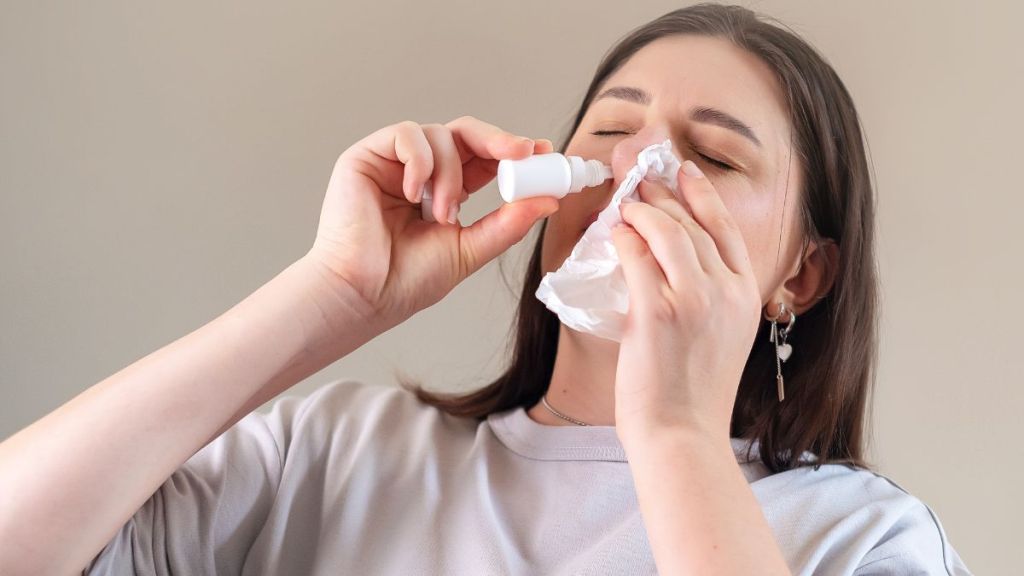
What to Do if Someone Has Allergic Rhinitis Symptoms
The main goal during an allergic rhinitis flare is to relieve symptoms, reduce exposure, and watch for signs of complications such as sinus infection or asthma. Josef Schenker emphasizes that early, steady care helps prevent repeated sick days and sleepless nights. Helpful steps include:
- Move away from known triggers when possible: If symptoms worsen around grass cutting, strong dust, or pets, stepping into a cleaner indoor space can help the nose settle.
- Rinse the nose and eyes: Saline nasal sprays or rinses and artificial tears can wash out allergens and soothe irritation. Always use sterile or distilled water for nasal rinses to ensure safety.
- Use over-the-counter allergy medicines as directed: Second-generation antihistamines and intranasal steroid sprays can be used according to package or clinician instructions. Avoid overusing decongestant nasal sprays, since they can worsen congestion if used for more than a few days.
- Watch for breathing and sinus symptoms: Wheezing, chest tightness, shortness of breath, or severe sinus pain with fever may signal asthma or a sinus infection and should be evaluated by a clinician, especially if simple steps from basic asthma attack first aid do not ease symptoms.
- Support children at school or daycare: Let teachers know about the allergy, send any prescribed medicines as allowed, and coordinate plans if symptoms spike during outdoor activities.
Most mild cases can be managed at home, but medical care is important when symptoms keep returning, interfere with sleep or school, or seem linked with asthma. When you need a same-day evaluation for persistent nasal allergies, Centers Urgent Care offers convenient walk-in visits across New York City. Clinicians can check whether symptoms are due to allergic rhinitis, sinus infection, or another condition and start prescription sprays, pills, or referrals as needed.
Josef Schenker, MD, Answers Frequently Asked Questions
What is the difference between allergic rhinitis and the common cold?
The main difference between allergic rhinitis and the common cold is in their causes and duration. Allergic rhinitis is triggered by allergens and causes itchy eyes, clear mucus, and seasonal flares, while colds are viral, cause a sore throat and thicker mucus, and resolve in about a week.
Can allergic rhinitis lead to sinus infections or asthma?
Yes, allergic rhinitis can lead to sinus infections and asthma. Ongoing nasal inflammation may block sinus drainage, increasing sinusitis risk. People with allergic rhinitis also have higher odds of developing asthma. Managing nasal allergies often improves asthma control and reduces the risk of asthma flare-ups.
What allergy tests can help find my allergic rhinitis triggers?
Allergy tests for allergic rhinitis include skin prick tests and blood tests that measure IgE antibodies. Skin tests look for raised, itchy bumps at exposure sites, while blood tests measure IgE levels to specific allergens. Results are interpreted in light of your symptom history for accuracy.
What treatments are available if over-the-counter allergy medicine doesn’t work?
If over-the-counter allergy medicine doesn’t work, doctors may prescribe stronger steroid or combination nasal sprays, add medicines like leukotriene receptor antagonists, or recommend allergen immunotherapy with shots or tablets. An allergy or ENT specialist can create a tailored treatment plan.
When should I go to urgent care for an allergic rhinitis flare-up?
Go to urgent care for allergic rhinitis if symptoms disrupt sleep or daily function, don’t improve with over-the-counter treatment, or if you’re unsure whether it’s allergies, a sinus infection, or something else. Seek care urgently for wheezing, shortness of breath, or facial pain with fever.

Breathe Easier: Take Control of Allergic Rhinitis
Allergic rhinitis, or hay fever, is common, but it does not have to control your days. By understanding triggers, using evidence-based medicines like nasal steroid sprays and antihistamines, and making simple changes at home, many adults and children see real improvement in congestion, sneezing, and itchy eyes.
If you need timely care for stubborn nasal allergies, an urgent care facility in New York can offer fast access to evaluation and treatment without a long wait. At Centers Urgent Care, Dr. Josef Schenker leads a team that recently earned accreditation from the Urgent Care Association for all 12 New York City locations, reflecting a strong focus on quality and safety in everyday care.
Whether you need help sorting out symptoms, adjusting medicines, or checking for related issues like sinus infection or asthma, walk-in visits are available across the city. Locate a Centers Urgent Care near you.

About Josef Schenker, MD:
Dr. Josef Schenker, a board-certified expert in internal medicine and emergency medical services, brings extensive experience and compassion to his role as Medical Director and Partner at Centers Urgent Care. With leadership in SeniorCare Emergency Medical Services and as an Attending Physician at New York-Presbyterian Brooklyn Methodist Hospital, Dr. Schenker oversees critical care and treatment protocols across varied medical needs. His dedication extends to chairing NYC REMAC, ensuring adherence to state standards in emergency medical procedures. At Centers Urgent Care, Dr. Schenker's expertise ensures prompt, high-quality emergency care for patients of all ages, supported by state-of-the-art facilities including a dedicated pediatric suite.