Wellness Tips from Josef Schenker, MD
Welcome to Wellness Tips, a blog series featuring trusted health guidance from Dr. Josef Schenker, Medical Director at Centers Urgent Care. With a deep background in both internal medicine and emergency care, Dr. Schenker brings real-world insight to everyday health challenges.
This series dives into important health topics with an emphasis on prevention, early action, and simple strategies to stay well. Each post is thoughtfully crafted to give you the tools and confidence to make smart, informed choices about your health—no matter where you are on your wellness journey.
Anemia Treatment
Anemia affects approximately 3 million people in the United States. It’s especially prevalent in women of childbearing age, older adults, and individuals with chronic conditions. And while it may sound like a minor issue to some, untreated anemia can significantly impact your daily life—causing fatigue, shortness of breath, and even heart complications over time.
Anemia is manageable—and in many cases, treatable—when diagnosed properly and addressed early. Recognizing the signs and getting professional care makes all the difference. That’s where trusted guidance from a knowledgeable physician like Dr. Josef Schenker becomes invaluable.
Dr. Josef Schenker Explains What is Anemia
Anemia happens when your body doesn’t have enough healthy red blood cells to carry adequate oxygen to your tissues. This can leave you feeling tired, weak, and even lightheaded—symptoms that can easily be mistaken for general fatigue or stress. But, according to Josef Schenker, MD, anemia is more than just feeling a little off—it can signal underlying problems that require medical attention.
Types of Anemia and What Causes Them
- Iron-Deficiency Anemia
This is the most common type, often caused by blood loss, poor diet, or poor iron absorption. It’s especially common in women due to menstruation or pregnancy. - Vitamin-Deficiency Anemia (including B12 or Folate Deficiency)
When your body lacks essential vitamins like B12 or folate, it can’t produce enough healthy red blood cells. This can stem from poor nutrition or absorption issues. - Aplastic Anemia
A rare but serious condition where the body stops producing enough blood cells due to damage in the bone marrow. Causes may include autoimmune disorders, certain medications, or infections. - Hemolytic Anemia
Occurs when red blood cells are destroyed faster than they can be made. This can be due to genetic conditions, autoimmune diseases, or infections. - Sickle Cell Anemia
A hereditary form of anemia where red blood cells are misshapen and break down easily. This condition mostly affects individuals of African, Mediterranean, or Middle Eastern descent. - Anemia of Chronic Disease
Chronic conditions like kidney disease, cancer, or inflammatory disorders can interfere with the body’s ability to produce red blood cells.

Josef Schenker, MD, Explains How Anemia is Treated
Diagnosing anemia typically starts with a complete blood count (CBC)—a simple blood test that checks your red blood cell levels. If your numbers are lower than normal, your provider may follow up with additional tests to measure iron, vitamin B12, and folate levels. In certain cases, tests that evaluate how your bone marrow is functioning might also be needed. Dr. Josef Schenker explains that once your doctor understands what type of anemia you have and what’s causing it, they can personalize a treatment plan to meet your body’s needs.
Iron Supplements
Iron-deficiency anemia is the most common type, and it’s often treated with iron supplements in tablet or liquid form. These help your body rebuild its iron stores so it can produce healthy red blood cells again. They’re usually taken with food to minimize side effects like nausea, and your doctor might suggest pairing them with vitamin C to boost absorption.
Improvement can take a few weeks to months, depending on the severity of the deficiency. Regular follow-ups help ensure your levels are improving, and adjustments can be made along the way to avoid long-term complications or continued fatigue.
Vitamin Therapy
If your anemia is caused by a deficiency in vitamin B12 or folate, treatment usually begins with daily oral supplements. In more severe cases—especially when absorption is impaired—vitamin B12 injections may be recommended.
Many people start feeling better within a few weeks, often noticing more energy and sharper focus. Your doctor will monitor your levels to make sure the treatment is effective and determine if you’ll need long-term supplementation.
Dietary Changes
What you eat plays a big role in managing anemia. Iron-rich foods like red meat, leafy greens, eggs, beans, and fortified cereals can help your body replenish what it’s missing. Adding vitamin C-rich foods like oranges or bell peppers can also enhance iron absorption.
If your anemia stems from low B12 or folate, include foods like dairy, eggs, fortified grains, and dark green vegetables. In some cases, working with a dietitian can help you create a sustainable, anemia-friendly meal plan tailored to your preferences.
Treating Underlying Conditions
Sometimes anemia isn’t the main issue—it’s a symptom of another health problem like kidney disease, chronic inflammation, cancer, or autoimmune disorders. In these cases, treating the underlying condition is essential to improving anemia.
For example, people with chronic kidney disease often benefit from medications that stimulate red blood cell production. A full evaluation helps your doctor identify the root cause and build a treatment plan that addresses both the anemia and its source.
Blood Transfusions
In urgent or severe cases of anemia—especially when red blood cell levels are dangerously low—a blood transfusion may be needed. This can provide quick relief, especially if you’re dealing with symptoms like shortness of breath, chest pain, or extreme fatigue.
Transfusions are typically used in emergencies or when other treatments haven’t worked fast enough. Most patients feel significantly better within hours to a day, but this option is generally reserved for more serious situations.
Medications
Some forms of anemia require more advanced treatments like medications. Erythropoiesis-stimulating agents (ESAs) are often used when the body isn’t making enough red blood cells—common in people with kidney disease or those undergoing chemotherapy.
Other medications, like corticosteroids or immunosuppressants, may be used in autoimmune-related anemia. Your treatment plan will depend on the specific cause and severity of your condition, and your provider will closely monitor how your body responds.
Bone Marrow Transplants
For rare and severe types of anemia, such as aplastic anemia or sickle cell disease, a bone marrow transplant may offer the only path to long-term recovery. This procedure replaces damaged marrow with healthy stem cells from a donor.
While it’s a complex and intensive treatment, it can be life-changing for certain individuals. It’s typically reserved for cases where other treatments haven’t been successful and is handled by specialized medical teams in advanced care settings.
Josef Schenker, MD emphasizes that no matter what type of anemia you’re dealing with, your care should be personalized, thoughtful, and guided by a trusted medical professional. Whether your anemia is mild or more severe, you deserve to understand your options and feel confident about your treatment journey.

Josef Schenker, MD, Answers Frequently Asked Questions:
Yes. While anemia may seem mild at first, untreated cases can become serious and lead to complications like heart problems, organ damage, or developmental delays in children. That’s why recognizing symptoms and seeking timely treatment is essential for long-term health.
Yes, in many cases. Some forms of anemia—such as those caused by iron or vitamin deficiency—can be completely cured with proper treatment and diet changes. However, chronic or genetic types may require ongoing management to control symptoms and prevent complications.
Yes, many types of anemia can be prevented through a balanced diet rich in iron, vitamin B12, and folate, along with regular health checkups. Managing chronic conditions and avoiding habits that impair nutrient absorption also play a key role in prevention.
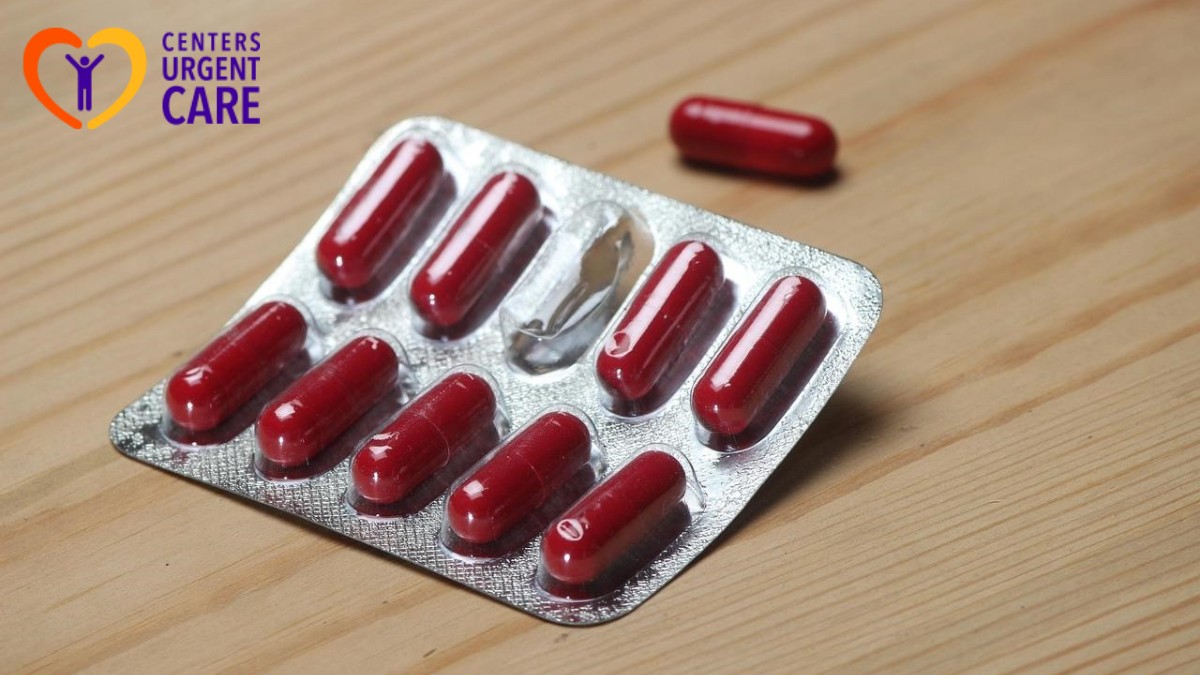
Overcome Anemia: Start Treatment Today
Anemia can sneak up slowly but take a serious toll over time. The sooner you get evaluated, the sooner you can start feeling better. With proper diagnosis, treatment, and a few lifestyle changes, you can get back to feeling more like yourself again.
At Centers Urgent Care, we make that process easier. With multiple locations across New York, our experienced team—led by Dr. Josef Schenker—is ready to provide expert care tailored to your needs. Whether you’re looking for quick relief or long-term management, we’re here to support you every step of the way. Let us help you take the first step toward better health today.

About Josef Schenker, MD:
Dr. Josef Schenker, a board-certified expert in internal medicine and emergency medical services, brings extensive experience and compassion to his role as Medical Director and Partner at Centers Urgent Care. With leadership in SeniorCare Emergency Medical Services and as an Attending Physician at New York-Presbyterian Brooklyn Methodist Hospital, Dr. Schenker oversees critical care and treatment protocols across varied medical needs. His dedication extends to chairing NYC REMAC, ensuring adherence to state standards in emergency medical procedures. At Centers Urgent Care, Dr. Schenker's expertise ensures prompt, high-quality emergency care for patients of all ages, supported by state-of-the-art facilities including a dedicated pediatric suite.