
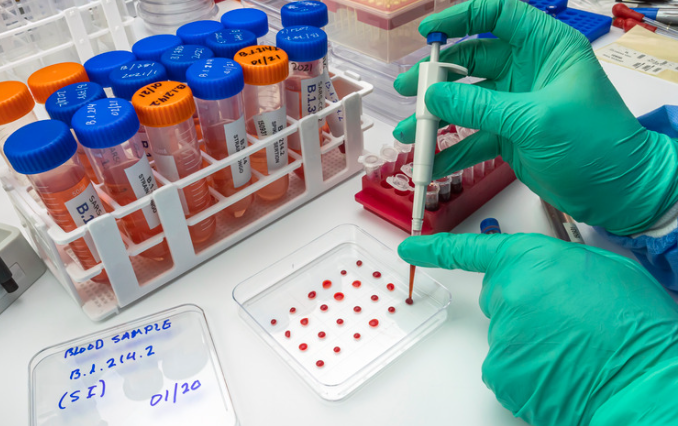
Regarding diagnostic testing, antibody blood tests play a vital role in assessing immune response and detecting infections. Understanding the basics of antibody blood tests is essential for individuals seeking medical insights into their health status.
What Are Antibody Blood Tests?
Antibody blood tests, also known as serology tests, are diagnostic tests that detect specific antibodies produced by the immune system in response to pathogens such as viruses, bacteria, or other foreign substances. These tests help healthcare providers in urgent care settings identify past or current infections in an individual by measuring the presence of antibodies in the blood.
The antibodies detected in these tests are designed to target and neutralize specific antigens associated with the infectious agent. By measuring antibody levels, healthcare professionals can gain insights into an individual’s immune response and potential exposure to various diseases.
How Antibody Tests Differ From Other Diagnostic Tests
Unlike other diagnostic tests that directly detect the presence of the virus or bacteria, antibody blood tests focus on identifying the immune response to these pathogens. This distinction is crucial as antibody tests can provide information about past infections, immunity status, and vaccine effectiveness.
While molecular tests like PCR assays are used to directly detect the genetic material of the pathogen, antibody blood tests offer a different perspective by evaluating the body’s immune response. By measuring the presence and levels of antibodies in the blood, healthcare providers can determine whether an individual has been exposed to a particular pathogen and if their immune system has mounted a response.
In summary, antibody blood tests serve as complementary tools to traditional diagnostic tests, offering valuable insights into an individual’s immune status and infection history. Understanding the role of antibody tests in the diagnostic process can empower individuals to make informed decisions about their health and well-being.

The Benefits of Antibody Blood Tests
Antibody blood tests provide valuable insights into one’s immune system and overall health. These tests offer several key benefits, including early detection of infections, monitoring immune response, and assessing vaccination effectiveness.
Early Detection of Infections
Antibody blood tests play a crucial role in the early detection of infections. By measuring the presence of specific antibodies in the blood, healthcare providers can identify whether an individual has been exposed to a particular pathogen. This early detection allows for timely treatment, reducing the risk of complications and the spread of infectious diseases.
Monitoring Immune Response
Monitoring the immune response is another significant benefit of antibody blood tests. These tests can help healthcare professionals assess how effectively the immune system is responding to a specific infection or vaccination. By tracking changes in antibody levels over time, doctors can gauge the body’s immune response and tailor treatment plans accordingly.
Assessing Vaccination Effectiveness
Antibody blood tests are instrumental in assessing the effectiveness of vaccinations. By measuring antibody levels post-vaccination, healthcare providers can determine whether the individual has developed sufficient immunity against a particular disease. This information is vital in evaluating the success of vaccination campaigns and identifying individuals who may require additional doses for optimal protection.
Antibody blood tests offer a comprehensive view of an individual’s immune health, enabling healthcare providers to make informed decisions regarding treatment, preventive measures, and overall wellness. By understanding the benefits of these tests, individuals can take proactive steps to protect their health and well-being.
Common Antibody Blood Tests
Regarding antibody blood tests, there are several common tests that are frequently utilized to diagnose specific infections or diseases. Understanding the purpose and significance of these tests can provide valuable insights into one’s health status. Below are three prevalent antibody blood tests:
Hepatitis Antibody Test
The hepatitis antibody test is used to identify antibodies associated with hepatitis infections, including hepatitis A, B, and C. These infections can have serious implications for liver health, making early detection crucial for effective treatment.
This test helps healthcare providers assess whether an individual has been exposed to the hepatitis virus in the past. A positive result indicates past infection or immunity, while a negative result may suggest susceptibility to the virus.
HIV Antibody Test
The HIV antibody test is utilized to detect antibodies specific to the human immunodeficiency virus (HIV). Early detection of HIV is vital for timely intervention and management of the infection. This test helps in diagnosing HIV infection and monitoring the progression of the disease.
A positive result on the HIV antibody test indicates the presence of HIV antibodies in the blood, signaling an HIV infection. On the other hand, a negative result may indicate either the absence of infection or early stages of the infection, requiring further testing for confirmation.
Interpreting Test Results
Regarding antibody blood tests, interpreting the results is crucial in understanding your health status and immune response. Positive and negative results can provide valuable insights into your body’s interactions with specific pathogens or vaccines, leading to appropriate follow-up steps.

Positive Results
A positive result from an antibody blood test indicates the presence of antibodies in your blood, suggesting that your immune system has encountered the specific pathogen or antigen being tested for. This can have several implications:
- Immunity– Positive results may indicate that your body has successfully fought off an infection or that you have developed immunity through vaccination.
- Active Infection– In some cases, a positive result might suggest an active infection, especially if the antibody is specific to a current or recent pathogen.
- Recent Exposure– Positive results could also mean recent exposure to the pathogen, with the immune system mounting a response.
If you receive a positive result, it’s important to consult with a healthcare provider for further evaluation and guidance on potential next steps, such as additional testing, treatment, or preventive measures.
Negative Results
Conversely, a negative result from an antibody blood test indicates the absence of detectable antibodies in your blood against the targeted pathogen or antigen. This interpretation can have various implications as well:
- Lack of Immunity – Negative results may suggest that your immune system has not encountered the specific pathogen, leading to a lack of immunity against it.
- Early Infection – If testing for a recent infection, a negative result could indicate that your body has not yet produced detectable levels of antibodies.
- Vaccination Status – In the context of vaccine monitoring, a negative result might indicate a need for booster shots or further vaccination evaluation.
In the case of a negative result, it’s advisable to follow up with your healthcare provider to discuss the implications, potential reasons for the outcome, and any recommended actions, such as retesting, preventive measures, or continued monitoring.
Follow-Up Steps
Regardless of whether the test results are positive or negative, follow-up steps play a vital role in maintaining optimal health and addressing any health concerns identified through the antibody blood test. These steps may include:

Understanding and acting upon the results of antibody blood tests, individuals can empower themselves with valuable information about their health status, immunity, and potential infectious diseases. Collaborating with healthcare professionals for proper interpretation and follow-up can lead to informed decisions and proactive management of one’s health.
Getting an Antibody Test
While considering an antibody test, individuals may wonder where to go for testing and what factors to consider before proceeding with the test. Understanding these aspects is crucial in making informed decisions about one’s health.
Where to Get Tested
There are various locations where individuals can undergo antibody testing. These include:
- Hospital or Clinic – Medical facilities such as hospitals or clinics offer antibody testing services.
- Urgent Care Centers – Urgent care centers provide convenient options for antibody testing without the need for an appointment.
- Public Health Departments – Public health departments may offer antibody testing as part of their services.
- Private Laboratories – Private laboratories specialize in diagnostic testing services, including antibody tests.
- Mobile Testing Units – Mobile testing units may visit communities to provide accessible testing options.
While choosing where to get tested, it’s important to consider factors such as convenience, cost, accessibility, and the expertise of the healthcare professionals administering the test.

Factors to Consider Before Getting Tested
Before undergoing an antibody test, individuals should take certain factors into account to ensure a smooth testing experience and accurate results. Some key considerations include:
- Reason for Testing: Understand why you are getting tested and discuss any concerns with a healthcare provider.
- Testing Accuracy: Be aware of the limitations of antibody tests and the potential for false results.
- Testing Requirements: Follow any pre-test instructions provided, such as fasting requirements or medication restrictions.
- Cost and Insurance Coverage: Check if the test is covered by insurance and inquire about out-of-pocket costs.
- Confidentiality and Privacy: Ensure that your personal information and test results are handled with confidentiality and privacy.
- Post-Test Counseling: Be prepared for post-test counseling, especially in the case of positive results, to understand the implications and next steps.
Considering these factors before getting an antibody test empowers individuals to make informed decisions about their health and well-being. By choosing a reliable testing location and understanding the necessary considerations, you can navigate the testing process with confidence and clarity. At Centers Urgent Care, we pride ourselves on offering fast, high-quality urgent care services for both children and adults. Our dedicated team is here to provide you with exceptional care in a supportive environment. If you need urgent care in NY, contact us today! We’re ready to help you with all your health needs whenever you require assistance.
Sources:

2025 has changed my life. I never believed I would be cured by a spell caster who specializes in herbal cure and magical spells. I am talking about the help Doctor Odunga gave to me. I have been cured of herpes HPV which has plagued me for over 2 years. I am very happy to tell others that if you want to be cured or get your ex back spells and get pregnant naturally, even financial blessing through lottery, there is only one place to be and that is with Dr Odunga Spell Temple. Am so happy that just 3 days after taking DR ODUNGA Herbal treatments my herpes was cured permanently. DR ODUNGA also have cure to #HIV #Diabetes #Lupus #Tinnitus #Fibroid #Cancer #Hepatitis B, #Syphilis #Infertility etc … If you have this ailment or whatsoever you might be suffering from you should contact him at his EMAIL: odungaspelltemple@gmail.com OR VIA Whats App +2348167159012