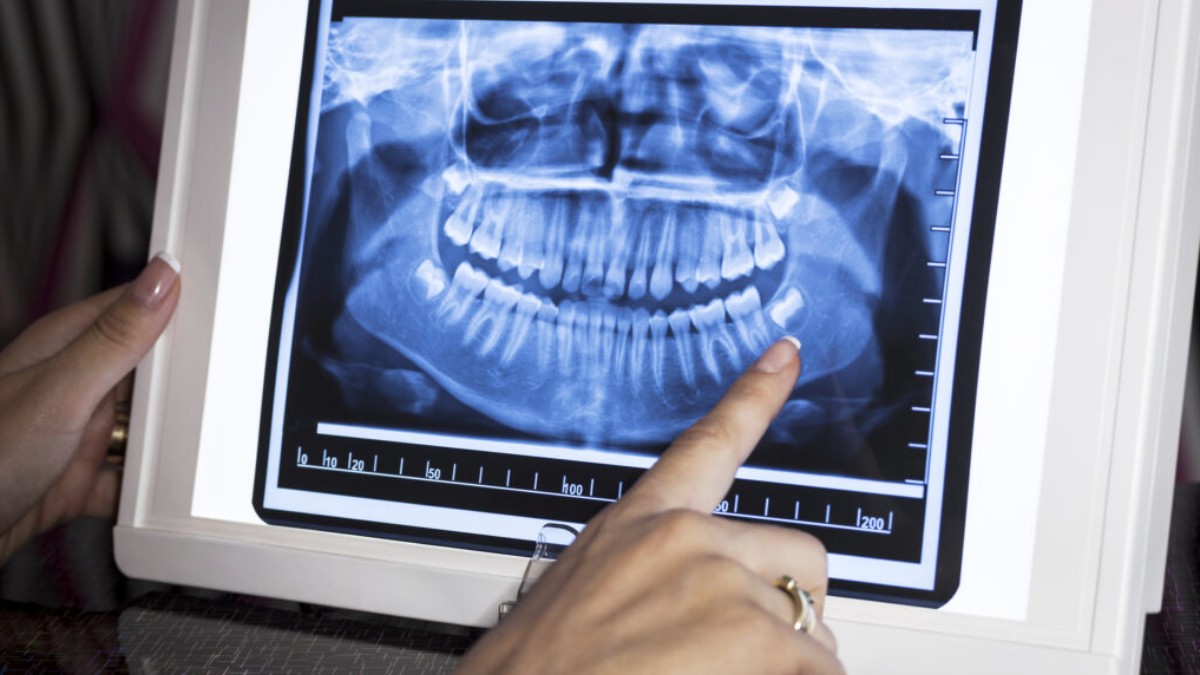
Are There Alternatives to X-rays?
Yes. There are several alternatives to X-rays, depending on the medical need. MRI (Magnetic Resonance Imaging) and ultrasound use different technologies to create detailed images without radiation, making them safer for certain patients, such as pregnant women. CT scans, while similar to X-rays, provide more detailed cross-sectional images. Additionally, optical imaging and thermography are emerging options for specific diagnostic purposes. Doctors choose the best imaging method based on factors like the area being examined, the patient’s health, and the level of detail required.
Why Look For X-ray Alternatives?
X-rays are widely used, but they’re not always the best option. They involve ionizing radiation, which, in high doses, may increase cancer risk. Though the exposure from a single X-ray is low, some patients—especially children and pregnant women—may prefer radiation-free alternatives.
Additionally, X-rays are limited in their ability to visualize soft tissues. If doctors need detailed images of organs, muscles, or nerves, other imaging methods may be more effective.
5 Best Alternatives To X-rays
Different imaging techniques provide different benefits. Here’s a closer look at common X-ray alternatives and when they’re used:
1. MRI (Magnetic Resonance Imaging)
MRI scans utilize strong magnetic fields and radio waves to generate high-resolution images of internal structures, including organs, muscles, and soft tissues.
- Best for: Brain, spinal cord, joints, muscles, ligaments
- Radiation-free: Safe for pregnant women and repeated use
- Downside: More expensive, takes longer than X-rays
2. CT (Computed Tomography) Scan
A CT scan combines multiple X-ray images to create detailed cross-sectional views of the body.
- Best for: Internal injuries, tumors, lung diseases, complex fractures
- More detailed than X-rays: Provides 3D images
- Downside: Uses radiation, not ideal for frequent use
3. Ultrasound
Ultrasound uses sound waves to create live images of soft tissues and blood flow.
- Best for: Pregnancy, gallbladder, kidneys, heart, blood vessels
- Radiation-free: Safe for all ages, including fetuses
- Downside: Limited for bones and deep tissues

4. PET (Positron Emission Tomography) Scan
PET scans detect cell activity and metabolic function by using a small amount of radioactive tracer.
- Best for: Cancer detection, brain disorders, heart conditions
- Functional imaging: Shows how organs are working
- Downside: Uses radiation, costly
5. DEXA (Dual-Energy X-ray Absorptiometry) Scan
DEXA scans measure bone density to assess osteoporosis risk.
- Best for: Bone health evaluation
- Low radiation exposure: Safer than regular X-rays
- Downside: Limited to bone-related assessments
When Should You Consider an X-ray Alternative?
Doctors may recommend an alternative imaging test in the following cases:
- Pregnancy: To avoid radiation exposure to the fetus
- Soft tissue evaluation: When examining muscles, nerves, or ligaments
- Repeated imaging needs: If multiple scans are required over time
- Higher image detail: When X-rays don’t provide enough clarity
How To Choose The Right Imaging Test
Selecting the right imaging test depends on several factors: