
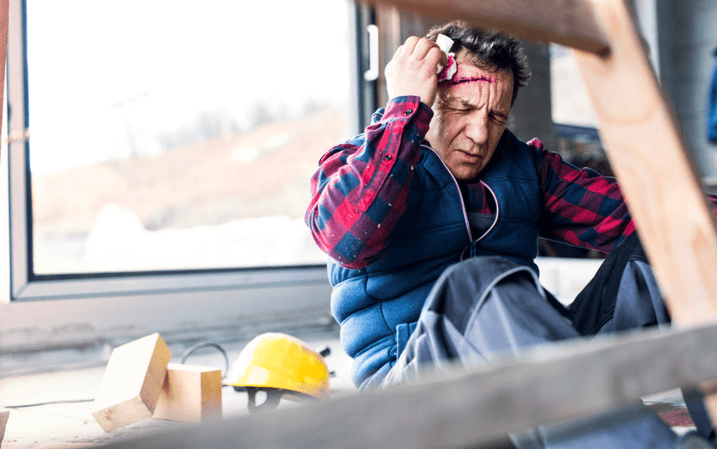
Blunt force trauma can be a serious and life-threatening injury that occurs when a body is hit with a forceful impact. Whether from a fall, a car accident, or any other sudden blow, it can cause damage to tissues, organs, and bones, sometimes leading to severe or even fatal consequences. Understanding blunt force trauma and its potential risks is essential, as it can affect the body in various ways, requiring prompt medical attention and care. Let’s explore how these injuries happen and what you should know about recognizing and responding to them.
Definition and Causes of Blunt Force Trauma
Blunt force trauma refers to a type of physical injury caused by a non-penetrating force that impacts or collides with the body. This force can be the result of various incidents, such as motor vehicle accidents, falls, assaults, or sports-related injuries. The trauma from the impact can lead to significant damage to tissues, organs, and bones, sometimes requiring a chest x-ray to assess the extent of any internal damage. Prompt medical attention is essential for evaluation and treatment.
Types of Injuries
Blunt force trauma can manifest in different types of injuries, depending on the nature and intensity of the force applied to the body. These injuries may range from minor bruises and contusions to more severe internal damage, including fractures, concussions, and internal bleeding. Understanding the specific types of injuries associated with blunt force trauma is essential for accurate diagnosis and appropriate medical management.
- Contusion – Bruising of the skin and underlying tissues due to blunt force impact.
- Fracture – Breakage of a bone resulting from a sudden and forceful impact on the body.
- Concussion – Traumatic brain injury caused by a blow to the head, leading to temporary cognitive impairment.
- Internal Bleeding – Damage to blood vessels or organs, causing blood to leak internally and potentially leading to life-threatening complications.
Recognizing the signs and symptoms of these injuries is crucial in administering timely and effective treatment to individuals affected by blunt force trauma. By understanding the definition, causes, and types of injuries associated with blunt force trauma, individuals can be better prepared to respond to such emergencies and seek appropriate medical care when needed.
Severity of Blunt Force Trauma
Understanding the severity of blunt force trauma, it is essential to consider its impact on different parts of the body and the importance of recognizing signs and symptoms.
Impact on Different Parts of the Body
Blunt force trauma can affect various parts of the body, leading to a range of injuries based on the force and area of impact. The table below illustrates the potential impact on different body parts:
- Head – Concussion, skull fractures, brain contusions
- Torso – Rib fractures, internal organ injuries
- Extremities – Fractures, dislocations, soft tissue injuries
- Abdomen – Liver or spleen lacerations, internal bleeding
- Spine – Spinal fractures, nerve damage
Understanding how blunt force trauma can affect specific body parts is crucial for proper assessment and treatment by healthcare professionals.
Recognizing Signs and Symptoms
Recognizing the signs and symptoms of blunt force trauma is vital for timely intervention and prevention of complications. The table below outlines some common signs and symptoms associated with blunt force trauma:
- Pain – Localized or widespread pain at the site of impact
- Swelling – Swelling and inflammation at the injury site
- Bruising – Discoloration of the skin due to internal bleeding
- Difficulty Breathing – Shortness of breath or chest pain
- Dizziness – Feeling lightheaded or dizzy after trauma
If you or someone you know experiences any of these symptoms following blunt force trauma, seek medical attention immediately to assess the extent of the injury and initiate appropriate treatment. Recognizing these signs early can help prevent further complications and facilitate a faster recovery process.

Diagnosis and Treatment
In addressing cases of blunt force trauma, proper diagnosis and prompt treatment are essential in ensuring the best possible outcomes for the affected individual. This section delves into the assessment and diagnostic procedures involved in diagnosing blunt force trauma, as well as the medical interventions and management strategies employed.
Assessment and Diagnostic Procedures
Diagnosing blunt force trauma typically starts with a thorough physical examination by healthcare professionals. In addition to assessing visible injuries, diagnostic imaging tests such as X-rays, CT scans, or MRI may be utilized to identify internal injuries that are not immediately apparent. These diagnostic procedures help medical professionals understand the extent of the trauma and tailor the treatment plan accordingly.
- X-ray – To detect fractures and bone injuries
- CT Scan – To assess internal injuries, such as bleeding or organ damage
- MRI – To evaluate soft tissue injuries, nerve damage, or brain trauma
Medical Interventions and Management
The treatment for blunt force trauma varies depending on the severity of the injuries sustained. Medical interventions may include stabilizing the patient’s condition, controlling bleeding, and addressing any life-threatening injuries first. Treatment strategies may involve surgical procedures to repair internal damage, such as organ lacerations or brain injuries.
- Stabilization – To ensure the patient’s vital signs are stable
- Surgery – To repair internal injuries or fractures
- Pain Management – To alleviate discomfort and enhance comfort during recovery
Promptly assessing and diagnosing blunt force trauma through the use of diagnostic procedures and implementing appropriate medical interventions and management strategies, healthcare providers can effectively address the immediate needs of individuals affected by such traumatic events. This comprehensive approach plays a vital role in enhancing patient outcomes and supporting their recovery journey.
Complications and Long-Term Effects
In the case of blunt force trauma, the potential complications and chronic health issues that can arise from such injuries are significant considerations for both patients and healthcare providers.
Potential Complications
Blunt force trauma can lead to a variety of complications, depending on the severity and location of the injury. Some common complications include:
- Internal Bleeding – Damage to organs or blood vessels can result in internal bleeding, which may be life-threatening if not promptly addressed.
- Neurological Deficits – Severe blunt force trauma to the head can cause neurological deficits, such as cognitive impairment, memory loss, or motor function issues.
- Bone Fractures – The impact of blunt force trauma can result in bone fractures, which may require surgical intervention and long-term rehabilitation.
- Organ Damage – Blows to the abdomen or chest can cause damage to internal organs, leading to complications such as organ failure or infection.
It is crucial for healthcare providers to closely monitor patients with blunt force trauma for any signs of these complications and provide timely interventions to prevent further health issues.
Chronic Health Issues
In addition to immediate complications, blunt force trauma can also result in chronic health issues that may persist long after the initial injury. These chronic health issues can significantly impact the quality of life of the affected individual. Some common chronic health issues associated with blunt force trauma include:

Addressing chronic health issues stemming from blunt force trauma often requires a multidisciplinary approach involving healthcare professionals, rehabilitation specialists, and mental health providers to effectively manage and support the individual’s long-term recovery and well-being.
Prevention and Safety Measures
In minimizing the risks associated with blunt force trauma, understanding the key risk factors and implementing safety precautions and guidelines are paramount in preventing such injuries.
Risk Factors
Blunt force trauma can occur in various situations, and certain risk factors may increase the likelihood of sustaining such injuries. It is essential to be aware of these factors to take appropriate preventive measures.
- Age – Children and the elderly are more vulnerable to blunt force trauma due to differing levels of mobility and balance.
- Occupation – Individuals working in high-risk environments such as construction sites, factories, or sports fields may be more exposed to blunt force injuries.
- Motor Vehicle Accidents – Unrestrained occupants involved in car accidents are at a higher risk of blunt force trauma due to the impact of collisions.
- Falls – Accidental falls, especially from heights or on slippery surfaces, can lead to significant blunt force injuries.
- Domestic Violence – Victims of physical abuse are at increased risk of experiencing blunt force trauma as a result of intentional harm.
Safety Precautions and Guidelines
Preventing blunt force trauma involves implementing safety precautions and following guidelines to reduce the likelihood of injury in various settings and scenarios. By being proactive and taking preventive measures, individuals can significantly decrease the risk of sustaining blunt force injuries.
- Use of Protective Gear – Wearing appropriate safety equipment, such as helmets, seat belts, knee pads, and proper footwear, can help prevent blunt force trauma in sports, occupational settings, and during motor vehicle accidents.
- Fall Prevention Measures – Installing handrails, non-slip mats, and adequate lighting, as well as using sturdy step stools and ladders, can reduce the risk of falls and subsequent blunt force injuries.
- Childproofing Homes – Removing sharp objects, securing furniture, installing safety gates, and ensuring proper supervision can prevent blunt force trauma in children.
- Staying Alert in Traffic – Following traffic rules, avoiding distractions while driving or walking, and practicing defensive driving techniques can decrease the likelihood of motor vehicle-related blunt force injuries.
- Seeking Support – Victims of domestic violence should seek help from support services and helplines to escape dangerous situations and prevent further blunt force trauma.
Understanding the risk factors associated with blunt force trauma and adhering to safety precautions and guidelines, individuals can take proactive steps to minimize the occurrence of such injuries and promote overall safety and well-being. Stay informed, stay vigilant, and prioritize safety to prevent the devastating consequences of blunt force trauma.
After blunt force trauma, engaging in a comprehensive recovery and rehabilitation program under the guidance of healthcare professionals is crucial for healing, restoring function, and improving overall quality of life. Following the prescribed treatment plan and adhering to expert recommendations ensures a successful recovery journey. At Centers Urgent Care, we offer prompt, top-tier urgent care for individuals of all ages, ensuring compassionate support and treatment during injuries or emergencies. If you need urgent care in New York, don’t hesitate to contact us today, and let us help guide your recovery with the support you deserve.
Sources:
2025 has changed my life. I never believed I would be cured by a spell caster who specializes in herbal cure and magical spells. I am talking about the help Doctor Odunga gave to me. I have been cured of herpes HPV which has plagued me for over 2 years. I am very happy to tell others that if you want to be cured or get your ex back spells and get pregnant naturally, even financial blessing through lottery, there is only one place to be and that is with Dr Odunga Spell Temple. Am so happy that just 3 days after taking DR ODUNGA Herbal treatments my herpes was cured permanently. DR ODUNGA also have cure to #HIV #Diabetes #Lupus #Tinnitus #Fibroid #Cancer #Hepatitis B, #Syphilis #Infertility etc … If you have this ailment or whatsoever you might be suffering from you should contact him at his EMAIL: odungaspelltemple@gmail.com OR VIA Whats App +2348167159012