

Exploring the BMP blood test is essential to grasp its significance in assessing various health parameters. This section delves into the fundamental aspects of the BMP blood test, shedding light on its purpose and importance in the realm of healthcare.
What is the BMP Blood Test?
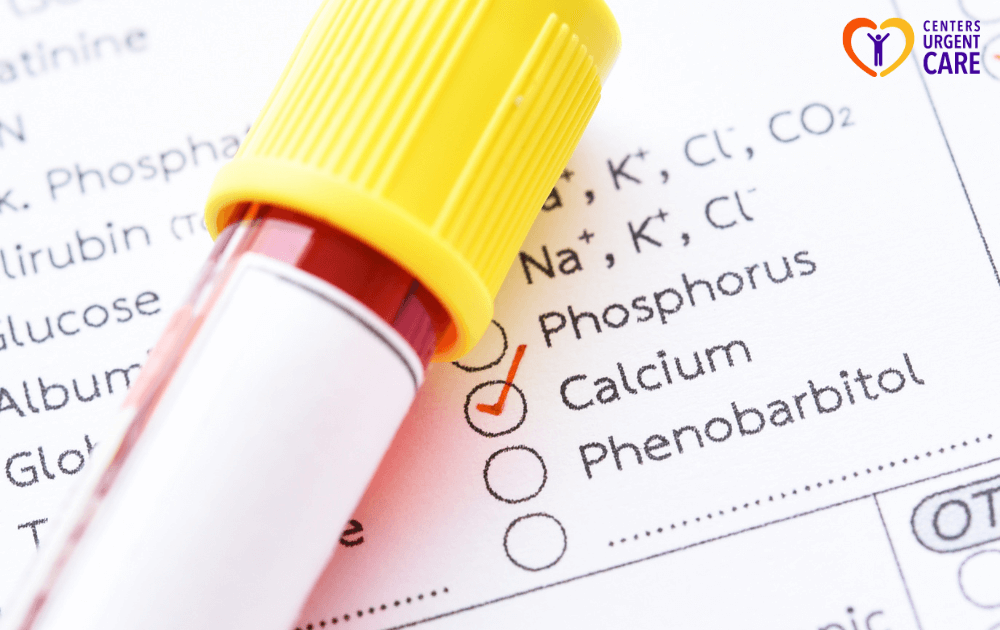
The BMP blood test, also known as the Basic Metabolic Panel test, is a diagnostic tool utilized by healthcare providers to evaluate essential markers in the blood related to metabolic and organ function. This test provides valuable insights into the overall health status of an individual by measuring key components such as electrolytes, kidney function markers, glucose levels, and calcium levels. If you’re seeking a quick and reliable way to assess your health, urgent care centers often offer this test to provide immediate insights.
Purpose and Importance of the BMP Blood Test
The BMP blood test serves multiple purposes in the realm of clinical assessment. It aids healthcare professionals in identifying and monitoring various medical conditions, assessing organ function, detecting electrolyte imbalances, and evaluating overall metabolic health. By analyzing the results of the BMP blood test, healthcare providers can make informed decisions regarding treatment plans, medication adjustments, and further diagnostic investigations, if necessary.
Familiarizing oneself with the BMP blood test and its implications, individuals can engage in meaningful discussions with their healthcare providers, leading to personalized care and tailored interventions based on the test results. Stay informed and proactive about your health by recognizing the value of the BMP blood test in preventive healthcare practices.
Components of the BMP Blood Test
In understanding the BMP blood test, it is essential to be familiar with the key components that are analyzed to provide valuable insights into a person’s health. This section will delve into the specific components of the BMP blood test, including electrolytes, kidney function markers, glucose levels, and calcium levels.
Electrolytes
Electrolytes are essential minerals in the body that help regulate various bodily functions, such as nerve function, muscle contraction, and pH balance. The BMP blood test measures the levels of several electrolytes, including sodium, potassium, chloride, and bicarbonate. These electrolytes play a crucial role in maintaining proper hydration, nerve function, and muscle activity.
- Sodium – 135 – 145 mmol/L
- Potassium – 3.5 – 5.0 mmol/L
- Chloride – 96 – 106 mmol/L
- Bicarbonate – 21 – 32 mmol/L
Kidney Function Markers
The BMP blood test assesses various markers of kidney function to evaluate how well the kidneys are filtering waste from the blood and maintaining proper electrolyte balance. Key indicators include blood urea nitrogen (BUN), creatinine, and estimated glomerular filtration rate (eGFR). Monitoring these markers helps in the early detection of kidney dysfunction.
- BUN – 7 – 20 mg/dL
- Creatinine – 0.6 – 1.3 mg/dL (male), 0.5 – 1.1 mg/dL (female)
- eGFR – Above 60 mL/min/1.73m²
Glucose Levels
The BMP blood test also includes the measurement of glucose levels in the blood. Glucose is the primary source of energy for the body’s cells and is crucial for overall health. Abnormal glucose levels can indicate conditions such as diabetes or impaired glucose tolerance. Monitoring glucose levels helps in evaluating an individual’s overall metabolic health.
- Fasting Glucose – 70 – 100 mg/dL
- Random Glucose – 70 – 140 mg/dL
Calcium Levels
Calcium is a vital mineral that is necessary for various bodily functions, including bone health, muscle contraction, and nerve signaling. The BMP blood test measures total calcium levels in the blood, which comprises both bound and free calcium. Proper calcium levels are essential for maintaining strong bones and teeth, as well as supporting muscle and nerve function.
- Total Calcium – 8.5 – 10.5 mg/dL
Understanding the significance of these components within the BMP blood test aids in assessing an individual’s overall health and identifying potential issues related to electrolyte balance, kidney function, glucose metabolism, and calcium regulation. Interpretation of these results in conjunction with clinical evaluation by healthcare providers can lead to appropriate interventions and treatment plans for optimal health management.
Preparation and Procedure
Before undergoing the BMP blood test, it’s important to be aware of the necessary preparations and what to expect during the test to ensure a smooth and efficient process.
How to Prepare for the BMP Blood Test
Proper preparation before a BMP blood test can help ensure accurate results. Here are some essential steps to follow:
- Fasting Requirement: In most cases, fasting is not required for a basic metabolic panel (BMP) blood test. However, certain tests within the BMP, such as glucose and sometimes electrolytes, may require fasting. Your healthcare provider will provide specific instructions if fasting is necessary.
- Medication Guidance: Let your doctor know about any medications, supplements, or herbal treatments you’re currently using. Some medications can impact the BMP blood test results, so your doctor might recommend pausing them for a short time before the test.
- Hydration: It’s advisable to stay well-hydrated before the blood test. Being hydrated can make it easier for the phlebotomist to draw blood and can also prevent complications post-test.
- Comfortable Clothing: Wear loose-fitting clothing that allows easy access to your arm for blood collection.
- Communicate Any Health Concerns: If you have a history of health conditions or experiences that may impact the blood test results, make sure to communicate this information to your healthcare provider.
What to Expect During the Test
Understanding what happens during a BMP blood test can help alleviate any anxiety or concerns. Here is what you can expect during the test:

Following the preparation guidelines and knowing what to expect during the BMP blood test, you can ensure a seamless and successful testing experience. Remember to discuss any concerns or questions with your healthcare provider to address them before the test.
Abnormal Results and Possible Implications
If the results of a BMP blood test fall outside the normal range values, it may indicate an underlying health issue that requires further evaluation. Here are some common abnormal results and their possible implications:
Electrolyte Imbalances:
- Low Sodium: Could indicate dehydration or kidney problems.
- High Potassium: May be a sign of kidney disease or certain medications’ side effects.
- Abnormal Chloride Levels: Could indicate metabolic imbalances.
Kidney Function Markers:
- Elevated BUN: Indicates potential kidney dysfunction or dehydration.
- High Creatinine Levels: Could suggest impaired kidney function.
- Abnormal GFR: Indicates how well the kidneys are filtering waste from the blood.
Glucose Levels:
- Low Glucose: Hypoglycemia.
- High Glucose: Diabetes or other endocrine disorders.
Calcium Levels:
- Low Calcium: Could be due to vitamin D deficiency or certain medical conditions.
- High Calcium: Hyperparathyroidism or malignancy.
It’s important to note that abnormal results from a BMP blood test should always be interpreted by a healthcare provider in conjunction with other clinical information to determine the most appropriate course of action. Regular monitoring and follow-up tests may be necessary to track changes in the results and ensure optimal health management.
Reasons for BMP Blood Test
Exploring the reasons behind the BMP blood test reveals its crucial role in diagnosing medical conditions and monitoring chronic illnesses.
Diagnosing Medical Conditions
One primary reason for conducting a BMP blood test is to diagnose various medical conditions. By analyzing the levels of electrolytes, kidney function markers, glucose, and calcium in the blood, healthcare providers can assess the overall health status of an individual. Abnormalities in these parameters can indicate underlying health issues such as dehydration, kidney disease, diabetes, and calcium imbalances.
- Dehydration – Electrolyte levels
- Kidney Disease – Kidney function markers
- Diabetes – Glucose levels
- Calcium Imbalances – Calcium levels
Monitoring Chronic Illnesses
In addition to diagnosing medical conditions, the BMP blood test is instrumental in monitoring chronic illnesses. Individuals with conditions such as diabetes, hypertension, and kidney disease often require regular blood tests to track their health status and response to treatment. By monitoring electrolyte levels, kidney function markers, glucose, and calcium levels over time, healthcare providers can make informed decisions regarding the management of chronic conditions.
- Diabetes – Glucose levels
- Hypertension – Electrolyte levels, kidney markers
- Kidney Disease – Electrolytes, kidney function markers
The BMP blood test is an essential tool for diagnosing medical conditions and managing chronic illnesses, enabling healthcare providers to create personalized treatment plans tailored to your specific health needs. Regular monitoring of this test helps maintain optimal health and ensures effective management of ongoing medical conditions. At Centers Urgent Care, we offer fast, high-quality urgent care services for children and adults, ensuring that you receive the care you need when you need it most. If you’re seeking urgent care in New York, don’t hesitate to contact us today, and we’ll be happy to assist you with comprehensive healthcare services.
Sources:
2025 has changed my life. I never believed I would be cured by a spell caster who specializes in herbal cure and magical spells. I am talking about the help Doctor Odunga gave to me. I have been cured of herpes HPV which has plagued me for over 2 years. I am very happy to tell others that if you want to be cured or get your ex back spells and get pregnant naturally, even financial blessing through lottery, there is only one place to be and that is with Dr Odunga Spell Temple. Am so happy that just 3 days after taking DR ODUNGA Herbal treatments my herpes was cured permanently. DR ODUNGA also have cure to #HIV #Diabetes #Lupus #Tinnitus #Fibroid #Cancer #Hepatitis B, #Syphilis #Infertility etc … If you have this ailment or whatsoever you might be suffering from you should contact him at his EMAIL: odungaspelltemple@gmail.com OR VIA Whats App +2348167159012