

Understanding DOT physicals is essential to grasp the significance of these examinations and the various components involved.
Importance of DOT Physicals
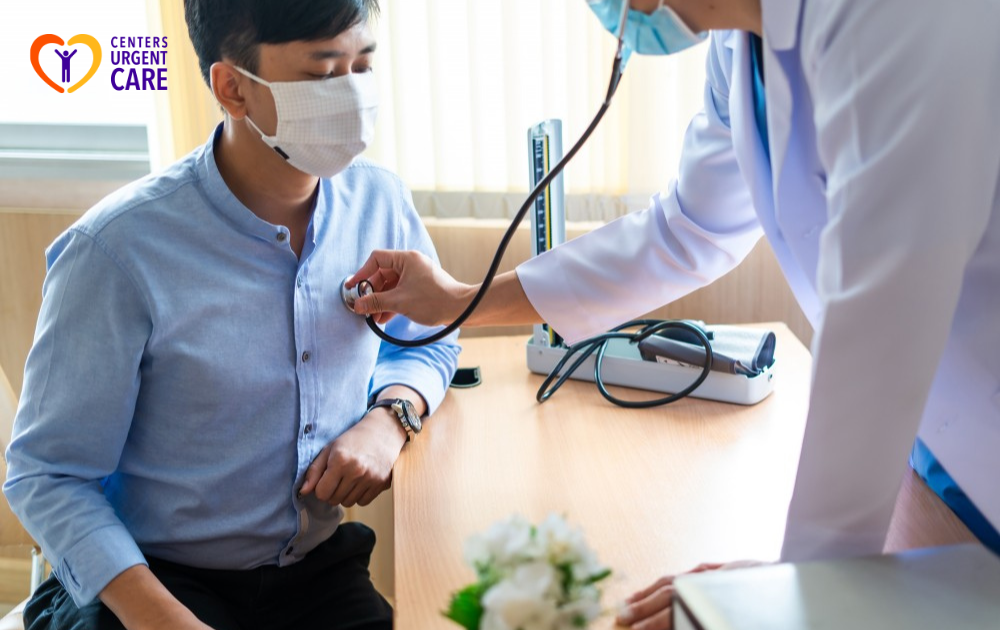
DOT physicals are crucial for individuals, especially drivers, as they ensure that the individual is medically fit to operate commercial vehicles safely. If an individual has a medical condition like very high blood pressure, they may be required to undergo physicals every 3 months while they receive medical treatment at an urgent care to manage the condition. During the DOT physical, the healthcare provider will inquire about the individual’s medical history and conduct assessments, including checking blood pressure.
These physicals play a vital role in maintaining the safety of both the driver and others on the road. Blood pressure requirements have been integrated into the new DOT physical criteria, along with vision and hearing standards. It is imperative for drivers to meet these blood pressure standards to be authorized to operate their vehicles.
Drivers will face disqualification if their blood pressure levels measure 180/110 or higher during the examination. This disqualification means they are not permitted to drive their truck in accordance with DOT blood pressure guidelines and regulations. However, individuals have a grace period of six months to bring their blood pressure under control post-examination.
Components of a DOT Physical
Apart from blood pressure assessments, DOT physicals encompass various components to assess the overall health and wellbeing of the individual. One additional assessment included in the DOT physical is a urinalysis. This urinalysis examines protein, blood, sugar, and specific gravity levels, aiding in identifying any potential medical issues that may require further evaluation or monitoring.
The combination of blood pressure evaluations and other assessments during a DOT physical ensures that drivers are in optimal health condition to carry out their responsibilities safely and responsibly. Regular monitoring through DOT physicals helps in promoting driver well-being and maintaining a high standard of health and safety within the commercial driving industry.
Why Blood Pressure Matters in a DOT Physical
Driving a commercial vehicle often requires quick reflexes, extended periods of focus, and the ability to handle high-stress situations. Hypertension can increase the risk of heart disease, stroke, or other cardiovascular events that could occur while driving, which can be life-threatening for the driver and others on the road. By maintaining specific blood pressure requirements, the DOT aims to ensure that drivers are less likely to experience these health emergencies.

Monitoring Blood Pressure Levels
Drivers with blood pressure levels above 140/90 are considered to have elevated blood pressure. While this range does not necessitate more frequent testing, it is important for drivers to monitor their levels regularly. If a driver’s blood pressure reaches 160/100 or higher, they must take prompt action to lower their levels to 140/90 or below to qualify for yearly exams and certification.
- 140/90 – 159/99 – Monitor regularly
- 160/100 – 179/109 – Lower levels to 140/90 or below
It’s crucial to note that drivers will face disqualification if their blood pressure levels reach 180/110 or higher. In such cases, drivers are not permitted to operate their trucks under DOT blood pressure regulations. However, they have a grace period of six months to bring their blood pressure levels under control after the examination.
Drivers with blood pressure readings of 179/109 or lower may still pass the physical but might face some restrictions. It is recommended that drivers with elevated blood pressure levels above 140/90 take steps to address this issue through a combination of lifestyle changes and, if necessary, medication. Continued monitoring and proactive management of blood pressure are essential for ensuring both personal well-being and compliance with DOT regulations.
DOT Blood Pressure Categories
The Federal Motor Carrier Safety Administration (FMCSA) sets specific guidelines for blood pressure levels during a DOT physical. These categories help determine if a driver is eligible for a medical certification or if further medical management is required:
- Normal Blood Pressure: If a driver’s blood pressure is at or below 140/90 mmHg, they are considered healthy and can receive medical certification for up to two years. This is the ideal category, reflecting good cardiovascular health.
- Stage 1 Hypertension (140-159/90-99 mmHg): Drivers in this range may be certified but only for one year. The DOT recognizes that mild hypertension can be controlled through medication or lifestyle changes, so regular monitoring is essential.
- Stage 2 Hypertension (160-179/100-109 mmHg): At this stage, a driver may be granted a shorter certification period of three months. During this time, the driver must work with their healthcare provider to lower their blood pressure to safer levels before being reevaluated for a longer certification.
- Stage 3 Hypertension (180/110 mmHg or higher): Drivers with blood pressure readings at or above this level are disqualified from receiving certification. However, once they successfully lower their blood pressure and achieve better management, they may become eligible for certification after evaluation.

Managing Blood Pressure
Effectively managing blood pressure is crucial, especially for individuals undergoing DOT physicals. It involves a combination of lifestyle changes and, in some cases, medication options to ensure blood pressure levels are within the accepted range.
Lifestyle Changes
For commercial truck drivers and individuals seeking to maintain optimal blood pressure levels for DOT physicals, certain lifestyle modifications can play a significant role in blood pressure management. These changes include:
- Weight Management: Maintaining a healthy weight through proper diet and exercise can help reduce the strain on the heart and lower blood pressure levels.
- Daily Exercise: Engaging in light daily physical activity, such as walking or cycling, can improve cardiovascular health and contribute to blood pressure regulation.
- Dietary Modifications: Adopting a heart-healthy diet that is low in sodium, saturated fats, and cholesterol can help control blood pressure.
- Stress Management: Practicing stress-reduction techniques, such as mindfulness meditation or deep breathing exercises, can help lower stress levels and support healthy blood pressure.
Implementing these lifestyle changes can be instrumental in keeping blood pressure under control, thereby increasing the likelihood of passing the DOT physical without restrictions.
Awareness and Control
Understanding the significance of maintaining healthy blood pressure levels, being aware of the statistics on elevated blood pressure and the importance of regular check-ups is crucial for overall well-being.
Statistics on Elevated Blood Pressure
Statistics reveal that nearly half of adults in the United States have blood pressure levels exceeding 130 mm Hg for their systolic reading or 80 mm Hg for their diastolic reading, or are currently taking medication for hypertension. Alarmingly, 76% of individuals falling into this category are either unaware of their condition or struggling to control it effectively.
Importance of Regular Check-Ups
Regular health check-ups play a vital role in monitoring and managing blood pressure levels. Individuals with medical conditions like severe hypertension might be required to undergo frequent physical examinations, typically every three months, to track their progress while receiving medical intervention to address or regulate their condition. These regular check-ups not only help in assessing the effectiveness of the treatment but also provide healthcare professionals with valuable insights to adjust treatment plans accordingly.
Staying informed about the importance of regular blood pressure evaluations, individuals can take proactive steps to maintain their health and well-being. Monitoring and managing blood pressure levels consistently help prevent serious health complications and support a healthier lifestyle. At Centers Urgent Care, we prioritize your health by providing fast, high-quality urgent care in New York. If you need to schedule a DOT physical or have concerns about blood pressure, contact us today. We’re here to assist you at our conveniently located urgent care, ensuring you receive the care you need quickly and efficiently.
Sources:
2025 has changed my life. I never believed I would be cured by a spell caster who specializes in herbal cure and magical spells. I am talking about the help Doctor Odunga gave to me. I have been cured of herpes HPV which has plagued me for over 2 years. I am very happy to tell others that if you want to be cured or get your ex back spells and get pregnant naturally, even financial blessing through lottery, there is only one place to be and that is with Dr Odunga Spell Temple. Am so happy that just 3 days after taking DR ODUNGA Herbal treatments my herpes was cured permanently. DR ODUNGA also have cure to #HIV #Diabetes #Lupus #Tinnitus #Fibroid #Cancer #Hepatitis B, #Syphilis #Infertility etc … If you have this ailment or whatsoever you might be suffering from you should contact him at his EMAIL: odungaspelltemple@gmail.com OR VIA Whats App +2348167159012