

PCR STI testing plays a crucial role in the detection of sexually transmitted infections (STIs) by utilizing polymerase chain reaction technology to identify the presence of specific pathogens. This section delves into the fundamental aspects of PCR STI testing, including what it entails and how the process works.
What is PCR STI Testing?
PCR STI testing is a diagnostic method used to detect the genetic material (DNA or RNA) of sexually transmitted infections in bodily samples. This highly sensitive technique allows healthcare providers to pinpoint the exact presence of pathogens responsible for STIs, such as chlamydia, gonorrhea, and trichomoniasis. By amplifying and analyzing the genetic material, PCR testing can identify infections even at low concentrations, enabling early detection and treatment. In some cases, a chest X-ray may also be performed to rule out complications, particularly if respiratory symptoms are present, as some STIs can lead to secondary infections affecting the lungs.
How Does PCR STI Testing Work?
PCR STI testing operates on the principle of amplifying and analyzing target DNA or RNA sequences from a patient’s sample to determine the presence of STI pathogens. The process involves the following steps:
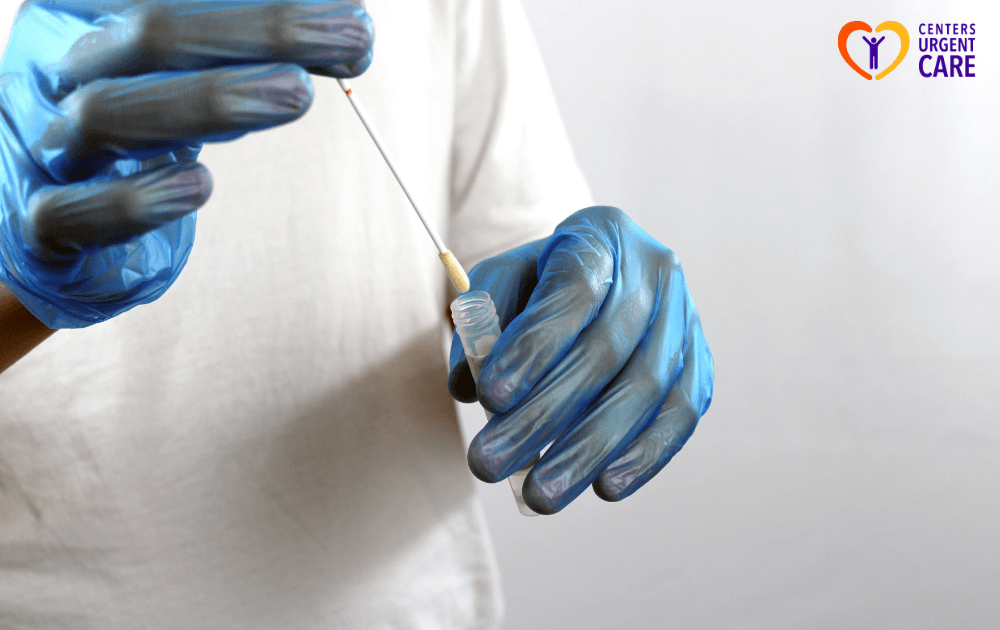
- Sample Collection: A healthcare provider collects a sample from the individual, typically through swabs of the genital area, urine, or blood, depending on the specific STI being tested.
- Nucleic Acid Extraction: The genetic material (DNA or RNA) is extracted from the sample using specialized techniques to isolate the target sequences.
- PCR Amplification: The isolated genetic material is amplified using the polymerase chain reaction (PCR) method. This amplification process generates millions of copies of the target sequences for detection.
- Detection: The amplified DNA or RNA is then analyzed to identify the presence of STI pathogens. This analysis can be qualitative, indicating the presence or absence of the pathogen, or quantitative, measuring the concentration of the pathogen.
PCR STI testing offers high sensitivity and specificity, providing accurate results that aid in the diagnosis and management of STIs. The rapid turnaround time of PCR tests enhances the efficiency of healthcare interventions, allowing for timely treatment and partner notification, ultimately contributing to STI prevention and control efforts.
Benefits of PCR STI Testing
PCR STI testing offers several advantages when it comes to the detection of sexually transmitted infections. Two key benefits of PCR STI testing are its high sensitivity and specificity, as well as the rapid turnaround time for results.
High Sensitivity and Specificity
PCR STI testing stands out for its high sensitivity and specificity in detecting STIs. The polymerase chain reaction (PCR) technique amplifies the genetic material of the pathogens being tested for, making it highly sensitive to even small amounts of DNA or RNA present in a sample. This high sensitivity translates to a lower risk of false negative results, ensuring that infections are not missed during testing.
Moreover, the specificity of PCR testing allows for accurate identification of the particular STI causing the infection. By targeting specific genetic sequences of pathogens, PCR testing can distinguish between different STIs, providing healthcare providers with precise diagnostic information for appropriate treatment.
Rapid Results
Another significant benefit of PCR STI testing is the rapid turnaround time for receiving test results. Unlike some traditional testing methods that may take days to weeks for results to be available, PCR testing can often provide results within hours. This quick availability of results allows for prompt treatment and management of STIs, reducing the risk of complications and facilitating timely interventions.
In summary, PCR STI testing offers high sensitivity and specificity in detecting a wide range of sexually transmitted infections, ensuring accurate diagnosis and tailored treatment plans. Additionally, the rapid results obtained through PCR testing enable swift medical interventions, contributing to improved patient care and public health outcomes.
Common STIs Detected with PCR Testing
In detecting sexually transmitted infections (STIs) with precision and accuracy, PCR testing plays a crucial role. PCR testing can identify a range of STIs, including common ones like Chlamydia, Gonorrhea, and Trichomoniasis.
Chlamydia
Chlamydia is one of the most common bacterial STIs globally. It often presents without symptoms, making it essential to undergo regular STI screening if sexually active. PCR testing for Chlamydia is highly sensitive and specific, offering reliable results for diagnosis.
Gonorrhea
Gonorrhea is another bacterial STI that can lead to serious health complications if left untreated. PCR testing for Gonorrhea is known for its accuracy in detecting the presence of the Neisseria gonorrhoeae bacterium. Early diagnosis through PCR testing enables timely treatment to prevent complications and transmission.
Trichomoniasis
Trichomoniasis is a common parasitic STI caused by the protozoan parasite Trichomonas vaginalis. PCR testing for Trichomoniasis offers high sensitivity in detecting the parasite’s genetic material, allowing for accurate diagnosis and appropriate treatment. It is important to address Trichomoniasis promptly to prevent potential complications and spread of the infection.
Effectively detecting and diagnosing common STIs like Chlamydia, Gonorrhea, and Trichomoniasis through PCR testing, individuals can take proactive steps towards managing their sexual health. Regular STI testing, including PCR testing when indicated, is crucial for early detection, treatment, and prevention of STIs.
When to Consider PCR STI Testing
In determining whether PCR STI testing is appropriate, several factors should be taken into consideration. This section explores the situations in which individuals should consider undergoing PCR STI testing, including symptoms of STIs, recent high-risk sexual activity, and partner notification.
Symptoms of STIs
Individuals experiencing symptoms that may indicate a sexually transmitted infection (STI) should consider undergoing PCR testing. Common symptoms of STIs include:
- Chlamydia – Abnormal discharge, pain during urination
- Gonorrhea – Unusual discharge, pelvic pain
- Trichomoniasis – Itching, irritation, abnormal discharge
If any of these symptoms are present, it is essential to consult a healthcare provider for further evaluation and possible PCR testing to accurately diagnose and treat the underlying STI.

Recent High-Risk Sexual Activity
Individuals who have engaged in recent high-risk sexual activity, such as unprotected intercourse with a new partner or a partner whose STI status is unknown, should consider undergoing PCR STI testing. High-risk sexual behaviors can increase the risk of contracting STIs, making regular testing crucial for early detection and treatment.
- Unprotected Intercourse – Engaging in sexual activity without the use of barrier protection
- Multiple Sexual Partners – Having sexual encounters with multiple partners without protection
If you have participated in any high-risk sexual activities, it is recommended to undergo PCR testing to ensure your sexual health and well-being.
Partner Notification
In cases where an individual has been diagnosed with an STI, partner notification is essential to prevent the spread of infection and ensure that partners receive necessary testing and treatment. PCR STI testing may be recommended for individuals who have been notified by a partner of a potential exposure to an STI.
Recognizing the symptoms of STIs, considering recent high-risk sexual activity, and prioritizing partner notification, individuals can make informed decisions about undergoing PCR STI testing to safeguard their sexual health and well-being. Early detection and treatment are key in managing STIs and preventing complications, emphasizing the importance of timely testing and appropriate medical care.
How to Prepare for PCR STI Testing
Before undergoing PCR STI testing, it’s important to be well-prepared to ensure a smooth testing experience. This section will cover essential steps on finding a testing center and what to expect during the PCR STI testing procedure.
Finding a Testing Center
In considering PCR STI testing, the first step is to find a reputable testing center that offers this specific type of testing. It is crucial to choose a facility that specializes in STI testing and has trained professionals who can conduct the PCR test accurately.
Here are some factors to consider when selecting a testing center:
- Location – Choose a center that is convenient and easily accessible.
- Accreditation – Opt for a facility that is accredited to ensure quality testing procedures.
- Confidentiality – Ensure that the center prioritizes patient confidentiality and privacy.
- Reviews – Check online reviews or ask for recommendations to gauge the center’s reputation.
Conducting thorough research and selecting a reputable testing center, you can feel confident in the PCR STI testing process and the accuracy of the results.
What to Expect During the Test
Before the PCR STI test, it’s essential to understand what the procedure entails to alleviate any concerns or anxieties. Here is what to expect during the PCR STI testing:
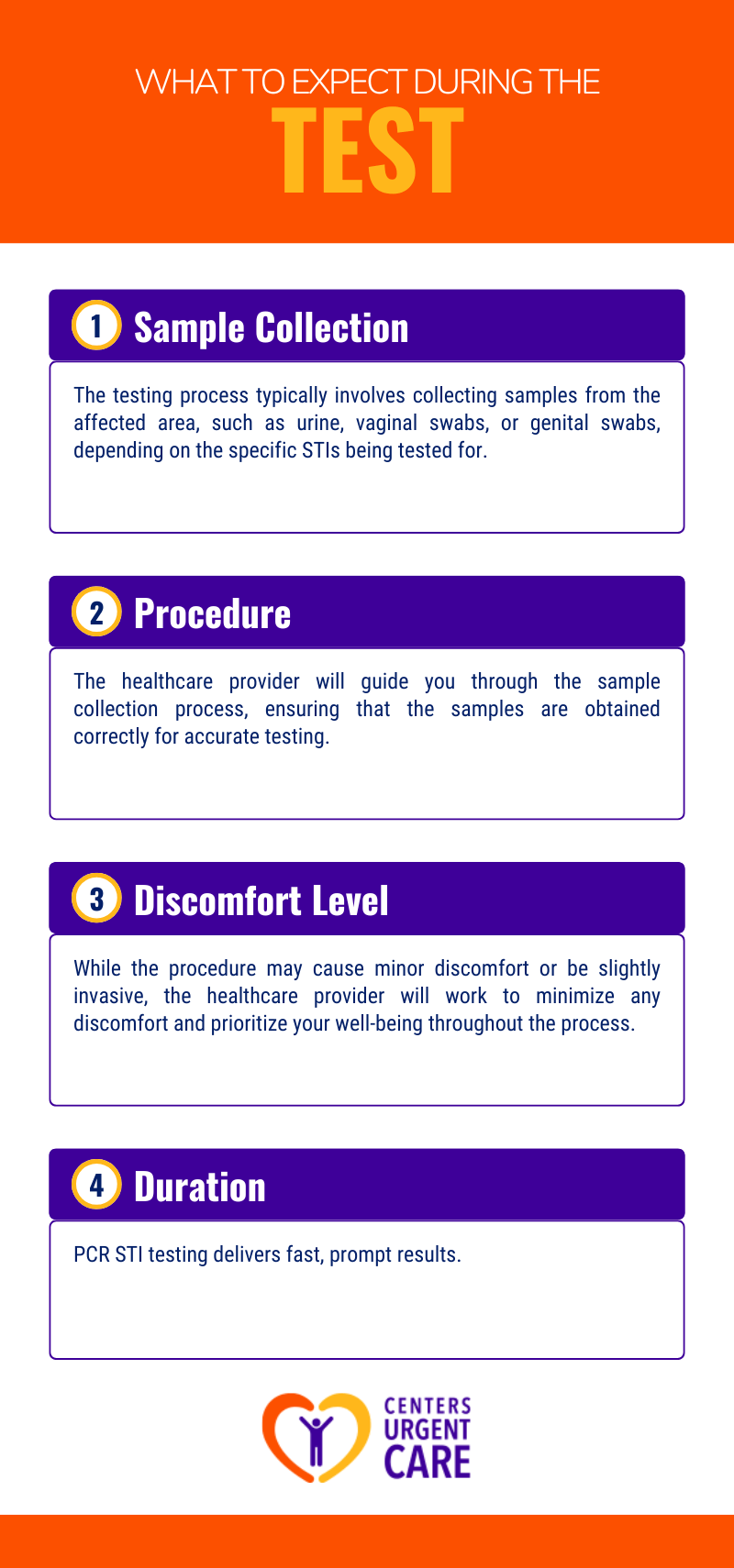
Knowing what to expect during PCR STI testing, you can approach the process with confidence and have a clear understanding of the steps involved in obtaining your test results.
Interpreting PCR STI Test Results
Upon receiving the results of a PCR STI test, it is essential to understand the implications and take appropriate actions based on the outcome. This section focuses on interpreting the test results and the necessary steps to follow post-testing.
Understanding the Results
PCR STI testing provides highly accurate results for the detection of sexually transmitted infections. The results of the test will indicate whether the genetic material of the specific STIs being tested for is present in the sample provided. The results are typically categorized as follows:
- Chlamydia – Positive/Negative
- Gonorrhea – Positive/Negative
- Trichomoniasis – Positive/Negative
A positive result indicates that the genetic material of the particular STI was detected in the sample, confirming the presence of the infection. On the other hand, a negative result suggests that the genetic material was not detected, indicating the absence of the infection at the time of testing.
It is important to note that a negative result does not necessarily mean the absence of an STI. Some STIs have an incubation period during which the infection may not be detectable. Additionally, false-negative results can occur, albeit less frequently.
Next Steps After Testing
If the PCR STI test results come back positive, it is crucial to follow up with appropriate healthcare providers for further evaluation and treatment. STIs detected through PCR testing usually require treatment with antibiotics or other medications.
Upon receiving positive results, it is also essential to notify recent sexual partners to encourage them to get tested and seek treatment if necessary. Partner notification is crucial in preventing the spread of STIs and ensuring the health and well-being of individuals.
In the case of a negative result, it is still important to practice safe sex and get regular STI screenings, especially after engaging in high-risk sexual activities. Routine testing and preventive measures are key to maintaining sexual health and preventing the transmission of STIs.
Interpreting PCR STI test results accurately and taking the right actions based on the outcome are essential steps in managing and addressing sexually transmitted infections effectively. Regular screenings, open communication with healthcare providers, and safe sexual practices are crucial in staying informed and maintaining sexual health. At Centers Urgent Care, we offer fast, high-quality urgent care services for both children and adults. If you’re seeking an urgent care center in NYC for your STI testing needs, contact us today to schedule an appointment and take proactive steps toward your health and well-being.
Sources:
2025 has changed my life. I never believed I would be cured by a spell caster who specializes in herbal cure and magical spells. I am talking about the help Doctor Odunga gave to me. I have been cured of herpes HPV which has plagued me for over 2 years. I am very happy to tell others that if you want to be cured or get your ex back spells and get pregnant naturally, even financial blessing through lottery, there is only one place to be and that is with Dr Odunga Spell Temple. Am so happy that just 3 days after taking DR ODUNGA Herbal treatments my herpes was cured permanently. DR ODUNGA also have cure to #HIV #Diabetes #Lupus #Tinnitus #Fibroid #Cancer #Hepatitis B, #Syphilis #Infertility etc … If you have this ailment or whatsoever you might be suffering from you should contact him at his EMAIL: odungaspelltemple@gmail.com OR VIA Whats App +2348167159012