

Fluoroscopy plays a critical role in providing real-time insights into the inner workings of the human body. This imaging technique entails the utilization of X-rays to capture dynamic images promptly, enabling healthcare professionals to observe internal organs, vessels, tissues, and anomalies as they occur.
What is Fluoroscopy X-Ray?
Fluoroscopy involves passing a continuous X-ray beam through the body to create real-time images displayed on a monitor. The process is similar to an X-ray, but instead of capturing one image, it produces a moving visual that allows doctors to track the function and movement of certain body parts over time. Urgent care centers often utilize this technique for quick and accurate diagnoses. To enhance the visibility of the areas under examination, contrast agents, such as barium or iodine, may be used.
Real-Time Imaging
Fluoroscopy stands out for its ability to offer real-time visualization of anatomical structures and physiological processes within the body. Through the continuous generation of X-ray images or videos, physicians at urgent care centers and hospitals can conduct diagnostic assessments and interventional procedures with precision and efficacy. This method of instant imaging greatly enhances the accuracy and timeliness of medical diagnoses and treatments
Ionizing Radiation
Central to the functionality of fluoroscopy is the use of ionizing radiation, a powerful tool that enables the creation of detailed internal images. While this radiation aids in producing high-quality visuals for medical evaluation, it is essential to acknowledge the associated risks. Prolonged or excessive exposure to ionizing radiation during fluoroscopy procedures can marginally elevate the likelihood of developing cancer in the future.
To mitigate radiation exposure and prioritize patient safety, studies emphasize the importance of implementing strategies to reduce radiation doses during fluoroscopy. This includes adjusting manual technique settings on C-arm equipment, such as disabling automatic exposure control and opting for pulse or low-dose settings. Furthermore, optimizing staff positioning and considering variations in patient size can significantly impact recorded radiation doses, underscoring the necessity of minimizing radiation exposure levels throughout fluoroscopy procedures.
When is Fluoroscopy Used?
Fluoroscopy is incredibly versatile and can be used in a range of diagnostic and therapeutic procedures. Some of the most common uses include:

Diagnostic Procedures
Fluoroscopy is an invaluable tool for diagnostic purposes in the medical field. This technique allows healthcare providers to visualize real-time movements and functions within the body, providing crucial insights into health conditions and abnormalities. By capturing dynamic images using X-ray technology, doctors can examine the structure and functionality of organs, tissues, and systems, aiding in the accurate diagnosis of various health issues.
One of the key benefits of fluoroscopy in diagnostic procedures is its ability to detect internal injuries, blockages, or malformations that may not be apparent through other imaging methods. This makes it particularly useful in cases where a dynamic assessment is necessary, such as evaluating the functionality of the digestive system, blood vessels, or joints.
Benefits of Fluoroscopy
- Real-Time Imaging: The dynamic nature of fluoroscopy allows doctors to see how organs and systems function as they move, offering insights that static X-rays cannot provide.
- Precision in Procedures: Fluoroscopy is invaluable in guiding medical procedures, ensuring accuracy during surgeries, catheter placements, or injections.
- Non-Invasive: Many fluoroscopy procedures are minimally invasive, reducing the need for exploratory surgery.
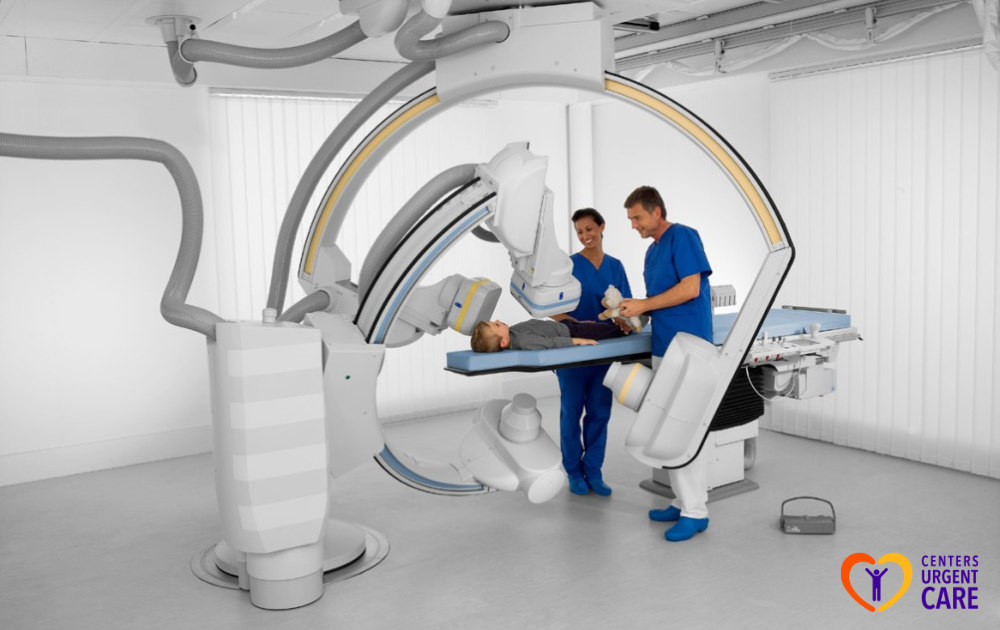
Guiding Treatments
Fluoroscopy-guided treatments are commonly used in areas such as orthopedics, cardiology, and interventional radiology. For example, in orthopedic procedures, fluoroscopy helps surgeons visualize joint movements and implant placements, ensuring optimal outcomes for patients undergoing joint replacement surgeries. In cardiology, fluoroscopy assists in guiding catheter-based treatments for heart conditions, allowing cardiologists to perform minimally invasive procedures with precision.
Harnessing the capabilities of fluoroscopy for both diagnostic and interventional purposes, healthcare providers can deliver personalized and effective care to patients, ensuring accurate diagnoses and successful treatment outcomes across a wide range of medical specialties.
Potential Cancer Risk
Exposures from fluoroscopy procedures can slightly increase the risk of developing cancer later in life. The ionizing radiation used in fluoroscopy, though vital for obtaining real-time imaging, poses a potential risk. It is crucial to note that healthcare providers recommend fluoroscopy when the benefits to your health outweigh the risks. Therefore, the decision to undergo a fluoroscopy procedure is typically made after careful consideration of the individual’s medical needs.
Contrast Dye Usage
In certain fluoroscopy procedures, contrast dyes are used to enhance the visibility of specific structures or organs. While contrast dyes can greatly aid in diagnosis and treatment guidance, there are associated risks, such as allergic reactions or kidney damage. Patients undergoing fluoroscopy with contrast dye should inform their healthcare provider about any allergies or underlying conditions to mitigate potential complications.

Discomfort and Anesthesia
Fluoroscopy procedures, especially those involving prolonged imaging, may cause discomfort for patients. It is important for healthcare providers to communicate effectively with patients, addressing any concerns or discomfort during the procedure. In some cases, anesthesia may be required to ensure patient comfort and cooperation during the fluoroscopy exam, particularly for pediatric or anxious patients.
In considering fluoroscopy procedures, patients and healthcare providers must weigh the benefits of the imaging modality against the associated risks. By adhering to safety guidelines, monitoring radiation exposure, and implementing appropriate protocols, the risks associated with fluoroscopy can be minimized, ensuring the well-being of both patients and medical staff.
Radiation Exposure Management
Efficient management of radiation exposure is crucial in the context of fluoroscopy X-ray procedures to ensure the safety of both patients and healthcare professionals. Two key aspects of radiation exposure management are adjusting manual technique settings and reducing exposure doses.
Manual Technique Settings
In fluoroscopy, adjustments to manual technique settings play a pivotal role in controlling radiation exposure levels. Studies have demonstrated that radiation doses can be minimized by modifying C-arm settings, such as deactivating automatic exposure control (AEC) and utilizing pulse (PULSE) or low-dose (LD) settings. These alterations help regulate the amount of radiation delivered during procedures, contributing to safer imaging practices.
Additionally, optimizing staff positioning and considering variations in patient sizes can impact the radiation doses recorded. By adopting proper positioning techniques and adjusting settings based on individual patient characteristics, healthcare providers can tailor the radiation dose to ensure effective imaging while adhering to safety standards.

Reducing Exposure Doses
Implementing strategies to reduce exposure doses is essential for mitigating the risks associated with radiation exposure during fluoroscopy X-ray examinations. Pulsed fluoroscopy, a specialized imaging technique commonly used for diagnostic purposes and guidance during interventions, offers a valuable approach to minimizing radiation doses.
Compared to continuous mode fluoroscopy, pulsed fluoroscopy enables healthcare professionals to observe rapid movements and identify subtle abnormalities with enhanced temporal resolution. This innovative technique not only facilitates the visualization of dynamic processes but also aids in the performance of various procedures such as catheterizations, biopsies, and imaging of the digestive or urinary system.
Incorporating pulsed fluoroscopy and other dose-reduction strategies into clinical practice, healthcare providers can optimize patient care while prioritizing safety and minimizing radiation exposure risks for both patients and medical staff. Efficient radiation exposure management is fundamental in promoting the effective utilization of fluoroscopy X-ray technology across diverse medical applications.
Applications in Medicine
Using medical applications, fluoroscopy plays a crucial role in both diagnosis and treatment within the healthcare field, offering a range of benefits and advantages.
Diagnostic Capabilities
Fluoroscopy, a dynamic imaging technique that harnesses X-rays to produce real-time images of the internal body structures, provides healthcare professionals with a powerful tool for diagnosis. By offering a live view of internal organs, vessels, tissues, and abnormalities, fluoroscopy enables physicians to identify and assess various health conditions accurately.
Common diagnostic uses of fluoroscopy include the detection of conditions such as cancer, heart disease, gastrointestinal disorders, and musculoskeletal problems. Through this imaging modality, healthcare providers can pinpoint abnormalities, visualize the functioning of internal organs, and guide further diagnostic assessments or treatment plans with precision.
Moreover, advancements in fluoroscopy technology have allowed for the customization of radiation doses. By adjusting manual technique settings on imaging equipment, such as disabling automatic exposure control (AEC) and utilizing pulse or low-dose settings, medical professionals can effectively reduce radiation exposure during fluoroscopy procedures. This targeted approach helps to enhance patient safety and minimize the potential risks associated with ionizing radiation exposure.
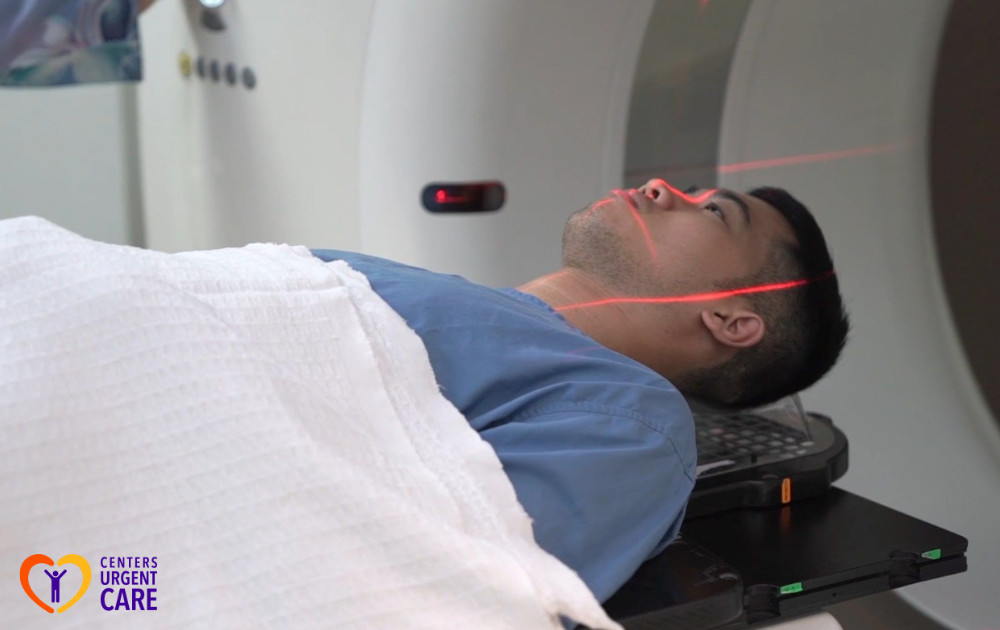
Treatment Advantages
In addition to its diagnostic capabilities, fluoroscopy offers substantial advantages in the realm of medical treatments. By generating real-time x-ray images or videos of a patient’s anatomy, fluoroscopy facilitates interventional procedures that would otherwise be challenging to perform without direct visualization.
Healthcare providers leverage fluoroscopy-guided interventions to address a wide range of medical conditions, including heart disease, gastrointestinal issues, and vascular disorders. This technology enables minimally invasive treatment strategies, allowing physicians to visualize anatomical structures, monitor the progress of interventions in real-time, and precisely deliver therapeutic interventions with enhanced accuracy.
Fluoroscopy is a valuable tool that offers immediate feedback and visualization of internal structures during medical procedures, significantly improving patient outcomes. By reducing the invasiveness of treatments, it enhances the overall quality of care for individuals in need of medical intervention. At Centers Urgent Care, we provide fast, high-quality urgent care services in NYC, for children and adults, ensuring that you receive the best treatment possible. If you’re looking for urgent cares, don’t hesitate to contact us today to learn more about our comprehensive services!
Sources:
2025 has changed my life. I never believed I would be cured by a spell caster who specializes in herbal cure and magical spells. I am talking about the help Doctor Odunga gave to me. I have been cured of herpes HPV which has plagued me for over 2 years. I am very happy to tell others that if you want to be cured or get your ex back spells and get pregnant naturally, even financial blessing through lottery, there is only one place to be and that is with Dr Odunga Spell Temple. Am so happy that just 3 days after taking DR ODUNGA Herbal treatments my herpes was cured permanently. DR ODUNGA also have cure to #HIV #Diabetes #Lupus #Tinnitus #Fibroid #Cancer #Hepatitis B, #Syphilis #Infertility etc … If you have this ailment or whatsoever you might be suffering from you should contact him at his EMAIL: odungaspelltemple@gmail.com OR VIA Whats App +2348167159012