
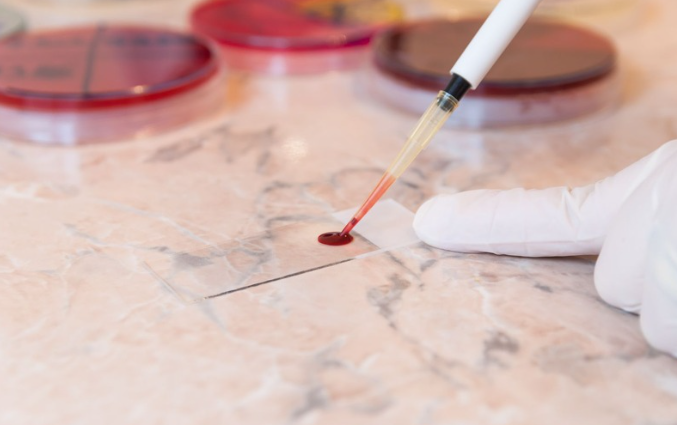
The analysis of a blood smear is a crucial component of diagnosing various medical conditions and assessing overall health. Understanding the significance of blood smear analysis and the fundamentals of performing this technique is essential in the field of urgent care.
Importance of Blood Smear Analysis
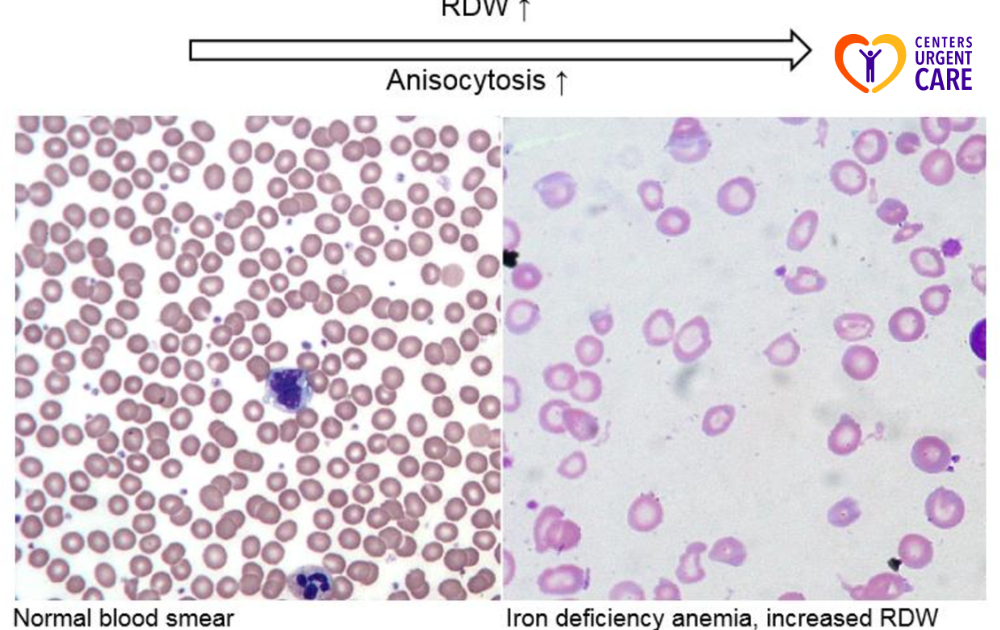
A blood smear provides healthcare providers with valuable information about the cellular components of a patient’s blood. By examining the size, shape, and distribution of red blood cells, white blood cells, and platelets on a microscopic level, medical professionals in urgent care can identify abnormalities that may indicate infections, anemia, clotting disorders, and other underlying health issues.
One of the key benefits of blood smear analysis is its ability to complement other laboratory tests, providing a more comprehensive view of a patient’s health status. This technique plays a vital role in diagnosing hematological disorders, monitoring treatment progress, and guiding further diagnostic investigations.
Basics of Performing a Blood Smear
Performing a blood smear requires precision and attention to detail to ensure accurate results. The process involves several steps, starting from sample collection to microscopic examination. By following standardized procedures and protocols, healthcare providers can obtain high-quality blood smears for analysis.

Mastering the blood smear technique requires practice and proficiency, ensuring that the blood smear is of sufficient quality for accurate interpretation and diagnosis. It is important for healthcare providers in urgent care settings to be well-versed in the fundamentals of performing a blood smear to deliver timely and effective patient care.
Preparing for a Blood Smear
Before delving into the intricate process of performing a blood smear, proper preparation is essential to ensure accurate and reliable results. This section focuses on the two pivotal aspects of preparing for a blood smear: gathering necessary supplies and patient preparation.
Gathering Necessary Supplies
Adequate preparation is key to a successful blood smear procedure. The following table highlights the essential supplies required to conduct a blood smear:
- Microscope slides – To spread and analyze the blood
- Cover slips – To cover the blood smear on the slide
- Lancet or needle – To collect a blood sample
- Alcohol swabs – For disinfecting the puncture site
- Microscope – For examining the blood smear
- Staining reagents – To enhance visibility of blood cells
Ensuring that all necessary supplies are readily available not only streamlines the blood smear process but also contributes to the accuracy of the results obtained.
Patient Preparation
In addition to gathering the required supplies, proper patient preparation is essential for a successful blood smear procedure. Patient preparation involves the following steps:
- Explaining the Procedure: Communicate with the patient to provide a clear understanding of the blood smear process, including its purpose and what to expect during the procedure.
- Obtaining Consent: Obtain informed consent from the patient prior to initiating the blood smear procedure. This ensures patient understanding and compliance.
- Ensuring Patient Comfort: Create a comfortable and relaxed environment for the patient to help reduce anxiety and facilitate the blood collection process.
- Locating a Suitable Site: Identify an appropriate site for blood collection, typically the fingertip or earlobe, ensuring it is clean and free from any obstructions.
- Disinfecting the Site: Use an alcohol swab to clean the selected site before puncturing the skin to minimize the risk of infection.
Meticulously preparing both the necessary supplies and the patient, healthcare professionals can optimize the blood smear process and enhance the accuracy of diagnostic results. Effective preparation sets the foundation for a successful blood smear analysis and ensures a positive experience for both the patient and the healthcare provider.
Steps to Master the Blood Smear Technique
Mastering the art of performing a blood smear is essential for accurate diagnostic evaluation. This section will cover the key steps involved in the blood smear technique: preparing the slide, making the smear, and staining the blood smear.
Preparing the Slide
Before starting the blood smear procedure, it is crucial to prepare the slide properly to ensure optimal sample quality. Here are the essential steps in preparing the slide:
- Gather the Necessary Supplies: Ensure you have all the required supplies, including clean slides, coverslips, alcohol wipes, and a lancet for obtaining the blood sample.
- Label the Slide: Properly label the slide with the patient’s identification information to avoid any mix-ups during the analysis process.
- Clean the Site: Clean the puncture site on the patient’s finger or heel with an alcohol wipe to prevent contamination of the blood sample.
Making the Smear
The next step in mastering the blood smear technique is making the smear. This process involves spreading a thin, even layer of blood on the slide for microscopic examination. Follow these steps to make a successful blood smear:
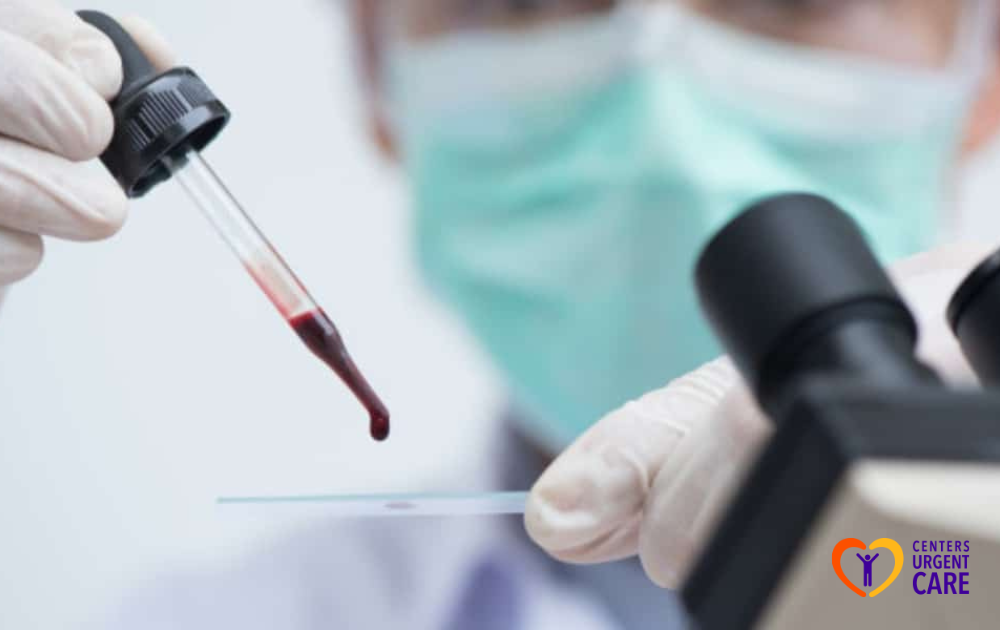
- Collect the Blood Sample: Gently prick the patient’s finger or heel using a lancet and allow a small droplet of blood to form.
- Spread the Blood: Using another slide or a spreader, carefully spread the blood droplet in a single, smooth motion to create a thin smear on the slide.
- Air Dry the Smear: Allow the blood smear to air dry completely before proceeding to the staining step to prevent artifacts or distortion of the sample.
Staining the Blood Smear
Staining the blood smear is the final step in preparing the sample for microscopic examination. Proper staining enhances the visibility of blood cells and aids in identifying various cell types. Follow these steps to stain the blood smear effectively:
- Fixation: Heat-fix the dried blood smear by passing it briefly over a flame to ensure the cells adhere to the slide.
- Staining Solution: Apply a suitable staining solution, such as Wright’s stain or Giemsa stain, to the blood smear and let it sit for the specified time to allow for proper staining of the cells.
- Rinsing: Rinse the excess stain off the slide with distilled water and allow it to dry before proceeding to the microscopic examination phase.
Mastering the preparation of the slide, creating a quality blood smear, and effectively staining the sample, healthcare professionals can ensure accurate and reliable blood smear analysis for diagnostic purposes. These steps are vital in obtaining clear and detailed information about the patient’s blood composition and health status.
Examining the Blood Smear
Once the blood smear has been prepared and stained, the next crucial step is to examine the slide under a microscope. This microscopic examination allows for a detailed analysis of the blood sample, providing valuable insights into the patient’s health.
Microscopic Examination
During the microscopic examination of the blood smear, the observer carefully observes the different components of the blood, including red blood cells, white blood cells, and platelets. By adjusting the focus and magnification of the microscope, the structures of these blood cells can be clearly visualized and assessed for any abnormalities.
It is essential to systematically scan the entire blood smear, examining multiple fields to ensure a comprehensive evaluation. The observer should pay close attention to the morphology, size, shape, and distribution of the blood cells, as these characteristics can indicate various health conditions and disorders.

Interpretation of Results
Interpreting the results of the blood smear requires a thorough understanding of normal and abnormal blood cell morphology. By comparing the observed blood cells to reference ranges and established criteria, healthcare professionals can identify any deviations from normal values and make informed diagnostic decisions.
The interpretation of results may reveal important information about the patient’s hematologic status, such as the presence of anemia, infections, clotting disorders, or leukemia. Abnormalities in the blood smear should be further investigated through additional tests or consultations to confirm diagnoses and develop appropriate treatment plans.
Mastering the art of examining blood smears, healthcare providers can leverage this valuable diagnostic tool to assess the health and well-being of their patients effectively. Regular practice, ongoing education, and attention to detail are key factors in honing the skills required for accurate microscopic examination and interpretation of blood smears.
Troubleshooting and Tips
Mastering the blood smear technique, encountering challenges is not uncommon. In this section, we will address common issues that may arise during the blood smear preparation process and provide tips to enhance the quality of your blood smears.
Common Issues and Solutions
- Uneven Blood Distribution – Ensure proper mixing of the blood sample before creating the smear to achieve a consistent monolayer.
- Smear Too Thick or Thin – Adjust the angle and speed at which the smear is made to control the thickness. Practice creating smears on test slides to gauge the ideal thickness.
- Overstaining or Understaining – Follow the staining protocol meticulously, including the appropriate incubation time. Rinse the slide thoroughly after staining to prevent over or understaining.
- Cell Clumping – Use a fresh blood sample and mix it gently to avoid cell clumping. Ensure the blood is properly spread on the slide during the smear creation process.
- Air Drying Artifacts – Work swiftly to prevent prolonged air exposure of the smear. Utilize a humid chamber when necessary to maintain the integrity of the blood cells during drying.
Tips for Enhancing Blood Smear Quality
- Quality Samples: Ensure the blood sample is fresh and well-mixed to obtain accurate results.
- Patient Relaxation: Ensure the patient is calm to reduce movement during the blood collection process.
- Proper Technique: Practice the blood smear technique regularly to improve proficiency and accuracy.
- Staining Precision: Follow the staining instructions precisely to achieve clear differentiation of blood components.
- Microscope Adjustment: Calibrate the microscope for optimal magnification and focus when examining the blood smear.
- Continuous Learning: Stay updated on advancements in blood smear analysis to enhance your skills and knowledge.
Understanding and addressing common issues that may arise during the blood smear procedure, you can significantly enhance the quality and accuracy of your diagnostic results. Implementing these tips for improvement allows you to refine your technique over time. Remember, mastering the blood smear technique takes practice, patience, and attention to detail. At Centers Urgent Care, we provide fast, high-quality urgent care services in New York for children and adults, ensuring your health and well-being are our top priorities. If you need further assistance or have questions about blood smear procedures, contact us today to learn how we can help you!
Sources:
2025 has changed my life. I never believed I would be cured by a spell caster who specializes in herbal cure and magical spells. I am talking about the help Doctor Odunga gave to me. I have been cured of herpes HPV which has plagued me for over 2 years. I am very happy to tell others that if you want to be cured or get your ex back spells and get pregnant naturally, even financial blessing through lottery, there is only one place to be and that is with Dr Odunga Spell Temple. Am so happy that just 3 days after taking DR ODUNGA Herbal treatments my herpes was cured permanently. DR ODUNGA also have cure to #HIV #Diabetes #Lupus #Tinnitus #Fibroid #Cancer #Hepatitis B, #Syphilis #Infertility etc … If you have this ailment or whatsoever you might be suffering from you should contact him at his EMAIL: odungaspelltemple@gmail.com OR VIA Whats App +2348167159012