

Understanding asymptomatic sexually transmitted diseases (STDs), recognizing their unique characteristics and the importance of seeking urgent medical care are vital aspects in addressing these hidden health concerns.
Understanding Asymptomatic STDs
Asymptomatic STDs refer to infections that do not present any noticeable symptoms, making them challenging to detect without proper testing. Despite the lack of visible signs, these STDs can still be transmitted to sexual partners, leading to potential health complications if left untreated. Common asymptomatic STDs include chlamydia, gonorrhea, and human papillomavirus (HPV). Seeking timely medical advice and testing at an urgent care facility can help manage these infections before they lead to more serious health issues.
It’s crucial to recognize that individuals can unknowingly carry and spread asymptomatic STDs, underscoring the significance of regular screening, especially for those who engage in unprotected sexual activity or have multiple partners.
Importance of Seeking Urgent Care
Seeking urgent care for asymptomatic STDs plays a pivotal role in early detection, treatment, and prevention of further transmission. Urgent care facilities offer timely access to healthcare professionals who can conduct diagnostic tests, provide appropriate treatment, and offer guidance on partner notification and preventive measures.
It is essential for individuals who suspect they may have been exposed to an STD, even in the absence of symptoms, to seek urgent medical attention promptly. Timely intervention not only helps in managing the infection but also contributes to the overall public health by reducing the spread of STDs within communities.
Understanding the nuances of asymptomatic STDs and recognizing the importance of immediate medical attention can lead to better health outcomes for individuals and contribute to the broader goal of STD prevention and control.

Detection and Testing
Understanding the challenges of identifying asymptomatic sexually transmitted diseases (STDs) is crucial in the urgent care setting. Despite showing no symptoms, individuals can still carry and transmit STDs unknowingly. Let’s delve into the obstacles faced in detecting asymptomatic STDs and the diagnostic tests available in urgent care.
Challenges of Identifying Asymptomatic STDs
Detecting asymptomatic STDs poses a significant challenge for healthcare providers in urgent care facilities. The absence of noticeable symptoms makes it difficult for individuals to seek timely testing and treatment. Moreover, asymptomatic carriers may unknowingly spread STDs to their partners, exacerbating the risk of transmission within the community.
Diagnostic Tests in Urgent Care
In urgent care settings, healthcare providers utilize a range of diagnostic tests to identify asymptomatic STDs efficiently. These tests help in detecting infections even in the absence of symptoms, enabling early intervention and prevention of further transmission. Some common diagnostic tests used in urgent care for asymptomatic STDs include:
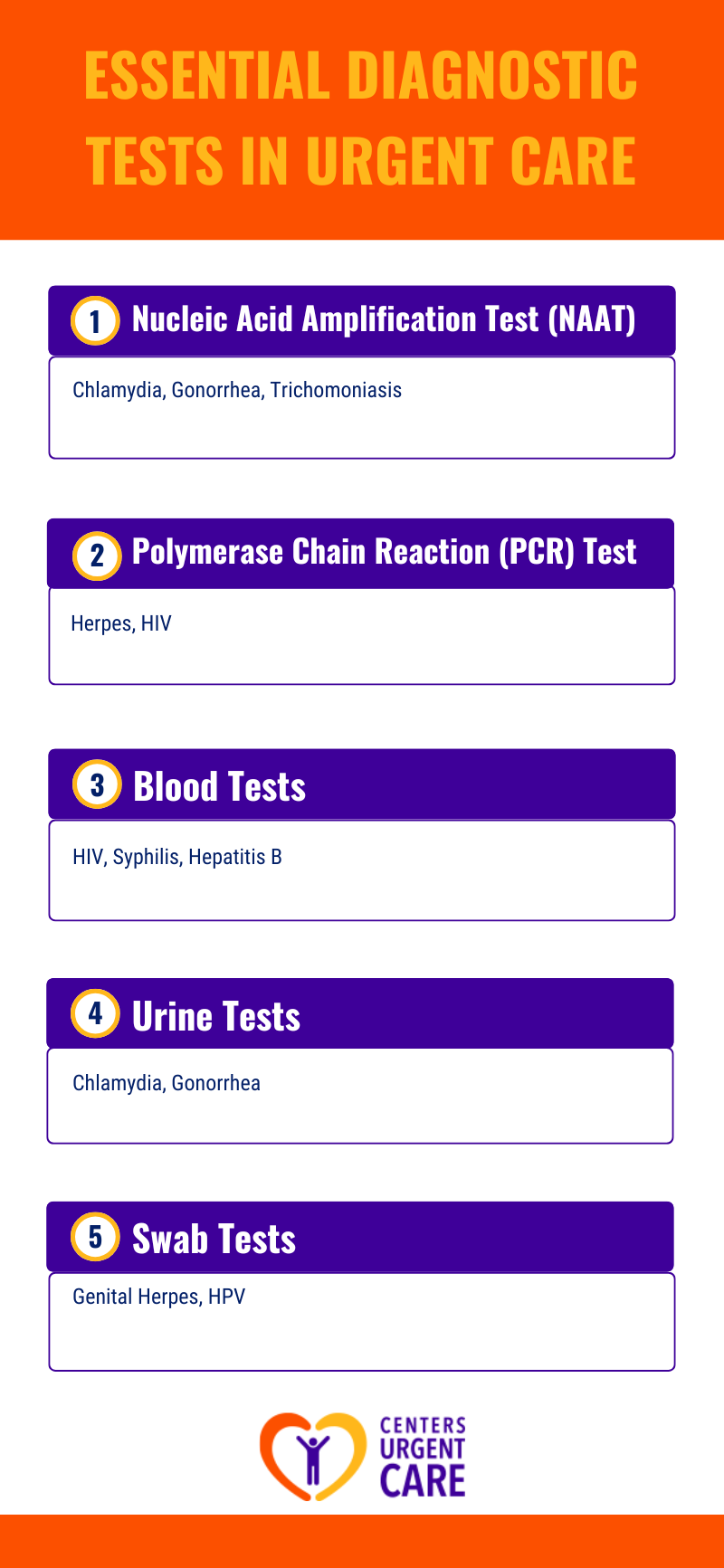
The utilization of these diagnostic tests in urgent care plays a vital role in identifying asymptomatic STDs, guiding appropriate treatment decisions, and preventing the further spread of infections within the community. Early detection through comprehensive testing is key to managing asymptomatic STDs effectively and promoting overall sexual health.
Treatment Options
Managing asymptomatic sexually transmitted diseases (STDs) in urgent care settings, there are specific treatment options available to address the infections effectively. Two crucial aspects of treatment for asymptomatic STDs include the use of antibiotics and partner notification and treatment.
Antibiotics for Asymptomatic STDs
Antibiotics play a key role in the treatment of asymptomatic STDs by targeting the underlying infections and preventing further complications. The choice of antibiotics depends on the type of STD diagnosed through testing. Below is a summary of common antibiotics used to treat asymptomatic STDs:
STD Type: Chlamydia
- Common Antibiotics: Azithromycin, Doxycycline
- Treatment Regimen: Single dose or multiple doses over a week
STD Type: Gonorrhea
- Common Antibiotics: Ceftriaxone, Azithromycin
- Treatment Regimen: Combination therapy usually administered in a single visit
STD Type: Syphilis
- Common Antibiotics: Penicillin G
- Treatment Regimen: Injections based on the stage of infection
STD Type: Trichomoniasis
- Common Antibiotics: Metronidazole, Tinidazole
- Treatment Regimen: Single dose or multiple doses
It’s crucial for individuals diagnosed with asymptomatic STDs to complete the full course of antibiotics as prescribed by healthcare providers. This helps to ensure that the infection is completely eradicated and reduces the risk of transmission to sexual partners.
Partner Notification and Treatment
Partner notification and treatment are essential components of managing asymptomatic STDs in urgent care settings. Informing and involving sexual partners in the treatment process is crucial for preventing reinfection and spreading the infection further. Healthcare providers may offer guidance on how to notify partners discreetly and encourage them to seek testing and treatment.
Partner treatment often involves recommending that sexual partners get tested for STDs and receive appropriate treatment if necessary. This collaborative approach helps to break the cycle of transmission and promotes overall sexual health within partnerships and communities.
Combining the use of antibiotics to treat the infection and engaging in partner notification and treatment strategies, individuals with asymptomatic STDs can effectively manage their condition and reduce the potential impact on their health and the health of their partners. Regular follow-up testing and adherence to preventative measures are also important to monitor the effectiveness of treatment and prevent future infections.
Follow-Up Care
After receiving treatment for asymptomatic STDs in urgent care, follow-up care is essential to ensure the effectiveness of the treatment and prevent potential complications. This section focuses on the importance of follow-up testing and the role of preventative measures and counseling in managing asymptomatic STDs.
Importance of Follow-Up Testing
Follow-up testing plays a crucial role in monitoring the response to treatment and detecting any potential reinfection or persistent infection. It is recommended to undergo follow-up testing as advised by healthcare providers to confirm that the STD has been effectively treated.
Regular follow-up testing helps to identify any recurrence of the infection early on, allowing for prompt intervention and preventing the spread of STDs to other individuals. Healthcare professionals may recommend specific tests based on the type of STD treated and individual risk factors.

Preventative Measures and Counseling
In addition to follow-up testing, preventative measures and counseling are vital components of comprehensive care for asymptomatic STDs. Counseling sessions provide an opportunity for individuals to discuss safe sex practices, risk reduction strategies, and the importance of open communication with sexual partners.
Healthcare providers may offer guidance on consistent and correct condom use, sexual health education, and ways to prevent the transmission of STDs in the future. Counseling sessions also serve to address any emotional or psychological aspects related to STD diagnosis and treatment, promoting overall well-being and sexual health.
It’s important to adhere to the recommendations provided during follow-up care, practice safe sex behaviors, and attend scheduled follow-up appointments to maintain optimal sexual health and reduce the risk of recurrent infections. By actively participating in follow-up testing and embracing preventative measures and counseling, individuals can take proactive steps towards managing asymptomatic STDs and promoting their overall health and well-being.
Urgent care facilities, in collaboration with community resources, play a vital role in managing asymptomatic STDs while supporting broader public health goals. These efforts promote sexual health, prevent the transmission of infections, and create a supportive environment for individuals seeking care and information. At Centers Urgent Care, we offer fast, high-quality urgent care services in NY for children and adults, ensuring that you receive the care you need in a compassionate setting. If you’re looking for reliable urgent care, don’t hesitate to contact us today to learn how we can help you prioritize your health!
Sources:
2025 has changed my life. I never believed I would be cured by a spell caster who specializes in herbal cure and magical spells. I am talking about the help Doctor Odunga gave to me. I have been cured of herpes HPV which has plagued me for over 2 years. I am very happy to tell others that if you want to be cured or get your ex back spells and get pregnant naturally, even financial blessing through lottery, there is only one place to be and that is with Dr Odunga Spell Temple. Am so happy that just 3 days after taking DR ODUNGA Herbal treatments my herpes was cured permanently. DR ODUNGA also have cure to #HIV #Diabetes #Lupus #Tinnitus #Fibroid #Cancer #Hepatitis B, #Syphilis #Infertility etc … If you have this ailment or whatsoever you might be suffering from you should contact him at his EMAIL: odungaspelltemple@gmail.com OR VIA Whats App +2348167159012