Caesarean sections (C-sections) are a lifesaving surgical procedure for mothers and babies during complicated deliveries. However, as the global rate of C-sections continues to rise, questions about their long-term health implications for both mothers and children are increasingly relevant. From recovery milestones like DOT Physical assessments to broader health impacts, this article explores the potential long-term effects of C-sections, offering insights into physical, emotional, and developmental outcomes.
What Is a C-Section?
A C-section is a surgical procedure in which an incision is made in the mother’s abdomen and uterus to deliver the baby. While often performed in emergency situations, elective C-sections are becoming more common. Although they can be essential for safety, understanding their long-term impacts is crucial.
Common Reasons for C-Sections
- Fetal distress
- Prolonged labor
- Breech position
- Placenta previa
- Health conditions such as preeclampsia
Long-Term Health Effects on Mothers
Physical Health Impacts
C-sections can have lasting physical effects on mothers. While the procedure is generally safe, it is associated with:
- Increased Risk of Adhesions: Scar tissue may form between organs, potentially leading to chronic pain or complications in future pregnancies.
- Infections: Postoperative infections can sometimes result in long-term health issues.
- Pelvic Pain: Some women report persistent pelvic pain after a C-section.
Impact on Future Pregnancies
Women who have had a C-section may experience challenges in subsequent pregnancies, such as:
- Placenta Accreta: The placenta attaches too deeply to the uterine wall.
- Uterine Rupture: Rare but serious, this condition may occur during labor in subsequent pregnancies.
Emotional and Psychological Effects
For some mothers, C-sections can lead to feelings of disappointment or guilt, particularly if the procedure was unplanned. Additionally, postpartum depression and anxiety may be more common among women recovering from a C-section due to factors like longer recovery times and physical discomfort.
Long-Term Health Effects on Children
Immune System Development
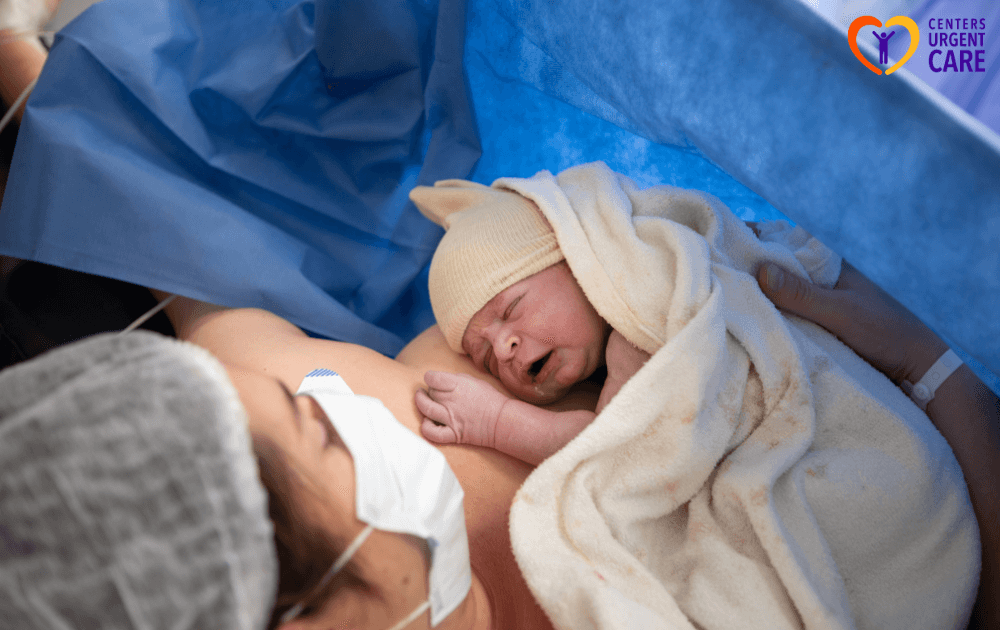
Research suggests that babies born via C-section may miss out on exposure to beneficial bacteria found in the birth canal, which can influence their microbiome and immune system. This may lead to a higher risk of:
- Allergies
- Asthma
- Autoimmune disorders
Obesity and Metabolic Disorders
Some studies have indicated a potential link between C-section births and an increased risk of obesity or metabolic conditions later in life. The exact mechanisms are still being investigated, but the disruption of early microbial exposure is considered a possible factor.
Cognitive and Developmental Concerns
While evidence is less conclusive, there is ongoing research into whether C-sections might affect neurodevelopment. Some studies suggest a slight correlation between C-section births and conditions like ADHD, but these findings are not definitive.
Recovery and Long-Term Self-Care
Postoperative Recovery
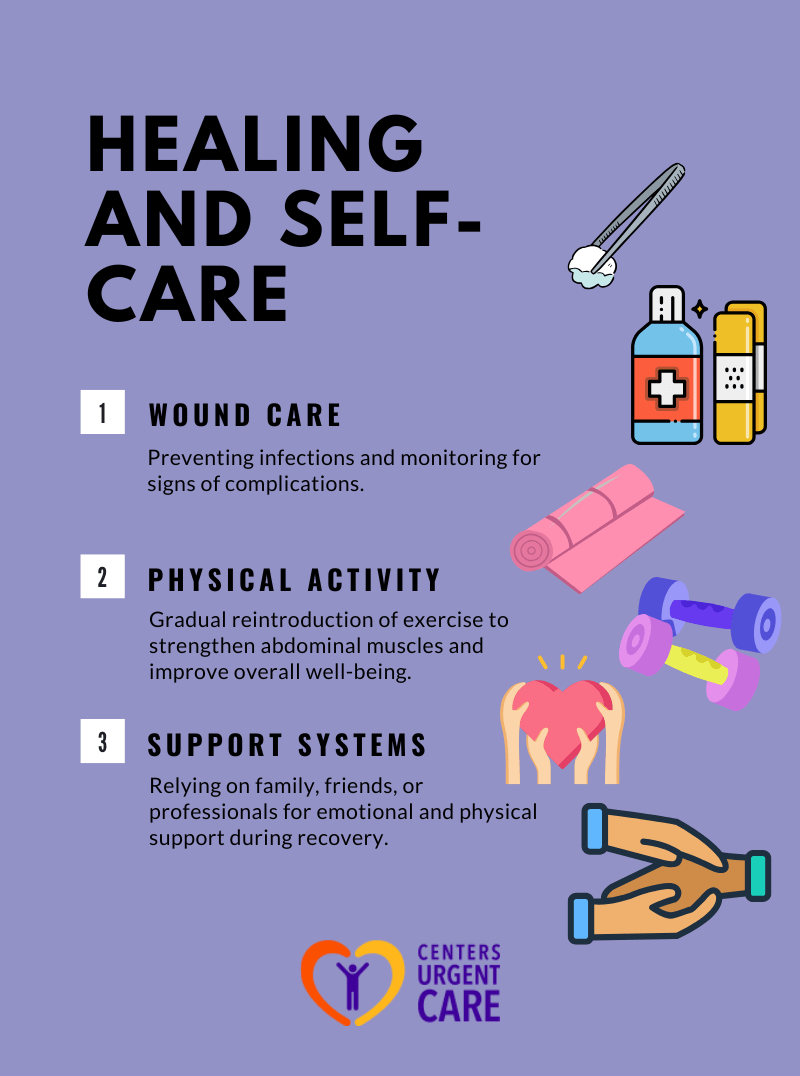
Recovery from a C-section typically takes longer than recovery from vaginal birth, requiring up to 6–8 weeks for initial healing. To ensure long-term health, mothers should focus on:
Lifestyle Adjustments
Mothers should prioritize long-term health through balanced nutrition, regular checkups, and mental health care.
Reducing Risks Associated with C-Sections
While C-sections are sometimes unavoidable, there are strategies to minimize associated risks:
- Choosing Vaginal Birth When Possible: Vaginal birth, when safe, often reduces long-term health risks for both mother and child.
- Proper Prenatal Care: Ensuring regular prenatal visits and managing health conditions can reduce the likelihood of needing a C-section.
- Proactive Postoperative Care: Early intervention for infections, pain, or emotional distress can mitigate long-term effects.
C-sections are a vital part of modern obstetrics, but understanding their long-term health implications is key to making informed decisions. While many women and children recover fully without significant issues, identifying and addressing potential risks can improve outcomes and provide peace of mind. At Centers Urgent Care, we offer fast, high-quality urgent care services in NY for children and adults to support your health journey every step of the way. If you need expert guidance or care, contact us today to explore how we can assist you. For comprehensive care, visit us for urgent care services!
Sources: