

In exploring the realm of trichomoniasis, it’s essential to grasp the fundamental aspects of this sexually transmitted infection (STI). Understanding ‘what is trichomoniasis?’ and ‘how is trichomoniasis transmitted?’ provides a foundational knowledge for individuals seeking information on this condition.
What is Trichomoniasis?
Trichomoniasis, often referred to as trichomoniasis STD, is a common sexually transmitted infection caused by a parasite known as Trichomonas vaginalis. This condition mainly impacts the urinary and genital systems in both males and females, with females being more likely to show symptoms. For those seeking to maintain their health, a DOT physical may also be required to ensure fitness for work, especially when dealing with any medical conditions that could affect overall health.
Trichomoniasis can manifest with symptoms such as vaginal discharge (typically greenish-yellow), genital itching, discomfort during urination, and sometimes pelvic pain. However, it’s important to note that some individuals infected with trichomoniasis may not display any symptoms, making it imperative to undergo regular STI screenings for early detection and treatment.
How is Trichomoniasis Transmitted?
The transmission of trichomoniasis occurs predominantly through sexual contact with an infected partner. The parasite can reside in the genital area, including the vulva, vagina, penis, and urethra. Transmission can happen through both penetrative (vaginal or anal) and non-penetrative (oral-genital) sexual activities, making it crucial for individuals to practice safe sex measures such as condom usage to reduce the risk of contracting or spreading trichomoniasis.
Understanding the nature of trichomoniasis and its mode of transmission can empower individuals to make informed decisions regarding their sexual health and seek appropriate medical assistance for diagnosis and treatment. Regular screenings, safe sex practices, and prompt medical intervention are key components in effectively managing trichomoniasis and promoting overall sexual health.
Medications for Trichomoniasis STD
In treating Trichomoniasis STD, medications play a vital role in combating the infection and restoring health. Two common approaches in medication therapy for Trichomoniasis include antibiotics for direct treatment and the choice between oral and topical medications for efficient delivery.

Antibiotics for Trichomoniasis
Antibiotics are the primary line of defense against Trichomoniasis STD. These medications are specifically designed to target the protozoan parasite responsible for the infection. Common antibiotics used to treat Trichomoniasis include metronidazole and tinidazole. These antibiotics work by disrupting the DNA and metabolic processes of the parasite, effectively eradicating the infection.
Antibiotic: Metronidazole
- Treatment Regimen – Typically a single dose or multiple doses over 7 days
- Administration – Oral or intravaginal
Antibiotic: Tinidazole
- Treatment Regimen – Single dose or multiple doses over 2-5 days
- Administration – Oral
It is essential to complete the full course of antibiotics as prescribed by a healthcare provider to ensure the infection is completely eradicated and to prevent the development of antibiotic resistance.
Oral vs. Topical Medications
The choice between oral and topical medications may depend on various factors, including the severity of the infection, individual preferences, and healthcare provider recommendations. Regardless of the administration route, following the prescribed treatment regimen and completing the full course of medication is crucial for successful treatment outcomes. By understanding the differences between oral and topical medications, individuals can make informed decisions in partnership with their healthcare providers to effectively manage Trichomoniasis STD.
Side Effects and Considerations
In treating trichomoniasis STD with medications, it’s important to be aware of potential side effects and considerations that may arise during the course of treatment. Understanding these aspects can help individuals make informed decisions about their healthcare journey. In this section, we will explore the common side effects of medications used for trichomoniasis and the precautions and follow-up care necessary for successful treatment.
Common Side Effects of Medications
Medications prescribed for trichomoniasis STD are generally well-tolerated by most individuals. However, like any medication, they may come with some side effects. It’s essential to be aware of these potential side effects to monitor any adverse reactions and seek medical attention if needed. Below are some common side effects associated with medications for trichomoniasis:
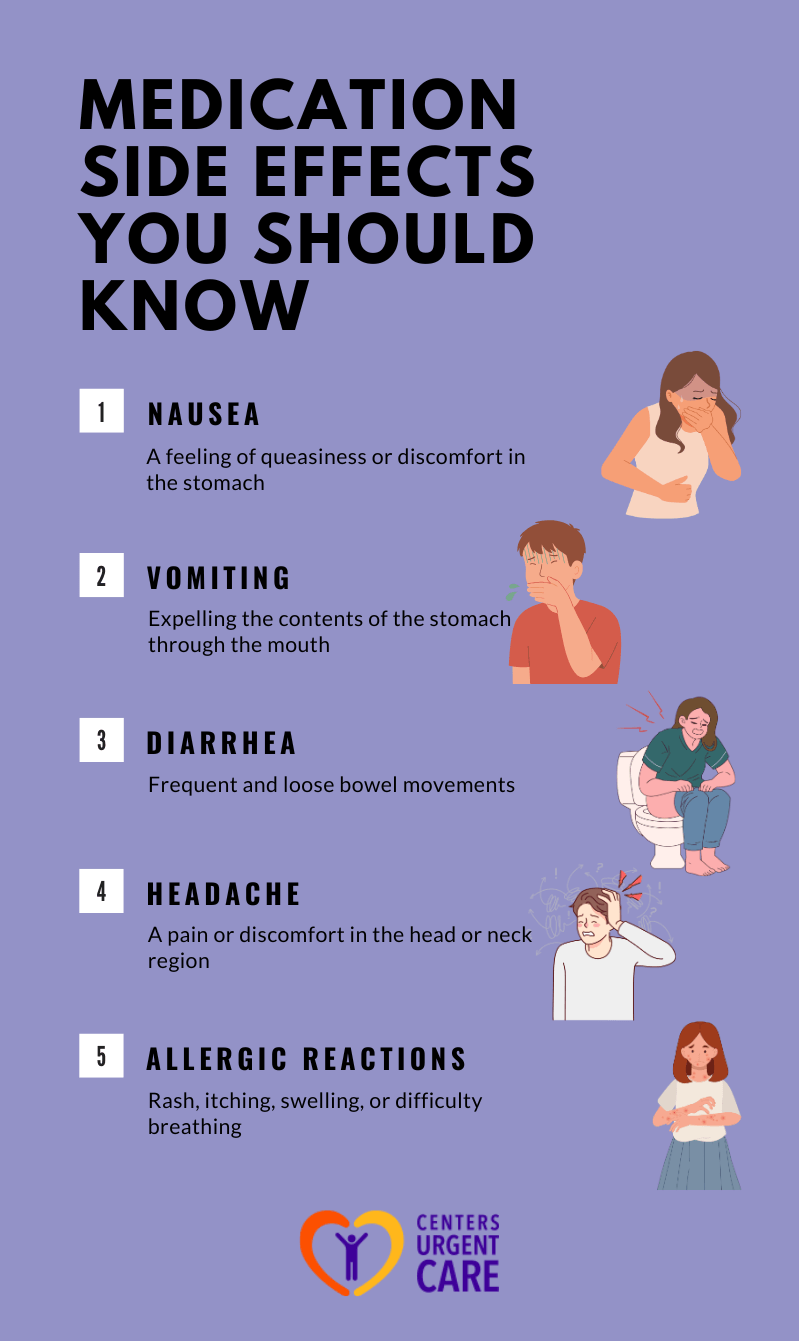
If you experience severe or persistent side effects while taking medication for trichomoniasis, it is crucial to contact your healthcare provider promptly for further evaluation and guidance.
Precautions and Follow-Up Care
In addition to being aware of potential side effects, individuals undergoing treatment for trichomoniasis STD should also take certain precautions and follow-up care to ensure the effectiveness of the medication and promote overall health. Some key considerations include:
- Completing the Full Course: It is essential to complete the full course of medication as prescribed by your healthcare provider, even if symptoms improve before finishing the treatment. Skipping doses or stopping prematurely can lead to treatment failure and potential recurrence of the infection.
- Avoiding Alcohol: Some medications used to treat trichomoniasis STD may interact with alcohol, leading to adverse effects. It is advisable to abstain from alcohol consumption during the course of treatment to prevent complications.
- Follow-Up Testing: After completing the medication regimen, follow-up testing may be recommended to ensure that the infection has been successfully treated. This step is vital to confirm eradication of the parasite and prevent reinfection.
- Practicing Safe Sex: To prevent reinfection and transmission of trichomoniasis, individuals should practice safe sex behaviors, including using condoms consistently and correctly.
Understanding the common side effects of medications for trichomoniasis and following the necessary precautions and follow-up care, individuals can optimize their treatment outcomes and promote their overall well-being. Seeking guidance from healthcare providers and maintaining open communication throughout the treatment process is key to managing trichomoniasis effectively.
Effectiveness of Treatment
In addressing trichomoniasis STD, understanding the effectiveness of treatment options is crucial. In this section, we will delve into the success rates of medications used to combat trichomoniasis and the various factors that can influence the outcome of treatment.
Success Rates of Medications
Medications prescribed for trichomoniasis STD are typically antibiotics that target the parasite causing the infection. These antibiotics are highly effective in treating trichomoniasis, with a significant success rate in clearing the infection. Below is a table outlining the success rates of common medications used for treating trichomoniasis:
- Metronidazole – 90-95%
- Tinidazole – 85-90%
It’s important to note that the success of treatment is largely dependent on following the prescribed medication regimen diligently and completing the full course of antibiotics as directed by a healthcare provider.
Factors Affecting Treatment Outcome
Several factors can impact the outcome of treatment for trichomoniasis STD. These factors include the following:
- Compliance with Medication: Adhering to the prescribed treatment regimen is crucial for the successful eradication of the infection. Skipping doses or stopping medication prematurely can lead to treatment failure.
- Partner Treatment: It is recommended that sexual partners also receive treatment to prevent reinfection. Failure to treat all parties involved can result in recurrent infections.
- Drug Resistance: In some cases, the parasite may develop resistance to certain antibiotics, reducing the effectiveness of treatment. Healthcare providers may need to consider alternative medications in such instances.
Considering these factors and ensuring proper adherence to treatment protocols, individuals can improve the likelihood of successful treatment outcomes for trichomoniasis STD. Seeking guidance from healthcare providers and following up on care as recommended are essential steps in effectively managing and treating this sexually transmitted infection.

Consultation with Healthcare Providers
Consulting with healthcare providers, such as doctors or specialists in sexual health, is the first step towards addressing trichomoniasis STD. During the consultation, healthcare professionals will conduct a thorough assessment, including reviewing symptoms, performing diagnostic tests, and discussing treatment options. It’s essential to provide accurate information about your health history and any symptoms experienced to ensure a proper diagnosis and treatment plan.
Additionally, healthcare providers can offer valuable information on preventive measures, potential complications, and ways to reduce the risk of reinfection. Regular follow-up appointments may be recommended to monitor progress, evaluate treatment effectiveness, and address any concerns or side effects that may arise during the course of treatment.
Actively engaging with healthcare providers, following their recommendations, and prioritizing compliance with the prescribed treatment plan, individuals can effectively manage and overcome trichomoniasis. Open communication with your healthcare team is crucial for achieving a successful treatment outcome and ensuring overall health and well-being. Centers Urgent Care offers you high-quality, fast urgent care services in New York City for both children and adults. If you’re in need of care, contact us today and let us support you on your journey to better health.
Sources:
2025 changed my life. I never believed I would be cured by a spell caster who specializes in herbal cure and magical spells. I am talking about the help Doctor Odunga gave to me. I have been cured of herpes HPV which has plagued me for over 2 years. I am very happy to tell others that if you want to be cured or get your ex back spells and get pregnant naturally, even financial blessing through lottery, there is only one place to be and that is with Dr Odunga Spell Temple. Am so happy that just 3 days after taking DR ODUNGA Herbal treatments my herpes was cured permanently. DR ODUNGA also have cure to #HIV #Diabetes #Lupus #Tinnitus #Fibroid #Cancer #Hepatitis B, #Syphilis #Infertility etc … If you have this ailment or whatsoever you might be suffering from you should contact him at his EMAIL: odungaspelltemple@gmail.com OR VIA Whats App +2348167159012