

In medical imaging, one common diagnostic procedure is the C-Spine X-Ray Lateral. This imaging technique provides valuable insights into the cervical spine, helping healthcare professionals assess and diagnose various conditions. Understanding what a C-Spine X-Ray Lateral entails and its purpose is crucial for individuals undergoing this procedure.
What is a C-Spine X-Ray Lateral?
A C-Spine X-Ray Lateral, also known as a lateral cervical spine X-ray, is a radiographic imaging technique that captures a side view of the cervical spine. This specialized X-ray provides a detailed view of the vertebrae in the neck region, including the alignment, structure, and potential abnormalities. By visualizing the cervical spine from a lateral perspective, healthcare providers can evaluate the bones, joints, and soft tissues for any signs of injury, degeneration, or other underlying issues. In some cases, a chest X-ray may also be recommended to assess any related concerns in the thoracic region or to rule out other possible causes of symptoms.
Purpose of a C-Spine X-Ray
The primary purpose of a C-Spine X-Ray Lateral is to assess the cervical spine for any abnormalities or injuries that may be causing neck pain, tingling, weakness, or other symptoms. This diagnostic imaging tool is commonly used to:
- Evaluate the alignment and stability of the cervical vertebrae.
- Identify fractures, dislocations, or other traumatic injuries following a neck injury.
- Detect degenerative changes, such as arthritis or disc herniation, affecting the cervical spine.
- Assist in diagnosing conditions like spinal cord compression, tumors, or infections in the neck region.
A C-Spine X-Ray Lateral plays a critical role in helping healthcare professionals make accurate diagnoses, develop treatment plans, and monitor the progress of cervical spine conditions. By understanding the purpose and significance of this imaging procedure, individuals can gain insights into their neck health and receive appropriate medical care based on the findings.
A C-Spine X-Ray Lateral is a valuable diagnostic tool used to evaluate the cervical spine and pinpoint any structural abnormalities or injuries that may be impacting an individual’s neck health. Understanding the role of this imaging technique can empower individuals to take proactive steps toward addressing neck-related concerns and collaborating with healthcare providers to optimize their well-being.
What to Expect During the Procedure
Before undergoing a C-Spine X-Ray Lateral, it’s essential to have a clear understanding of what the procedure entails. During the X-ray, the individual will be positioned in front of a specialized X-ray machine. The technologist will provide instructions on how to position the head and neck to obtain the necessary images of the cervical spine.
The X-ray machine emits a small amount of radiation to capture detailed images of the cervical spine from various angles. Patients are required to remain still during the imaging process to ensure clear and accurate results. The procedure is quick and typically takes only a few minutes to complete.
Safety Measures During the X-Ray
Safety measures are implemented during a C-Spine X-Ray Lateral to minimize radiation exposure and ensure the well-being of the individual. Lead aprons or shields may be provided to cover areas of the body not being imaged, such as the chest and abdomen, to shield them from unnecessary radiation.
To protect sensitive body parts, the technologist may use lead collars or thyroid shields. These protective devices safeguard vital organs from radiation exposure while allowing the cervical spine to be imaged effectively. It’s important for patients to communicate with the technologist regarding any concerns or conditions that may impact the X-ray procedure.
Overall, the safety and comfort of the individual are top priorities during the C-Spine X-Ray Lateral. By following safety protocols and cooperating with the technologist’s instructions, patients can undergo the imaging process with confidence and minimal risk.

Interpreting the Results
In interpreting the results of a C-Spine X-Ray Lateral, understanding both normal and abnormal findings is crucial for accurate diagnosis and treatment planning.
Normal Findings on C-Spine X-Ray
A C-Spine X-Ray Lateral is primarily used to assess the cervical spine, focusing on the alignment and integrity of the vertebrae in the neck region. Normal findings on a C-Spine X-Ray include:
- Intact alignment of the cervical vertebrae, with the normal gentle curvature of the spine.
- Well-defined vertebral bodies and intervertebral spaces.
- Absence of fractures, dislocations, or other structural abnormalities.
- Clear visualization of the soft tissues surrounding the cervical spine.
In a normal C-Spine X-Ray, the bony structures appear symmetrical, and there are no signs of compression or misalignment that could indicate underlying issues.
Abnormal Findings and Their Implications
On the other hand, abnormal findings on a C-Spine X-Ray can indicate various underlying conditions or injuries that may require further evaluation or treatment. Some common abnormal findings and their implications include:
- Fractures or Dislocations – May indicate trauma or instability in the spine.
- Degenerative Changes – Sign of wear and tear or age-related changes.
- Tumors or Lesions – Possible presence of growths or abnormalities.
- Narrowing of Spinal Canal – Could suggest spinal stenosis or nerve compression.
- Alignment Irregularities – Misalignments may lead to pain or mobility issues.
It’s important for healthcare providers to carefully review and analyze any abnormal findings on a C-Spine X-Ray to determine the underlying cause and develop an appropriate treatment plan. Follow-up procedures, such as additional imaging studies or clinical evaluations, may be necessary to further investigate abnormal results and provide optimal care for the patient.
Importance of C-Spine X-Ray Lateral
In medical imaging, the C-spine X-ray lateral plays a vital role in diagnosing and monitoring cervical spine conditions. Understanding the diagnostic uses of this imaging technique and the follow-up procedures after an abnormal X-ray is crucial for proper healthcare management.
Diagnostic Uses of C-Spine X-Ray
The C-spine X-ray lateral is commonly used by healthcare providers to assess the cervical spine, which consists of the first seven vertebrae in the spine. This imaging technique provides detailed visuals of the bones, joints, and soft tissues in the neck region, allowing for the evaluation of various conditions, including:
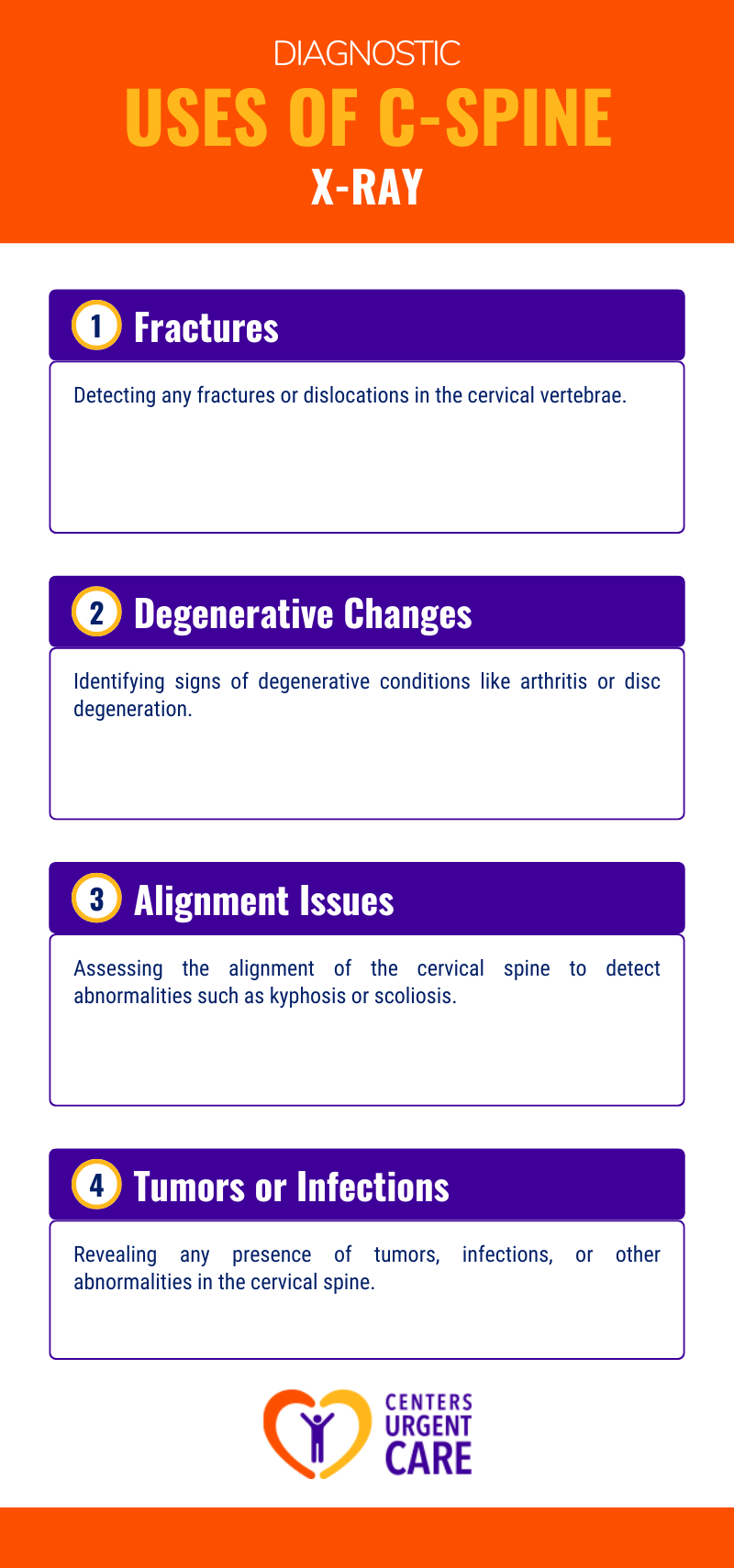
Utilizing C-spine X-ray lateral images, healthcare professionals can accurately diagnose and develop treatment plans for patients with cervical spine injuries or disorders.
Follow-Up Procedures After an Abnormal X-Ray
In cases where an abnormality is identified on a C-spine X-ray lateral, follow-up procedures may be necessary to further evaluate the condition and determine the appropriate course of action. Depending on the specific findings, follow-up assessments may include:
- Advanced Imaging: Follow-up imaging studies such as MRI or CT scans may be recommended to obtain more detailed information about the cervical spine structures.
- Specialist Consultation: Referral to a spine specialist or orthopedic surgeon for further evaluation and treatment recommendations.
- Treatment Planning: Developing a customized treatment plan based on the X-ray findings to address the underlying cervical spine issue, whether through medication, physical therapy, or surgical intervention.
Timely follow-up after an abnormal C-spine X-ray lateral is essential to ensure prompt management of cervical spine conditions and prevent potential complications. By working closely with healthcare providers and following through with recommended follow-up procedures, individuals can receive the necessary care and support for their cervical spine health.
Risks and Limitations
In undergoing a C-Spine X-Ray Lateral, there are certain potential risks and limitations that individuals should be aware of to make informed decisions.
Potential Risks of C-Spine X-Ray
While C-Spine X-Ray Lateral is a commonly used diagnostic imaging tool, there are some potential risks associated with the procedure that individuals should consider. These risks include:
- Radiation Exposure – The primary concern with X-ray imaging is exposure to ionizing radiation, which can carry a small risk of potential harm. However, the benefits of the diagnostic information obtained from the X-ray often outweigh the minimal risks.
- Allergic Reactions – In some cases, individuals may have allergic reactions to contrast agents used during certain types of X-rays. It is important to inform healthcare providers of any known allergies prior to the procedure.
- Pregnancy Risk – For pregnant individuals, there is a concern about radiation exposure impacting the developing fetus. Healthcare providers take special precautions for pregnant patients to minimize radiation exposure during X-ray imaging.
Limitations in Diagnostic Accuracy
Despite being a valuable diagnostic tool, C-Spine X-Ray Lateral does have limitations in terms of its diagnostic accuracy. These limitations include:
- Structural Limitations – The two-dimensional nature of X-ray imaging may not provide a comprehensive view of the cervical spine, leading to potential limitations in detecting certain conditions or abnormalities.
- Overlapping Structures – In some cases, overlapping anatomical structures in the cervical spine can make it challenging to differentiate between different tissues or identify specific areas of concern accurately.
- Soft Tissue Visualization – X-ray imaging is better suited for capturing images of bones and less effective in visualizing soft tissues like muscles, ligaments, or nerves, limiting the detailed assessment of soft tissue abnormalities.
Understanding the potential risks and limitations of a C-Spine X-Ray Lateral is crucial for individuals undergoing this imaging procedure. By staying informed, patients can collaborate with their healthcare providers to make well-informed decisions regarding their diagnostic and treatment options. At Centers Urgent Care, we offer fast, high-quality urgent care services for both children and adults, ensuring you receive the best possible care. If you need urgent care in NY, don’t hesitate to reach out to us today. Let us provide the support you need for your health and well-being!
Sources:
2025 has changed my life. I never believed I would be cured by a spell caster who specializes in herbal cure and magical spells. I am talking about the help Doctor Odunga gave to me. I have been cured of herpes HPV which has plagued me for over 2 years. I am very happy to tell others that if you want to be cured or get your ex back spells and get pregnant naturally, even financial blessing through lottery, there is only one place to be and that is with Dr Odunga Spell Temple. Am so happy that just 3 days after taking DR ODUNGA Herbal treatments my herpes was cured permanently. DR ODUNGA also have cure to #HIV #Diabetes #Lupus #Tinnitus #Fibroid #Cancer #Hepatitis B, #Syphilis #Infertility etc … If you have this ailment or whatsoever you might be suffering from you should contact him at his EMAIL: odungaspelltemple@gmail.com OR VIA Whats App +2348167159012