
Wellness Tips from Josef Schenker, MD
Welcome to our Wellness Tips blog series, brought to you by Dr. Josef Schenker, the Medical Director at Centers Urgent Care. In this series, Dr. Schenker shares his extensive knowledge and experience in internal medicine and emergency medical services, including bursitis treatment and prevention, to help you lead a healthier life.
Dr. Schenker will cover a range of crucial health topics, offering expert advice on how to avoid common ailments. With a focus on prevention and practical tips, each blog post is designed to empower you with the information you need to make informed decisions about your health and well-being.
Bursitis Treatment and Prevention
Knee, elbow, shoulder, and hip bursitis occurs when the small fluid-filled sacs that cushion joints get irritated or infected. Studies show prepatellar and olecranon bursitis alone can reach at least 10 cases per 100,000 people yearly, especially in adults who kneel or lean on hard surfaces. Early care limits pain, swelling, and missed movement. Dr. Josef Schenker guides patients to reduce strain, calm flares, and spot symptoms that need in-person care. Let’s head over the next sections to break that down.
Dr. Josef Schenker Explains the Symptoms of Bursitis
Bursitis symptoms usually stay close to the joint where the bursa is irritated. According to Dr. Josef Schenker, symptoms tend to build around pain, swelling, and loss of motion rather than sudden joint collapse. Here are the common symptoms of bursitis:
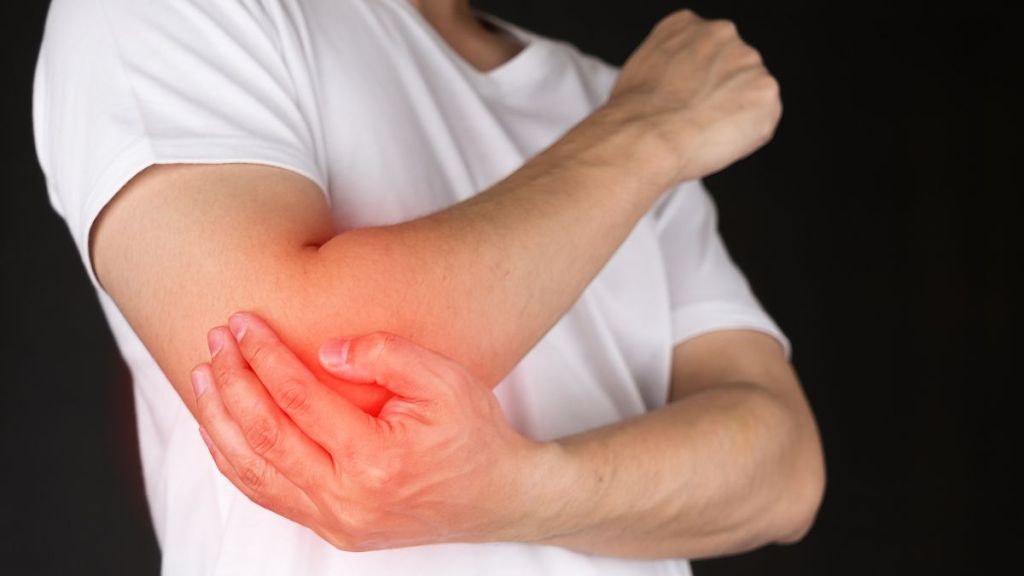
- Pain on movement: Bursitis pain usually sharpens when you move or press on the joint. Bursitis pain may ease at rest but returns with activities such as kneeling, leaning on the elbow, lifting the arm, or climbing stairs.
- Swelling: Bursitis swelling forms over the bursa and can make the area look fuller than the other side. It comes from fluid and inflammation inside the sac.
- Tenderness over the bursa: This means the skin right over the bursa hurts when touched. This is common in prepatellar (front of knee) and olecranon (tip of elbow) bursitis.
- Warmth: This symptom makes the area feel hotter than nearby skin. It signals active inflammation in the sac.
- Limited motion: Bursitis can block full range because moving squeezes the swollen sac. Bursitis in the shoulder may make overhead reach hard. Bursitis in the knee may make kneeling or deep bending uncomfortable.
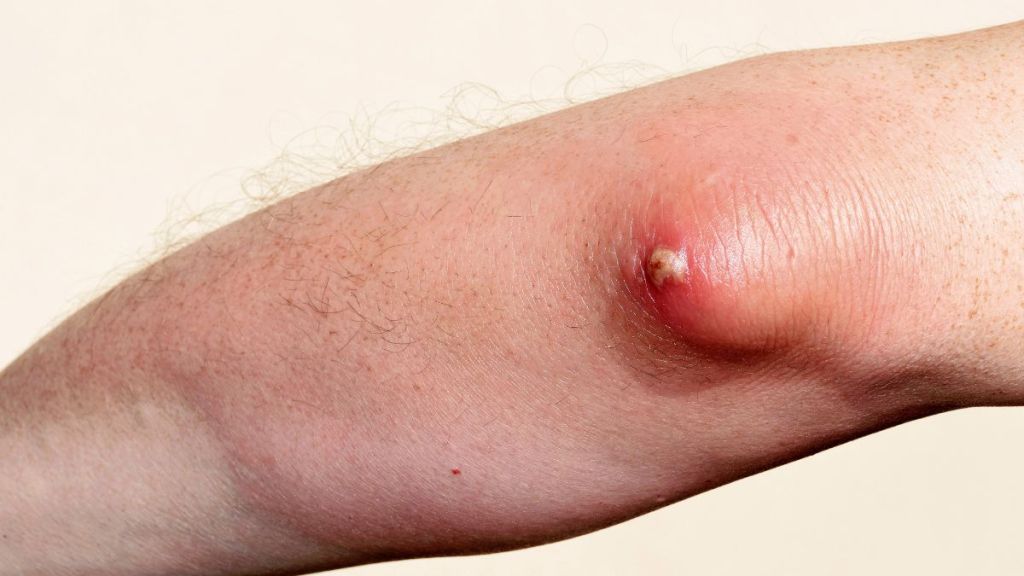
Bursitis that turns red, very swollen, or is paired with fever can be septic bursitis. This needs medical care to drain the fluid and start antibiotics. Sudden spreading redness or feeling ill along with joint swelling is a sign to be seen quickly.
What Is Bursitis?
A bursa is a small, flat, fluid-filled sac that sits between bone and nearby soft tissue so movement stays smooth. It acts like a cushion that reduces friction where tendons or muscles glide over joints. Here’s what you should know about bursitis:
- Bursa structure and role: A bursa is lined with a synovial membrane and filled with a thin lubricant, similar to joint fluid. It sits between bone and a moving structure such as skin, tendon, or muscle. Its job is to lower pressure and friction so the joint can move without scraping.
- What bursitis means: Bursitis is inflammation of that sac. The lining becomes irritated and makes extra fluid. The sac then swells and becomes painful when you move or press on it.
- Why bursae get inflamed: Repeated motion (throwing, kneeling, reaching), prolonged pressure (leaning on elbows, kneeling on hard floors), nearby joint problems, or a direct injury can trigger bursitis. Less often, bacteria get into a superficial bursa and cause septic bursitis, which is the infected form.
- Common sites of bursitis: The most affected spots are the shoulder (subacromial bursa), elbow (olecranon bursa), hip (trochanteric bursa), knee (prepatellar or pes anserine bursa), and heel near the Achilles. These areas take frequent load and motion, so the bursa there gets stressed more often.
Bursitis is different from arthritis. Arthritis affects the joint surfaces. Bursitis affects the cushion near the joint. Knowing that difference helps decide whether rest, protection, or an in-person visit is needed.
Can You Stop a Bursitis Flare?
Bursitis flares respond well when irritation is reduced early. Dr. Josef Schenker explains that most noninfected flares improve with simple steps at home when they are done right away. Here are practical ways to stop a bursitis flare:
- Rest and protect the joint: Rest means pausing the exact activity that triggered symptoms such as kneeling, leaning on the elbow, or overhead reaching.
- Ice in the first 48–72 hours: Ice reduces swelling and slows inflammation in the sac. It should be applied 10–20 minutes at a time, several times a day, with a cloth barrier on the skin.
- Avoid the trigger movement: Avoid kneeling on hard floors, leaning on desk edges, throwing overhead, or climbing stairs repeatedly if those were the triggers.
- Short course of NSAIDs when appropriate: Over-the-counter anti-inflammatory medicines such as ibuprofen or naproxen can reduce pain and swelling for a few days. These work best when started early in the flare. People with kidney disease, ulcers, bleeding risk, or who take blood thinners should ask a provider first.
- Elevation or light compression (for limbs): Elevating an arm or leg can help fluid drain away from the bursa. Light elastic wraps can support some joints, especially around the elbow or knee, as long as circulation is not blocked.
Bursitis that looks infected should not be managed at home. Red skin, spreading warmth, fever, feeling unwell, or a very large and tense bursa can signal septic bursitis and needs drainage and antibiotics. Infected bursitis can spread to nearby tissue if it is delayed.
If it does not improve after a week or two of rest and home care or keeps coming back when you resume activity, make sure to have it checked at a clinic. At Centers Urgent Care, we can examine the joint, rule out infection, and plan next-level care so you can return to normal movement sooner.
How Long Does Bursitis Last?
Many noninfected cases improve in a few days to a few weeks once the joint is protected and the trigger activity is changed. Here is a clearer look at recovery timelines:
- Typical acute bursitis (noninfected): Most shoulder, elbow, knee, or hip bursitis linked to overuse improves in 1–3 weeks with rest, ice, and activity change. Protecting the joint stops friction so the bursa can reabsorb extra fluid.
- Repetitive-strain or ergonomics-related bursitis: When the job or sport that caused the irritation does not change, symptoms can return. Some hip (trochanteric) and knee bursitis cases take several weeks to a few months to fully settle, especially if mechanics or posture are off.
- Chronic or recurrent bursitis: A bursa that gets inflamed several times a year can stay sensitive. Each flare may still resolve in weeks, but the intervals between flares stay short until pressure on that area is reduced.
- Septic (infected) bursitis: Infection makes recovery longer. Treatment often needs aspiration and a course of antibiotics that may run 7–30 days depending on severity and the organism. Deep or complicated infections can require drainage and longer oral therapy as described in infectious-bursitis reviews.
- Delayed cases or those with ongoing pressure: If the bursa keeps getting bumped, knelt on, or leaned on, swelling can linger. These cases improve after offloading the area or adding padding.
Most people can expect good recovery when they rest early and change the activity that caused the flare. If your swelling is not better after two to three weeks, if you get fever or spreading redness, or if the bursa keeps filling again, an in-person visit is needed.
Josef Schenker, MD, Explains Bursitis Treatment and Prevention
In most cases, bursitis calms down with rest, ice, and short-term medicine. When swelling keeps coming back or looks infected, in-office procedures help. Josef Schenker, MD teaches patients to pair early treatment with joint-protection habits, since that is what keeps the bursa from getting irritated again. Here are the treatment and prevention steps he outlines:
- Rest and protect the area: Take a break from kneeling, leaning on the elbow, throwing, or stair climbing, depending on the site. Short periods of protection let the fluid settle, just as outlined in standard bursitis care.
- Ice and short NSAID course (if appropriate): Ice for 15–20 minutes a few times a day lowers swelling in the first 48–72 hours. Over-the-counter anti-inflammatory medicine like ibuprofen or naproxen can ease pain for several days, but they should not be taken longer than advised or if you have kidney, stomach, or bleeding issues.
- Activity modification: Change the movement that caused the flare. Use knee pads if you kneel, adjust the workstation, or avoid overhead reach until the shoulder bursa calms.
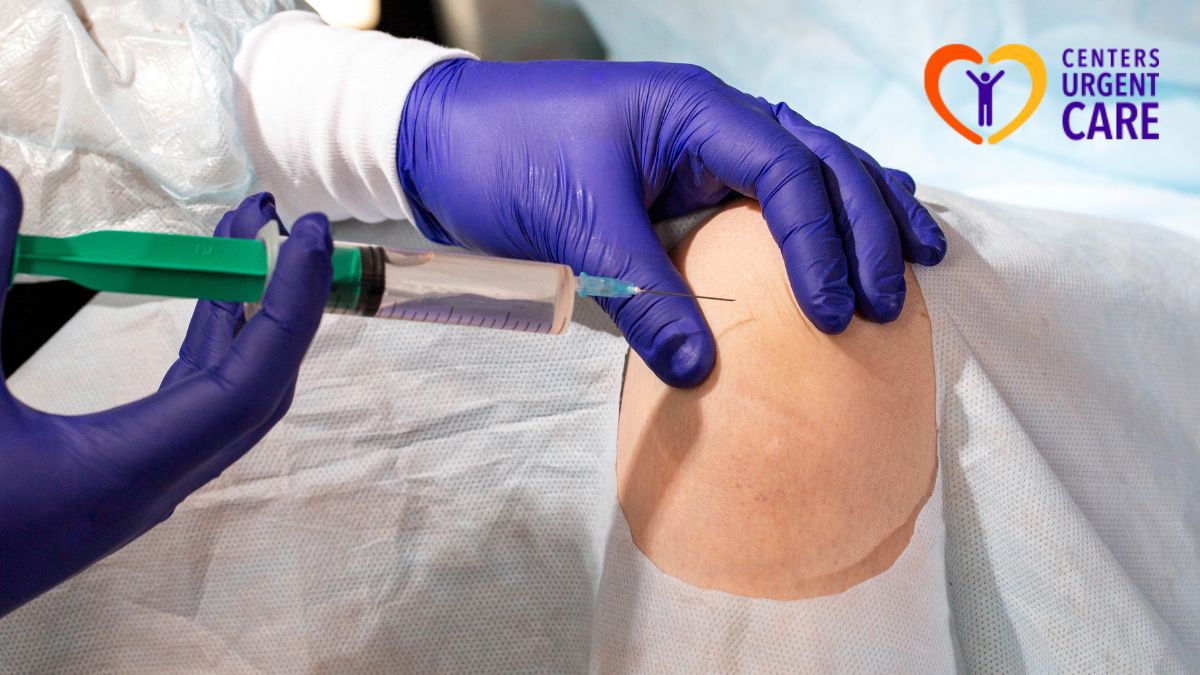
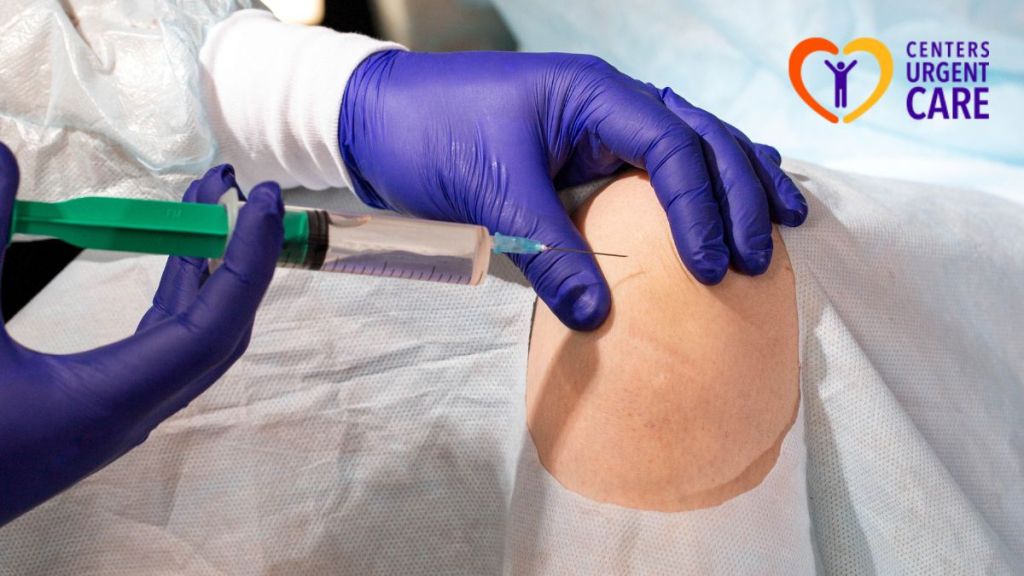
- Office-based aspiration: If the bursa stays large or infection is suspected, a clinician can aspirate (draw out) the fluid. This lowers pressure and allows the sample to be tested to rule out septic bursitis.
- Corticosteroid injection for stubborn cases: When pain or swelling does not go away after conservative care, a steroid injection into or around the bursa can reduce inflammation fast, especially in hip or shoulder bursitis.
- Joint-protection and gradual training: Long term, the goal is to keep pressure off the same spot. Use cushions, change ergonomics, strengthen muscles around the joint, warm up before sports, and increase activity slowly so the bursa is not shocked by sudden load.
Some bursitis cases, especially infected ones, need prompt medical care and antibiotics. Septic bursitis that is left alone can spread to nearby tissue or cause the bursa to stay thick, so drainage and medicine are important.
How to Avoid Bursitis?
Bursitis is easier to prevent than to treat over and over. The goal is to lower pressure on high-friction joints and to stop repetitive motions from irritating the same bursa. Josef Schenker, MD recommends the following prevention strategies to keep bursae calm:
- Use ergonomics and proper technique: Arrange work and home tasks so elbows, knees, and hips are not pressed on hard surfaces. Learn correct lifting so the hip bursae are not stressed.
- Pad pressure points: Wear kneepads if you kneel, or place a cushion under the elbow if you lean on desks or armrests.
- Take breaks from repetitive tasks: Rotate chores, tools, or sports motions every few minutes. Short breaks let the bursa recover before fluid builds up.
- Warm up and increase activity gradually: Start new exercise programs slowly, especially ones that load the hips, knees, or shoulders. A light warm-up improves tissue flexibility so the bursa is not irritated by sudden motion.
- Strengthen around the joint: Strong hip, thigh, shoulder, and core muscles keep movement aligned and reduce rubbing over the bursa. This is helpful for trochanteric bursitis and knee bursitis, which are tied to overuse.
- Maintain a healthy weight and good footwear: Extra weight adds load to knee and hip bursae. Supportive shoes also lower stress on lower-extremity joints.
These steps will not remove every risk, especially in jobs that require daily kneeling or leaning. They do reduce how often bursitis shows up and how intense each flare is.
What to Do if Bursitis Gets Worse or Looks Infected
Bursitis that suddenly looks red, hot, or very swollen can be more than simple irritation. Josef Schenker tells patients to watch for changes in the skin, changes in how they feel overall, and swelling that does not go down with rest. Here are the warning signs and what to do:
- Fever or chills: Fever with a swollen bursa points to infection, not just overuse. Infection can enter through a small cut or insect bite near the bursa. Fever with joint-area swelling should be checked the same day.
- Spreading redness or warmth: Red skin that moves away from the bursa, or warmth that keeps increasing, suggests septic bursitis. This needs exam, possible aspiration, and antibiotics.
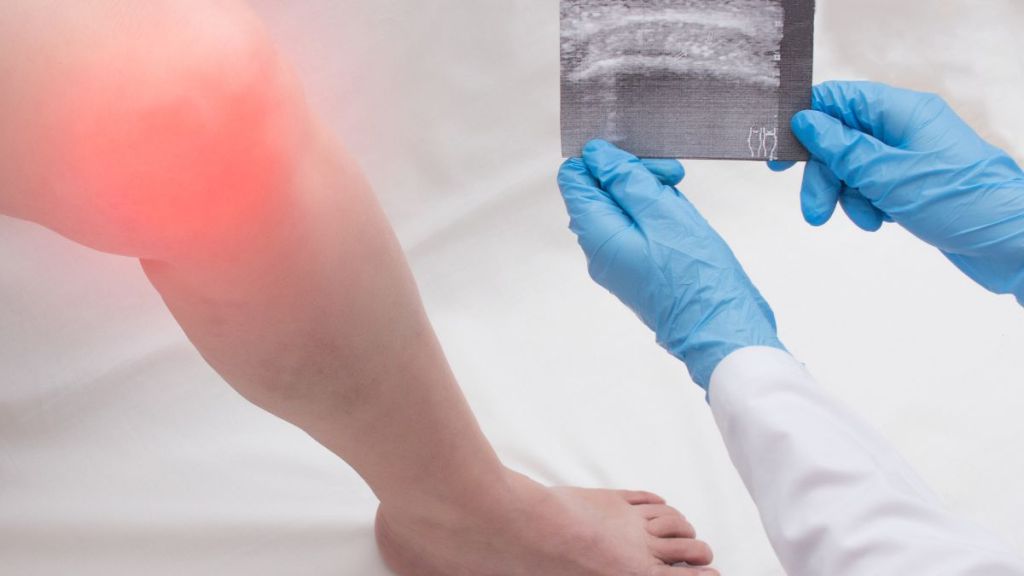
- Severe or fast-rising pain: Pain that was mild last week but is now sharp, throbbing, or waking you at night can mean the sac is filling or infected. Severe pain is a reason to stop home care and be seen. Imaging or drainage may be needed.
- No improvement after 2–3 weeks of rest and ice: If swelling or stiffness has not changed after doing the usual home steps, a provider should look for infection, crystals, or another joint problem.
- Limited motion or trouble using the joint: Not being able to bend the knee, extend the elbow, or raise the shoulder because of swelling means the bursa is interfering with joint function. This is a good time to get it checked and possibly drained.
Some bursa infections stay mild at first. That is why any combination of swelling plus fever, or swelling plus spreading redness, should be taken seriously.
Josef Schenker, MD, Answers Frequently Asked Questions:
Shoulder bursitis is inflammation of the bursa between shoulder bones and tendons. It causes pain when lifting the arm, along with warmth or tenderness at the top of the shoulder. Repetitive overhead use or minor injury often triggers it. Rest, activity changes, and short-term medication usually relieve symptoms.
No. Bursitis cannot be permanently cured because the bursa can flare again if triggers return. Most cases heal with rest, ice, and activity changes, but long-term management is needed. Ergonomic adjustments, protective gear, and treating underlying issues help prevent recurrence. Severe or repeated cases may need drainage or surgery.
No. Bursitis does not typically cause nausea. If nausea occurs with fever, chills, or feeling unwell, it may signal septic bursitis or another infection needing urgent care. Nausea can also result from medications or unrelated stomach issues, so report it during evaluation to guide proper treatment.
The best sleeping position for bursitis keeps pressure off the inflamed bursa. For shoulder bursitis, sleep on your back or opposite side with the sore arm supported by pillows. For hip bursitis, lie on the unaffected side with a pillow between your knees. Avoid direct pressure on the painful area.
Go to urgent care for bursitis if the area becomes red, hot, rapidly swollen, or if you have fever or chills, as these may signal infection. Severe pain, limited motion, or swelling lasting over 1–2 weeks also need attention. Early treatment protects joints and prevents complications like septic bursitis.
Support Joint Health: Get Expert Bursitis Care
Managing bursitis early helps prevent swelling, stiffness, and lasting pain. The article explained what causes bursa irritation, how to calm flares, and which symptoms need medical attention. Simple steps like rest, ice, and activity changes can ease most cases, but signs of infection or prolonged pain should be checked right away.
Visit our urgent care facility in New York for same-day evaluation and treatment of bursitis in the shoulder, elbow, hip, or knee. Led by Dr. Josef Schenker, our clinical team at Centers Urgent Care provides joint assessments, fluid drainage when needed, and personalized recovery plans designed to restore comfort and mobility.
We operate across 12 NYC locations, offering quick access to skilled care when joint pain interrupts your routine. Protect your joints and prevent complications before they progress. Locate a Centers Urgent Care near you and start your recovery today.

About Josef Schenker, MD:
Dr. Josef Schenker, a board-certified expert in internal medicine and emergency medical services, brings extensive experience and compassion to his role as Medical Director and Partner at Centers Urgent Care. With leadership in SeniorCare Emergency Medical Services and as an Attending Physician at New York-Presbyterian Brooklyn Methodist Hospital, Dr. Schenker oversees critical care and treatment protocols across varied medical needs. His dedication extends to chairing NYC REMAC, ensuring adherence to state standards in emergency medical procedures. At Centers Urgent Care, Dr. Schenker's expertise ensures prompt, high-quality emergency care for patients of all ages, supported by state-of-the-art facilities including a dedicated pediatric suite.