

Chickenpox symptoms in children include fever, fatigue, and a red, itchy rash that turns into fluid-filled blisters before crusting over. These symptoms usually appear 10 to 21 days after exposure to the virus. When deciding on the best care, parents often find themselves weighing options between urgent care and a pediatrician. The illness typically lasts around 5 to 10 days, but the rash can continue to scab for up to two weeks.
Understanding Chickenpox in Children
Chickenpox is caused by the varicella-zoster virus (VZV). According to the CDC, over 90% of people in the U.S. had chickenpox by age 15 before the introduction of the varicella vaccine. While widespread vaccination has significantly reduced outbreaks, children who haven’t been immunized remain vulnerable.
Although commonly seen as a childhood illness, chickenpox can be serious, especially for infants, teens, or kids with compromised immune systems. That’s why knowing what chickenpox looks and feels like in kids matters—it allows for prompt care and lessens the risk of severe outcomes or spread to others. Similarly, being informed about how to handle minor skin issues can prevent complications—learn more in our article Should You Cover Small Cuts? Understanding Proper Wound Care.
How Do Chickenpox Symptoms Start?
Chickenpox symptoms in children usually begin with subtle signs that can be mistaken for a common cold. These include general fatigue, mild fever, and a lack of appetite. These early signals precede the rash by about 1 to 2 days, which makes early detection difficult without prior exposure knowledge.
Common early signs to look for:
- Low-grade fever (100°F–102°F)
- Headache or body aches
- Decreased appetite
- Sore throat or general malaise
- Irritability or restlessness
These signs may last for 24 to 48 hours before the rash appears—at which point the illness becomes visibly identifiable and highly contagious.
What Does The Chickenpox Rash Look Like?
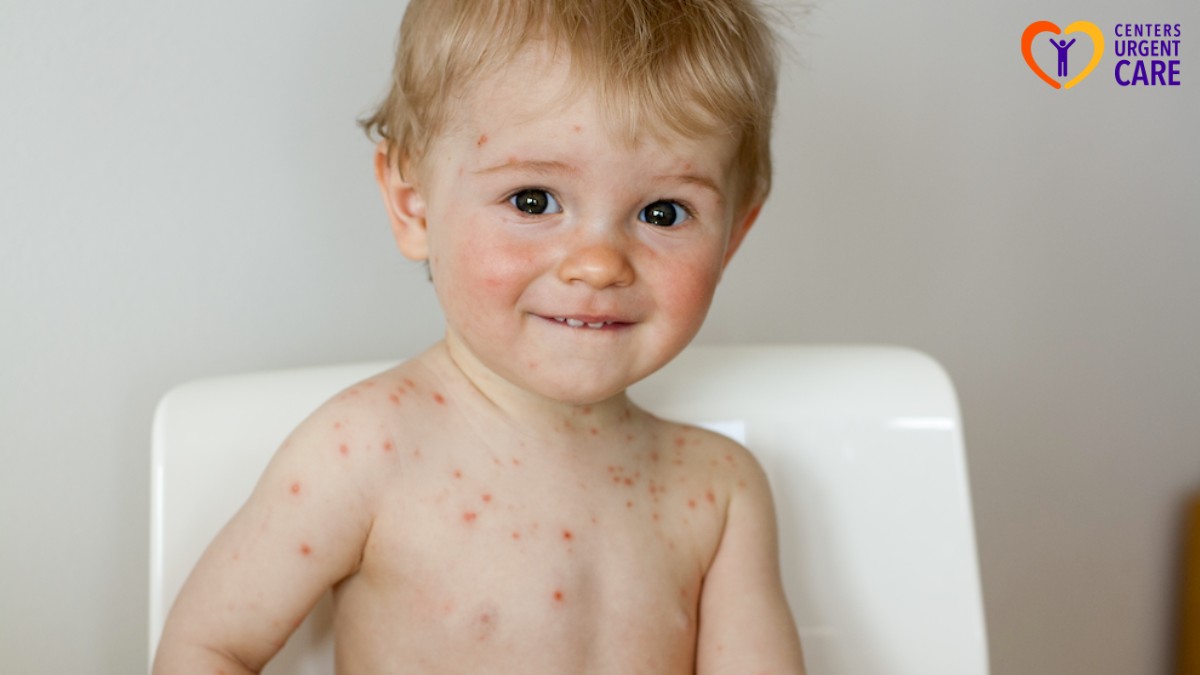
After the initial flu-like symptoms, the rash begins to emerge. It typically starts on the torso, face, or scalp and then spreads outward to the arms, legs, and mucous membranes.
The rash develops in three distinct stages:
- Red spots (macules): Small, flat, red lesions that may look like insect bites.
- Fluid-filled blisters (vesicles): These develop from the red spots and are filled with clear fluid.
- Scabbing: The blisters burst or collapse, scab over, and eventually heal within 1–2 weeks.
Each stage may be present simultaneously on different parts of the body, making the rash appear patchy or inconsistent.
How Long is Chickenpox Contagious?
Children with chickenpox are contagious from 1–2 days before the rash appears until all the lesions have crusted over, which usually takes 5 to 7 days. During this time, close contact and sharing of objects should be avoided to prevent the virus from spreading to others.
Transmission can happen through:
- Direct contact with blisters
- Respiratory droplets from coughing or sneezing
- Touching contaminated items (clothing, toys, bedding)
Keeping your child at home during the contagious period is essential to prevent outbreaks in schools or childcare centers.
When Should You Seek Urgent Care For Chickenpox?
While most cases resolve without complications, some symptoms signal the need for immediate medical attention. Certain children are also more vulnerable to severe reactions, particularly those with chronic health conditions, weakened immune systems, or infants under 12 months old.
Contact urgent care if your child experiences:
- A fever higher than 102°F lasting more than four days
- Difficulty breathing or persistent coughing
- Severe headache or neck stiffness
- Infected blisters (red, warm, pus-filled)
- Unusual drowsiness or confusion
- Rash that spreads to the eyes or inside the mouth
- Continuous vomiting or refusal to eat/drink
Don’t delay care if your child shows any of the above. Fast intervention can reduce complications, especially in higher-risk children.
Can Vaccinated Children Still Get Chickenpox?
Yes, vaccinated children can still develop chickenpox, but it is typically a milder form known as “breakthrough chickenpox.” In these cases, children may have fewer than 50 spots, low or no fever, and shorter illness duration. The blisters may also be less fluid-filled and more like red bumps.
Breakthrough infections are less contagious and rarely lead to complications. However, if you suspect your vaccinated child has chickenpox, it’s still essential to monitor symptoms and isolate them until healed.
How is Chickenpox Treated In Children?
There is no cure for chickenpox, but supportive care helps relieve symptoms and reduce the chance of complications. Most children recover at home without medication. However, antiviral drugs may be prescribed in specific cases, such as in immunocompromised children or when the illness is caught early.
At-home care tips include:
- Use acetaminophen for fever (avoid aspirin due to Reye’s syndrome risk)
- Apply calamine lotion or oatmeal baths for itch relief
- Keep fingernails trimmed to prevent skin infections from scratching
- Hydrate frequently with water, broth, and electrolyte drinks
- Dress in soft, loose clothing to reduce skin irritation
- Keep the child isolated until all scabs have formed
Over-the-counter antihistamines may help with itching, but consult a healthcare provider before use.
Can Chickenpox Cause Complications?
Most children recover without issues, but chickenpox can lead to complications, especially in certain risk groups. Common complications include:

Parents should watch for worsening symptoms beyond the typical 5–10 day illness duration, especially in children with chronic illnesses or recent hospital stays.
How To Prevent Chickenpox in Children
Prevention remains the best strategy. The varicella vaccine is highly effective and is recommended in two doses:
- First dose: 12–15 months of age
- Second dose: 4–6 years of age
According to the CDC, two doses are about 98% effective at preventing any form of chickenpox. Children who receive both doses are extremely unlikely to get severe chickenpox.
Need Fast, Trusted Help? Visit Centers Urgent Care
If your child is showing chickenpox symptoms or has developed complications, don’t wait. At Centers Urgent Care, we offer fast, high-quality care for children and adults in a comfortable, professional setting. Whether you’re worried about worsening symptoms or need help managing the rash, our medical team is here to support you every step of the way.
We proudly serve families through our network of urgent care centers in NYC. Walk-ins are welcome, and our services are designed to minimize waiting and maximize comfort.
Visit us today for expert evaluation and compassionate care.