

Chlamydia is a common sexually transmitted infection that often goes undetected. It’s important to understand what this condition is and the potential risks it carries.
What is Chlamydia?
Chlamydia is a sexually transmitted infection (STI) caused by the bacterium Chlamydia trachomatis. It can affect both men and women, often without noticeable symptoms, making it difficult to detect early. If left untreated, chlamydia can lead to serious health complications, but seeking prompt care at an urgent care center can help ensure timely diagnosis and treatment. It is most commonly spread through sexual contact, but can be effectively treated with antibiotics.
Transmission Routes
The transmission of chlamydia primarily occurs through various modes of sexual contact. It can be transmitted through oral, vaginal, or anal sex, making consistent and correct condom use paramount in reducing the risk of contracting or spreading the infection. Furthermore, pregnant individuals can unknowingly pass chlamydia to their newborn during childbirth, underscoring the significance of prenatal testing and preventive measures to safeguard both maternal and neonatal health.
Understanding the transmission routes of chlamydia is fundamental in raising awareness, promoting safe sexual practices, and encouraging proactive screening and treatment to mitigate the potential consequences associated with this prevalent STI.
Impact of Chlamydia
Considering the impact of chlamydia, it’s crucial to understand the potential complications that can arise if the infection is left untreated. Additionally, the risk of transmission to newborns during childbirth is a significant concern that requires attention.
Complications of Untreated Chlamydia
If chlamydia is left untreated, it can lead to serious complications in both men and women. In women, untreated chlamydia infections can progress to pelvic inflammatory disease (PID), a condition that can cause damage to the reproductive organs like the uterus and fallopian tubes. This can result in long-term issues such as chronic pelvic pain, infertility, and an increased risk of ectopic pregnancy.
For men, while chlamydia may not always exhibit noticeable symptoms, complications can still arise. Untreated chlamydia infections in men can lead to epididymitis, an inflammation of the epididymis (the coiled tube located at the back of the testicle). This condition can cause pain, swelling, and in rare cases, infertility.
Spread to Newborns
One of the critical aspects of chlamydia infection is its potential transmission to newborns during childbirth. If a pregnant person is infected with chlamydia, there is a risk of passing the infection to the baby during delivery. This transmission can result in serious health issues for the newborn, including eye infections and pneumonia.
It is imperative for individuals who are pregnant or planning to become pregnant to undergo regular screenings for sexually transmitted infections, including chlamydia. Early detection and treatment of chlamydia infections can help prevent complications for both the individual and any potential newborns.
Understanding the complications of untreated chlamydia and the risks of transmission to newborns underscores the importance of timely diagnosis, treatment, and preventive measures. By prioritizing safe sexual practices, regular screenings, and adherence to treatment protocols, individuals can effectively manage and mitigate the impact of chlamydia on their health and well-being.
Treatment of Chlamydia
Treating chlamydia with antibiotics, these medications play a crucial role in combating the infection effectively. Understanding the different antibiotics used and the treatment regimens involved is essential for managing and eliminating chlamydia.
Antibiotics for Chlamydia
Two common antibiotics used to treat chlamydia are Azithromycin and Doxycycline. These antibiotics work by targeting the Chlamydia trachomatis bacterium responsible for the infection.
Antibiotic: Azithromycin
- Dosage: Single, large dose
- Treatment Duration: 1 day
Antibiotic: Doxycycline
- Dosage: Twice per day
- Treatment Duration: 1 week
Azithromycin: This antibiotic is typically prescribed in a single, large dose, making it a convenient treatment option for chlamydia. It is highly effective in eradicating the infection when taken as directed by healthcare providers.
Doxycycline: Unlike Azithromycin, Doxycycline needs to be taken twice per day for about a week to effectively treat chlamydia. It is especially useful in cases where Azithromycin may not be the first choice due to factors like drug allergies or resistance.
Treatment Regimens
The choice of antibiotic and treatment regimen for chlamydia depends on various factors, including the individual’s health condition, potential drug allergies, and the presence of any complicating factors. It’s crucial to follow the prescribed treatment regimen diligently to ensure the infection is completely cleared.
Treatment Options: Doxycycline
- Dosage and Duration: Twice per day for 1 week
- Effectiveness: Highly effective
Treatment Options: Azithromycin
- Dosage and Duration: Single, large dose for 1 day
- Effectiveness: Effective in most cases
Selecting a treatment option, healthcare providers may consider the specific strain of Chlamydia trachomatis, the individual’s medical history, and any previous treatment failures.
For certain types of infections, such as rectal chlamydia, Doxycycline is often preferred over Azithromycin due to its higher efficacy. Levofloxacin is another antibiotic that may be prescribed in certain cases, but its use is more limited compared to Azithromycin and Doxycycline.
Understanding the available antibiotics and their respective treatment regimens is essential in successfully managing and eliminating chlamydia infections. Consulting a healthcare provider for a proper diagnosis and treatment plan is key to effectively addressing chlamydial infections and preventing potential complications.

Prevention of Chlamydia
Focusing on safeguarding oneself against chlamydia, preventive measures play a vital role in reducing the risk of infection. Two primary strategies for the prevention of chlamydia include abstinence and safe practices, as well as the consistent use of condoms during sexual activities.
Abstinence and Safe Practices
The most reliable method to prevent chlamydia transmission is through abstinence from vaginal, anal, and oral sex. By refraining from sexual intercourse, individuals can eliminate the risk of contracting this sexually transmitted infection (STI) completely. This preventive approach is particularly effective for those who are not in mutually monogamous relationships or are unsure of their partner’s sexual health status.
Condom Use
For individuals who are sexually active, the correct and consistent use of condoms offers significant protection against chlamydia. Latex condoms are highly effective in reducing the risk of both contracting and transmitting the infection. Those who are allergic to latex can opt for polyurethane condoms, which provide a suitable alternative for safe sexual practices.
The key to maximizing the protective benefits of condoms lies in their proper usage. Ensuring that condoms are used consistently and correctly during every sexual encounter can significantly reduce the risk of chlamydia transmission. Additionally, utilizing condoms in conjunction with other preventive methods can further enhance protection against this common STI.
Adopting a combination of abstinence, safe sexual practices, and condom use, individuals can take proactive steps to prevent chlamydia infection. Educating oneself about these preventive measures and incorporating them into one’s sexual health routine can promote overall well-being and reduce the incidence of this prevalent STI.
Screening and Diagnosis
Timely screening and accurate diagnosis play a critical role in the effective management and prevention of chlamydia. In this section, we will explore the screening recommendations and diagnostic tests used for detecting chlamydia.
Screening Recommendations
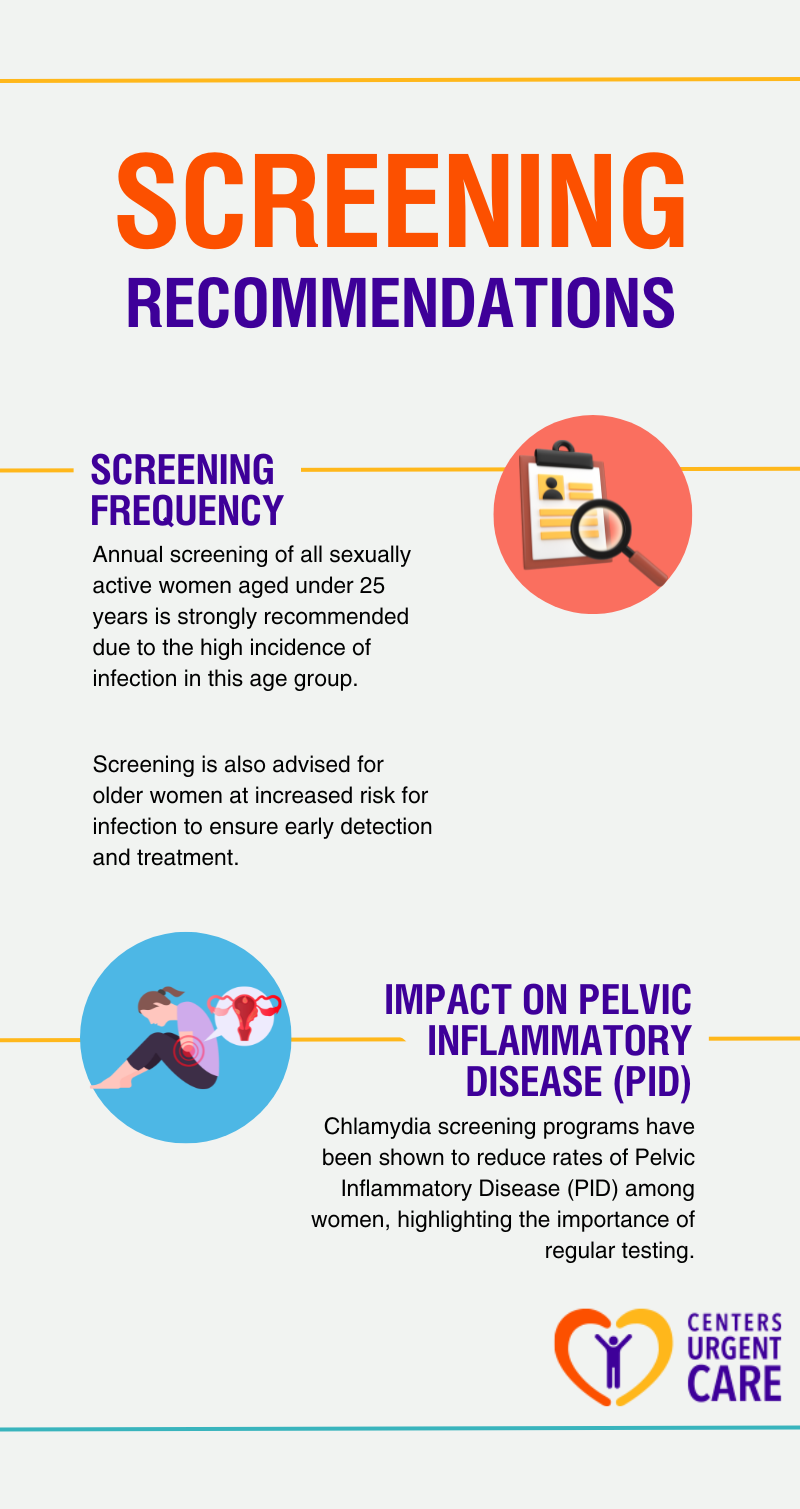
Routine screening for chlamydia is crucial, especially for sexually active individuals, to detect and treat the infection promptly. Here are some key screening recommendations based on the latest guidelines:
Diagnostic Tests
Accurate diagnosis of chlamydia is essential for initiating appropriate treatment and preventing further spread of the infection. Several diagnostic tests are available to detect Chlamydia trachomatis infection:
Sample Collection:
- For the diagnosis of C. trachomatis urogenital infection in women, collecting vaginal or cervical swabs or first-void urine samples is recommended for testing.
- In men, urethral infections can be identified by testing first-void urine samples or through urethral swabs.
Sensitive Testing:
- Nucleic Acid Amplification Tests (NAATs) are considered the most sensitive tests for detecting C. trachomatis infection in both men and women. These tests have high accuracy rates and can detect the presence of the bacteria even at low levels.
Special Considerations:
- Routine screening for C. trachomatis among sexually active young men is not universally recommended. However, screening is suggested in specific high-prevalence clinical settings or populations, such as men who have sex with men (MSM), to prevent transmission and complications.
Adhering to the recommended screening protocols and utilizing sensitive diagnostic tests, healthcare providers can effectively identify and manage chlamydia cases. Early detection through screening and accurate diagnosis through appropriate tests are vital steps in controlling the spread of chlamydia and promoting overall sexual health.
Management and Recommendations
Managing Chlamydia infections requires considering the different populations that may be affected by this sexually transmitted disease (STD) and the various treatment options and considerations.

Chlamydia in Various Populations
Chlamydia is more prevalent among young people, especially young women. Those who engage in unprotected sexual activity or have multiple sexual partners are at a higher risk of contracting the infection. It is essential for healthcare providers to emphasize the importance of safe sex practices, including condom use, to reduce the spread of Chlamydia in these vulnerable populations.
Routine screening for Chlamydia trachomatis is recommended for sexually active young women as part of preventive healthcare measures. While routine screening for Chlamydia among sexually active young men is not standard practice, it may be warranted in specific high-prevalence clinical settings or populations, such as men who have sex with men (MSM), to curb the transmission of the infection.
Understanding the impact of Chlamydia across various populations and staying informed about treatment options, healthcare professionals can better manage this widespread STD, helping to reduce its burden on public health. Regular screening, early detection, and timely treatment remain crucial in addressing Chlamydia infections, particularly for at-risk groups. At Centers Urgent Care in New York, we provide comprehensive and compassionate care for all your urgent medical needs, ensuring fast, reliable treatment. Don’t hesitate to contact us today to learn more about how our team can support your health.
Sources:
2025 has changed my life. I never believed I would be cured by a spell caster who specializes in herbal cure and magical spells. I am talking about the help Doctor Odunga gave to me. I have been cured of herpes HPV which has plagued me for over 2 years. I am very happy to tell others that if you want to be cured or get your ex back spells and get pregnant naturally, even financial blessing through lottery, there is only one place to be and that is with Dr Odunga Spell Temple. Am so happy that just 3 days after taking DR ODUNGA Herbal treatments my herpes was cured permanently. DR ODUNGA also have cure to #HIV #Diabetes #Lupus #Tinnitus #Fibroid #Cancer #Hepatitis B, #Syphilis #Infertility etc … If you have this ailment or whatsoever you might be suffering from you should contact him at his EMAIL: odungaspelltemple@gmail.com OR VIA Whats App +2348167159012