

This examination ensures drivers are medically fit to operate commercial motor vehicles safely. But what many drivers don’t realize is that seemingly minor health concerns can lead to disqualification. This article dives deep into the common issues in DOT physical exams, how to avoid them, and what steps you can take if you’re at risk.
Common Issues Found in DOT Physical Exams
The most common issues in DOT physical exams include high blood pressure, poor vision or hearing, uncontrolled diabetes, and certain medications. These can result in a failed or delayed certification if not properly addressed.
Drivers often face disqualifications not because of severe illnesses, but because of conditions that are untreated, poorly documented, or unknown to them. Let’s explore these in more detail.
Why Blood Pressure is a Dealbreaker
Blood pressure is a top concern for medical examiners. If it’s too high, it might suggest you’re at risk for cardiovascular complications, which can impact your ability to drive safely.
What Blood Pressure Levels are Acceptable
Here’s how the FMCSA classifies your certification eligibility based on blood pressure:
- Below 140/90 mmHg: You’re good to go. Full two-year certification.
- 140–159/90–99 mmHg (Stage 1 Hypertension): One-year certification. You’ll need annual checks.
- 160–179/100–109 mmHg (Stage 2 Hypertension): Short-term certification—usually 3 months. You’ll need follow-up.
- 180+/110+ mmHg (Stage 3 Hypertension): Immediate disqualification until BP is under control.
Avoid caffeine, tobacco, and salty foods for 24 hours before your exam. These spike readings and may lead to temporary disqualifications.
Can Vision or Hearing Problems Cause Disqualification?
Absolutely. Commercial drivers must meet minimum hearing and vision standards. These are safety-critical senses behind the wheel.
Vision Requirements
To pass the DOT physical eye test, you must:
- Have at least 20/40 vision in each eye (with or without glasses).
- Be able to distinguish red, green, and amber traffic signals.
- Have a 70-degree field of vision in each eye.
If you use corrective lenses, bring them. If your prescription isn’t up to date, get it fixed before the exam.
Hearing Requirements
Drivers must be able to:
- Hear a forced whisper from 5 feet away in at least one ear.
- Or, have a hearing loss of no more than 40 dB in the better ear (audiometric test).
Hearing aids are allowed, but you must bring documentation that you use and maintain them.

6 Medical Conditions That Can Disqualify You from a DOT Physical
Several medical issues can result in automatic or temporary disqualification. However, some can be waived with proper documentation or treatment.
Here are some disqualifying conditions and how to manage them:
- Insulin-dependent diabetes (unless you have an FMCSA exemption).
- Epilepsy or history of seizures.
- Uncontrolled heart disease, including recent heart attacks.
- Respiratory dysfunction like severe asthma or COPD.
- Substance abuse history (must demonstrate treatment and compliance).
- Sleep apnea (untreated or non-compliant with CPAP therapy).
Always bring documentation from your specialist or primary doctor explaining how your condition is managed.
How Medication Can Affect DOT Physical Results
Medication can significantly impact the results of your DOT physical, particularly if it affects your alertness or cognitive function. Narcotics, muscle relaxants, and sedatives may raise red flags during the evaluation. If you’re taking stimulants such as ADHD medications, proper documentation is required.
Those who use insulin must provide an exemption form, and individuals on antidepressants or antipsychotics need a note from their psychiatrist confirming their stability. To avoid delays in your clearance, it’s essential to bring a complete list of all your medications, including dosages and the reasons for use.
Preparing for the Exam: What to Bring and What to Know
Most failed DOT physicals result from a lack of preparation rather than serious health issues. To avoid this, make sure to bring essential items to your appointment, including a valid driver’s license, any eyeglasses or hearing aids you use, a list of your medications with their doses, and doctor’s notes for any chronic conditions.
If you have sleep apnea, bring your CPAP compliance report. For those with diabetes, blood sugar logs are important, and if requested, recent lab results related to kidney function, liver health, or cholesterol levels should also be included. Being well-prepared can make all the difference in passing your DOT physical.
Can Anxiety or Mental Health Conditions Affect Your Exam?
Yes, but it’s not always disqualifying. The concern is whether your mental health condition could impair your ability to drive safely.
Conditions like depression, anxiety, and PTSD do not automatically disqualify you, but you must:
- Be under stable treatment.
- Show no side effects that impair judgment or alertness.
- Provide a note from your psychiatrist confirming stability and compliance.
Mental health is one of the lesser-known common problems in DOT physical exams, especially when drivers hide symptoms.
Lifestyle Habits That Impact DOT Physical Results
It’s not just your medical history that matters—your daily habits show up in your test results.
Watch out for these lifestyle-related issues:
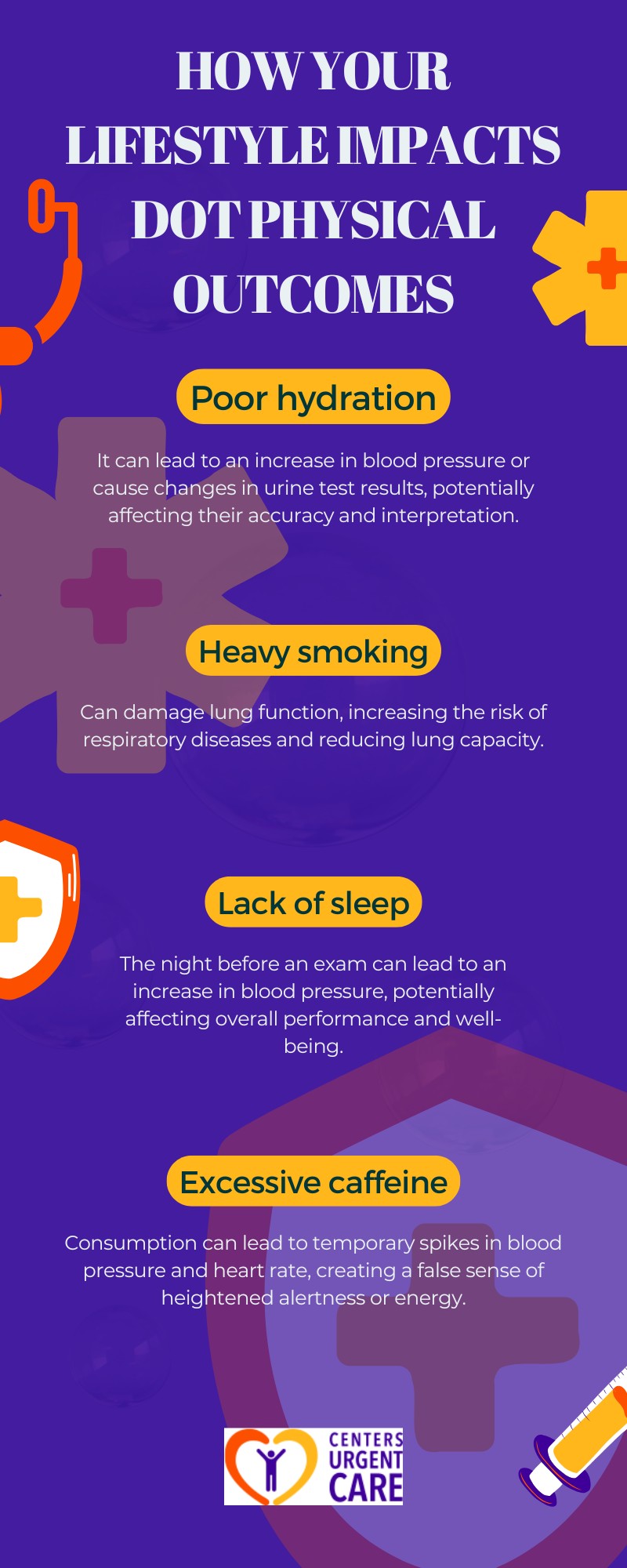
Even if your long-term health is okay, short-term choices can result in failed or delayed DOT certification.
Can You Retake or Appeal a Failed DOT Exam?
Yes, and many drivers do. If you’re disqualified due to a condition that’s treatable or manageable, you can reapply once your situation changes.
Here’s what you can do:
- Seek a second opinion from another certified examiner.
- Gather documentation from your specialist.
- Apply for an exemption for chronic conditions like diabetes, vision loss, or hearing loss.
Retaking the exam is common, and urgent care clinics can often assist with follow-ups or necessary referrals.
When to Visit Urgent Care Before Your DOT Exam
Seeing a provider before your exam gives you time to correct or manage disqualifying conditions, which is especially helpful if you’ve recently started a new medication, had surgery or a hospitalization in the last year, have unmanaged chronic illnesses, or feel unsure about your vision or hearing. Preventing the most common issues in DOT physical exams becomes much easier with a proactive health check.
The DOT physical exam is crucial for ensuring that truck drivers are medically fit to operate commercial vehicles safely. However, many drivers overlook how even minor health concerns can impact their ability to pass the exam. In our article, Understanding DOT Physical Weight Requirements for Truck Drivers, we explore how weight plays a significant role in the assessment, and what you can do to meet the requirements. From understanding the regulations to offering practical tips on maintaining a healthy weight, this guide provides valuable insights that could help you avoid disqualification. Don’t let an unexpected health issue catch you off guard—read the full article to stay informed and prepared.
Need a DOT Physical or Follow-Up? Visit Centers Urgent Care
If you’re in need of a DOT physical or a re-evaluation, Centers Urgent Care offers fast, high-quality urgent care services for children and adults. Whether you’re facing issues with blood pressure, managing medications, or need documentation for chronic conditions, we’re here to help.
With multiple locations offering urgent care in New York City, our clinics are equipped to support commercial drivers with efficient, reliable service—no appointment needed.Contact us today to schedule your DOT physical and avoid the most common issues in DOT physical exams.