

Has your child been complaining of tummy aches or avoiding the bathroom? Constipation can be a frustrating and uncomfortable experience for kids. This article will provide you with valuable information about constipation in children, including its causes, symptoms, and treatment options.
Definition and Causes
Constipation in kids refers to a condition where they experience difficulty or infrequency in passing stools. It occurs when the stool remains in the colon for an extended period, leading to hardening and dryness, making it difficult to pass. Several factors can contribute to constipation in children.
One of the primary causes is a diet lacking in water and fiber, which are essential for proper bowel movement. Processed foods, cheeses, white bread, bagels, and meats can contribute to constipation. Encouraging a diet rich in fruits, vegetables, whole grains, and fluids can help prevent and alleviate constipation.
Stress can also play a role in constipation. Children may experience constipation during times of anxiety or emotional distress, such as starting a new school or facing problems at home. These emotional upsets can affect gut function and lead to constipation. Creating a supportive environment for children can help prevent constipation.
Additionally, children may develop constipation due to holding in their stool to avoid having a bowel movement. This behavior can be influenced by various factors, including fear, discomfort, or a lack of privacy. It’s important to address any underlying issues and encourage regular bowel habits to prevent constipation.
In some cases, constipation in children may be a result of underlying problems. Certain medical conditions, such as hypothyroidism or Hirschsprung’s disease, can contribute to constipation. If constipation persists despite dietary and lifestyle adjustments, it may be necessary to seek medical evaluation.
Identifying Constipation Symptoms
When it comes to constipation, there are several signs that parents should be mindful of. It’s important to note that these symptoms may also indicate other underlying medical conditions. These signs may vary from child to child, but commonly observed symptoms include:

When to Seek Medical Help
In most cases, constipation in children can be managed with dietary adjustments and lifestyle changes. However, there are certain situations where seeking medical help is necessary. Parents should take their child to a doctor right away if the child experiences any of the following symptoms:
- Severe abdominal pain: If your child’s abdominal pain is severe, persistent, or accompanied by vomiting, it may indicate a more serious underlying condition that requires immediate medical attention.
- Blood in the stool: The presence of blood in the stool should never be ignored. It could be a sign of anal fissures or other complications that need medical evaluation.
- Weight loss or failure to thrive: If your child is losing weight or not gaining weight as expected, it may be an indication of a more serious underlying issue associated with constipation.
- Symptoms lasting for more than 2 weeks: If your child’s constipation symptoms persist for more than two weeks or do not improve with at-home treatments, it’s important to consult a healthcare professional for further evaluation and management.
Diagnosing Constipation in Children
When it comes to diagnosing constipation in children, a medical evaluation is often necessary to determine the underlying cause and develop an appropriate treatment plan. In some cases, constipation may be a sign of other medical conditions, so it’s important to seek professional medical advice.
Medical Evaluation
During a medical evaluation for constipation, the healthcare provider will typically begin by reviewing the child’s medical history and conducting a physical examination. This helps to gather important information about the child’s overall health, any previous medical conditions, and potential factors contributing to the constipation.
The healthcare provider may ask specific questions about the child’s bowel movements, including frequency, consistency, and any associated symptoms. They may also inquire about the child’s diet, fluid intake, and exercise habits to assess whether any lifestyle factors could be contributing to the constipation.
In some cases, additional diagnostic tests or studies may be recommended to further evaluate the child’s condition. These tests can help identify any structural abnormalities, intestinal blockages, or underlying medical conditions that may be causing or contributing to constipation.
Underlying Medical Conditions
While constipation is often a result of dietary and lifestyle factors, it can also be a symptom of other underlying medical conditions. If the healthcare provider suspects an underlying medical condition, they may refer the child to a specialist for further evaluation. Some of these conditions may include:
- Hypothyroidism
- Celiac disease
- Irritable bowel syndrome
- Hirschsprung’s disease
- Spinal cord abnormalities
Prevention and Treatment Options
When it comes to managing constipation in kids, prevention and treatment options play a crucial role. Making dietary adjustments and implementing lifestyle changes can help alleviate constipation symptoms and promote regular bowel movements.
Dietary Adjustments
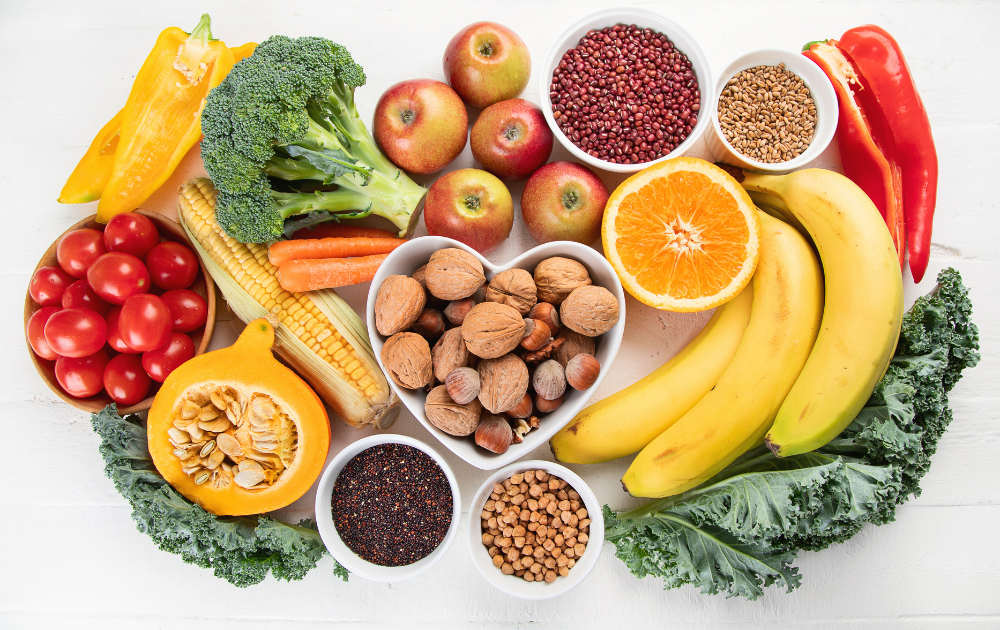
Dietary changes are often the first line of defense against constipation in children. So, to prevent and treat constipation, it is important to focus on increasing fiber intake. Fiber adds bulk to the stool and helps it move through the intestines more easily, encouraging children to consume foods rich in fiber can be beneficial.
Here are some fiber-rich foods to include in a child’s diet:
| Food | Fiber Content (per 1 cup/serving) |
| Raspberries | 8 grams |
| Pear (with skin) | 5.5 grams |
| Avocado | 5 grams |
| Lentils | 15.6 grams |
| Oatmeal | 4 grams |
In addition to increasing fiber intake, ensuring children drink enough water is essential. Water helps soften the stool and prevents dehydration, which can contribute to constipation. Encouraging regular water consumption throughout the day is important for maintaining healthy bowel movements.
Lifestyle Changes
Incorporating lifestyle changes can also help prevent constipation in kids. Encouraging regular exercise can promote overall bowel health. Physical activity stimulates the muscles in the digestive system, aiding in proper bowel movements. Toilet posture can also play a role in preventing constipation.
Establishing a regular toilet routine is another important aspect. Encourage children to visit the toilet at the same time each day, preferably after meals. Creating a calm and relaxed environment during bathroom visits can help alleviate any anxiety or fear associated with bowel movements.
Complications of Untreated Constipation
Untreated constipation in children can lead to several complications that can have a significant impact on their physical and emotional well-being. It’s important to be aware of these complications and take appropriate measures to manage and prevent them.
Encopresis
Encopresis is characterized by the involuntary passage of feces, which overflows like diarrhea due to the blockage caused by constipation. This can be very alarming for both children and parents. Children with encopresis may experience embarrassment, shame, and social difficulties due to the unpredictable bowel movements. It’s essential to address the underlying constipation to help prevent and manage encopresis.
Anal Fissures and Other Risks
The large, hard stools that are often associated with constipation can cause anal fissures in children. Anal fissures are small tears or cuts in the lining of the anus, which can be painful and lead to discomfort during bowel movements. The prolonged presence of hard stools in the colon can also lead to fecal impaction, where hardened stool becomes stuck and cannot be passed, causing severe pain and discomfort.
Management Strategies
When it comes to managing constipation in kids, there are several strategies that can help alleviate constipation symptoms. Two important management strategies to consider are hydration and fiber intake, as well as medication and toilet posture.
Hydration and Fiber Intake
Ensuring that your child stays hydrated and consumes an adequate amount of fiber is essential in managing constipation. Water helps soften the stool, making it easier to pass, while fiber adds bulk to the stool, promoting regular bowel movements. Encouraging your child to drink plenty of water throughout the day is important for maintaining hydration and preventing constipation.
On average, children aged 4-8 years should consume about 1.7 liters (57.5 ounces) of fluids per day, while children aged 9-13 years should aim for approximately 2.4 liters (81 ounces) per day. Fiber-rich foods should also be incorporated into your child’s diet. These include fruits, vegetables, whole grains, and legumes. It’s important to gradually increase fiber intake to prevent gas and bloating.
The following table provides examples of fiber-rich foods suitable for children:
Food Group | Fiber-Rich Options |
Fruits | Apples, pears, berries, oranges |
Vegetables | Broccoli, carrots, spinach, peas |
Whole Grains | Oatmeal, whole wheat bread, brown rice |
Legumes | Beans, lentils, chickpeas |
Medication and Toilet Posture
In some cases, lifestyle changes alone may not be sufficient to manage constipation in children. Medications may be prescribed by a healthcare professional to help soften the stool or stimulate bowel movements. It’s important to follow the prescribed dosage and consult with a healthcare professional before administering any medications.
By implementing these management strategies, you can help alleviate constipation in kids and promote regular bowel movements. However, if constipation persists or is accompanied by severe symptoms, it is important to seek medical advice to rule out any underlying conditions or to explore additional treatment options.
If you’re looking for urgent care in New York, consider visiting Centers Urgent Care. We offer fast, high-quality urgent care services for children and adults. Our experienced providers will accurately diagnose and treat your child’s condition. Don’t hesitate to contact us if you have any concerns!
2025 has changed my life. I never believed I would be cured by a spell caster who specializes in herbal cure and magical spells. I am talking about the help Doctor Odunga gave to me. I have been cured of herpes HPV which has plagued me for over 2 years. I am very happy to tell others that if you want to be cured or get your ex back spells and get pregnant naturally, even financial blessing through lottery, there is only one place to be and that is with Dr Odunga Spell Temple. Am so happy that just 3 days after taking DR ODUNGA Herbal treatments my herpes was cured permanently. DR ODUNGA also have cure to #HIV #Diabetes #Lupus #Tinnitus #Fibroid #Cancer #Hepatitis B, #Syphilis #Infertility etc … If you have this ailment or whatsoever you might be suffering from you should contact him at his EMAIL: odungaspelltemple@gmail.com OR VIA Whats App +2348167159012