
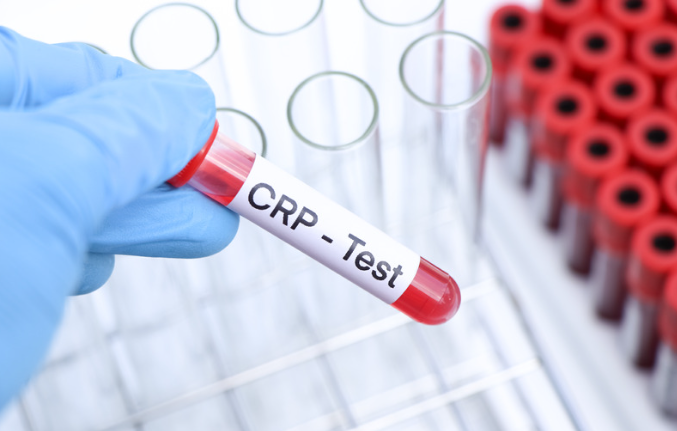
Regarding understanding the CRP blood test, it’s essential to grasp the basics of what this test entails and its primary purpose.
What is CRP Test?
The CRP test is a vital diagnostic tool utilized to detect the presence of inflammation or an infection within the body. This blood test, often conducted in urgent care settings, measures the levels of C-reactive protein, a substance produced by the liver in response to inflammation. Elevated CRP levels in the blood can signify potential health issues that warrant further investigation.
Purpose of CRP Test
The primary goal of the CRP test is to assess the level of c-reactive protein present in the bloodstream. High CRP levels are indicative of inflammation in the body, which can be triggered by various factors such as infections, injuries, or chronic inflammatory conditions. Monitoring CRP levels can offer valuable insights into the presence of underlying health issues and aid in diagnosing conditions that may not be apparent through other means.
Individuals undergoing a CRP test can gain valuable information about their inflammatory status, allowing healthcare providers to make informed decisions regarding further diagnostic tests or treatment plans. By measuring CRP levels, healthcare professionals can identify and address inflammation early on, potentially preventing the progression of certain diseases and improving overall health outcomes.
Interpreting CRP Levels
Regarding understanding CRP levels, it’s essential to differentiate between normal and high levels of C-Reactive Protein (CRP) in the blood and grasp the significance of elevated CRP levels.
Normal vs. High CRP Levels
The interpretation of CRP levels is typically categorized into normal and high levels. A high CRP level, generally considered to be above 10mg/L, indicates the presence of inflammation in the body. In contrast, a normal CRP level is typically less than 5mg/L. The CRP blood test is a valuable tool for identifying inflammation, but it does not pinpoint the exact location or cause of the inflammation.
- Less than 5mg/L – Normal
- Above 10mg/L – High (Indicates inflammation)

Significance of Elevated CRP Levels
Elevated CRP levels hold significant implications as they suggest the presence of inflammation, which can be associated with various health conditions. When CRP levels are high, further diagnostic tests may be necessary to pinpoint the specific source of inflammation within the body. Monitoring changes in CRP levels over time can also help assess the effectiveness of treatment for inflammatory conditions.
If CRP levels decrease following treatment or over time, it could signify that the inflammation is resolving, and the treatment plan is effective. However, persistently high CRP levels may indicate ongoing inflammation that requires additional evaluation and management.
Understanding and interpreting CRP levels is a crucial step in managing inflammatory conditions and monitoring overall health. Regular monitoring of CRP levels in conjunction with clinical assessments can provide valuable insights into the body’s inflammatory response and treatment progress.
Clinical Applications of CRP Test
The clinical applications of the C-reactive Protein (CRP) test play a crucial role in detecting inflammation and monitoring the effectiveness of treatments for various health conditions.
Detecting Inflammation
The CRP blood test is a valuable diagnostic tool used to detect the presence of inflammation or infection within the body. This test measures the levels of c-reactive protein in the blood, with elevated levels indicating the presence of inflammation. Inflammation can be triggered by various factors, including infections, tissue injuries, autoimmune disorders, or chronic inflammatory conditions.
- A high CRP level (>10mg/L) suggests the presence of inflammation in the body. This heightened level of CRP signals the immune system’s response to the inflammatory process and can be indicative of serious health conditions or chronic inflammation.
- Conversely, a normal CRP level is typically below 5mg/L, indicating minimal or no active inflammation in the body.

Monitoring Treatment Effectiveness
In addition to detecting inflammation, the CRP test is also utilized to monitor the effectiveness of treatments for acute and chronic conditions associated with inflammation. This monitoring process helps healthcare providers assess the progression of the patient’s condition and the response to therapeutic interventions.
- Monitoring CRP levels can provide insights into the efficacy of treatments for chronic inflammatory conditions or sepsis, a severe systemic response to an infection.
- A decrease in CRP levels following treatment may indicate successful management of inflammation or the body’s healing response to the inflammatory insult.
Using the CRP test in clinical settings, healthcare professionals can accurately diagnose and monitor inflammatory conditions, tailor treatment plans accordingly, and track the progress of patients undergoing therapies for inflammation-related disorders.
CRP Test Process
Regarding undergoing a CRP blood test, understanding the preparation and the procedural aspects is essential to ensure an accurate and smooth testing process.
Preparation for CRP Test
Unlike some other blood tests, there is typically no specific preparation required for a CRP blood test. However, it is important to note that if other blood tests are being conducted simultaneously, special preparation instructions may apply. In such cases, it is advisable to consult with the healthcare provider or the pathology collection center for any specific guidelines.
Procedure and Considerations
The CRP test involves a straightforward procedure that is commonly performed in clinical settings:

It’s important to note that while the CRP test is a helpful tool in detecting inflammation and monitoring certain health conditions, it is not a standalone diagnostic test. Healthcare providers may interpret CRP levels in conjunction with other clinical findings and tests to gain a comprehensive understanding of a patient’s health status.
Becoming aware of the preparation guidelines and the procedural steps involved in a CRP blood test, individuals can be better prepared for the testing process and ensure that accurate results are obtained to aid in their overall healthcare management.
CRP Test Limitations
Regarding interpreting CRP test results, it’s essential to understand the limitations of the test, along with the implications of the findings. The CRP blood test is valuable in indicating the presence of inflammation in the body and gauging the response to treatment. However, there are specific constraints to consider regarding the test results and the need for additional diagnostic procedures.
Additional Diagnostic Procedures
In cases where CRP levels are elevated, prompting the suspicion of inflammation, additional diagnostic procedures may be necessary to identify the specific location and cause of the inflammation. These procedures may include:
- Imaging tests such as MRI, CT scans, or ultrasounds to visualize internal structures and assess for inflammation or damage.
- Specific blood tests to detect antibodies, pathogens, or other markers that could indicate the underlying cause of inflammation.
- Biopsies of affected tissues to examine them under a microscope for signs of inflammation, infection, or other abnormalities.
- Consultation with specialists such as rheumatologists, infectious disease specialists, or gastroenterologists for further evaluation and management of the inflammatory condition.
It’s vital to recognize that while the CRP blood test is a valuable tool in assessing inflammation and treatment response, it forms just one part of a comprehensive diagnostic approach. By combining CRP test results with clinical evaluations and other diagnostic tests, healthcare providers can gain a clearer understanding of inflammatory processes and adjust treatment strategies to meet your specific needs. At Centers Urgent Care, we offer fast, high-quality urgent care services for children and adults, ensuring you get the care and attention you deserve. If you’re looking for urgent care in New York, contact us today! We’re here to support your health every step of the way.
Sources:
2025 has changed my life. I never believed I would be cured by a spell caster who specializes in herbal cure and magical spells. I am talking about the help Doctor Odunga gave to me. I have been cured of herpes HPV which has plagued me for over 2 years. I am very happy to tell others that if you want to be cured or get your ex back spells and get pregnant naturally, even financial blessing through lottery, there is only one place to be and that is with Dr Odunga Spell Temple. Am so happy that just 3 days after taking DR ODUNGA Herbal treatments my herpes was cured permanently. DR ODUNGA also have cure to #HIV #Diabetes #Lupus #Tinnitus #Fibroid #Cancer #Hepatitis B, #Syphilis #Infertility etc … If you have this ailment or whatsoever you might be suffering from you should contact him at his EMAIL: odungaspelltemple@gmail.com OR VIA Whats App +2348167159012