
Wellness Tips from Josef Schenker, MD
Welcome to our Wellness Tips blog series, brought to you by Dr. Josef Schenker, the Medical Director at Centers Urgent Care. In this series, Dr. Schenker shares his extensive knowledge and experience in internal medicine and emergency medical services, including finger dislocation first aid and treatment, to help you lead a healthier life.
Dr. Schenker will cover a range of crucial health topics, offering expert advice on how to avoid common ailments. With a focus on prevention and practical tips, each blog post is designed to empower you with the information you need to make informed decisions about your health and well-being.
Finger Dislocation First Aid and Treatment
Finger injuries can twist a joint out of place in seconds during sports, work, or a fall. Finger dislocations happen at about 11.1 per 100,000 people yearly in the U.S., most often from basketball or football, and they need fast care to protect motion.
In this guide, Dr. Josef Schenker walks through first aid, treatment, and when to visit Centers Urgent Care. Let’s head over the next sections.
Dr. Josef Schenker Explains the Symptoms of Finger Dislocation
A dislocated finger usually looks “wrong” right away. The joint is pushed out of place, swelling sets in fast, and the finger hurts to move. Dr. Josef Schenker notes that some finger dislocations look like a bad jam or even a small fracture, so you cannot judge it by pain alone. Here are the common symptoms of a finger dislocation:
- Crooked or misshapen finger: The finger may point sideways, bend at an unusual angle, or look shorter because the joint surfaces are no longer aligned. This visible deformity is one of the strongest clues that the joint is out of place, not just sprained.
- Swelling: Soft tissues around the joint swell quickly after the injury. Swelling can spread to nearby fingers and make it harder to see the actual joint position.
- Sudden pain: Pain is sharp at the time of injury and usually worsens when you try to bend or straighten the finger. Because the joint surfaces are separated, normal motion becomes painful almost instantly.
- Limited motion: The finger may feel “stuck” and unable to fully flex or extend. Mechanical blockage from the dislocated joint keeps the finger from moving the way the others do.
- Color change or bruising: The skin around the joint may look red, purple, or later bruised as small vessels are injured. In some cases the finger can look pale or slightly bluish, which can suggest reduced blood flow and needs prompt evaluation.
- Numbness or tingling: Pressure on nearby nerves or swelling inside a tight space can create a “pins and needles” feeling. Numbness is less common in simple jams and is seen more in dislocations or fractures.
Some dislocations are reduced at the scene by accident and then arrive at urgent care looking almost normal, with only swelling and pain left. That is why a jam, a fracture, and a dislocation can look similar in the first hour. If the finger looks crooked, won’t move, or changes color, it is safer to let a clinician examine it.
What Is Finger Dislocation?
Finger dislocation happens when the bones that form a finger joint are pushed out of their normal alignment. The joint surfaces no longer touch like they should, so the finger looks deformed, swells, and hurts to move. According to Dr. Josef Schenker, this injury often follows a sudden force such as catching a ball, falling on the hand, or a direct blow during sports.
Most cases involve the middle finger joint (the proximal interphalangeal or PIP joint), which is the joint most exposed during play. A normal finger joint is held in place by the volar plate, collateral ligaments, joint capsule, and surrounding soft tissue. When the finger is bent too far back or jammed straight on, these stabilizers can tear or stretch.
A dislocation can involve more than the joint surfaces. The volar plate can tear, the collateral ligaments can be stretched, and in some cases a small fragment of bone is pulled off at the same time, creating a fracture-dislocation. These combined injuries are why imaging is often advised, especially when the joint looks unstable after the first assessment.
Can You Fix a Dislocated Finger at Home?
A dislocated finger should not be forced back into place at home. The joint is out of alignment and the soft tissues around it may be torn. Trying to “pop it back” can injure tendons, ligaments, nerves, or small blood vessels. Here are the safe steps to do at home before you see a provider:
- Do not push the finger back: Forcing the joint can trap the volar plate, tear ligaments further, or break off a bone fragment. Medical guides clearly warn against lay reduction because it can turn a simple dislocation into a fracture-dislocation.
- Remove rings right away: Swelling builds fast after hand trauma. A tight ring can act like a tourniquet and block blood flow, so it should come off before the finger gets bigger.
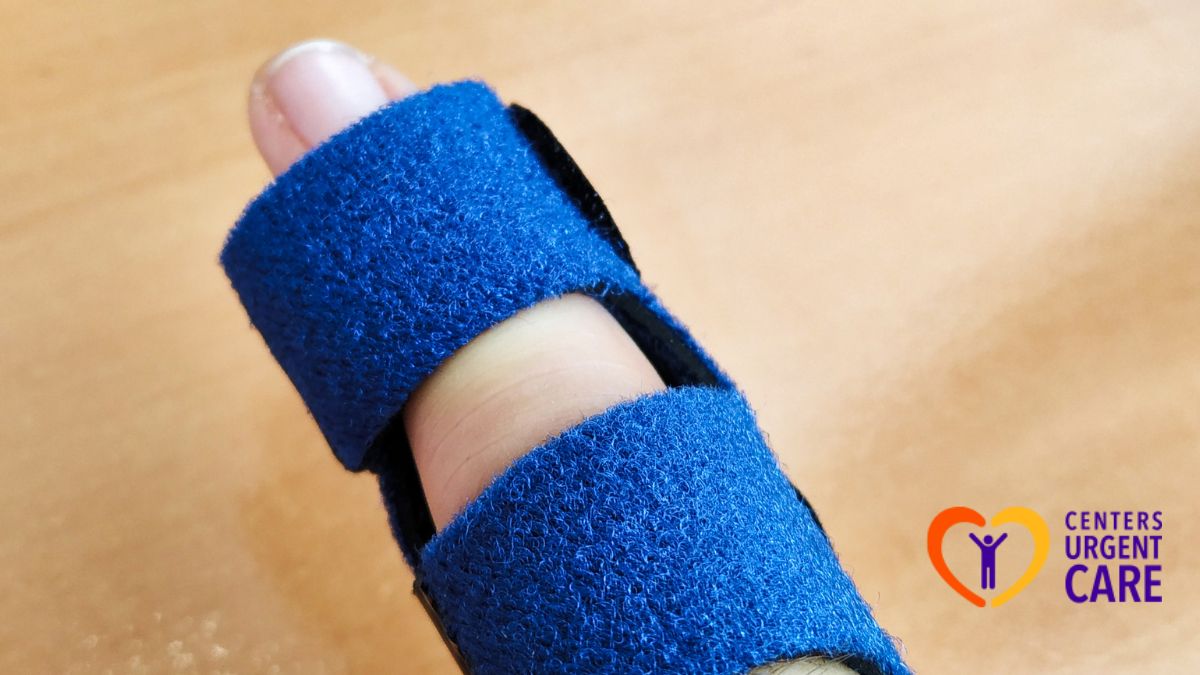
- Immobilize the finger in the position you found it: Keep the finger straight or slightly bent as it is. You can use a small splint or tape it loosely to the finger next to it so it does not twist.
- Apply ice with a cloth barrier: Cold packs for 15 to 20 minutes help reduce swelling and pain. Do not place ice directly on the skin. Keep the hand raised above heart level while icing.
- Seek prompt medical care: Finger dislocations can hide small fractures or tendon interposition that only show on X-ray. A clinician can safely reduce the joint, confirm stability, and decide on short splinting or buddy taping.
It’s important to remember that some dislocations look “easy,” but inside the joint a torn plate or rotated fragment can block reduction. For these injuries, repeated home attempts make swelling worse and complicate later treatment.
How Long Does Finger Dislocation Last?
Recovery from a finger dislocation is gradual. The joint may be reduced in minutes at urgent care, but tissues around it need weeks to calm down. Most uncomplicated finger dislocations improve over 4 to 6 weeks, but stiffness can linger longer in the middle joint. Here is a practical timeline to guide expectations:
- First 2 to 3 days (acute phase): Swelling, warmth, and bruising are strongest in this window. Ice, elevation, and keeping the splint on help control it. Getting reduction early reduces swelling and protects blood flow.
- Weeks 1 to 3 (immobilization or buddy taping): Many PIP and DIP dislocations are protected for about 2 to 3 weeks, sometimes a bit longer, to let ligaments and the volar plate rest.
- Weeks 3 to 6 (range of motion returns): Swelling goes down and gentle motion starts. Most people can use the hand for daily tasks, but full bend and full straightening may still feel tight.
- 6 to 12 weeks (strength and function phase): Grip and sport use improve. Some sources note that joint stiffness after a dislocation can take months to completely settle, especially in injuries that also involved the volar plate.
- When healing takes longer: Healing stretches out if there was a fracture-dislocation, delayed reduction, or ligament damage that made the joint unstable. Older adults and people who cannot start motion early may need extra follow-up to avoid permanent loss of motion.
Different fingers heal differently. The middle joint (PIP) is well known for getting stiff after injury, so even “simple” dislocations can feel tight at 2 to 3 months. That does not mean it is not healing. It just means the soft tissues are still remodeling.

Josef Schenker, MD, Explains Finger Dislocation First Aid and Treatment
For first aid, your goal is to protect the joint until the dislocation can be reduced safely. According to Josef Schenker, MD, doing the right steps in the first hour helps limit swelling, protects nerves and vessels, and makes the actual reduction in urgent care easier. Here is the sequence to follow at home and the treatment you can expect in clinic:
- Ice the injured finger: Place a cold pack or ice wrapped in a thin cloth over the finger for 15 to 20 minutes. Repeat several times on the day of injury while keeping the skin protected.
- Elevate the hand: Keep the hand raised above heart level using pillows or your opposite hand.
- Immobilize or buddy tape as directed: If the finger is clearly out of place, keep it as still as possible.
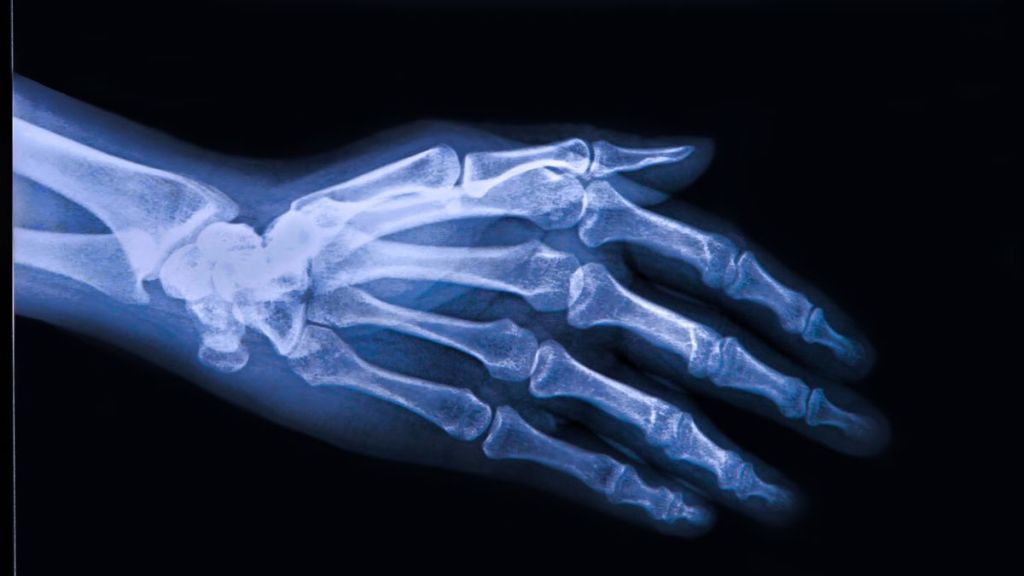
- Imaging when needed: At urgent care, the provider may order an X-ray to check for a small avulsion fracture or a piece of tissue caught in the joint.
- Reduction by a trained provider: The actual “popping back” is done in clinic using traction and counterpressure while stabilizing the joint. Doing this in a controlled setting lowers the chance of trapping the volar plate or damaging cartilage.
- Short-term splinting and follow-up: Many patients are splinted for 10 to 21 days depending on the joint, then kept in buddy taping for a few more weeks to stop re-dislocation while allowing motion. Follow-up checks that blood flow, sensation, and range of motion are returning.
Remember though that not every dislocation can be handled in an urgent care setting. Go straight to emergency care if the finger is open, looks pale or blue, has no feeling, or cannot be reduced on first attempt.
How to Avoid Finger Dislocation?
Most finger dislocations happen when the fingertip is hit straight on, bent back too far, or used to break a fall. Josef Schenker, MD notes that small preventive steps during play and during recovery from minor finger injuries make repeat dislocations less likely. Here are practical ways to prevent finger dislocation:
- Use sports protection and buddy taping for high-risk play: Basketball, volleyball, and football players can tape the injured or previously injured finger to the next finger before games.
- Tape or splint after a recent finger injury: A sprained or jammed finger is looser and easier to dislocate if you go back too fast. Short splinting followed by buddy taping while you play helps the ligament heal in the right length and keeps the joint centered.
- Practice safe falls, especially in court and field sports: Many hand injuries happen when someone reaches straight out to stop a fall. Learning to fall with the arm, forearm, and shoulder absorbing force instead of one extended finger lowers the chance of dislocation.
- Strengthen and warm up the hand: Light grip exercises, finger flexion/extension, and wrist mobility before play wake up the small stabilizers around the finger joints. Warm tissues handle impact better than cold tissues.
- Treat sprains early so the joint stays stable: A sprain that never fully healed can lead to repeat injuries and even arthritis later. Getting the first injury assessed, using RICE in the first 48 hours, and following taping instructions keeps ligaments tight enough to protect the joint.
- Use hand safety habits off the court: Many finger injuries happen at home or work. Wearing gloves around tools, avoiding catching falling objects with fingertips, and staying alert around doors cuts sudden finger impacts that can dislocate joints.
Some people will still get a dislocation even after taking these steps, especially if they play contact or ball sports often.If you keep jamming the same finger, or if it feels unstable during play, have it checked. Centers Urgent Care can evaluate the joint, review your taping method, and tell you if you should see a hand specialist before you return to full activity.

What to Do if Someone Has a Finger Dislocation
A dislocated finger needs quick but gentle care. As Josef Schenker explains, forcing the joint back can damage ligaments, nerves, or small vessels, so home care should focus on support, not on fixing the position. Here are the steps to take:
- Do not push the finger back in place: Never “pop” the joint back. Untrained reduction can trap the volar plate or worsen an unseen fracture.
- Remove rings or tight jewelry right away: Swelling begins fast after hand trauma. A ring can become a tourniquet and block blood flow if it stays on.
- Splint or buddy tape to the next finger: Keep the finger in the position you found it. Use a small splint or tape it loosely to the adjacent finger so it does not bend or twist during transport.
- Apply ice over a cloth and elevate the hand: Place a cold pack wrapped in cloth on the injured finger for 15–20 minutes. Keep the hand raised above heart level.
- Bring the person to urgent care or the ER if the finger is deformed or changing color: Visible deformity, blue or pale skin, numbness, or an open wound around the joint need same-day evaluation. Urgent care can X-ray, reduce the joint, and splint; emergency care is preferred if there is poor circulation or an open injury.
Some injuries look mild but hide soft tissue in the joint space. That is why repeat home attempts are not recommended.
Josef Schenker, MD, Answers Frequently Asked Questions:
Leaving a finger dislocated risks permanent joint damage. Swelling and scar tissue form in the wrong position, causing chronic stiffness, pain, poor grip, and possible deformity. Nerves or vessels may stay compressed. Early reduction in urgent care protects long-term finger function and lowers the chance of arthritis or nerve injury.
No. A finger dislocation cannot heal properly on its own because the joint remains misaligned. Pain may lessen, but bones and ligaments heal in the wrong position, causing instability, stiffness, or deformity. Proper medical reduction and splinting are needed to restore alignment and prevent long-term joint damage.
No. Do not try to fix a dislocated finger yourself. Forcing it can worsen injuries or trap tissues. Remove rings, immobilize the finger, apply ice, elevate the hand, and go to urgent care. Proper reduction by trained staff prevents long-term damage and protects joint function.
You can tell a dislocated finger by a crooked joint and blocked motion. Suspect a fracture if pain is sharp over the bone, bruising appears, or pressure hurts. Dislocations often stop joint movement; fractures may still allow some. Because both can happen together, urgent care X-rays confirm the diagnosis.
Go to urgent care the same day for a finger dislocation if the joint looks deformed, won’t move, or the finger turns pale or blue. Go sooner if there’s numbness, an open wound, or a stuck ring. Early care ensures proper reduction, prevents complications, and protects long-term finger function.
Protect Your Hand: Prioritize Safe Care for Finger Dislocations
Finger dislocation care centers on quick recognition, gentle first aid, prompt reduction by a clinician, and structured rehab to restore motion. The article reviewed what a dislocation looks like, why X-rays help rule out fractures, how splints and buddy taping protect healing tissues, and which red-flag signs require same-day evaluation. Early treatment prevents stiffness and protects long-term function.
For imaging, reduction, and a clear return-to-activity plan, visit our urgent care facility in New York. Dr. Josef Schenker and our clinical team provide precise exams, on-site X-rays, splinting, and follow-up instructions that fit your sport or work needs. At Centers Urgent Care, same-day access streamlines diagnosis and treatment so recovery can begin without delay.
Care is available seven days a week across 12 NYC locations. Sports injuries, work accidents, and household mishaps are all evaluated promptly and professionally, with no referral required. If your finger looks misaligned or motion is blocked, book an appointment today.

About Josef Schenker, MD:
Dr. Josef Schenker, a board-certified expert in internal medicine and emergency medical services, brings extensive experience and compassion to his role as Medical Director and Partner at Centers Urgent Care. With leadership in SeniorCare Emergency Medical Services and as an Attending Physician at New York-Presbyterian Brooklyn Methodist Hospital, Dr. Schenker oversees critical care and treatment protocols across varied medical needs. His dedication extends to chairing NYC REMAC, ensuring adherence to state standards in emergency medical procedures. At Centers Urgent Care, Dr. Schenker's expertise ensures prompt, high-quality emergency care for patients of all ages, supported by state-of-the-art facilities including a dedicated pediatric suite.