

Wellness Tips from Josef Schenker, MD
Welcome to our Wellness Tips blog series, brought to you by Dr. Josef Schenker, the Medical Director at Centers Urgent Care. In this series, Dr. Schenker shares his extensive knowledge and experience in internal medicine and emergency medical services, including folliculitis treatment and prevention, to help you lead a healthier life.
Dr. Schenker will cover a range of crucial health topics, offering expert advice on how to avoid common ailments. With a focus on prevention and practical tips, each blog post is designed to empower you with the information you need to make informed decisions about your health and well-being.
Folliculitis Treatment and Prevention
Folliculitis treatment starts with understanding how inflamed hair follicles cause small, acne-like bumps that can itch, feel sore, and interrupt daily routines. It’s a very common skin infection that many people experience at some point, with some dermatology sources estimating well over 3 million cases each year in the United States. In this guide, Dr. Josef Schenker explains what helps, what to avoid, and when to get checked so the skin can heal and flare-ups decrease. Let’s head over to the next sections to talk about real relief, safer skin care, and prevention steps that actually work.

Dr. Josef Schenker Explains the Symptoms of Folliculitis
The symptoms of folliculitis usually start on skin that has hair. They show up as small bumps or pustules around the follicle opening. Josef Schenker, MD notes that many cases look like simple shaving bumps or acne, so knowing the usual skin changes helps you tell them apart early.
Here are the symptoms often seen in folliculitis:
- Small red or pus-filled bumps around hair follicles: Folliculitis often starts as pinpoint red bumps centered on where the hair comes out of the skin. Some bumps develop a white or yellow tip when the follicle is inflamed or infected.
- Itching or burning on the affected area: Many patients report the area feels itchy or slightly stinging. The irritation comes from inflammation in and around the follicle.
- Tenderness or mild pain: Some bumps feel sore when touched, especially if the follicle is deeper or if clothing rubs on it. The skin around the follicle may look pink or swollen.
- Crusting or scabbing after the bump breaks: When a pustule drains, it can leave a small crust on top of the follicle. This is more common if the area was shaved or rubbed.
- Rash after hot tubs, pools, or water slides: Pseudomonas folliculitis, sometimes called hot tub rash, shows up 1 to 2 days after being in water that was not well chlorinated. Itchy red bumps or pustules appear where the swimsuit trapped water, like the trunk or thighs.
- Acne-like or razor-bump-like spots: Folliculitis can look like a sudden acne breakout, especially on shaved areas. Each spot has a small red rim that shows it comes from a follicle.
Not every person will have all these symptoms at once. Some will only have a few itchy bumps after shaving. Others will have wider clusters, especially after water exposure or friction from tight clothes. Folliculitis on the scalp can also form yellow-brown scabs.
What Is Folliculitis?
Folliculitis is an inflammation or infection of the hair follicle. Each hair grows from a small pocket in the skin. When that pocket gets irritated or invaded by germs, it reacts and forms bumps that look like acne.
According to Dr. Josef Schenker, MD, understanding that folliculitis starts in the follicle, not the oil gland, helps patients tell it apart from common breakouts and choose the right care early.
The condition is a common skin problem that can affect any area that has hair, including the scalp, beard area, chest, buttocks, legs, and bikini area. The most common germ is Staphylococcus aureus, a bacterium that lives on the skin.
Water-related rashes are often caused by Pseudomonas aeruginosa, the organism linked to hot tub or poorly chlorinated pool exposure. In some cases, yeast like Malassezia or even fungi can trigger a similar reaction.
This condition can either be superficial or deep:
- Superficial folliculitis affects the upper part of the follicle and shows up as small red or pus-filled bumps.
- Deep folliculitis reaches farther down the follicle and may cause larger, more painful lesions that take longer to heal.
- Chronic or scarring forms, such as those on the scalp, are less common but need medical care so they do not lead to hair loss.
- Water-exposure folliculitis is a special type. It appears 1 to 2 days after sitting in a hot tub, spa, or pool that was not disinfected well.

What Causes Folliculitis and Who Is at Risk?
This condition starts when a hair follicle gets damaged or clogged, and then germs or yeast take the opportunity to enter. Daily habits like shaving, wearing tight clothes, or staying in warm water for long periods can start that process. Most cases trace back to simple skin irritation plus a source of bacteria. Below are common causes and groups who tend to get folliculitis more often:
- Shaving and waxing: Hair removal can nick or pull the follicle. That small injury lets skin bacteria go inside and inflame the area. Shaving against the grain, using an old razor, or shaving daily increases the irritation.
- Tight clothing and friction: Clothing that rubs, such as sportswear, uniform collars, or leggings, can trap sweat and heat. Friction weakens the follicle opening so bacteria can enter.
- Hot tubs, pools, and water slides that are not well chlorinated: Water that has Pseudomonas aeruginosa can cause a special form called hot tub folliculitis. Public data shows this germ is found in many spa and pool samples, so water care is crucial.
- Excessive sweating and humid environments: Sweat keeps the follicle moist and easier to break down. People who work out often, work outdoors, or live in hot climates can get recurrent breakouts if sweat is not washed off quickly.
- Skin conditions that already inflame the area: Dermatitis, acne, or existing rashes can damage the follicle lining. Once the skin barrier is weak, even normal skin bacteria can cause folliculitis.
- Lowered immunity or chronic illnesses: People with diabetes, obesity, HIV, or cancer, or those using immunosuppressing medicines, have a harder time fighting skin infections. They may get deeper or long-lasting folliculitis and may need medical treatment instead of home care.
- Fungal or yeast overgrowth: In warm and oily areas like the back or chest, yeast such as Malassezia can inflame follicles. This form often itches more and may come back if the yeast is not treated.
- Shared razors, towels, or sports equipment: Sharing items increases contact with other people’s skin bacteria. If one person has staph, it can pass to the next user and trigger a cluster of folliculitis.
Some sources note that recurrent cases tend to happen in hot, humid settings or when the original trigger is never removed.
How Long Does Folliculitis Last?
Most mild cases heal on their own once the skin is kept clean and the trigger is removed. Josef Schenker, MD notes that the healing time depends on the cause, how deep the follicle was inflamed, and whether the person has another condition that slows skin repair.
Here is a simple guide to typical timelines:
- Mild superficial folliculitis (from shaving, friction, or a single small area): These spots often settle in a few days to about 1 week, especially if you stop shaving the area and keep it dry.
- Water-exposure or hot tub folliculitis: Hot tub rash usually clears in 7 to 10 days as long as you stay out of the contaminated water. Rash often appears where the swimsuit held water, then fades over the next week.
- Folliculitis that keeps getting rubbed or shaved: If you keep irritating the same spot, healing can stretch to 2 weeks or more. It’s best to stop hair removal until the skin settles.
- Deep, extensive, or recurrent folliculitis: When the inflammation goes deeper into the follicle, or when there are many bumps on the scalp, beard, or thighs, it can take several weeks to clear and may need prescription creams or oral medicine.
- Special forms (eosinophilic or chronic scalp folliculitis): Some long-lasting types come and go over months. These are less common, but they do not follow the usual 1–2 week timeline and should be managed by a doctor.
Josef Schenker, MD, Explains Folliculitis Treatment and Prevention
Treatment starts with calming the follicle and stopping the thing that irritated it. As Josef Schenker points out, care looks different depending on whether the cause is shaving, water exposure, or a true bacterial or fungal infection. Here are treatment approaches commonly used for this condition:
- Warm compresses and gentle cleansing: Placing a warm, clean compress over the area for 10 to 15 minutes a few times a day helps open the follicle and drain mild pustules. Washing with a mild antibacterial soap or a benzoyl peroxide wash can lower surface germs.
- Topical antibiotics or antiseptics: For bacterial folliculitis, clinicians often prescribe mupirocin or clindamycin creams or advise short-term use of antimicrobial washes. This is a standard option in urgent-care-level visits.
- Antifungal therapy when yeast is the trigger: If the pattern suggests Malassezia or pityrosporum folliculitis, providers may recommend ketoconazole shampoo/body wash or oral antifungals for several weeks.
- Oral antibiotics for deeper or widespread infection: When there are many lesions, the rash is on the face, or the patient is immunocompromised, oral antibiotics based on the likely organism can be used. This is also considered when folliculitis does not improve after topical care.
- Pause shaving and reduce friction: Stopping shaving or waxing over the area for several days lets the follicle heal. Switching to clean, sharp razors and shaving in the direction of hair growth prevents repeat irritation.
- Manage hot tub or pool exposure: For pseudomonas folliculitis, the CDC advises proper chlorination and showering with soap after swimming to prevent new lesions. Persistent cases can be reviewed by a clinician.
- Treat underlying causes: If diabetes, dermatitis, or long-term steroid use is present, managing these makes folliculitis less likely to return. Doctors may also address nasal staph colonization in people who keep getting infected bumps.
How to Avoid Folliculitis from Water, Shaving, and Tight Clothing
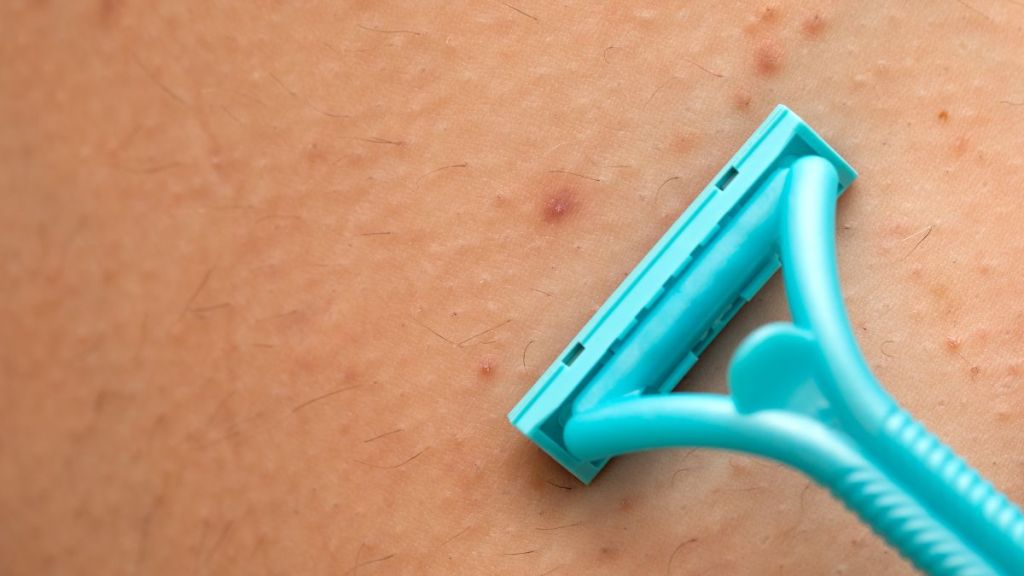
Folliculitis often follows the same triggers: skin stayed wet too long, hair was shaved too close, or clothing rubbed and trapped sweat. Preventing those triggers keeps the follicles intact so germs cannot get in.
- Practice safe hot tub and pool habits: Make sure to use well-maintained tubs and pools, checking chlorine/bromine and pH, and avoiding water that looks or smells off. After swimming, shower with soap, remove the swimsuit, and wash it before wearing again.
- Shower and change out of wet or sweaty clothes right away: Staying in a damp swimsuit or workout gear keeps follicles soft and easier to break. Showering removes germs and sweat, and changing into dry clothes protects areas like the thighs, buttocks, and trunk.
- Use clean, sharp razors and a gentler shaving routine: It’s better to shave on wet skin, using shaving cream, and going in the direction of hair growth. Replace blades often and avoid multi-blade razors if you get bumps, since they can pull hairs under the skin.
- Wear looser clothing in hot and humid weather: Tight pants, leggings, and gear rub on follicles and trap heat. Looser, breathable fabrics help the skin recover between activities. Change and wash clothes after heavy sweating.
- Treat skin problems early: Dermatitis, fungal rashes, or body acne weaken the follicle lining. Getting these treated stops bacteria or yeast from taking over the area later.
- Keep water sources properly maintained (for owners): If you own the spa or small pool, follow CDC levels for chlorine/bromine and pH, and clean filters regularly.
Some people will still get folliculitis even after doing these steps, especially if they shave often or swim a lot. But these habits reduce how often it comes back and make rashes milder when they do happen.
What to Do if Someone Has Folliculitis
The goal is to stop irritation, lower germs, and watch for signs that the infection is getting deeper. Josef Schenker reminds patients that bumps that spread fast, hurt, or look different from usual should be checked so treatment is not delayed. Here are practical steps to do right away:
- Keep the area clean and dry: Wash gently with mild soap and water, then pat dry.
- Avoid scratching or popping the bumps: Scratching can break the skin and push germs deeper. Popping pustules increases the chance of scarring or a wider infection. Use a clean, cool, or warm compress if it itches.
- Stop shaving or waxing over the rash: Shaving over inflamed follicles keeps them open and sore. Let the hair grow out until the bumps are gone.
- Wear loose, breathable clothing: Tight clothes and sports gear trap sweat and rub on the follicles. Looser fabrics help the area stay dry so the bumps don’t spread.
- Use warm compresses: A clean warm cloth for 10–15 minutes helps drainage in small pustules and eases tenderness. Do this a few times a day, using a fresh cloth each time.
- Watch for a rash after hot tubs or pools: If the bumps showed up 1–2 days after being in a spa or pool, avoid that water source until it is properly treated. Showering after swimming helps stop new bumps.
Most mild cases will get better in a few days to about 1–2 weeks. If the rash keeps coming back, affects the scalp or groin, or looks fungal, it may need prescription creams or pills from a provider.
You can visit an urgent care clinic any time the bumps keep returning, are painful, or you have diabetes or a weak immune system. If you need a same-day look at a skin rash, Centers Urgent Care is a convenient option near you. Our team can tell if it is bacterial, hot-tub related, or fungal, and we can start prescription creams or oral medicine so it clears faster.
Josef Schenker, MD, Answers Frequently Asked Questions:
Treat folliculitis in a child by washing the area with mild soap and warm water, then patting it dry. Apply warm compresses for 10–15 minutes several times daily. Keep nails short, avoid scratching or tight clothing, and never pop the bumps to prevent worsening the infection.
Identify bacterial folliculitis by red, tender pustules near hair follicles, often after shaving or friction. Suspect fungal folliculitis if the rash is itchy, uniform, and located on the chest, back, or forehead, especially if antibiotics fail. A clinician confirms the cause using exam, culture, or skin scraping.
Common folliculitis look-alikes include acne, razor bumps, heat rash, impetigo, insect bites, and small boils. Acne lacks hair follicle focus. Razor bumps appear after shaving curly hair. Skin checks help confirm the cause, ensuring correct treatment and avoiding complications like spread or scarring.
Yes. Folliculitis can return if triggers like shaving, tight clothing, or hot tubs persist. It can spread through scratching, shared razors, or sweaty gear. Weakened immunity or diabetes increases recurrence risk. Managing causes and improving hygiene reduce flares. Persistent or spreading cases need medical attention.
Go to urgent care for folliculitis if it spreads quickly, causes severe pain, forms large pus-filled lumps, or appears on the face, near eyes, or groin. Fever, feeling unwell, or having diabetes or low immunity also requires urgent care. Early treatment helps clear the infection and prevent complications.

Prioritize Skin Health: Get Expert Care for Folliculitis
Managing folliculitis early helps prevent discomfort, spreading, and scarring. Simple care like gentle cleansing, avoiding friction, and keeping the skin dry can often stop the irritation before it worsens. When symptoms persist or return, a prompt medical check ensures accurate diagnosis and faster recovery.
Visit our urgent care facility in New York for evaluation and treatment tailored to your skin needs. Our experienced team, led by Dr. Josef Schenker, provides effective care for bacterial, fungal, or water-related folliculitis. At Centers Urgent Care, we treat skin infections promptly so healing can begin right away.
We operate in 12 locations across NYC. Locate a Centers Urgent Care near you and protect your skin health today.

About Josef Schenker, MD:
Dr. Josef Schenker, a board-certified expert in internal medicine and emergency medical services, brings extensive experience and compassion to his role as Medical Director and Partner at Centers Urgent Care. With leadership in SeniorCare Emergency Medical Services and as an Attending Physician at New York-Presbyterian Brooklyn Methodist Hospital, Dr. Schenker oversees critical care and treatment protocols across varied medical needs. His dedication extends to chairing NYC REMAC, ensuring adherence to state standards in emergency medical procedures. At Centers Urgent Care, Dr. Schenker's expertise ensures prompt, high-quality emergency care for patients of all ages, supported by state-of-the-art facilities including a dedicated pediatric suite.