
According to the CDC, more than 6 million children in the U.S. visit the emergency room each year due to unintentional injuries—many of which occur at home. Preventing these accidents begins with understanding the risks within your living space. Whether you’re deciding between urgent care and a pediatrician for non-emergency concerns, a solid home safety checklist for your child’s protection isn’t just a good idea—it’s essential for their well-being.
Why is Home Safety So Important for Children?
Children are naturally curious and often unaware of danger. Their size, mobility, and developmental stage make them especially susceptible to accidents that adults might avoid. Homes contain numerous hidden risks: sharp corners, unlocked cabinets, toxic cleaning supplies, and unattended appliances—all of which can be dangerous to a child.
Creating a child protection checklist for home safety involves making your environment as secure as possible to prevent accidents before they happen.
What Should Be Included in a Home Safety Checklist for Child Protection?
Every home is different, but the following areas are universally high-risk when it comes to child safety. Let’s break down what to look for and what to do in each space.
Kitchen Safety Tips for Children
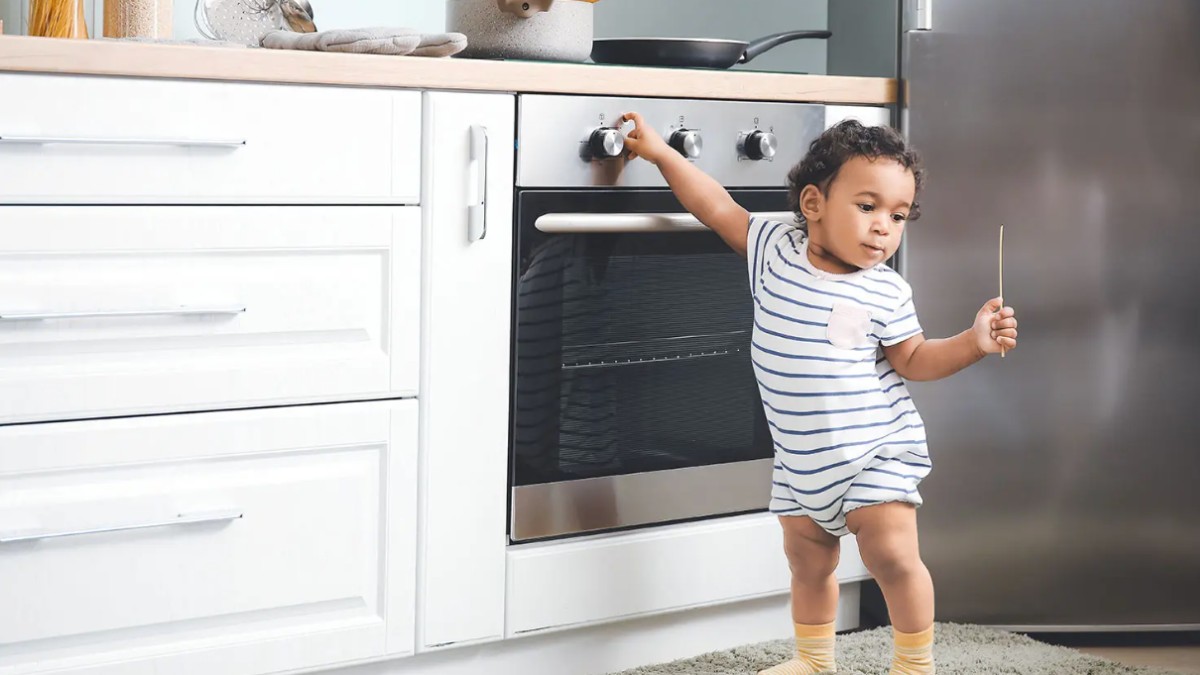
The kitchen is one of the most dangerous rooms for young children. It’s filled with hot surfaces, sharp tools, and heavy appliances. Here’s how to make it safer:
Before diving into a list, it’s important to understand that child safety in the kitchen depends not only on locking up harmful objects but also on controlling access. This means creating a barrier between your child and potential hazards.
- Install stove knob covers and oven locks.
- Use back burners and turn pot handles inward.
- Secure knives and scissors in locked drawers.
- Lock cabinets with cleaning products or store them out of reach.
- Use childproof latches for refrigerators and microwaves.
- Never leave your child unattended near the stove or oven.
Living Room and Bedroom Hazards
Although these spaces seem safe, they often contain furniture and electronics that pose unseen dangers. The home safety checklist for child protection should always include a thorough review of these areas.
Children can easily pull furniture onto themselves or trip over loose cords. Bedrooms, especially those with older siblings, may also include small toys that pose choking hazards.
- Anchor bookshelves and dressers to the wall.
- Keep small objects and toys with detachable parts away from toddlers.
- Cover electrical outlets with tamper-resistant plugs.
- Use cordless window coverings or secure cords high and out of reach.
- Place corner guards on sharp furniture edges.
- Secure TVs and electronics with anti-tip straps.
Bathroom Safety for Children
The bathroom can be especially dangerous due to water and chemical exposure. Scalding, drowning, and poisoning are real risks in this space.
Children can drown in just a few inches of water. That’s why constant supervision and proper safety measures are non-negotiable in the bathroom.
- Keep medications and cleaning supplies locked away.
- Use a toilet lock to prevent drowning and accidental flushing of objects.
- Install anti-scald devices on faucets and showerheads.
- Set the water heater to no more than 120°F (49°C).
- Place non-slip mats in and around the tub.
- Always drain the bathtub immediately after use.

Stairways, Hallways, and Entryways
These areas may seem harmless, but they’re common sites for slips, trips, and falls. Preventive measures can go a long way.
The most effective way to safeguard these high-traffic areas is to maintain clear, well-lit paths and limit access with safety barriers.
- Install safety gates at the top and bottom of stairs.
- Use non-slip stair treads or carpet runners.
- Keep shoes, toys, and clutter off the floor.
- Ensure hallways are well-lit and nightlights are in use.
- Teach children to hold the handrail when using stairs.
Outdoor Safety Measures
Don’t forget the outdoors when preparing your child safety checklist for home environments. Yards, garages, and driveways all have their own risks.
Children love to explore, and outdoor areas provide a whole new world of hazards, from gardening tools to uncovered pools.
- Lock away gardening tools, lawn equipment, and chemicals.
- Use a fence and lockable gate around swimming pools.
- Ensure swing sets and slides are anchored and age-appropriate.
- Check for tripping hazards like hoses or loose bricks.
- Supervise your child when playing near driveways or streets.
Fire Safety and Emergency Preparedness
Emergencies can happen without warning. Integrating fire safety and preparedness into your home safety checklist child plan could save lives.
Knowing what to do in a crisis starts with being ready. That means having safety equipment installed and teaching your children how to respond.
- Install smoke and carbon monoxide detectors on each floor.
- Check batteries monthly and replace devices every 10 years.
- Keep fire extinguishers in accessible locations, especially in the kitchen.
- Create and practice a fire escape plan with your children.
- Post emergency numbers where children can see them.
Safe Sleeping Environment for Infants and Toddlers
The risk of suffocation and SIDS (Sudden Infant Death Syndrome) can be reduced with proper sleep environment safety. This often gets overlooked in broader child safety home checklists but is vital for babies.
Babies need their own safe space to sleep. That means no extras in the crib and no co-sleeping unless recommended by a doctor.
- Place babies on their backs for sleep.
- Use a firm crib mattress with a fitted sheet.
- Avoid blankets, pillows, and stuffed animals in the crib.
- Ensure crib slats are no more than 2 3/8 inches apart.
- Don’t use crib bumpers or drop-side rail cribs.
Supervising Children and Teaching Safety Rules
Even the best childproofing isn’t a substitute for supervision. It’s also important to teach children basic safety rules from a young age.
As children grow, they should begin to understand limits and what behaviors to avoid. This is an evolving part of your child protection safety checklist.
- Set clear rules about where children can go unsupervised.
- Teach them not to touch hot appliances or electrical outlets.
- Use role-play to help them recognize unsafe situations.
- Encourage open communication about fears or accidents.
- Use positive reinforcement when they follow safety rules.
Often-Overlooked Home Safety Tips for Children
Beyond the common hazards, there are small but important details that parents sometimes miss. These quick adjustments can strengthen your home safety checklist for child protection and reduce unexpected risks in everyday routines.

Reviewing and Updating Your Checklist Regularly
Creating a home safety checklist child protection plan isn’t a one-time task. As your child grows, so do the risks and the necessary precautions.
Walk through your home every few months to reassess safety risks. Add new items to your checklist as needed and replace worn-out safety products. Keep your emergency information updated, and refresh your first aid kit regularly. As your child grows, it’s also important to support their overall development—check out our article Language Development in Toddlers: A Guide to learn how you can nurture their communication skills at every stage.
Get Immediate Help When Accidents Happen
Even with the most comprehensive home safety checklist for your child’s protection, accidents can still happen. When they do, it’s crucial to have access to reliable medical care.
Centers Urgent Care offers fast, high-quality urgent care services for children and adults. Whether it’s a burn, sprain, allergic reaction, or something more serious, our team provides expert care without long waits or unnecessary hospital trips. If you’re in need of urgent care in NYC, trust our medical professionals to deliver prompt and compassionate treatment when your child needs it most.
Contact us today to find your nearest location or to learn more about our pediatric urgent care services.