
The early days following implantation are filled with subtle, yet significant, changes in your body. Around 6–12 days after ovulation, the fertilized egg attaches itself to the uterine lining, a process known as implantation. This marks the beginning of hormonal shifts that are essential for supporting the pregnancy.
During this phase, you may notice various physical and emotional changes, which are directly influenced by the fluctuation of specific hormones. It’s also important to start being mindful of foods to avoid, as certain ingredients and substances can interfere with early pregnancy development.
What Hormonal Shifts Happen After Implantation?
After implantation occurs, the body starts preparing for pregnancy by releasing a few key hormones. The most prominent among these is human chorionic gonadotropin (hCG), which is detectable in urine and blood tests and is what pregnancy tests measure. Along with hCG, progesterone and estrogen also rise in levels, each contributing to a range of pregnancy symptoms.
While hCG is crucial for pregnancy confirmation, progesterone is the hormone that primarily helps sustain early pregnancy. This shift in hormonal levels can trigger various symptoms and changes in your body.
What are the Symptoms of Hormonal Shifts After Implantation?
Hormonal shifts after implantation can lead to a variety of symptoms, both physical and emotional. These symptoms are often experienced differently by each woman, but some common signs include:
- Fatigue: The surge in progesterone can leave you feeling more tired than usual. This is a normal sign that your body is adjusting to pregnancy and preparing for the energy needs of a developing embryo.
- Mood Swings: Hormones like progesterone and estrogen can influence your emotional state. You may find yourself feeling more emotional or experiencing mood swings as your body adjusts to these changes.
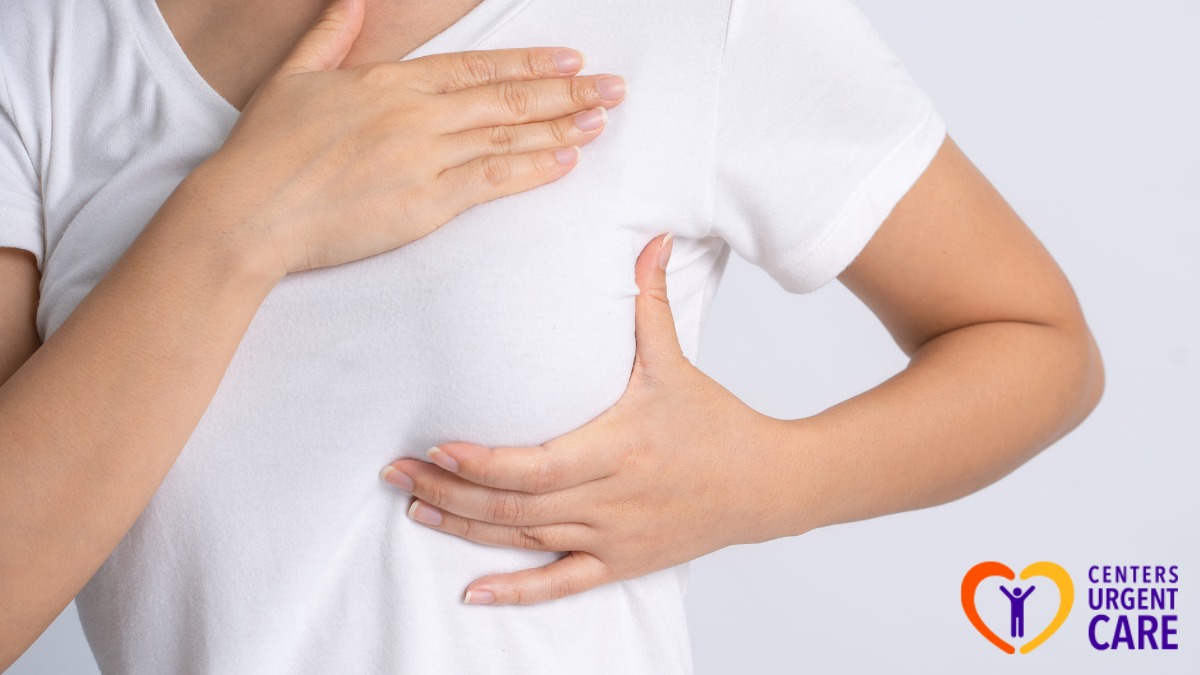
- Breast Tenderness: This is another common symptom, often caused by rising levels of estrogen and progesterone. Your breasts may feel sore, swollen, or tender to the touch.
- Increased Urination: The hormonal shifts may also affect your kidneys, causing you to urinate more frequently.
- Nausea: Although nausea is more common later in pregnancy, some women may experience it after implantation due to hormonal shifts. Progesterone can cause your digestive system to slow down, leading to nausea or a general feeling of discomfort.
How Long Do Hormonal Shifts Last After Implantation?
The hormonal shifts after implantation typically continue throughout the early stages of pregnancy, with the intensity of symptoms fluctuating. Progesterone levels peak in the first trimester to help support the pregnancy, so many of the symptoms you experience might persist until the placenta takes over hormone production.
Typically, the most noticeable changes occur within the first few weeks following implantation and may last for several weeks. However, as your body adapts, these symptoms may diminish or evolve. Understanding this timeline can help you manage your expectations and reduce anxiety during the early stages—key steps in managing chronic discomfort. For more practical guidance, check out How to Manage Chronic Back Pain and Improve Your Quality of Life, which offers strategies to navigate pain and enhance well-being throughout your recovery.
Are Hormonal Shifts After Implantation a Sign of Pregnancy?
Yes, hormonal shifts after implantation are indeed a sign of pregnancy. These hormonal changes are vital for maintaining the early stages of pregnancy and ensuring that the fertilized egg is supported and nourished as it begins to develop.
Hormonal Shifts After Implantation: When to Seek Medical Attention
While hormonal shifts are a natural part of early pregnancy, it’s important to be aware of any symptoms that might indicate a complication. If you experience severe abdominal pain, heavy bleeding, or dizziness, it’s important to seek medical attention immediately. These symptoms could indicate a miscarriage, ectopic pregnancy, or other serious conditions.
It’s always a good idea to consult a healthcare provider if you’re feeling unsure about your symptoms. Regular check-ups are important to ensure the health of both you and your baby.
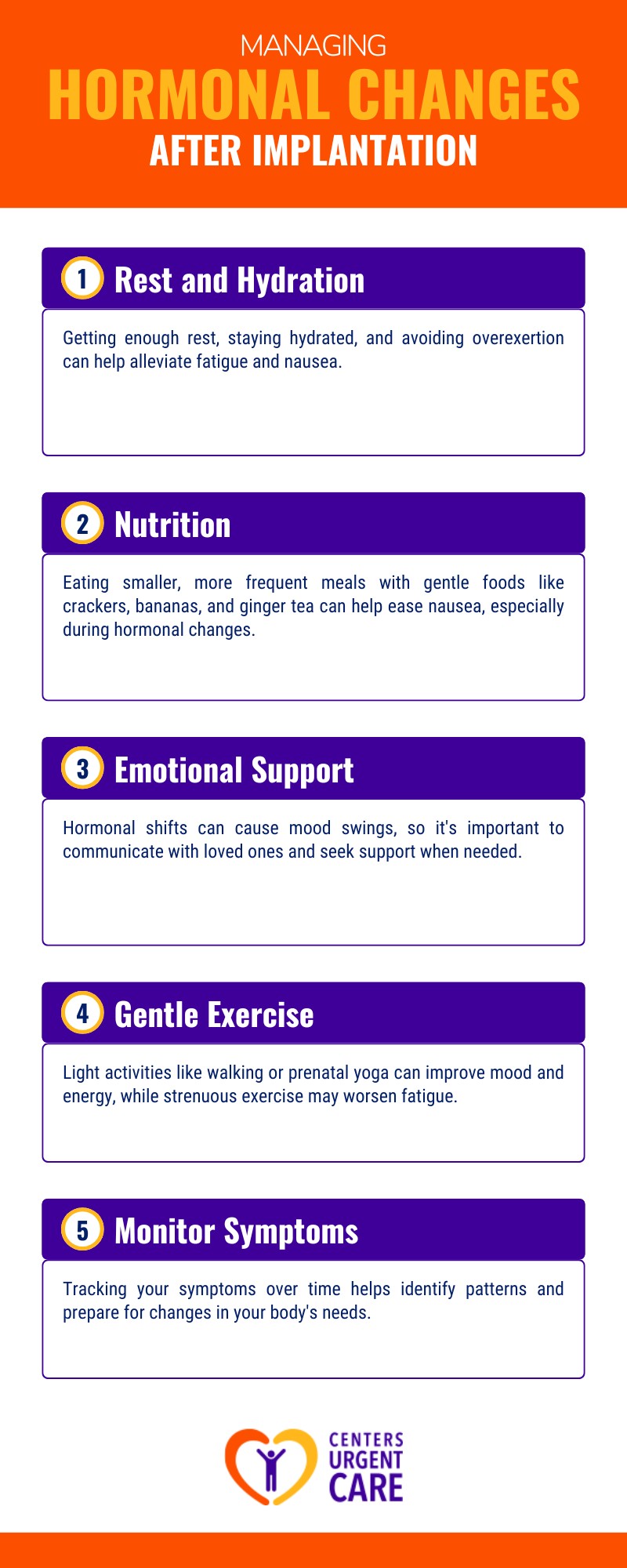
How Can You Manage Hormonal Shifts After Implantation?
While it’s not always possible to control hormonal changes after implantation, there are ways to manage the symptoms and make them more manageable:
Need Urgent Care? Centers Urgent Care in NY
If you’re noticing unusual symptoms after implantation and need expert guidance, our team at Centers Urgent Care is here to provide you with the help you need. We offer fast, high-quality urgent care services for both children and adults, addressing concerns about hormonal shifts, implantation, or early pregnancy symptoms. Our experienced healthcare professionals are ready to offer accurate assessments and compassionate care.
For reliable urgent care in NY, don’t hesitate to contact us today to receive the medical attention you deserve. We’re dedicated to your well-being, providing prompt and thorough support every step of the way.