

For many, the idea of getting tested for STDs might evoke anxiety or discomfort; however, prioritizing this aspect of health can ensure peace of mind and promote a healthier community. Understanding how often to get tested and the risks of skipping screenings are crucial for anyone who’s sexually active. Whether it’s routine check-ups or targeted testing after risk exposure, proactive testing enables individuals to address infections early, seek treatment, and reduce the risk of further spread.
The Significance of Routine STD Testing
Regular testing for sexually transmitted diseases (STDs) is more than a health task—it’s a proactive commitment to well-being. STDs often come without symptoms, allowing them to progress unnoticed. A person may feel completely healthy while unknowingly carrying an infection, potentially affecting their health and that of their partners. By scheduling regular STD tests, individuals take charge of their sexual health, obtaining early detection and timely treatment that can prevent long-term consequences.
Frequent testing is particularly important for those engaging with multiple partners or practicing unprotected sex. Even in monogamous relationships, getting tested serves as a preventive measure that fosters open communication, trust, and confidence. Knowing your STD status allows you to approach relationships with transparency, offering both you and your partner(s) reassurance and health security.
Understanding the Risks of Untreated STDs
Untreated STDs can lead to severe health complications, ranging from infertility to chronic pain, organ damage, and increased vulnerability to other infections, including HIV. When left unchecked, infections such as chlamydia, gonorrhea, and syphilis may cause irreversible damage to reproductive organs, while untreated HIV can significantly weaken the immune system. Additionally, pregnant individuals with untreated STDs face risks of transmitting infections to their babies, potentially causing pregnancy complications or neonatal health issues.
Beyond individual health risks, untreated STDs contribute to community health concerns. By undergoing regular testing and seeking prompt treatment, you not only protect your health but also reduce the possibility of inadvertently spreading infections. Regular testing reflects a commitment to both personal and public health, cultivating a safer environment for everyone involved.

General STD Testing Recommendations
To establish a solid foundation for sexual health, healthcare professionals recommend STD testing based on one’s lifestyle, relationship status, and sexual activity. For most sexually active individuals, annual testing for common STDs like chlamydia, gonorrhea, and HIV is suggested. However, frequency can vary depending on risk factors such as:
- Number of sexual partners: Individuals with multiple partners should consider more frequent testing, as it helps monitor and manage potential risks more effectively.
- Type of protection used: Those who engage in unprotected sex, even occasionally, are more likely to contract an STD and thus should get tested more often.
- Past history of STDs: Individuals who have previously tested positive for an STD are more susceptible to reinfection, underscoring the need for periodic testing.
Routine STD testing not only reassures you of your current health status but also equips you with knowledge about potential risks and preventive measures.
Tailoring Testing Frequency Based on Age and Lifestyle
Age often correlates with risk levels and testing needs. Here’s a breakdown of testing guidelines across various age groups:
- Young Adults (Ages 13-24): Annual testing for chlamydia and gonorrhea is recommended, alongside HIV screening. This age group has higher rates of certain STDs due to lifestyle and social factors, making regular testing particularly essential.
- Adults (Ages 25-64): Annual testing remains advisable, with HIV screening suggested at least once. Testing frequency may increase depending on lifestyle factors such as number of partners and engagement in unprotected sex.
- Older Adults (65+): While this group generally has a lower risk, those with active sex lives or in new relationships may benefit from testing based on individual circumstances and risk factors.
Each stage of life presents unique needs, but maintaining consistent communication with healthcare providers allows for a customized approach, ensuring that testing schedules align with individual circumstances.

Key Factors Affecting Testing Frequency
Several personal factors influence how often you should undergo STD testing. Awareness of these factors can help you make informed decisions:
- Symptoms: Experiencing symptoms such as unusual discharge, sores, or pain during urination necessitates immediate testing, regardless of the last test date.
- Partner’s Status: If your partner’s STD status is unknown or they have tested positive, getting tested can help prevent possible transmission.
- Pregnancy: Expectant parents should prioritize STD testing, as certain infections can impact both maternal and fetal health.
Recommended Intervals for Specific STDs
While general recommendations suggest annual testing, the testing interval for each specific STD can vary. Here’s an overview:
- Chlamydia and Gonorrhea: Testing at least once a year is advised for sexually active individuals under 25 and high-risk individuals. More frequent testing is recommended for those with multiple partners.
- HIV: Annual testing is generally suggested, though individuals at higher risk (e.g., those with multiple partners or MSM—men who have sex with men) may benefit from more frequent testing.
- Syphilis: Yearly testing is recommended, particularly for high-risk groups.
- Herpes: Testing may be guided by symptoms or risk factors.
- HPV: Individuals aged 21-65 are advised to get a Pap test every three years, with additional HPV testing as recommended by their healthcare provider.

Different Testing Methods for STDs
STD testing methods vary, offering options suited to different needs. Here are some common approaches:
- Blood Tests: Used to detect infections like HIV and syphilis, blood tests identify antibodies the body produces in response to an infection.
- Urine Tests: Convenient and non-invasive, urine tests detect bacterial STDs like chlamydia and gonorrhea.
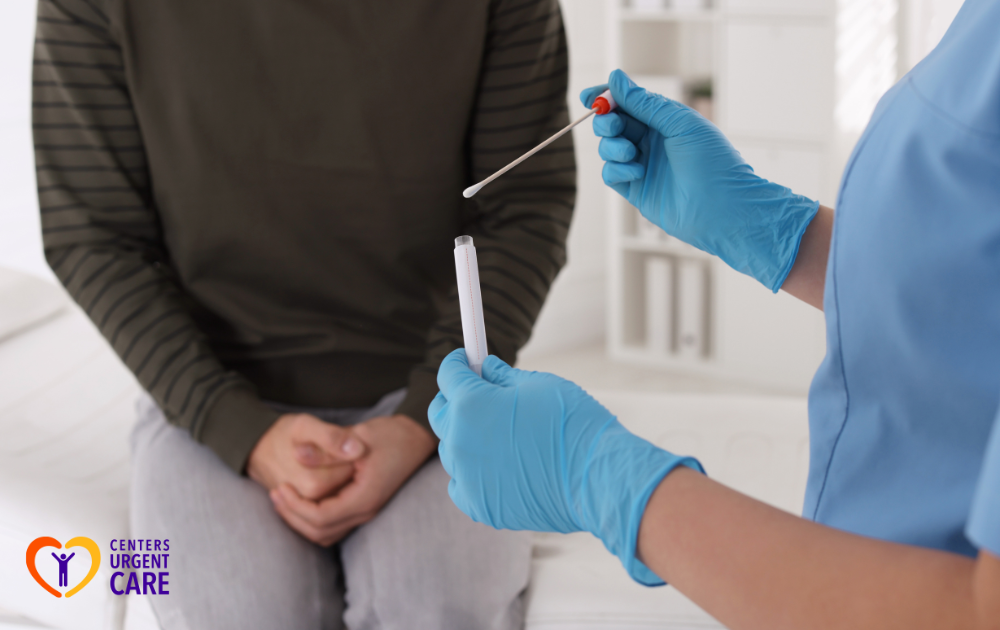
- Swab Tests: Swabs taken from the genitals, mouth, throat, or rectum can diagnose infections like herpes, HPV, and other bacterial STDs.
- Home Testing Kits: Home kits allow individuals to collect samples privately and send them to a lab, providing confidentiality and convenience.
Where to Get Tested for STDs
Accessible and confidential testing options are available in many settings, making it easier than ever to take charge of sexual health:
- Health Clinics: Facilities like Planned Parenthood provide accessible, confidential testing.
- Primary Care Providers: Many general practitioners offer STD testing during routine check-ups.
- STD Testing Centers: Dedicated facilities offer specialized services for comprehensive screening and care.
- Telemedicine: Virtual platforms offer online consultations and at-home testing options.
These options ensure that individuals have access to safe, reliable testing, empowering them to make informed health decisions.
High-Risk Groups and Frequent Testing
Certain groups benefit from more frequent testing due to increased risk:
- Sexually Active Individuals: Especially those with multiple partners.
- People with Previous STDs: Reinfection risks necessitate regular screening.
- MSM (Men Who Have Sex with Men): This group has higher rates of certain STDs and may require frequent testing.
- People with HIV/AIDS: Regular testing is crucial to prevent co-infections.
Regular screening for these high-risk groups supports early detection, timely treatment, and reduced transmission.
Taking Proactive Steps in Sexual Health
STD testing is not just a preventive measure but a foundation of responsible sexual health. By scheduling regular tests, understanding the risks, and making informed choices, individuals contribute to their well-being and a safer, healthier community. Whether it’s getting an annual test or seeking advice from a healthcare provider, taking charge of one’s sexual health brings empowerment and peace of mind.
At Centers Urgent Care, we offer high-quality, confidential STD testing services designed to meet your needs. Our expert team ensures a comfortable and efficient experience. If you need immediate attention or have any concerns, feel free to reach out to us. For accessible care, we offer urgent care center New York services. Contact us today to schedule your visit and take the first step towards better health!
2025 has changed my life. I never believed I would be cured by a spell caster who specializes in herbal cure and magical spells. I am talking about the help Doctor Odunga gave to me. I have been cured of herpes HPV which has plagued me for over 2 years. I am very happy to tell others that if you want to be cured or get your ex back spells and get pregnant naturally, even financial blessing through lottery, there is only one place to be and that is with Dr Odunga Spell Temple. Am so happy that just 3 days after taking DR ODUNGA Herbal treatments my herpes was cured permanently. DR ODUNGA also have cure to #HIV #Diabetes #Lupus #Tinnitus #Fibroid #Cancer #Hepatitis B, #Syphilis #Infertility etc … If you have this ailment or whatsoever you might be suffering from you should contact him at his EMAIL: odungaspelltemple@gmail.com OR VIA Whats App +2348167159012