
Wellness Tips from Josef Schenker, MD
Welcome to our Wellness Tips blog series, where Josef Schenker, MD, Medical Director at Centers Urgent Care, shares his knowledge in internal medicine and emergency care. His mission? To help you make informed choices about your health with simple, effective prevention strategies.
In this series, Dr. Schenker covers essential health topics, emphasizing prevention, early detection, and daily habits that support long-term wellness. Today, we’re focusing on a growing issue—obesity. Learning how to prevent it can protect you from serious health risks like osteoarthritis, heart disease, and diabetes. Let’s get started.
How to Avoid Obesity
Obesity is a major public health issue in the United States. According to the CDC, 2 in 5 American adults and 1 in 5 children have obesity. This isn’t just about aesthetics—it’s a serious health condition that increases the risk of diabetes, high blood pressure, heart disease, and even certain cancers.
Obesity can also put extra strain on your joints, leading to osteoarthritis, a painful condition that affects mobility and quality of life. The good news? Obesity is largely preventable, and Dr. Schenker is here to guide us on how to avoid it through practical, sustainable lifestyle choices. Let’s start by understanding obesity and how it’s classified.
Dr. Josef Schenker Explains Obesity and Its Classifications
Obesity is a medical condition where excess body fat negatively impacts overall health. It is commonly determined using the Body Mass Index (BMI), which calculates body fat based on height and weight. Josef Schenker, MD explains that while BMI isn’t a perfect measure, it helps categorize obesity levels.
- Overweight (BMI 25-29.9): Excess weight increases health risks but isn’t yet classified as obesity.
- Class 1 Obesity (BMI 30-34.9): Considered mild obesity but still increases the risk of chronic diseases.
- Class 2 Obesity (BMI 35-39.9): Higher risk of severe health complications.
- Class 3 Obesity (BMI 40+): Also known as morbid obesity, significantly raising the risk of life-threatening conditions.
Understanding these classifications helps highlight the importance of prevention. But what causes obesity in the first place?
What Causes Obesity?
Obesity doesn’t happen overnight. Dr. Josef Schenker explains that it’s a result of various factors that influence weight gain over time. Some key causes include:
- Poor Diet Choices: Eating too many processed, high-calorie, and sugary foods can quickly lead to excessive calorie intake and weight gain.
- Lack of Physical Activity: When we don’t move enough, we don’t burn the calories we consume, leading to gradual weight gain over time.
- Genetics: If obesity runs in your family, you might have a genetic tendency to store fat more easily or have a slower metabolism.
- Hormonal Imbalances: Conditions like hypothyroidism and PCOS can make it harder to lose weight and easier to gain it.
- Emotional Eating & Stress: When life gets overwhelming, many people turn to food for comfort, often leading to overeating without realizing it.
- Medications: Certain drugs, such as antidepressants and steroids, can contribute to weight gain by affecting metabolism and appetite.
- Lack of Sleep: Poor sleep messes with the hormones that control hunger, making you crave high-calorie foods more often.
- Medical Conditions: Some health issues, like Cushing’s syndrome, can make it much harder to maintain a healthy weight.
Since obesity stems from multiple causes, addressing it requires a holistic approach to lifestyle and health. Let’s explore the complications that obesity can bring.
What are the Possible Complications of Obesity?
According to Dr. Josef Schenker, obesity isn’t just about carrying extra pounds—it’s a complex condition that can trigger serious health problems, affecting everything from your heart to your joints and even your mental well-being.
- Heart Disease & Stroke: Excess weight forces the heart to work harder, which can lead to high blood pressure, heart disease, and even strokes. Keeping your heart healthy means maintaining a balanced weight.
- Type 2 Diabetes: Obesity interferes with insulin regulation, which can cause blood sugar levels to spike and lead to diabetes. Managing weight plays a key role in diabetes prevention.
- Joint Problems & Osteoarthritis: Extra weight increases pressure on your joints, particularly the knees and hips, leading to pain, inflammation, and reduced mobility.
- Sleep Apnea: Carrying excess fat around the neck can restrict airflow, making breathing difficult during sleep and increasing the risk of serious sleep disorders.
- Certain Cancers: Research links obesity to a higher risk of cancers like breast, colon, and pancreatic cancer, possibly due to inflammation and hormonal imbalances.
- Mental Health Issues: Obesity can take an emotional toll, leading to low self-esteem, anxiety, and depression. A healthy lifestyle supports both physical and mental well-being.
Preventing obesity is far easier than dealing with its complications. Here’s how you can take proactive steps.
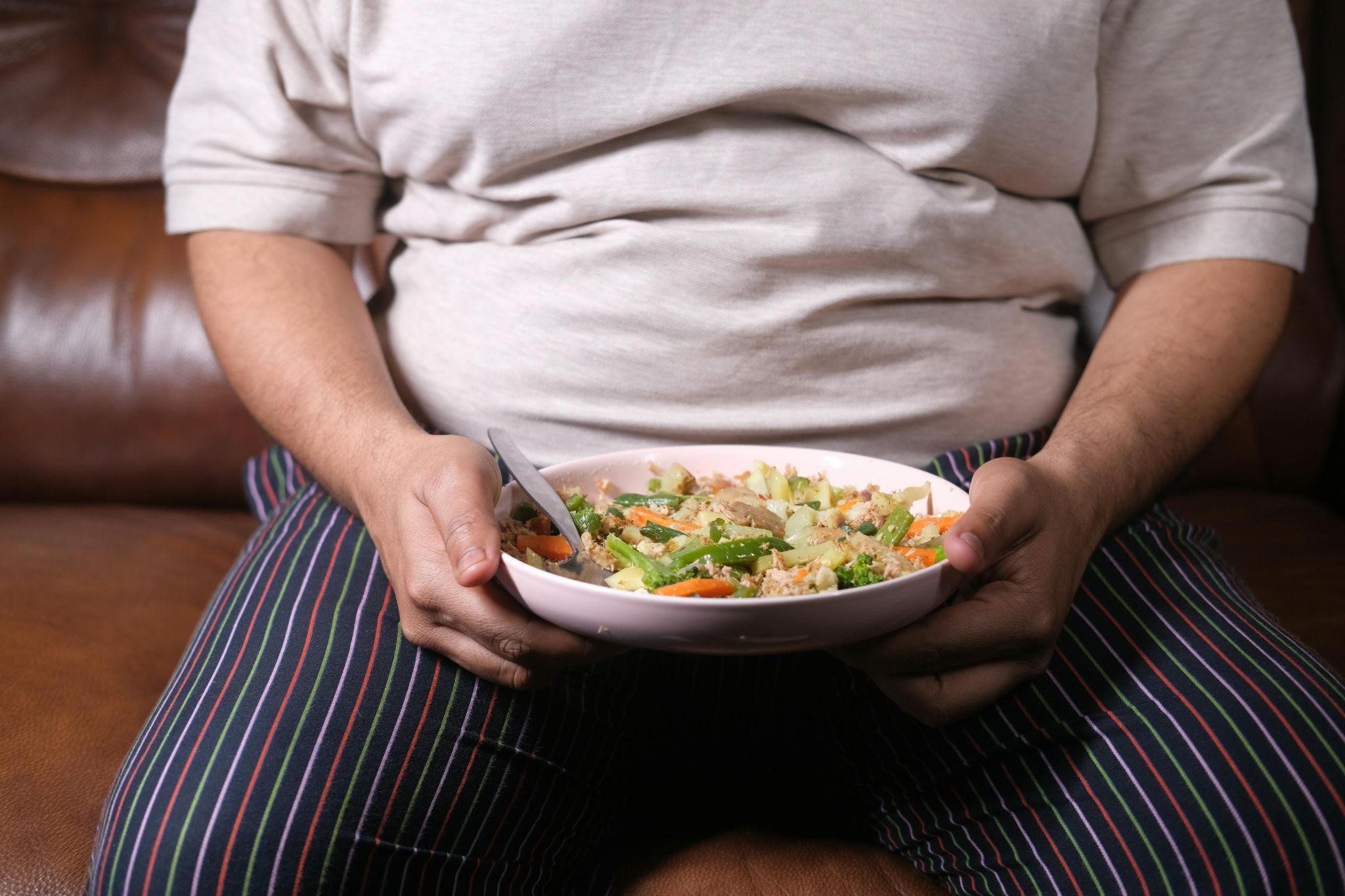
Josef Schenker, MD, Explains Ways to Avoid Obesity
According to Josef Schenker, MD, the best way to manage obesity is to prevent it before it starts. Here are some practical, effective ways to maintain a healthy weight:
- Eat a Variety of Nutritious Foods: Incorporating fruits, vegetables, lean proteins, and healthy fats into your meals provides essential nutrients while keeping you full and satisfied.
- Watch Your Portion Sizes: Paying attention to how much you eat can prevent unnecessary calorie intake and help you maintain a healthy balance.
- Stay Active: Engaging in at least 150 minutes of moderate exercise per week helps boost metabolism and support overall well-being.
- Drink Plenty of Water: Staying hydrated not only prevents dehydration but also helps control hunger, as thirst is sometimes mistaken for hunger.
- Manage Stress Effectively: Finding ways to handle stress—whether through exercise, meditation, or hobbies—can reduce emotional eating and improve overall health.
- Prioritize Quality Sleep: Getting enough rest helps regulate hunger hormones, preventing cravings and keeping your metabolism balanced.
- Limit Sugary Beverages: Cutting back on sodas, energy drinks, and sweetened coffees reduces unnecessary calorie intake and helps with weight management.
- Seek Medical Advice When Needed: If weight management feels overwhelming, consulting a healthcare provider can provide you with a personalized plan tailored to your needs.
Taking small, sustainable steps can make a huge difference in preventing obesity and improving overall health. Dr. Josef Schenker emphasizes that reaching out to a medical professional is always a wise choice.
Josef Schenker, MD, Answers Frequently Asked Questions:
Foods that contribute to obesity are often high in refined sugars, unhealthy fats, and excess calories. Fast food, sugary beverages, processed snacks, and baked goods can lead to weight gain when consumed in excess, especially alongside a sedentary lifestyle.
Obesity affects several major organs, including the heart, liver, and pancreas, increasing the risk of heart disease, fatty liver, and diabetes. It also strains the joints, impacts lung function, and disrupts digestion, leading to various long-term health complications.
Without intervention, obesity can contribute to severe health issues such as heart disease, stroke, diabetes, and certain cancers. It can also lead to sleep apnea, joint pain, and decreased mobility, significantly affecting both quality of life and long-term health.

Avoid Obesity: Start Healthy Habits Today
Maintaining a healthy weight isn’t just about looking good—it’s about living a longer, healthier life. Small changes like eating mindfully, staying active, and managing stress can make a big impact over time. Taking control of your health today can prevent serious complications down the road.
If you’re struggling with weight management, don’t hesitate to seek professional help. At Centers Urgent Care, our medical experts led by Dr. Josef Schenker, are here to support your wellness journey with personalized guidance and care. Visit any of our New York locations and take the first step towards a healthier future today!

About Josef Schenker, MD:
Dr. Josef Schenker, a board-certified expert in internal medicine and emergency medical services, brings extensive experience and compassion to his role as Medical Director and Partner at Centers Urgent Care. With leadership in SeniorCare Emergency Medical Services and as an Attending Physician at New York-Presbyterian Brooklyn Methodist Hospital, Dr. Schenker oversees critical care and treatment protocols across varied medical needs. His dedication extends to chairing NYC REMAC, ensuring adherence to state standards in emergency medical procedures. At Centers Urgent Care, Dr. Schenker's expertise ensures prompt, high-quality emergency care for patients of all ages, supported by state-of-the-art facilities including a dedicated pediatric suite.
FAST EFFECTIVE WAY TO GET CURED FROM HERPES VIRUS
Hello! I’m very excited to share what worked for me to everyone. I’m completely cured from my HSV1&2 with the use of natural medicine. I have used Oregano oil, Coconut oil, Acyclovir, Valacyclovir, Famciclovir and some other products/supplements and it hasn’t helped ever since I was diagnosed. I got outbreaks frequently and was completely devastated and I went online for a possible cure and how to get rid of Herpes. On a fateful day after taking my bath, I took my phone and was going through some research, I bumped into a testimonial of a Herbs doctor { Dr Awase } who cures diverse diseases/viruses with Herbal medication. I was hopeful but also doubted the claim. But after a while I thought “what do I have to lose?” so I decided to reach out. He prepared a cure using roots and herbs which I steadily took for 14days as prescribed by him. I am quite glad I decided to reach out because I am totally cured from Herpes after a medical checkup was done by my Dr. So I’ve decided to make a quick testimony for anyone out there who is probably suffering from an illness they can’t handle to reach out to Dr Awase. He specializes in curing lots of illnesses such as HIV, ENDOMETRIOSIS, PCOS, OVARIAN CYST, INFERTILITY, HEPATITIS A,B,C and lots more. I’m here to let you all know that you can also be cured just like me and you don’t have to live with any sort of illness for the rest of your life. To reach out, Contact him via WhatsApp below or Email
WhatsApp +2349074997110
Email:- dr.awaseherbalhome@gmail. com
MY HERPES STORY AND HOW I WAS CURED
For years, I struggled with the emotional and physical burden of the herpes virus, believing I would have to live with it forever. I tried countless treatments, medications, and therapies, but nothing seemed to bring lasting relief. It felt like a battle with no end in sight until I discovered a natural remedy that changed everything (herbs). Skeptical at first, I decided to give it a try, and to my surprise, I started noticing improvements in my overall well-being within two days of taking the medication. With consistency as prescribed by the herbal doctor, I felt healthier, more energized, and free from the symptoms that had once controlled my life. After completing the treatment, (14days) I visited my doctor for confirmation, and I was overjoyed with the results. I tested negative. I was cured from my HSV1&2
This experience has given me back my confidence, peace of mind, and a renewed sense of hope. If you or someone you know is struggling with herpes or other health concerns like HPV, endometriosis, ovarian cysts, PCOS, or hepatitis, know that there are alternative options available and you will be cured. For those seeking a natural approach to wellness, I encourage you to explore this path with an open mind. You never know how life-changing it might be. Just if you want to reach out, you can contact:
Email: dr.awaseherbalhome@gmail.com
WhatsApp: +2349074997110