

Chronic back pain affects millions of people worldwide, with studies estimating that 23% individuals will experience back pain at some point in their lives. For many, this condition becomes long-term, impacting daily activities and overall quality of life. While treatments vary, addressing lifestyle factors—such as posture, exercise, and even diet—can make a difference. In particular, knowing which foods to avoid may help reduce inflammation and ease discomfort over time.
Managing chronic back pain effectively requires a comprehensive approach tailored to the individual, combining lifestyle changes, medical treatments, and preventive measures.
What is Chronic Back Pain?
Chronic back pain is defined as pain that lasts for more than three months. It may result from various factors, including injury, poor posture, degenerative diseases, or conditions such as arthritis. Unlike acute pain, which comes on suddenly and can often be treated with rest and medication, chronic back pain is persistent and may require ongoing management.
How to Manage Chronic Back Pain
Managing chronic back pain involves multiple steps. It’s not about finding a single solution but integrating a range of techniques that can alleviate discomfort and improve mobility.
Physical Therapy and Stretching
A physical therapist can guide you through exercises tailored to your specific condition. These exercises strengthen the muscles supporting your spine, improve flexibility, and reduce pressure on nerves. Stretching regularly can also help relieve stiffness, which is a common complaint among those with chronic back pain.
Ergonomics and Posture
Improper posture, especially when sitting for long periods, can exacerbate back pain. Adjusting your workspace to promote good posture can make a significant difference. This means ensuring your chair offers proper lumbar support, sitting with your feet flat on the floor, and avoiding slouching. Additionally, standing and stretching at regular intervals throughout the day can help.
Exercise and Weight Management
A regular exercise routine, including low-impact activities such as walking, swimming, or yoga, can help build strength and improve flexibility, which in turn supports the back. Maintaining a healthy weight is equally important, as extra weight, particularly around the abdomen, can place undue stress on your lower back.

Medication and Pain Relief
Nonsteroidal anti-inflammatory drugs (NSAIDs) like ibuprofen or acetaminophen are often recommended for short-term relief of chronic back pain. In more severe cases, doctors may prescribe muscle relaxants or stronger medications. Topical treatments such as creams or patches may also provide localized relief. For some, steroid injections or even surgery may be considered, depending on the severity of the condition.
Mind-Body Techniques
Stress and anxiety can worsen chronic pain. Techniques such as mindfulness meditation, deep breathing exercises, or cognitive-behavioral therapy (CBT) can help manage the emotional component of pain. Reducing stress can ultimately help you focus on healing and managing pain more effectively.
Alternative Therapies
Some people find relief from chronic back pain through alternative treatments like acupuncture, chiropractic care, or massage therapy. While evidence supporting these methods is mixed, many individuals report significant benefits, particularly when combined with traditional treatments.
Surgical Interventions
In rare cases, surgery may be necessary if conservative treatments fail. Options include spinal fusion or decompression surgery, depending on the underlying cause of the pain. However, surgery is typically a last resort after other methods have been explored.
When Should You See a Doctor About Chronic Back Pain?
If your back pain persists for several weeks or worsens over time, it’s crucial to consult a healthcare professional. A doctor will assess the underlying cause of the pain and recommend appropriate treatment. Signs that you should seek medical attention include:
- Pain radiating down one or both legs
- Numbness or weakness in the legs
- Difficulty controlling bowel or bladder functions
- Severe pain that doesn’t improve with rest
If these symptoms are present, seeking medical attention promptly can prevent further complications and help you find a suitable treatment plan.
Alongside medical care, adopting a healthy lifestyle can support your recovery—checking out 5 Easy Healthy Snacks for Weight Loss You Can Make Today is a simple way to start improving your diet, which may help reduce inflammation and support overall wellness.
5 Additional Tips for Managing Chronic Back Pain
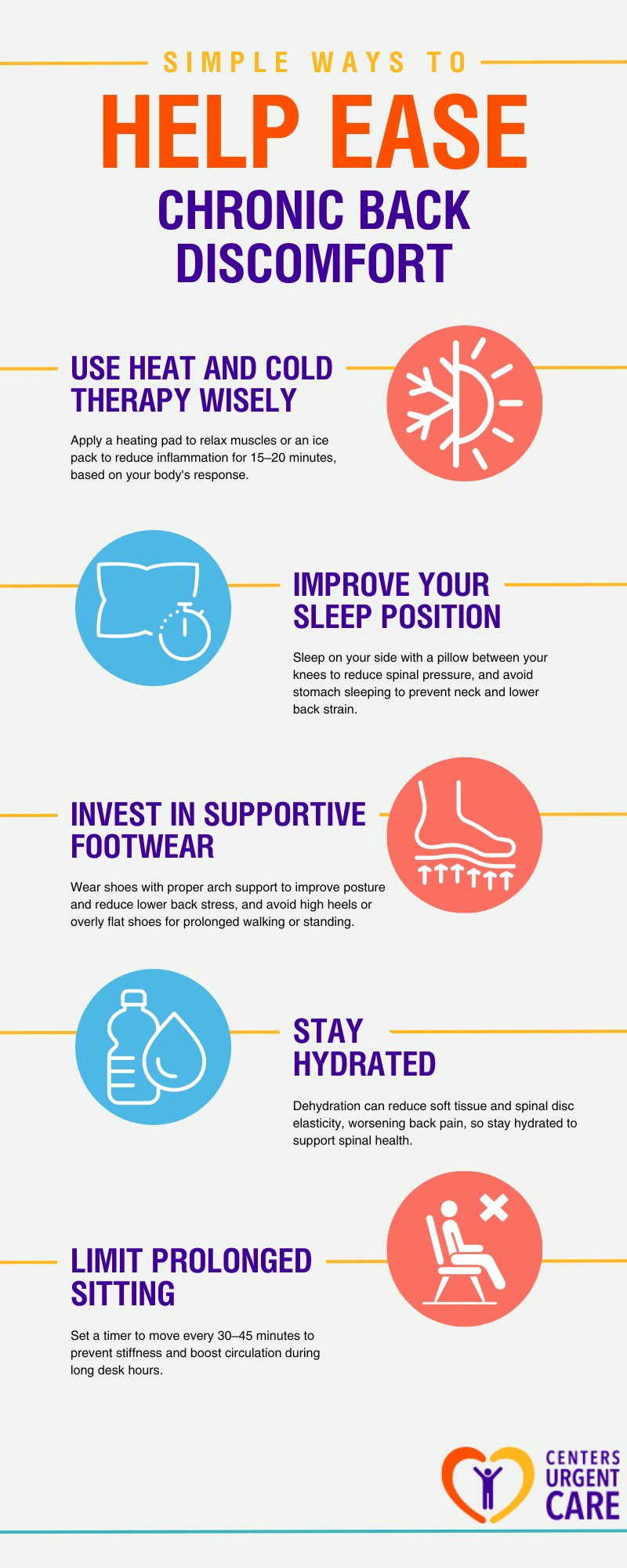
Managing chronic back pain isn’t just about medications and physical therapy—it’s also about building supportive daily habits. Here are a few more strategies that can make a meaningful difference:
How Centers Urgent Care Can Help You Manage Chronic Back Pain
If you’re struggling with chronic back pain and need immediate care, consider visiting Centers Urgent Care. They offer fast, high-quality urgent care services for children and adults in New York. Whether you’re in need of pain relief, diagnostic imaging, or a professional assessment of your condition, Centers Urgent Care provides the expertise you need to start your recovery journey.
Our team focuses on personalized treatment plans that address your specific pain points and help you regain comfort and mobility. For reliable urgent care in New York, trust our team to deliver prompt and compassionate service. Don’t wait—contact us today to get the care you deserve.