
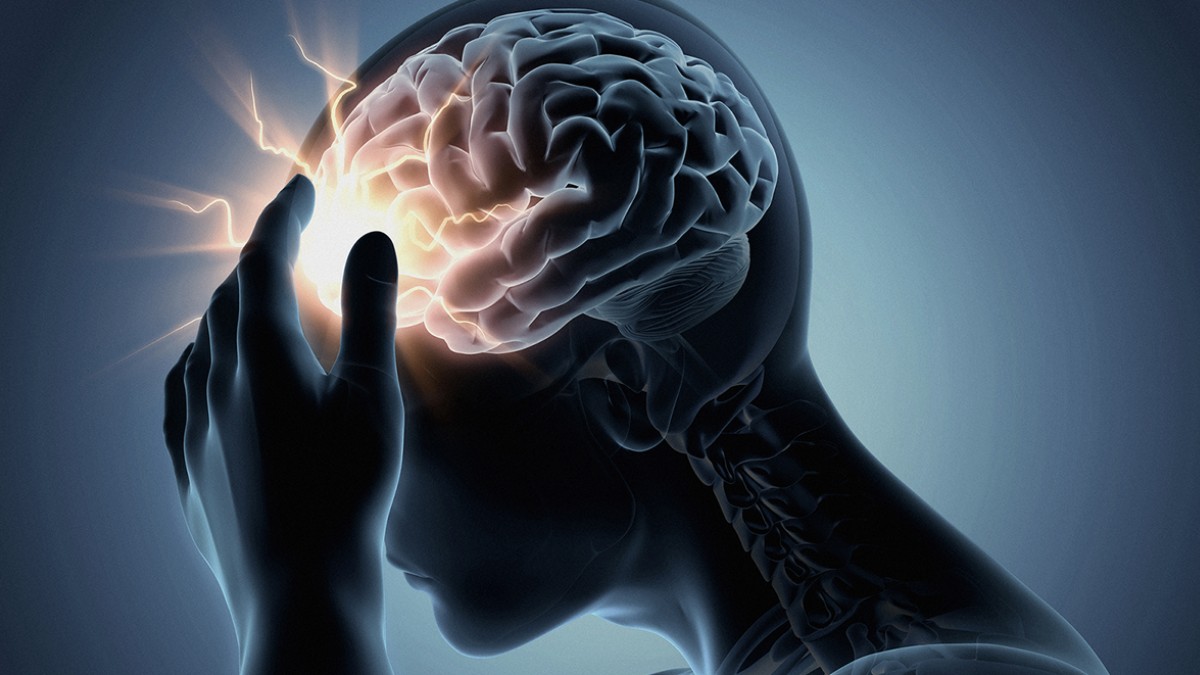
Every year, millions of people suffer from traumatic injuries, with a wide range of severity. According to the CDC, in the United States alone, traumatic injuries are the leading cause of death for individuals under 45. Recognizing the severity of a traumatic injury can make all the difference in preventing complications and ensuring proper treatment.
Immediate attention can significantly affect the outcome of many injuries, which is why it’s crucial to understand the signs and symptoms that signal more serious trauma. In some cases, individuals may be required to pass a DOT physical to ensure they are fit to return to work or resume activities safely.
How Do You Assess the Severity of an Injury?
Assessing a traumatic injury requires considering several physical and behavioral signs. By paying attention to these indicators, you can better identify how serious the injury might be and take the appropriate next steps.
Evaluate the Level of Consciousness
Check if the person is alert, responsive, or unconscious. A reduced level of consciousness can indicate a severe head injury or shock.
Inspect for Bleeding
Identify if there is minor bleeding, heavy bleeding, or internal bleeding. Profuse or uncontrolled bleeding is a medical emergency.
Check for Breathing and Pulse
Ensure the person is breathing normally and has a steady pulse. Difficulty breathing or no pulse requires immediate intervention.
Observe Physical Deformities or Swelling
Look for visible signs such as broken bones, swelling, or abnormal positioning of limbs, which may suggest fractures or joint injuries.
Assess Pain Level and Mobility
Ask the individual to describe their pain and check if they can move the affected area. Severe pain or immobility may signal a serious injury.
Monitor for Signs of Shock
Watch for symptoms like pale or clammy skin, rapid breathing, or confusion, which may indicate the body is reacting to a serious trauma.
Note Behavioral Changes
Be alert to confusion, irritability, or unusual behavior, especially after a head injury, as these can reflect neurological damage.
Consider the Mechanism of Injury
Assess how the injury happened—falls from heights, vehicle collisions, or high-impact sports injuries tend to result in more serious damage.

When Should You Seek Immediate Medical Attention?
Knowing when to seek immediate medical attention is critical. While minor injuries may not require urgent care, more severe injuries could lead to long-term complications if left untreated. Here’s when you should consider urgent care or emergency medical help:
- Severe or Persistent Pain: If the pain is unrelieved by basic first-aid measures or painkillers, it may indicate a serious issue.
- Uncontrolled Bleeding: A large wound or injury that won’t stop bleeding requires immediate attention.
- Difficulty Breathing: Trauma to the chest or neck can impair breathing, indicating possible internal injury.
- Disorientation or Loss of Consciousness: This could indicate a serious head injury or concussion, requiring professional assessment.
- Swelling or Deformity: Any sign of broken bones or dislocated joints should be checked immediately.
Learn more about the different ways trauma can be treated in the article, Comprehensive Trauma Care Treatment Options You Should Know. It breaks down practical, effective options so you can make informed decisions about care.
How to Identify Internal Injuries?
Internal injuries are not always immediately apparent and can be more difficult to diagnose. But by watching for certain symptoms, you can determine if there’s a need for concern.
- Unexplained Pain – Persistent or severe pain in the abdomen, chest, or head may indicate internal bleeding or organ damage.
- Swelling or Bruising – Large, deep bruises or swelling in the abdomen, back, or chest can suggest bleeding beneath the skin.
- Dizziness or Fainting – Sudden lightheadedness, especially after an injury, may be a sign of internal blood loss.
- Shortness of Breath – Difficulty breathing can signal chest trauma or internal damage to the lungs.
- Rapid Heart Rate or Low Blood Pressure – These are signs of shock, which may result from significant internal bleeding.
- Vomiting or Coughing Up Blood – Blood in vomit or coughed up from the lungs is a strong indicator of internal trauma.
- Pale, Cold, or Clammy Skin – These symptoms often accompany internal bleeding and shock.
- Confusion or Loss of Consciousness – These signs may point to a head injury or reduced oxygen due to blood loss.
- Blood in Urine or Stool – This can indicate bleeding in the kidneys, bladder, or gastrointestinal tract.
- Abdominal Rigidity or Tenderness – A hard, tight abdomen may suggest internal bleeding or organ injury.
4 Common Types of Traumatic Injuries
Understanding different types of traumatic injuries can help you identify when an injury is more severe. Here’s a quick look at common injuries and how to spot their severity.
- Fractures and Broken Bones: Look for visible deformity or swelling in the affected area. Severe fractures often result in sharp, localized pain and an inability to move the limb.
- Dislocations: Dislocated joints cause deformity and usually severe pain. The joint may appear out of place.
- Soft Tissue Injuries: Sprains and strains often result in swelling and bruising. While less severe, these can still be debilitating, especially in the case of ligament or tendon tears.
- Burns: First-degree burns usually only cause redness, but second-degree burns can cause blisters and third-degree burns involve deeper tissue damage that can be life-threatening.
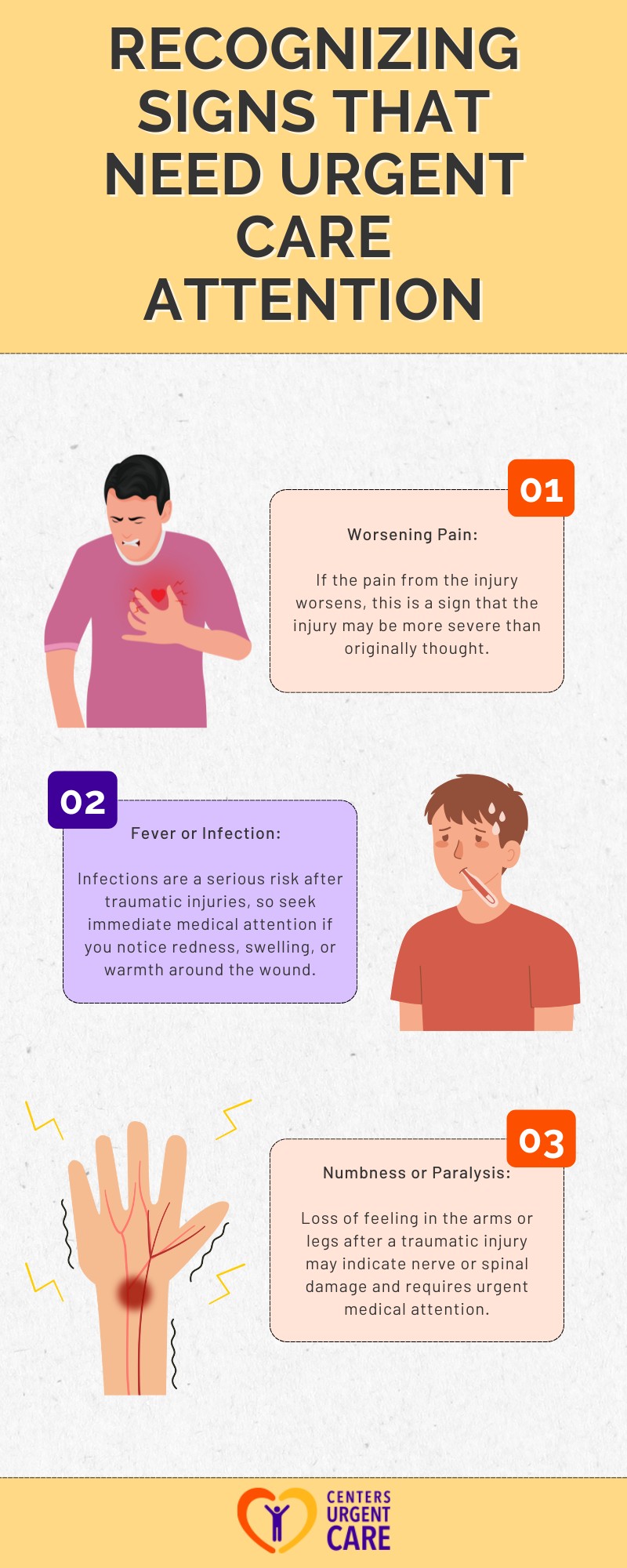
3 Signs That One is Experiencing Unusual Symptoms That Require Urgent Care
If you or someone you know is experiencing symptoms that seem sudden, severe, or unusual, it’s essential to seek medical attention right away. Certain signs indicate that urgent care may be needed.
When Should You Visit an Urgent Care Facility?
If you’ve identified a traumatic injury that appears severe, visiting an urgent care center can be a good option to ensure you get prompt and professional medical care. Urgent care centers, such as Centers Urgent Care, are equipped to handle various injuries, from fractures to burns, and can offer faster treatment than the emergency room for non-life-threatening situations.
Whether you’re dealing with a simple sprain or a more serious injury, knowing how to assess the severity can guide your decision to seek care right away.
Need Immediate Care? Visit Centers Urgent Care in New York!
If you’re in need of urgent care for a traumatic injury, our urgent care in NYC offers fast and high-quality services for both children and adults. Our experienced team is ready to assess the severity of your injury and provide the necessary treatment. Don’t wait – contact us today!