

Wellness Tips from Josef Schenker, MD
Welcome to our Wellness Tips blog series, brought to you by Dr. Josef Schenker, the Medical Director at Centers Urgent Care. In this series, Dr. Schenker shares his extensive knowledge and experience in internal medicine and emergency medical services, including ingrown toenail treatment and management, to help you lead a healthier life.
Dr. Schenker will cover a range of crucial health topics, offering expert advice on how to avoid common ailments. With a focus on prevention and practical tips, each blog post is designed to empower you with the information you need to make informed decisions about your health and well-being.

Ingrown Toenail Treatment and Management
An ingrown toenail, which is a common condition, can be painful. Studies estimate 2.5%–5% of people have it at any time, with peaks in teens and young adults. Primary-care data show about 20 in 100 patients who visit for foot problems have an ingrown toenail.
With Dr. Josef Schenker’s advice, you’ll learn how to calm pain, lower infection risk, and choose the right treatment at the right time.
Dr. Josef Schenker Explains the Symptoms of an Ingrown Toenail
Ingrown toenail symptoms can start small and then escalate. Early signs often look like simple irritation. Josef Schenker, MD notes that symptoms progress as the nail edge digs in, moving from tenderness to infection if ignored.
Take a look at the common symptoms. These will help you tell mild irritation from a problem that needs care.
- Pain and tenderness at the nail edge: Pain develops where the nail presses into the skin. Pressure from shoes or walking often makes it worse. Soreness can feel sharp or throbbing by day’s end.
- Redness and swelling of the toe fold: The skin around the nail turns red and puffy as inflammation builds. Warmth may be present when touched. Symptoms cluster at one or both sides of the big toe most often.
- Drainage or pus (signs of infection): Fluid can ooze from the irritated fold as bacteria enter the break in the skin. The area may bleed or smell unpleasant. Infection raises pain and delays healing.
- Overgrown tissue (granulation) at the nail edge: New, red, bumpy tissue can grow over the corner of the nail when irritation persists. This tissue bleeds easily and may weep. The finding signals a more advanced stage.
- Worsening pain with pressure or tight footwear: Symptoms flare in snug shoes or during sports because pressure drives the nail deeper. Relief often comes when the toe is uncompressed. Ongoing pressure can push a mild case toward infection.
- Spreading redness or fever (possible cellulitis): Red streaks, warmth spreading beyond the toe, or fever suggest infection is moving into nearby skin. These signs call for prompt medical care. Waiting increases the risk of complications.
- Blunted pain in people with diabetes or neuropathy: Nerve damage can reduce normal pain sensation in the feet. Reduced feeling lets infections grow before they are noticed. Daily checks are advised if you have diabetes.
Not every case shows every symptom. Mild cases may show tenderness and redness only. Moderate to severe cases can add drainage and overgrown tissue, which helps doctors stage the condition.
Seek care sooner if symptoms persist beyond a few days, if drainage or spreading redness appears, or if you have diabetes, poor circulation, or a weak immune system. Early assessment lowers the chance of deeper infection and speeds recovery.

What Is an Ingrown Toenail?
An ingrown toenail happens when the nail edge grows into the nearby skin. The skin reacts with inflammation and can get infected if bacteria enter the break. Clinicians call it onychocryptosis.
As Josef Schenker, MD explains, the problem starts with pressure where the nail and skin meet. That pressure can come from curved or thick nails, shoes that squeeze the toes, or trimming the nail too short or rounded at the corners. Over time, the nail’s edge presses deeper, and the skin swells in response.
Ingrown toenails affect people of all ages but show up often in teens and young adults. The big toe is the usual site, and either one or both sides of the nail can be involved.
Doctors grade ingrown toenails by severity to guide care:
- Stage I (Mild): Pain with pressure, nail-fold swelling, and redness appear along the nail edge without pus or overgrown tissue. Conservative care works best here, such as roomy footwear, warm soaks, and gentle elevation with cotton or a small splint. Early care reduces pressure from the nail and helps the skin heal.
- Stage II (Moderate): Swelling increases, and drainage may appear, signaling local infection or a non-healing break in the skin. The fold can ulcerate and become more painful with walking or tight shoes. Clinicians may add in-office splinting or partial nail removal if home care is not enough.
- Stage III (Severe): Chronic inflammation develops, with granulation tissue and a thickened nail fold growing over the nail corner. Pain is persistent, and infection risk rises, so procedures that remove the ingrown nail edge and disable that part of the matrix are often recommended. Removing excess granulation tissue can help the area settle and prevent recurrence.
Each stage reflects how much inflammation, infection, and tissue overgrowth are present, which then drives treatment choices.

Immediate Home Care for an Ingrown Toenail
Ingrown toenail pain often settles with simple steps when caught early. Start with basics and watch for signs that need a clinic visit. Josef Schenker recommends home care for mild cases and prompt evaluation if swelling, drainage, or spreading redness appears.
Try the following for immediate relief at home:
- Warm water soaks: Soak the foot in warm water for 10–20 minutes, 3–4 times a day. Soaking softens skin and reduces tenderness. Dry the toe well afterward.
- Lift the nail edge gently: After soaking, slide a small piece of waxed dental floss or a tiny cotton wisp under the offending corner to elevate it. This reduces pressure so the nail can grow over the skin edge. Replace the material daily.
- Protect the skin: Apply a thin layer of petroleum jelly to the irritated fold and cover with a clean bandage. Keep the area clean and change the dressing each day. This reduces friction and helps the skin heal.
- Choose roomy footwear: Wear sandals or shoes with a wide toe box to take pressure off the nail edge. Avoid cleats or tight dress shoes while the toe calms down. Less pressure lowers pain and the chance of infection.
- Use simple pain relief when needed: Over-the-counter acetaminophen or ibuprofen can ease pain. Follow label directions and consider food with ibuprofen. Seek medical advice first if you have chronic kidney disease, stomach ulcers, or are on blood thinners.
When do you get help? Seek care quickly if home measures fail after a few days, if there is pus or spreading redness, or if you have diabetes, poor circulation, or neuropathy. These situations carry higher complication risk and benefit from early treatment.
Dr. Josef Schenker Explains the In-Clinic Procedures for an Ingrown Toenail
Ingrown toenail procedures aim to remove pressure from the nail edge and prevent it from growing back into the skin. Most treatments use local anesthesia with a quick digital nerve block, then a targeted procedure on the nail and matrix.
As Josef Schenker explains, the goal is fast pain relief now and a lower chance of the problem coming back. When you visit a clinic, anticipate the following procedures:
- Partial nail avulsion (side of the nail only): The clinician numbs the toe and trims away the ingrown sliver of nail. Pain relief is immediate because the sharp edge is gone. Recurrence is common if the matrix is not treated at the same time.
- Partial nail avulsion + phenol matrixectomy: The clinician removes the ingrown edge, then applies 88% phenol to destroy the small part of the nail root that produced it. Evidence shows this step cuts recurrence far more than avulsion alone, with trials and reviews reporting markedly lower return rates. Success rates exceed 90%–95% in many series, with reported recurrence around 1%–5% over months of follow-up.
- Sodium hydroxide matrixectomy (phenol alternative): The process mirrors phenolization but uses 10% sodium hydroxide to cauterize the lateral matrix. Studies suggest similar effectiveness to phenol for preventing regrowth after avulsion. The choice often depends on clinician experience and supply.
- Trichloroacetic acid (TCA) matrixectomy: Some clinics use 80% TCA after partial avulsion to ablate the matrix segment. Prospective data report high success and low recurrence, with less reported pain in some studies. Direct head-to-head trials with phenol are limited, so selection is individualized.
- Surgical wedge procedures (e.g., Winograd): The clinician excises the offending nail edge and the corresponding matrix wedge. Surgical approaches and phenolization are both effective, and choice is guided by anatomy and severity. These options are preferred once the toe shows persistent drainage or granulation tissue.
- Electrosurgical or laser matrixectomy: Electrosurgery or CO₂ laser can ablate the matrix segment with minimal bleeding and tidy wound beds. Studies report low recurrence when the matrix is fully treated. Availability varies because specialized equipment is required.
You can visit Centers Urgent Care for a prompt evaluation, pain relief, and guidance on the right next step. Our clinicians assess severity, start treatment, and coordinate definitive procedures when indicated so you can get back on your feet sooner.
How to Avoid Having an Ingrown Toenail
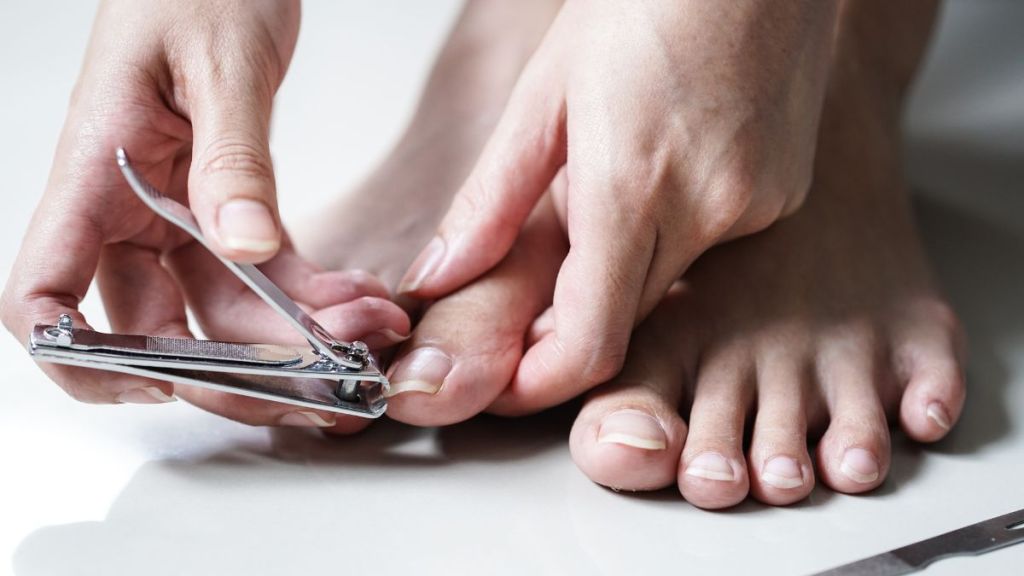
Ingrown toenail prevention starts with small, repeatable habits. Trimming straight across, keeping nails a moderate length, and wearing shoes with room for the toes lowers risk.
As Dr. Josef Schenker notes, prevention works best when you remove pressure on the nail edge and avoid cuts that push the corner into skin. Here are the other things you must practice:
- Do not dig out or cut the nail corner at home. Home “corner cuts” drive the nail deeper and open the skin to infection. Instead of cutting down the sides, cut straight across. Trimming corners too short encourages the nail edge to bite into skin.
- Do not round the nail or cut it too short while it’s irritated. Rounded or very short cuts raise the chance that the corner re-enters the fold as it grows. It’s better to cut straight across and keep nails at a sensible length.
- Do not squeeze the toe with tight shoes or socks. Tight footwear increases pressure on the nail edge and worsens irritation. Choose shoes that let toes lie flat without rubbing
- Do not start oral antibiotics unless there is cellulitis. Evidence shows antibiotics do not speed healing of simple ingrown toenails without spreading skin infection. Make sure that you only use antibiotics if cellulitis is present.
- Do not “do-it-yourself” procedures or chemicals. Partial nail removal and matrix treatments belong in clinic settings with sterile technique and aftercare. Seek professional care rather than attempting chemical or surgical methods at home.
If redness spreads, drainage appears, or pain escalates, arrange a prompt evaluation. Proper trimming and shoe fit reduce new cases, but persistent symptoms need clinical care.
Josef Schenker, MD, Answers Frequently Asked Questions:
The best treatment for ingrown toenails in moderate to severe cases is partial nail avulsion with chemical matrixectomy, most often using phenol. This procedure has success rates above 95% and recurrence rates of 1%–5%. Antibiotics are only needed if cellulitis is present.
Treat kids with an ingrown toenail by starting with warm soaks, gentle lifting of the nail edge, and roomy shoes. If pain, infection, or recurrences continue, partial nail avulsion with phenol matrixectomy under local anesthesia offers low recurrence and is done safely as an outpatient procedure.
Ingrown toenail care in pregnancy avoids phenol matrixectomy because phenol is contraindicated. Conservative measures such as warm soaks, careful lifting, and roomy shoes are first-line. If surgery is needed, partial avulsion or non-phenolic methods may be used under clinical guidance.
Stop a toenail from becoming ingrown by trimming nails straight across, keeping them at a moderate length, and avoiding rounded corners. Wear shoes with a wide toe box, keep feet clean and dry, and minimize repeated trauma from tight footwear or sports to lower the risk.
Handle socks and footwear for an ingrown toenail by wearing shoes with a wide toe box to reduce pressure, avoiding tight-fitting socks, and changing socks regularly to keep the area clean and dry. These steps reduce irritation, support healing, and help prevent recurrence.
Yes. You can go to urgent care for an ingrown toenail. Clinicians can relieve pain, drain infection, or perform partial avulsion if needed, and may refer to podiatry. Same-day care is important if there is spreading redness, fever, diabetes, or circulation problems.

Prioritize Foot Health: Prevent and Treat Ingrown Toenails
Ingrown toenails are painful but treatable. This article reviewed how to recognize symptoms early, manage discomfort at home, and understand when procedures like partial nail avulsion or matrixectomy are needed. Prevention through careful nail trimming, proper footwear, and early care can make a big difference in lowering risk.
If you’re dealing with persistent pain or infection, our urgent care facility in New York provides immediate evaluation and treatment options. At Centers Urgent Care, our experienced team delivers timely relief and tailored care for ingrown toenails, helping you get back on your feet faster.
Led by Dr. Josef Schenker, our clinicians combine evidence-based methods with compassionate care to reduce recurrence and promote healing. Whether you need same-day relief or guidance on prevention, we’re here to support you. Book an appointment today!

About Josef Schenker, MD:
Dr. Josef Schenker, a board-certified expert in internal medicine and emergency medical services, brings extensive experience and compassion to his role as Medical Director and Partner at Centers Urgent Care. With leadership in SeniorCare Emergency Medical Services and as an Attending Physician at New York-Presbyterian Brooklyn Methodist Hospital, Dr. Schenker oversees critical care and treatment protocols across varied medical needs. His dedication extends to chairing NYC REMAC, ensuring adherence to state standards in emergency medical procedures. At Centers Urgent Care, Dr. Schenker's expertise ensures prompt, high-quality emergency care for patients of all ages, supported by state-of-the-art facilities including a dedicated pediatric suite.