
Is Urobilinogen in Urine Normal?
Yes, urobilinogen in urine is normal in small amounts. It is a byproduct of bilirubin breakdown in the liver and is usually present at low levels. Healthy urine typically contains trace amounts of urobilinogen, which helps indicate normal liver and red blood cell function.
But high or absent levels of urobilinogen may signal underlying health issues. Elevated levels can suggest liver disease, hemolysis, or other conditions affecting bilirubin metabolism, while low levels may indicate bile duct obstruction. If you’re concerned about your results, consult a healthcare provider for further evaluation.
3 Causes of Elevated Urobilinogen Levels
Elevated urobilinogen levels in urine can result from various conditions affecting the liver or causing increased red blood cell breakdown. Understanding these causes is crucial for timely diagnosis and treatment.
Hemolytic Anemia
Hemolytic anemia involves the rapid destruction of red blood cells, leading to increased bilirubin production. This excess bilirubin is converted to urobilinogen, resulting in higher urine levels.
Liver Diseases
Conditions such as hepatitis, cirrhosis, and liver infections impair the liver’s ability to process urobilinogen. Consequently, more urobilinogen remains in the bloodstream and is excreted in urine.
Intestinal Disorders
Certain intestinal conditions can influence urobilinogen levels:
- Constipation: Slows down the movement of bilirubin through the intestines, leading to increased urobilinogen production.
- Inflammatory Bowel Diseases: Conditions like Crohn’s disease can alter the intestinal environment, affecting bilirubin metabolism.

2 Causes of Low or Absent Urobilinogen Levels
While elevated urobilinogen levels often raise concerns, decreased or absent levels can also indicate underlying health issues.
Bile Duct Obstruction
Obstruction in the bile ducts prevents bilirubin from reaching the intestines, reducing urobilinogen formation. Consequently, urine urobilinogen levels decrease or become undetectable.
Antibiotic Use
Broad-spectrum antibiotics can disrupt intestinal bacteria responsible for converting bilirubin to urobilinogen, leading to reduced urine levels.
How is Urobilinogen Measured?
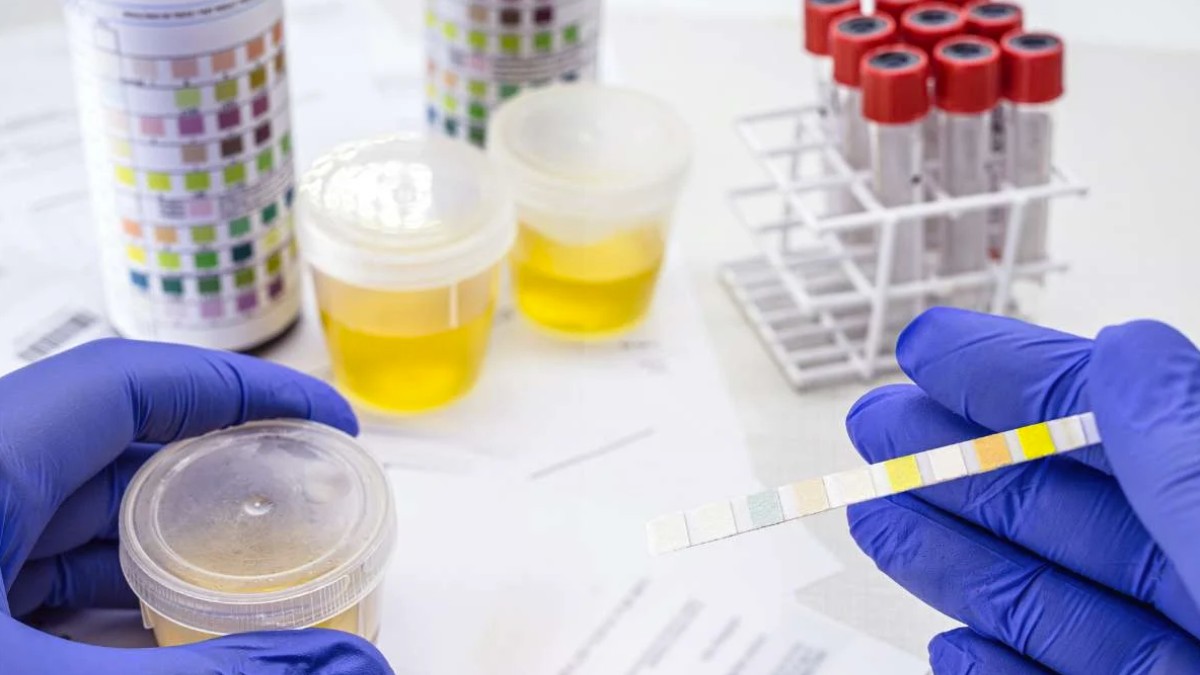
Urobilinogen levels are typically assessed during a urinalysis using reagent strips. These strips contain chemicals that react with urobilinogen, producing a color change indicative of its concentration. The results help in evaluating liver function and identifying potential hemolytic disorders.
When to Seek Medical Attention
Monitoring urobilinogen levels is essential for early detection of potential health issues. Consult a healthcare professional if you experience:
- Persistent Fatigue: Could indicate anemia or liver dysfunction.
- Jaundice: Yellowing of the skin and eyes suggests elevated bilirubin levels.
- Dark Urine: May signal increased bilirubin or urobilinogen excretion.
- Abdominal Pain: Particularly in the upper right quadrant, could be related to liver or gallbladder issues.
How to Maintain Healthy Urobilinogen Levels
Maintaining optimal urobilinogen levels involves supporting liver health and ensuring proper red blood cell function. Consider the following lifestyle choices:
