
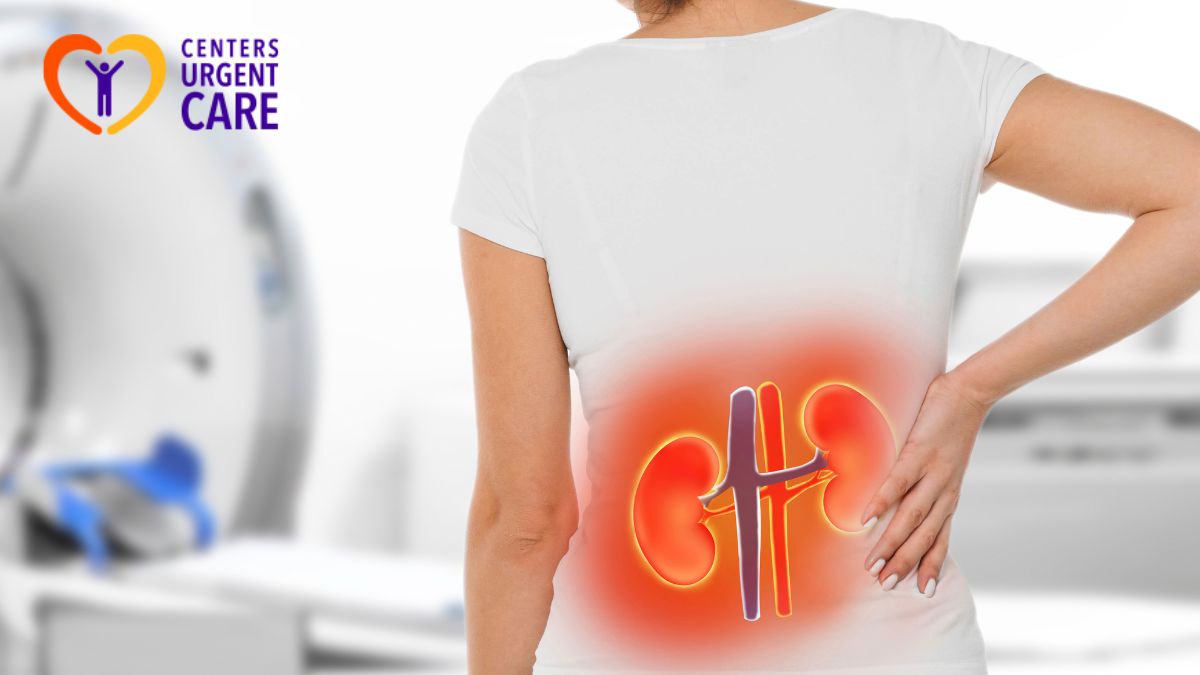
Wellness Tips from Josef Schenker, MD
Welcome to our Wellness Tips blog series, brought to you by Dr. Josef Schenker, the Medical Director at Centers Urgent Care. In this series, Dr. Schenker shares his extensive knowledge and experience in internal medicine and emergency medical services, including folliculitis treatment and prevention, to help you lead a healthier life.
Dr. Schenker will cover a range of crucial health topics, offering expert advice on how to avoid common ailments. With a focus on prevention and practical tips, each blog post is designed to empower you with the information you need to make informed decisions about your health and well-being.
Kidney Stone Pain Treatment and Management
Kidney stone pain treatment and management start with understanding how tiny mineral deposits can block urine flow and trigger intense side or back pain. Kidney stone disease affects roughly 10% of people over a lifetime, and about half of those who form one stone will have another within 5–10 years without prevention.
Kidney stone pain often comes in sharp waves and can feel alarming. In this guide, Dr. Josef Schenker explains how kidney stones form, which symptoms need quick care, and what helps stones pass more safely.
Dr. Josef Schenker Explains the Symptoms of Kidney Stone
The symptoms of kidney stones usually begin when a stone moves from the kidney into the ureter, the tube that carries urine to the bladder. Josef Schenker, MD notes that the pain can feel sharp, move in waves, and often seems “too strong” for a simple back strain. Here are symptoms often seen with a kidney stone:
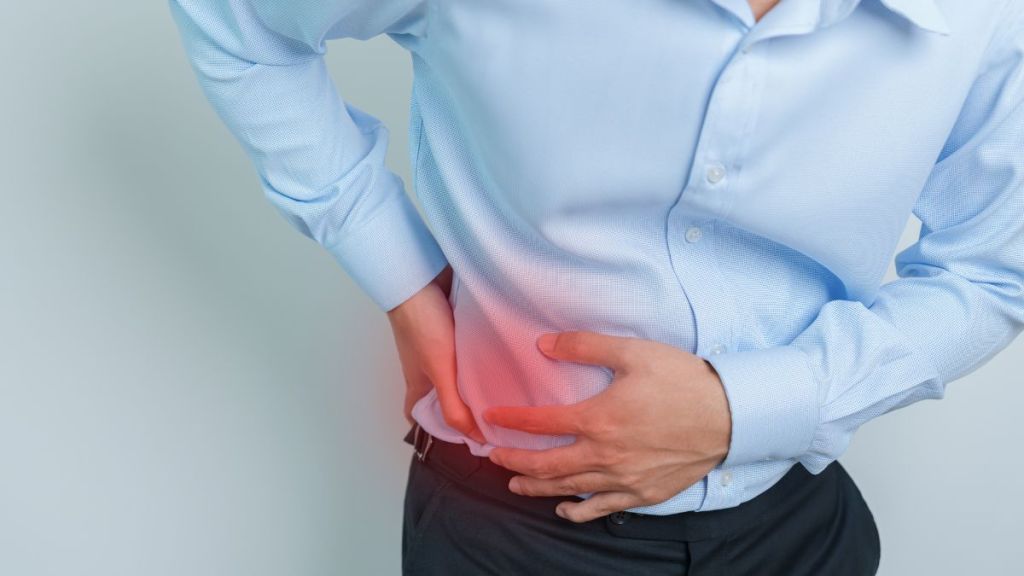
- Sudden, severe side or back pain: Kidney stone pain often starts in the flank, just below the ribs, and can spread toward the lower abdomen or groin. Many patients describe it as one of the severest pains they have ever felt.
- Pain that comes in waves: Pain can build, peak, then ease for a short time before another wave. This pattern is typical for renal colic, the pain caused by a stone that moves and briefly blocks urine flow.
- Pain or burning when you urinate: Stones near the bladder can cause a sharp, burning feeling during urination. Some patients also feel a strong urge to urinate but only pass a small amount of urine.
- Blood in the urine: Urine may look pink, red, or brown when a stone irritates the lining of the urinary tract. Lab tests can also find small amounts of blood that are not visible.
- Nausea and vomiting: Kidney stone pain can trigger nausea and vomiting because of shared nerve pathways between the kidneys and the stomach.
- Cloudy or foul-smelling urine: Urine that looks cloudy or smells strong can suggest urinary tract infections along with the stone. That combination deserves urgent medical attention.
- Fever or chills (emergency warning sign): Fever, chills, or feeling very unwell with stone pain can signal a kidney infection or even early sepsis if urine flow is blocked. This pattern is a medical emergency and needs prompt care.
Not every person with a kidney stone will have all these symptoms. Some people have small stones that pass with mild discomfort, while others have severe pain and an increased risk of complications.
What Is a Kidney Stone?
A kidney stone is a hard mass that forms when minerals and salts in the urine crystallize and clump together. When urine becomes too concentrated with substances like calcium, oxalate, or uric acid, crystals can form and grow into stones. Maintaining a normal pH level for urine also supports kidney health and can influence which types of stones form.
According to Dr. Josef Schenker, understanding the type of kidney stone helps tailor treatment and prevention. Different stones respond to different diet changes and medicines. The main kidney stone types include:
- Calcium oxalate stones: These are the most common stones. They form when calcium in the urine combines with oxalate, often in concentrated urine.
- Calcium phosphate stones: These stones form in more alkaline urine and can be linked to certain metabolic or kidney conditions.
- Uric acid stones: These stones form when urine is too acidic. They are more likely in people who eat large amounts of animal protein or who have gout.
- Struvite stones: These stones often form after repeated urinary tract infections with specific bacteria. They can grow quickly and may become large.
- Cystine stones: These less common stones form in people with a genetic condition that causes cystine to leak into the urine.
Kidney stones can stay in the kidney, move into the ureter, or reach the bladder. Stone location, size, and type shape the plan for kidney stone pain treatment and management.
Can You Stop a Kidney Stone Once It Starts?
In most cases, kidney stones that have already formed cannot be dissolved quickly, but you can often help the stone pass and lower the risk of complications. The approach depends on stone size, location, your symptoms, and whether there is infection or kidney damage.
Small stones often pass on their own with time. Many guidelines report that stones under 5 millimeters are likely to pass, whereas larger stones are less likely to pass spontaneously. Here are key points to understand about “stopping” a kidney stone:
- Hydration helps movement, not instant removal: Drinking enough fluids helps dilute urine and may help a small stone move along. It does not “wash out” a large stone right away, but it supports safe passage in many cases.
- Pain control lets you move and breathe more easily:
Nonsteroidal anti-inflammatory drugs (NSAIDs), such as ibuprofen, often give strong relief for renal colic and can reduce inflammation around the stone. - Medical expulsive therapy can support passage: For certain ureteral stones, especially in the lower ureter and up to about 10 millimeters, urology guidelines support short-term use of alpha-blockers such as tamsulosin to relax the ureter and improve passage rates.
- Infection changes the plan right away: Fever, chills, or signs of sepsis with a blocked stone call for emergency care and often a procedure to drain the kidney. This situation is dangerous and cannot be managed at home.
- Large or stuck stones often require a procedure: Stones that do not move, grow larger, or block urine flow can require shock wave lithotripsy, ureteroscopy, or other surgical methods to protect the kidney.
You cannot always stop a kidney stone from causing pain once it starts moving, but you can act early and choose the right level of care so the stone passes safely and long-term kidney damage stays low.
How Long Does Kidney Stone Pain Last?
Most kidney stones cause pain for days to a few weeks, but the exact timeline varies with the stone’s size and location. Josef Schenker, MD points out that some people have one short episode of severe pain, while others have repeated waves over several weeks until the stone passes or is removed.
Studies of ureteral stones show that most stones that pass on their own do so within about 6 weeks, with many passing in the first 2–4 weeks. Here is a simple guide to typical time frames:
- Small stones (about 5 mm or less): Many small stones pass within 1–3 weeks if urine flow is good and there is no infection. Some may pass sooner.
- Medium stones (5–10 mm): These stones have a lower chance of passing on their own. If they do pass, it often takes several weeks and close monitoring. Urologists may suggest earlier intervention if pain is severe or kidney function is at risk.
- Persistent or larger stones (>10 mm): Large stones are unlikely to pass on their own and often require a procedure. Pain can continue or return until the obstruction is relieved.
Kidney stone pain that lasts longer than a few days without improvement, or returns again and again, deserves a medical evaluation. Stones that cause fever, heavy nausea, or trouble urinating need urgent care instead of watchful waiting.

Josef Schenker, MD, Explains Kidney Stone Pain Treatment and Management
Kidney stone pain treatment and management focuses on relieving pain, protecting the kidneys, and helping the stone pass or be removed. As Josef Schenker explains, the plan depends on your symptoms, other health conditions, and what imaging shows about the stone. Here are treatment approaches commonly used for kidney stones:
- Assessment and imaging: Clinicians start with history, exam, and tests such as a dipstick test urinalysis, blood work, and imaging (often CT or ultrasound) to confirm the stone, estimate size, and check for infection or kidney stress.
- Pain control with NSAIDs and other medicines: Providers often use NSAIDs like ketorolac or ibuprofen for strong relief. These medicines lower inflammation around the stone and have been shown to work well for renal colic. Opioids may be used if NSAIDs are not enough or not safe for you.
- Hydration and home monitoring: When safe, patients are encouraged to drink fluids and strain urine to catch the stone. Passing the stone allows lab analysis, which supports long-term prevention planning
- Medical expulsive therapy (MET): Urology guidelines support short-term use of alpha-blockers such as tamsulosin for selected ureteral stones to relax the ureter and improve passage, especially for lower ureteral stones.
- Shock wave lithotripsy (SWL):
For certain stones, focused shock waves from outside the body can break the stone into smaller fragments that pass in the urine. This approach is common for medium-sized stones in the kidney or upper ureter. - Ureteroscopy and laser treatment: A thin scope can be passed through the urethra and bladder into the ureter. The stone can then be fragmented with a laser and removed with tiny tools. This method is often used when stones are larger, impacted, or have not passed with other measures.
- Percutaneous procedures for very large stones: Very large or complex stones, such as staghorn stones, may need a small incision in the back for direct removal (percutaneous nephrolithotomy).
Kidney stone pain treatment and management also includes planning for future prevention so that once the acute episode ends, your risk of another painful stone goes down.
How to Avoid Kidney Stones?
Kidney stones often come back. Without prevention, about 50% of people who have one stone will develop another within 5–10 years. Prevention steps focus on urine volume, diet, and specific risk factors:
- Drink enough fluids every day: Aim to produce at least 2 to 2.5 liters of urine per day, which often means drinking about 8–10 cups of fluid unless your doctor sets other limits. A simple urine color chart can help you see whether you are staying hydrated as higher urine volume dilutes stone-forming substances.
- Limit sodium intake: High salt intake increases calcium in the urine and raises stone risk. Many kidney groups suggest keeping sodium at or below about 2,300 mg per day, and even lower for some people.
- Keep normal calcium intake from food: A normal amount of calcium from foods such as dairy can actually help prevent stones by binding oxalate in the gut. Very low calcium diets can increase the risk of stone formation for some people.
- Moderate animal protein and add plant proteins: Large amounts of red meat and other animal proteins can increase uric acid and make urine more acidic, which supports stone formation. Replacing some animal protein with beans, lentils, and other plant proteins can lower risk.
- Discuss oxalate-rich foods with your clinician: Spinach, beets, nuts, and chocolate are high in oxalate. Some people with calcium oxalate stones may need to limit them, while still eating fruits and vegetables overall.
- Maintain a healthy weight: Research links higher rates of kidney stones to overweight and obesity. Weight management through diet and physical activity can lower risk over time.
- Review medicines and supplements: Some medicines and high-dose vitamin C can increase the risk of stones. A doctor or pharmacist can review your list and adjust if needed.
A urology or kidney specialist can order a 24-hour urine test and stone analysis to tailor prevention for your specific stone type.

What to Do if Someone Has a Kidney Stone
The goal is to control pain, protect kidney function, and watch for warning signs of infection or blockage. Josef Schenker reminds patients that kidney stone pain can worsen quickly, so it helps to have a step-by-step plan. Here are practical steps to take if someone has kidney stone symptoms:
- Evaluate the symptoms: Check where the pain is, how strong it feels, and whether there is nausea, vomiting, or visible blood in the urine. Severe flank or side pain that comes in waves is a classic pattern.
- Encourage fluids if safe: Sipping water can help keep urine flowing, which may help move a small stone. Do not push large amounts of fluid if the person is vomiting, cannot keep liquids down, or has been told to limit fluids for heart or kidney disease.
- Use over-the-counter pain relief when appropriate: If there are no allergies or medical reasons to avoid them, NSAIDs like ibuprofen can help reduce pain and inflammation.
- Keep the person moving as tolerated: Gentle walking sometimes helps a small stone shift. Movement should stop if it worsens pain or causes dizziness.
Call emergency services or go to an emergency department if there are:
- Fever or chills with stone pain
- Trouble passing urine or no urine at all
- Pain that does not improve with medicine
- Strong nausea or vomiting that prevents fluid intake
Most people with suspected kidney stones need an exam, urine tests, and some form of imaging. Early evaluation helps rule out other serious causes of pain and guides the choice between watchful waiting and procedure.
You can visit an urgent care clinic when kidney stone pain is severe, symptoms are new, or you are unsure whether home care is enough. Centers Urgent Care offers same-day visits for kidney stone concerns, including assessment, pain control, and referral for imaging or urology when needed. Our team can help you understand what is happening and what the next steps should be, so you do not have to manage kidney stone pain alone.
Josef Schenker, MD, Answers Frequently Asked Questions
What size kidney stone will pass on its own?
Kidney stones 5 millimeters or smaller often pass on their own, usually within a few weeks. Stones between 5 and 10 millimeters are less likely to pass naturally and may require closer monitoring or intervention, depending on symptoms and location.
When is kidney stone pain an emergency?
Kidney stone pain is an emergency if it is accompanied by fever, chills, confusion, a rapid heart rate, or an inability to urinate. These signs may indicate infection or severe blockage, which can lead to sepsis or kidney damage if not treated immediately in an emergency department.
Does drinking water help relieve kidney stone pain?
Drinking water may not relieve pain from a stuck stone, but it helps support the passage of small stones and prevents new ones from forming. Higher urine volume dilutes minerals and reduces crystal buildup. Most guidelines recommend enough fluid to produce at least 2 liters of urine daily.
Can kidney stone pain come back after it goes away?
Yes, kidney stone pain can come back after it goes away. Pain may return if the stone shifts, a fragment passes, or a new stone forms. About 50% of people have another stone within 5–10 years without prevention. Hydration, dietary changes, and medical follow-up help reduce the risk of recurrence.
When should I go to urgent care for kidney stone pain?
Go to urgent care for kidney stone pain if you have severe side or back pain, visible blood in urine, or nausea that disrupts daily tasks without red-flag symptoms like fever, confusion, or no urine output. Go to the emergency department if signs of infection or blockage appear.

Take Kidney Stone Pain Seriously: Get the Care You Need
Kidney stone pain treatment and management work best when you know the symptoms, understand basic treatment options, and act quickly if warning signs appear. Early evaluation helps protect kidney function, reduce the risk of infection, and shorten the time you spend in intense pain.
Visit our urgent care facility in New York if you need a timely assessment for suspected kidney stones or follow-up after an emergency visit. Centers Urgent Care, led by Dr. Josef Schenker, provides same-day care, evidence-based guidance, and coordinated referrals when advanced procedures are needed.
Our team is here to help you through the painful episode and to talk about prevention so future stones are less likely. We operate in 12 locations throughout NYC. Locate a Centers Urgent Care near you.

About Josef Schenker, MD:
Dr. Josef Schenker, a board-certified expert in internal medicine and emergency medical services, brings extensive experience and compassion to his role as Medical Director and Partner at Centers Urgent Care. With leadership in SeniorCare Emergency Medical Services and as an Attending Physician at New York-Presbyterian Brooklyn Methodist Hospital, Dr. Schenker oversees critical care and treatment protocols across varied medical needs. His dedication extends to chairing NYC REMAC, ensuring adherence to state standards in emergency medical procedures. At Centers Urgent Care, Dr. Schenker's expertise ensures prompt, high-quality emergency care for patients of all ages, supported by state-of-the-art facilities including a dedicated pediatric suite.