
Wellness Tips from Josef Schenker, MD
Welcome to our Wellness Tips blog series, brought to you by Dr. Josef Schenker, the Medical Director at Centers Urgent Care. In this series, Dr. Schenker shares his extensive knowledge and experience in internal medicine and emergency medical services, including Lyme disease testing and treatment, to help you lead a healthier life.
Dr. Schenker will cover a range of crucial health topics, offering expert advice on how to avoid common ailments. With a focus on prevention and practical tips, each blog post is designed to empower you with the information you need to make informed decisions about your health and well-being.
Lyme Disease Testing and Treatment
Lyme disease testing and treatment start with knowing how common this infection has become. Recent CDC estimates suggest that about 476,000 individuals may be diagnosed and treated for Lyme disease every year in the United States, far more than the number reported through routine surveillance. In this guide, Dr. Josef Schenker explains how Lyme disease begins, which symptoms deserve attention, what Lyme disease testing shows, and when treatment should happen so complications are less likely.
Dr. Josef Schenker Explains the Symptoms of Lyme Disease
Symptoms of Lyme disease typically emerge anywhere from a few days to several weeks following a bite from an infected blacklegged tick. Early signs can resemble a flu-like illness, so understanding the usual pattern helps you know when to call a clinician. Josef Schenker, MD explains that many patients notice a combination of skin changes and general symptoms, including the following:
- Expanding erythema migrans (EM) rash. Erythema migrans presents as a red, gradually expanding rash that commonly develops at the location where the tick attached to the skin. It may be clear in the center and look like a “target” in some people. CDC data suggest that this rash appears in over 70–80% of patients with Lyme disease.
- Flu-like illness without respiratory symptoms. Fever, chills, fatigue, headache, and body aches are common in early Lyme disease. Unlike a typical cold, there may be no cough or sore throat.
- Migrating joint or muscle pain. Aching joints and muscles can move from one area to another. Knees and large joints are frequently affected as the infection spreads.
- Neck stiffness and headaches. Some patients develop more severe headaches, neck pain, or light sensitivity when the nervous system becomes involved.
- Facial weakness (Bell’s palsy). In early disseminated Lyme disease, the facial nerve can be affected. One or both sides of the face may droop, which needs prompt evaluation.
- Heart rhythm changes or chest discomfort. Lyme carditis can cause palpitations, shortness of breath, chest pain, or lightheadedness because the infection affects the heart’s electrical conduction system.
Not everyone has all these symptoms at once. Some patients notice only an EM rash and fatigue. Others present later with arthritis, nerve changes, or heart involvement. Any expanding rash after a tick bite, especially if accompanied by fever or aches, warrants attention and possible Lyme disease diagnosis.

What Is Lyme Disease?
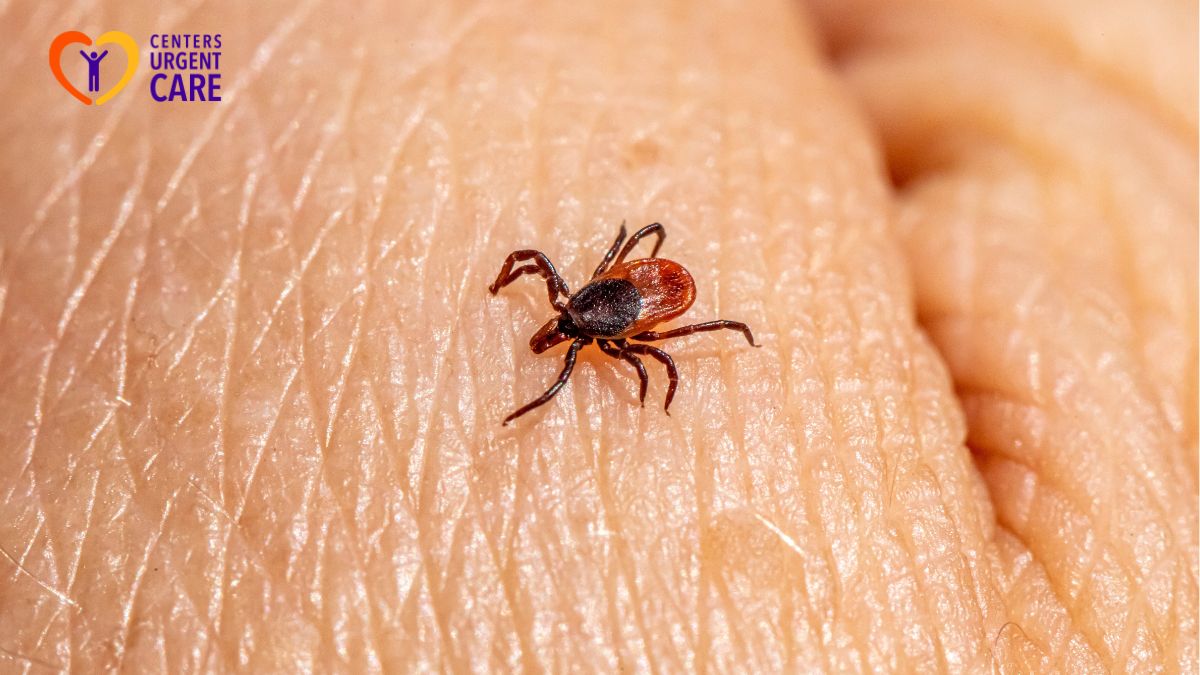
Lyme disease is an infection caused by Borrelia bacteria that are spread to humans through the bite of infected Ixodes (blacklegged) ticks in many parts of North America, Europe, and Asia. It is now the most common vector-borne infection in the US, and its geographic range has been expanding over time.
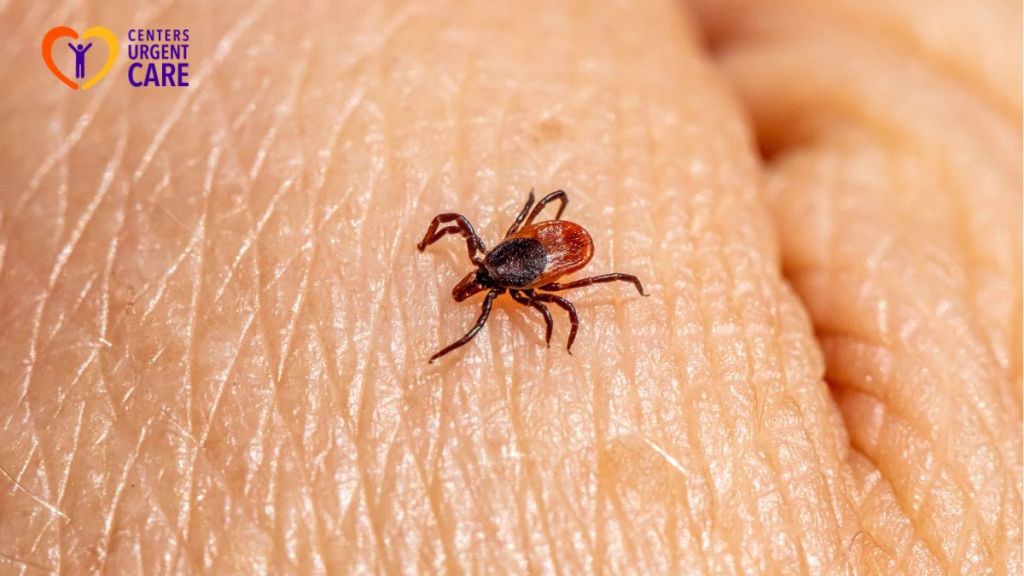
Dr. Josef Schenker notes that Lyme disease begins when a tick carrying Borrelia stays attached long enough for bacteria to enter the skin and bloodstream. The blacklegged tick, commonly known as the deer tick, is primarily found across the Northeast, mid-Atlantic, and upper Midwest regions of the United States, with some presence along parts of the Pacific Coast. Key Lyme disease facts include:
- Cause. The bacterium Borrelia burgdorferi is responsible for the vast majority of Lyme disease cases, though Borrelia mayonii has been identified as a rare cause in the United States.
- Vector. Only certain ticks can transmit Lyme disease. Blacklegged ticks (Ixodes species) spread the bacteria after staying attached, often for more than 24 hours.
- Stages of illness. Early localized disease often shows as a single EM rash. Early disseminated disease can include multiple rashes, facial palsy, or heart rhythm problems. Late disease can cause arthritis, especially in large joints.
- Diagnosis approach. Lyme disease diagnosis relies on symptoms, exposure history, and, when appropriate, same-day lab work for diagnosis using recommended blood tests
Understanding that this is a tick-borne bacterial infection helps frame why tick prevention, early symptom recognition, and timely Lyme disease testing and treatment are so important.
Can You Stop Lyme Disease?
Lyme disease can often be stopped from progressing when you act at the right times. Prevention steps lower the chance of infection. Early treatment reduces the risk of long-term problems. Ways to limit Lyme disease impact include:
- Prevent the tick bite. Using EPA-registered repellent, wearing long sleeves and pants in tick areas, treating clothing with permethrin, and walking in the center of trails all reduce bites.
- Remove attached ticks quickly and correctly. Using fine-tipped tweezers to grip the tick as close to the skin’s surface as possible and pulling upward in a steady, straight motion helps minimize the chance of bacteria being transmitted. Delay in removal increases risk.
- Ask about preventive antibiotics after high-risk bites. In some high-risk situations, such as a blacklegged tick attached for at least 36 hours in an area where Lyme disease is common, a single dose of doxycycline may help prevent illness.
- Seek care early when symptoms start. When erythema migrans or typical early symptoms appear, guidelines recommend prompt antibiotic therapy. Most early cases respond well to 10–14 days of oral antibiotics.
- Monitor for later symptoms if you had a tick bite. New joint swelling, facial weakness, or heart-related symptoms weeks to months after a tick bite should prompt a visit for Lyme disease evaluation.
Lyme disease cannot always be prevented, even with careful outdoor habits. However, a combination of tick avoidance, prompt removal, and early treatment gives you the best chance of stopping the infection before it reaches later stages.
How Long Does Lyme Disease Last?
Most people want to know how long Lyme disease symptoms and treatment will last. The answer depends on how early the infection is caught and whether complications have developed. Josef Schenker, MD notes that early localized Lyme disease, when treated promptly, tends to resolve within weeks. Typical timelines include:
- Early localized Lyme disease. When treatment starts soon after the EM rash or early flu-like symptoms, many patients feel better within a few days, and most see symptoms resolve over 2–4 weeks.
- Early disseminated disease. Patients with facial palsy or heart involvement may need longer antibiotic courses or sometimes IV therapy, but many still recover over several weeks with appropriate care.
- Late Lyme arthritis. Joint swelling urgent care treatment can take longer to resolve, and some patients need repeated antibiotic courses or IV therapy, even after bacteria are cleared.
- Post-treatment symptoms. A portion of patients report flu-like illness and fatigue recovery challenges, including body pain or thinking difficulties, after completing treatment. CDC notes that these symptoms are about 5–10% more common six months after Lyme disease than in people who never had it.
Lyme disease recovery is often measured in weeks for early cases, but some people need longer follow-up and symptom support even after effective antibiotic therapy.

Josef Schenker, MD, Explains Lyme Disease Testing and Treatment
Some patients are diagnosed based solely on classic symptoms, while others require blood tests to confirm infection and guide care. As Josef Schenker explains, Lyme disease diagnosis combines clinical judgment with targeted Lyme disease testing when it will be most helpful. Here is how Lyme disease testing and treatment usually work:
- Clinical diagnosis without waiting for tests. When a patient presents with an erythema migrans rash and a potential history of tick exposure in a region where Lyme disease is common, clinicians will frequently begin treatment immediately rather than waiting for blood test results to confirm the diagnosis. Early in infection, antibody tests can be falsely negative.
- Two-step Lyme disease blood test. Standard two-tier testing starts with an enzyme immunoassay (EIA). If that test is positive or equivocal, a second test, such as an immunoblot or another EIA, is performed to detect specific antibodies. The result counts as positive only if both tiers are positive.
- Timing of tick-borne illness testing. Serologic assays may be falsely negative in the first 4–6 weeks after infection because antibodies are still developing. For patients tested too soon, repeat Lyme disease testing on a new sample can be needed if symptoms persist.
- Antibiotic choices for Lyme disease symptoms and treatment. For most early cases, oral doxycycline, amoxicillin, or cefuroxime axetil for 10–14 days is recommended, with azithromycin as a second-line option.
- Treatment for more severe disease. Patients with neurologic Lyme disease or Lyme carditis may require longer courses or IV antibiotics, guided by specialist consultation and disease severity.
- Monitoring after treatment. Most people do not need repeated antibiotic courses once a recommended regimen is completed. Persistent symptoms warrant evaluation for other possible causes, not just repeated Lyme disease treatment.
Lyme disease testing and treatment are most effective when clinicians match the test type and the length of therapy to the timing and severity of symptoms.
How to Avoid Lyme Disease?
Lyme disease testing and treatment help after infection, but daily habits can lower the chance of tick bites in the first place. Practical Lyme disease prevention steps include:
- Knowing how to avoid tick bites starts with understanding where they live. Blacklegged ticks prefer wooded, brushy, and grassy areas. Staying on clear trails and avoiding tall grass and leaf litter in high-risk areas reduces the risk of bites.
- Use tick repellents correctly. Applying EPA-registered repellents containing DEET, picaridin, IR3535, oil of lemon eucalyptus, or 2-undecanone to exposed skin helps repel ticks.
- Dress to minimize tick contact. Wearing long sleeves and long pants tucked into socks, preferably in light-colored fabric, creates a barrier that makes it more difficult for ticks to access the skin while also making them easier to detect.
- Check for ticks after outdoor activities. After spending time in tick-prone environments, a thorough full-body check should cover commonly overlooked areas such as the groin, behind the ears, underarms, waistline, backs of the knees, and the scalp. Showers within two hours of being outdoors may help wash off unattached ticks.
- Protect children and pets. Parents can apply repellent according to product instructions and check children for ticks at the end of the day. Veterinarians can recommend tick-prevention products for dogs and other pets.
- Manage the yard environment. Keeping grass short, removing leaf litter, and placing play equipment away from wooded edges decreases tick habitat around the home.
Building these habits into outdoor routines lowers the odds that Lyme disease urgent care visits will ever be needed.
What to Do if Someone Has Lyme Disease
Prompt action matters when you suspect Lyme disease. The steps vary depending on whether you are dealing with a recent tick bite, an early rash, or later symptoms such as joint swelling or facial weakness.
Josef Schenker encourages patients to pay attention to timing. A recent tick bite followed by an expanding rash, fever, or new aches within the following month deserves medical review, especially in areas where Lyme disease is common. Helpful steps if Lyme disease is suspected include:
- Document the rash and symptoms. Take clear photos of any rash or skin infection treatment and prevention-related changes, and write down when symptoms started. This record can support a Lyme disease diagnosis at the visit.
- Seek care quickly for typical early signs. An urgent care or primary care visit is reasonable for early symptoms without severe neurologic or cardiac features. Clinicians can decide if the pattern fits Lyme disease and whether Lyme disease testing is needed.
- Call emergency services when symptoms are severe. Facial drooping, chest pain, shortness of breath, fainting, or sudden heart palpitations after a tick bite may signal serious complications, such as Lyme carditis or meningitis. These symptoms require emergency evaluation.
- Follow the prescribed Lyme disease treatment exactly. Completing the full antibiotic course, even if symptoms improve early, helps clear the infection and decrease the risk of recurrence.
- Monitor for lingering or new issues after treatment. Persistent fatigue or pain should be discussed with a clinician, who can rule out other causes and help manage symptoms safely.
When Lyme disease symptoms raise concern, and you need same-day evaluation, Centers Urgent Care offers convenient access to clinicians who can assess rashes, order Lyme disease testing, and start antibiotic treatment if needed. Our team can also guide you on follow-up and when to see a specialist.
Josef Schenker, MD, Answers Frequently Asked Questions:
How soon after a tick bite should I get tested for Lyme disease?
After a tick bite, you should get tested for Lyme disease 4–6 weeks later to allow antibodies to reach detectable levels. Testing within the first few days often produces false-negative results.
Do all tick bites need Lyme disease testing or antibiotics?
No, most tick bites do not need Lyme disease testing or antibiotics. Lyme transmission usually requires a blacklegged tick attached for at least 24–36 hours in a high-incidence area. Preventive antibiotics are reserved for bites clearly high risk. Low-risk bites require symptom monitoring for 30 days.
What happens if Lyme disease is left untreated?
When Lyme disease is left untreated, the infection spreads from the skin to the joints, nervous system, and heart. Early signs such as erythema migrans rash and flu-like illness can progress within weeks to facial palsy, meningitis-like symptoms, and heart rhythm problems. Months later, recurrent large-joint arthritis commonly develops.
Can Lyme disease come back after treatment or cause long-term symptoms?
Yes, Lyme disease can come back after treatment or cause long-term symptoms, especially if a new tick bite leads to reinfection. About 10–14% of treated patients develop Post-Treatment Lyme Disease Syndrome with fatigue, joint pain, or cognitive problems lasting 6 months or longer. Most patients recover fully after standard antibiotics.
When should I go to urgent care for Lyme disease?
You should go to urgent care for Lyme disease when an expanding rash, fever above 100.4°F (38°C), new joint swelling, or flu-like symptoms appear after a tick bite. Urgent care can confirm erythema migrans and promptly start antibiotics.
Focus on Early Action: Protect Yourself from Lyme Disease
Lyme disease testing and treatment work best when you recognize symptoms early and seek care promptly. Understanding how ticks transmit infection, what typical Lyme disease symptoms look like, and how long treatment usually lasts can help you act quickly and reduce the risk of long-term complications.
Our urgent care facility in New York offers convenient access to evaluation, tick-borne illness testing, and treatment for suspected Lyme disease, as well as for other common conditions. Led by Dr. Josef Schenker, our experienced team at Centers Urgent Care focuses on practical, evidence-based care that fits your daily life.
Whether you need a same-day visit for a new rash, help interpreting Lyme disease test results, or guidance on prevention, we are ready to help at 12 NYC locations. Prioritize your health, stay informed about tick exposure, and locate a Centers Urgent Care near you.

About Josef Schenker, MD:
Dr. Josef Schenker, a board-certified expert in internal medicine and emergency medical services, brings extensive experience and compassion to his role as Medical Director and Partner at Centers Urgent Care. With leadership in SeniorCare Emergency Medical Services and as an Attending Physician at New York-Presbyterian Brooklyn Methodist Hospital, Dr. Schenker oversees critical care and treatment protocols across varied medical needs. His dedication extends to chairing NYC REMAC, ensuring adherence to state standards in emergency medical procedures. At Centers Urgent Care, Dr. Schenker's expertise ensures prompt, high-quality emergency care for patients of all ages, supported by state-of-the-art facilities including a dedicated pediatric suite.