
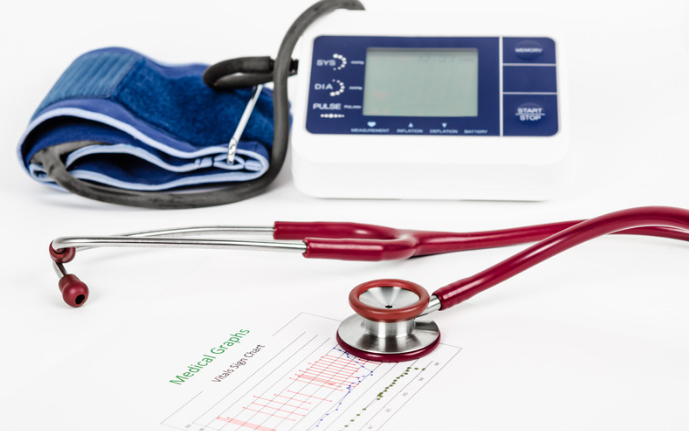
Understanding the vital signs of children is crucial for assessing their overall health and well-being. Vital signs are essential indicators of basic body functions and provide valuable insights into a child’s physiological status. The four primary categories of pediatric vital signs are temperature, blood pressure, heart rate, and respiration rate.
Importance of Vital Signs
Pediatric vital signs play a vital role in monitoring a child’s health status and detecting any deviations from normal values. They offer valuable information about the functioning of essential bodily systems, such as the cardiovascular and respiratory systems. By regularly assessing vital signs, healthcare providers can identify potential health issues early and intervene promptly to ensure the child’s well-being.
Categories of Pediatric Vital Signs
- Infancy (0-12 months):
- Heart Rate: Measured in beats per minute.
- Respiration Rate: Measured in breaths per minute.
- Temperature: Measured in degrees Celsius or Fahrenheit.
2. Children (1-11 years):
- Heart Rate: Measured in beats per minute.
- Respiration Rate: Measured in breaths per minute.
- Blood Pressure: Measured in millimeters of mercury as systolic/diastolic.
3. Adolescents (12 years and older):
- Heart Rate: Measured in beats per minute.
- Respiration Rate: Measured in breaths per minute.
- Blood Pressure: Measured in millimeters of mercury as systolic/diastolic.
- Temperature: Measured in degrees Celsius or Fahrenheit.
Each category of pediatric vital signs is essential for assessing different aspects of a child’s health. Understanding the normal ranges for these vital signs across various age groups is fundamental in detecting abnormalities and ensuring timely medical intervention when necessary. Regular monitoring and evaluation of pediatric vital signs are key components of maintaining optimal health in children.
Normal Vital Signs for Children
Regarding monitoring the health and well-being of children, understanding their vital signs is crucial. Vital signs, including temperature and blood pressure, provide valuable insights into a child’s overall health status. Let’s dive into the normal ranges for these vital signs in children.
Temperature Guidelines
Body temperature is a key indicator of a child’s health status. The normal body temperature for a child of any age is 98.6 degrees Fahrenheit (37 degrees Celsius). However, a temperature up to 100.4 F (38 C) is still considered within the normal range. It’s important to note that a temperature above 104 F could signal a serious underlying issue that requires medical attention.
Age Group | Normal Temperature Range (Celsius) | Normal Temperature Range (Fahrenheit) |
Newborn to 2 years | 36.4 – 37.6 | 97.5 – 99.6 |
3 to 12 years | 36.1 – 37.8 | 97 – 100 |
13 years and older | 36.5 – 37.5 | 97.8 – 99.5 |
Blood Pressure Readings
Blood pressure is another vital sign that provides insights into a child’s cardiovascular health. The normal blood pressure for children who are 13 years and older is 120/80 mm Hg or lower. Monitoring blood pressure in children is essential for early detection of potential heart-related issues and ensuring overall well-being.
Age Group | Systolic Blood Pressure (mm Hg) | Diastolic Blood Pressure (mm Hg) |
1 to 3 years | 87 – 105 | 53 – 70 |
4 to 6 years | 95 – 110 | 56 – 71 |
7 to 10 years | 100 – 115 | 60 – 74 |
11 to 13 years | 110 – 120 | 70 – 80 |
13 years and older | 120/80 or lower |
Concerning monitoring the health and well-being of children, understanding their vital signs is crucial. Vital signs, including temperature and blood pressure, provide valuable insights into a child’s overall health status. Let’s dive into the normal ranges for these vital signs in children.

Vital Signs Across Age Groups
Understanding how pediatric vital signs vary across different age groups is essential for monitoring children’s health effectively. Vital signs play a crucial role in assessing a child’s overall well-being and can provide valuable insights into their physiological functions. Let’s explore the specific vital sign ranges for infants and toddlers to adolescents.
Infancy Vital Sign Specifics
Infants, aged 0 to 12 months, exhibit unique vital sign characteristics due to their stage of development. Their heart rate and respiratory rate tend to be higher compared to adults since their muscles are not fully developed, resulting in a faster and sometimes irregular heart rate. As infants grow, their heart muscles mature, allowing for more efficient blood circulation and consequently a decrease in heart rate over time.
Vital Sign | Normal Range |
Heart Rate | 100 – 160 bpm |
Respiration | 30 – 60 breaths per minute |
Temperature | 36.5 – 37.5°C (97.7 – 99.5°F) |
Monitoring these vital signs closely during infancy is crucial for the early detection of any potential health concerns and for ensuring proper growth and development.

Toddler to Adolescent Vital Ranges
As children transition from toddlers to adolescents, their vital signs gradually adjust towards adult values. Between the ages of 1 to 12, children’s vital signs continue to evolve, approaching more adult-like measurements.
Age Group | Heart Rate (bpm) | Respiration (breaths per min) |
Toddler (1-2 years) | 80 – 130 | 20 – 30 |
Preschooler (3-5 years) | 80 – 120 | 20 – 30 |
School Age (6-12 years) | 70 – 110 | 18 – 25 |
Adolescent (12 years and up) | 60 – 100 | 12 – 20 |
Adolescents, starting from 12 years and older, typically demonstrate vital signs that closely mirror those of adults. By this age, the heart and respiratory muscles have nearly reached adult levels of development, leading to consistent vital signs similar to adult ranges.
Understanding these age-specific vital sign parameters aids healthcare providers and parents in gauging a child’s health status accurately and promptly identifying any deviations that may indicate underlying health issues. Regular monitoring of vital signs across age groups is integral to promoting and maintaining optimal health and well-being in children.
Monitoring Vital Signs Effectively
Regarding monitoring pediatric vital signs, understanding the techniques for obtaining accurate readings and knowing how to respond to abnormal readings is vital for maintaining the health and well-being of children.
Techniques for Accurate Readings
Ensuring accurate readings of vital signs in children requires a combination of proper technique and appropriate equipment. Here are some essential techniques for obtaining accurate pediatric vital signs:
- Temperature Measurement: Use a reliable digital thermometer to measure body temperature. For infants, a rectal temperature reading is most accurate, while oral temperature readings can be used for older children. Ensure proper placement of the thermometer and allow sufficient time for an accurate reading.
- Blood Pressure Monitoring: Utilize a pediatric blood pressure cuff that fits appropriately on the child’s arm. Position the cuff at heart level and follow standardized guidelines for blood pressure measurement based on the child’s age.
- Heart Rate Assessment: Check the pulse rate by placing two fingers on the child’s pulse points (typically the wrist or neck). Count the number of beats in a specific time period to determine the heart rate. Ensure a quiet environment for accurate pulse counting.
- Respiratory Rate Measurement: Observe the child’s chest rise and fall to count the number of breaths per minute. It’s important to assess respiratory rate when the child is at rest and not visibly distressed.
Adhering to standardized procedures and using appropriate tools can help healthcare providers and caregivers obtain precise vital sign measurements in children, aiding in the early detection of potential health concerns.

Responding to Abnormal Readings
Recognizing and responding to abnormal pediatric vital sign readings promptly is crucial for addressing any underlying health issues. Here’s how to respond to abnormal vital sign readings:
- Temperature Abnormalities: A body temperature above 100.4 F (38 C) may indicate fever or infection. Ensure the child is monitored for signs of illness, and consult a healthcare provider if the fever persists or is accompanied by other symptoms.
- Heart Rate Deviations: A very fast or slow heart rate outside the normal range for the child’s age may warrant further evaluation. Consult a healthcare professional to determine the cause of the abnormal heart rate and initiate appropriate treatment if needed.
- Respiratory Rate Anomalies: Significant deviations from the normal respiratory rate may signal respiratory distress or underlying health issues. Seek medical attention if the child experiences difficulty breathing, persistent coughing, or rapid breathing.
- Blood Pressure Irregularities: Abnormal blood pressure readings may indicate cardiovascular or other health conditions. Follow up with a healthcare provider for further assessment and management of elevated or low blood pressure in children.
Grasping the techniques for obtaining accurate vital sign measurements and knowing how to respond to abnormal readings enable caregivers and healthcare providers to ensure children’s well-being through proactive monitoring and timely intervention. Understanding these practices is essential for maintaining your child’s health and addressing issues promptly. For comprehensive and high-quality care, Centers Urgent Care offers exceptional services for both children and adults at our urgent care centers in New York. Our experienced team provides fast, reliable care to meet your immediate medical needs. Contact us today to find out how we can assist you and your family.
Sources:
2025 has changed my life. I never believed I would be cured by a spell caster who specializes in herbal cure and magical spells. I am talking about the help Doctor Odunga gave to me. I have been cured of herpes HPV which has plagued me for over 2 years. I am very happy to tell others that if you want to be cured or get your ex back spells and get pregnant naturally, even financial blessing through lottery, there is only one place to be and that is with Dr Odunga Spell Temple. Am so happy that just 3 days after taking DR ODUNGA Herbal treatments my herpes was cured permanently. DR ODUNGA also have cure to #HIV #Diabetes #Lupus #Tinnitus #Fibroid #Cancer #Hepatitis B, #Syphilis #Infertility etc … If you have this ailment or whatsoever you might be suffering from you should contact him at his EMAIL: odungaspelltemple@gmail.com OR VIA Whats App +2348167159012