

Wellness Tips from Josef Schenker, MD
Welcome to our Wellness Tips blog series, brought to you by Dr. Josef Schenker, the Medical Director at Centers Urgent Care. In this series, Dr. Schenker shares his extensive knowledge and experience in internal medicine and emergency medical services, including poison ivy rash treatment and prevention, to help you lead a healthier life.
Dr. Schenker will cover a range of crucial health topics, offering expert advice on how to avoid common ailments. With a focus on prevention and practical tips, each blog post is designed to empower you with the information you need to make informed decisions about your health and well-being.
Poison Ivy Rash Treatment and Prevention
A short hike can end with a blistering, itchy rash that interrupts sleep and work. Each year, an estimated 10 to 50 million people in the U.S. develop poison ivy, oak, or sumac rash. Even a trace of urushiol (less than a grain of salt) can trigger a reaction in 80–90% of adults.
Let Dr. Josef Schenker set the basics, then we’ll walk through symptoms, timing, treatment, and smart prevention. If you want to know more, head to the next sections.
Dr. Josef Schenker Explains the Symptoms of a Poison Ivy Rash
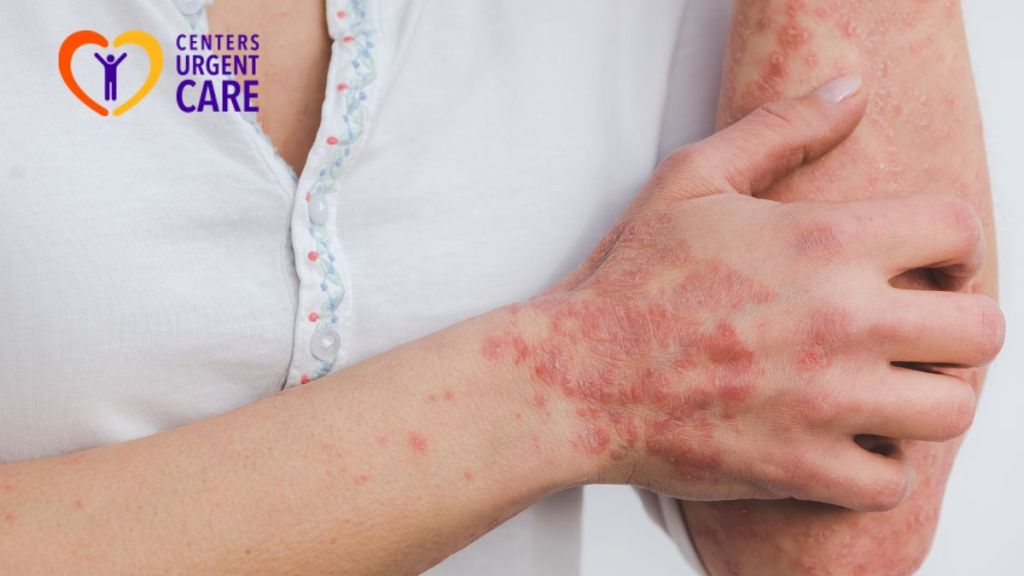
Poison ivy rash looks different from person to person. Rash features can change over a few days as the skin reacts to urushiol. As Dr. Josef Schenker notes, knowing the common patterns helps you act early and avoid complications. Here are the common symptoms of a poison ivy rash:
- Itching: Intense itch often starts before the skin changes fully show. Itching signals an allergic contact dermatitis reaction to urushiol. Severe itching can disturb sleep and daily tasks.
- Redness in lines or patches: Skin turns red where the plant touched you. The rash often follows a linear or “streaky” shape from brushing against leaves or stems. That pattern helps separate poison ivy from other rashes.
- Small bumps and fluid-filled blisters: Tiny bumps can grow into blisters that ooze and then crust. The fluid in blisters does not spread the rash to others. New spots usually mean new exposure or a delayed skin reaction.
- Swelling and tenderness: Mild swelling can appear around the rash. More swelling can show up on the face, eyelids, or genitals in stronger reactions. Swelling with pain can increase the need for medical care.
- Delayed onset after contact: If you have reacted before, a rash can show in 24 to 72 hours. First-time reactions often take longer, commonly 10 to 14 days, and sometimes up to 2 to 3 weeks. This delay can make the rash seem like it is spreading.
- Staggered appearance over several days: New patches can appear as different skin areas declare their reaction on their own timeline. That timing difference explains why the rash seems to move. The cause is the immune response, not blister fluid.
- Linear “brush marks” from contact: Thin, straight bands often match where a leaf or stem scraped the skin. The lines can help trace where contact occurred, including through pets or gear. Recognizing the pattern supports quicker identification.
- Occasional black spots on skin: Dark dots can appear when urushiol oxidizes on the skin before the full rash forms. These spots are uncommon but point to recent plant contact. They can aid diagnosis during the first day or two.
It’s important to remember that not everyone shows every symptom. Some rashes stay mild. Others become more widespread, especially after heavy exposure or repeated contact with contaminated items.

What Is a Poison Ivy Rash?
Poison ivy rash is an allergic skin reaction to a plant oil. As Josef Schenker, MD explains, the trigger is urushiol, a sticky resin that sets off the body’s immune response after contact. Understanding the cause helps you stop new exposure and choose the right care. Take a look at the core facts behind the rash:
- Allergic contact dermatitis to urushiol: Poison ivy rash is a type of allergic contact dermatitis. The skin reacts to urushiol, an oily resin in these plants. The reaction creates an itchy, blistering eruption on exposed skin.
- Plants that produce it: The source plants are in the Toxicodendron genus. Poison ivy, poison oak, and poison sumac contain urushiol in leaves, stems, and roots. Exposure can happen any season of the year.
- How the immune reaction works: The body mounts a delayed, T-cell–mediated response to urushiol. Prior sensitization makes future reactions faster and stronger. The process targets areas where oil contacted the skin.
- Rash is not contagious: Touching another person’s rash does not spread it. Blister fluid does not contain urushiol. New patches usually mean fresh oil on skin or gear.
- Exposure routes beyond plant touch: Urushiol easily transfers from contaminated items. Clothing, tools, and pet fur can carry oil to your skin. Smoke from burning plants can irritate airways and deposit oil particles.
- Persistence on surfaces: Urushiol stays active on objects and dead plants for long periods. That stability keeps the risk going if items are not cleaned. Reports note activity lasting many months, even years.
Knowing what causes the rash helps you focus on decontamination and timing. Quick washing of skin and gear lowers the reaction risk after contact. Clear steps in the next sections will cover prevention and treatment basics.
Can You Stop a Poison Ivy Rash After Exposure?
Poison ivy rash can be avoided in some cases. The catch is time. As Josef Schenker, MD points out, urushiol binds to skin quickly, so the window to interrupt a reaction is short.
The only proven way to stop a rash before it starts is prompt skin decontamination. Dermatology guidance says to act fast after suspected contact. Early cleansing can remove some of the oil before it attaches to skin.
Effectiveness drops by the minute. A review of Toxicodendron dermatitis reports that about 50% of urushiol can be removed at 10 minutes, 25% at 15 minutes, and about 10% at 30 minutes. After that, most oil has been absorbed, and washing will not stop the initial immune reaction.
If you miss that early window, a rash can still be milder with later cleansing, but the goal changes. Washing helps limit any residual oil on skin. It does not reverse skin changes once itching or redness has begun.

How Long Does a Poison Ivy Rash Last?
Poison ivy rash clears on its own in most cases. Time varies by your past exposure and how much oil touched the skin. As Josef Schenker notes, first-time reactions often last longer than repeat ones.
- Typical timeline lands between 1 and 3 weeks from first spots to clear skin. Many people start to feel better after the first week as blisters dry and itch eases. Severe or widespread rashes can take longer.
- Prior sensitization changes the clock. If you have had a poison ivy rash before, the rash tends to last 1 to 14 days. If you have never had a rash before, it can persist 21 days or more.
- Symptoms often peak around days 4 to 7. That stretch brings the most itch and swelling for many patients before gradual improvement.
- A longer course happens with heavy exposure, very sensitive skin areas, or added infection. Reports describe cases that last a month or more, especially when inflammation is intense or treatment starts late.
See a clinician if the rash is not improving after 7 to 10 days, covers large areas, or involves the face, eyes, or genitals. Signs of infection such as pus, spreading redness, fever, or increasing pain also need care.
For fast evaluation, itch relief strategies, and prescriptions when needed (for example, short courses of oral corticosteroids for severe, widespread dermatitis), visit us at the Centers Urgent Care. Our team of experts will shorten discomfort and help prevent setbacks.
Josef Schenker, MD, Explains Poison Ivy Rash Treatment and Prevention
Poison ivy care works best when treatment reduces inflammation and prevention blocks contact. You will calm the skin now and cut future flare-ups later. Here are evidence-based treatment and prevention points:
- Topical corticosteroids for localized rash: Mild to moderate areas respond to over-the-counter hydrocortisone used for a few days. Stronger prescription steroids may be used if inflammation persists. Early use helps itch and swelling.
- Systemic corticosteroids for severe or widespread dermatitis: Extensive rash, facial or genital involvement, or major swelling may need oral steroids. Expert guidance supports about 2–3 weeks of systemic coverage to prevent rebound.
- Soothing measures that ease symptoms: Cool wet compresses, colloidal oatmeal baths, and calamine or astringents reduce itch. These options calm the skin while inflammation settles. Many patients use them alongside steroids.
- Antihistamines mainly for sleep support: Sedating oral antihistamines may help nighttime itch and rest. Non-sedating options have limited effect on allergic contact dermatitis itch but can be tried if preferred. Use as labeled.
- Skin protection during healing: Avoid scratching to lower infection risk. Leave blisters intact; the overlying skin protects raw areas. Keep nails short while the rash resolves.
- Plant identification and clothing barriers: Long sleeves, long pants, socks, boots, and gloves lower contact in brush or yard work. These basics remain the strongest prevention in plant-dense areas.
- Barrier creams as an extra layer: Bentoquatam lotions can reduce urushiol reaching the skin when applied before exposure and reapplied as directed. Do not use bentoquatam on an existing rash. Check labels for timing and reapplication.
- Decontamination of items that carry oil: Urushiol sticks to clothing, tools, and pet fur. Wash clothing separately with detergent, clean gear with alcohol or soap and water, and bathe pets while wearing gloves. Oil on objects can stay active for long periods.
- Smoke avoidance and burn precautions: Never burn brush that may include poison ivy, oak, or sumac. Inhaled urushiol particles can irritate airways and trigger severe reactions. Choose mechanical removal or professional help instead.
It’s normal for itch to peak in the first week, then ease as skin calms. Home measures help many cases, but watch the extent and location.

How to Avoid a Poison Ivy Rash During Outdoor Activities?
Outdoor time should feel simple. Planning a few moves ahead lowers your risk a lot. Smart habits before you hit the trail go further than any after-the-fact fix. Take a look at practical ways to prevent a rash while you hike, camp, or fish:
- Learn the look before you go: Poison ivy changes shape but keeps a pattern. “Leaves of three” with a larger middle leaflet and hairy climbing vines are common clues. Year-round awareness helps, because urushiol sits in leaves, stems, and roots.
- Know where it grows: Plants favor edges of woods, fence lines, and the sides of trails. Expect groundcover, shrubs, or climbing vines in these transition zones. Extra distance from brushy borders cuts contact.
- Stay on designated trails: Off-trail shortcuts push legs and arms into brush, where oils transfer fast. Park guidance urges hikers to use marked routes to avoid vegetation. Small course choices prevent big rashes.
- Choose clean campsites: Set tents on clear ground away from vines on trees, posts, or firewood piles. Edge habitats near thickets and trail margins raise exposure. A quick scan at setup pays off overnight.
- Keep pets close: Dogs pick up urushiol on fur and pass it to your skin later. Leashes and keeping pets out of brush reduce that risk. Park and forest agencies flag this as a common exposure route.
- Time barrier lotion the right way: Ivy-blocking lotions with bentoquatam form a temporary shield on exposed skin. Apply about 15 minutes before heading out and reapply as the label directs. Public health and dermatology groups list bentoquatam as a pre-contact option.
- Use protective gear for brush work: If your day includes clearing trails or handling vegetation, add impermeable gloves and eye protection. Agencies that advise outdoor crews recommend long sleeves, long pants, and task-specific PPE.
- Skip burning unknown brush: Never burn vines or wood tangled with poison ivy. Smoke can carry irritant particles that affect eyes and airways. Safer disposal methods avoid that hazard.
It’s normal to adjust these steps by activity and season. A minute of scouting trailside plants or checking a campsite’s trees prevents hours of itch later.
What to Do After Suspected Poison Ivy Contact
Poison ivy contact calls for quick, simple steps. The goal is to remove oil from skin and anything it touched. As Josef Schenker advises, work through a short checklist and then watch your skin during the next two days:
- Rinse exposed skin immediately: Use rubbing alcohol, a poison-plant cleanser, dish soap, or laundry detergent, then rinse with plenty of cool water. Early washing can reduce how much oil stays on the skin. Rinse often so the cleanser does not dry on the skin and spread the oil.
- Clean hands and under nails: Wash hands and scrub under fingernails with a brush. Oil under nails spreads to the face and other areas. Clean nails again after any gear or laundry handling.
- Remove and launder clothing safely: Take off the clothes you wore and bag them until you can wash them. Machine-wash items in hot water with detergent and keep them separate from other laundry. Handle clothing carefully or wear disposable gloves to avoid skin contact.
- Take a brief shower: Use lukewarm water and mild soap. Do not scrub hard or use harsh solvents on skin. Gentle washing helps remove residue without irritating skin further.
- Decontaminate gear and hard surfaces: Wipe tools, phone cases, glasses, and door handles with rubbing alcohol, or wash with soap and lots of water. Wear gloves while cleaning. Urushiol can stick to objects for months or even years if not washed off.
- Wash pets that may have brushed plants: Bathe dogs or other pets with pet shampoo while wearing rubber gloves. Rinse well and wash collars and leashes too. Pet fur often transfers oil to human skin.
- Soothe early itch and irritation: Apply cool, wet compresses and consider calamine or colloidal oatmeal products. Over-the-counter hydrocortisone can help small areas. A sedating antihistamine at night may help you sleep if itching keeps you awake.
- Know when to get medical help: Seek care for rash on the face, eyes, or genitals, for extensive skin, or for signs of infection like pus, spreading redness, fever, or increasing pain. Call 911 for trouble breathing, severe swelling, or smoke exposure to burning plants. You can also call the Poison Help line at 1-800-222-1222 for free guidance anytime.
Keep this checklist handy for hikes, yard work, and camping. Quick action lowers the chance of a long, itchy week.
Josef Schenker, MD, Answers Frequently Asked Questions:
Treat poison ivy while pregnant by washing skin, using cool compresses, oatmeal baths, and calamine. Apply low- to mid-potency hydrocortisone cream safely. Use cetirizine or loratadine for symptoms, avoid pseudoephedrine in the first trimester, and call your ob-gyn if the rash is severe.
The main preventive medicine for poison ivy is bentoquatam 5% barrier lotion. Apply to exposed skin 15 minutes before contact and reapply every four hours. Combine with protective clothing and thorough washing of skin, clothes, and gear after exposure. Do not apply bentoquatam to an active rash.
The first-line treatment for poison ivy includes cool compresses, short lukewarm oatmeal baths, calamine, and over-the-counter hydrocortisone for mild cases. Oral antihistamines can ease sleep-disrupting itch. Severe or extensive cases, especially on the face, hands, or genitals, require a 14–21 day oral corticosteroid course.
Poison ivy is starting when intense itching appears at contact sites, followed by red bumps, streaks, or small blisters. Rash develops within 4–48 hours in sensitized people and in 2–3 weeks for first-timers. Blister fluid does not spread rash; new spots signal later or repeated oil contact.
Yes. Urgent care can treat poison ivy rash by confirming the diagnosis, easing severe itch, and prescribing oral steroids for widespread or facial/genital rash. Visit urgent care if large areas are involved, redness spreads, pus appears, fever develops, or symptoms persist. Emergency care is needed for breathing trouble or severe swelling.
Trusted Care for Poison Ivy Relief
Poison ivy rash can disrupt daily routines with itching, swelling, and discomfort. Early recognition, quick decontamination, and proven treatments make the recovery process faster and easier.
At our urgent care facility in New York, patients receive timely evaluations and personalized treatment designed to ease symptoms and stop complications before they worsen. Dr. Josef Schenker and the dedicated medical team at Centers Urgent Care provide expert care, whether you need prescription medication, supportive therapy, or guidance on prevention strategies.
Don’t wait for symptoms to intensify, and visit us for relief and dependable treatment. Locate a Centers Urgent Care near you and get the help you need today.

About Josef Schenker, MD:
Dr. Josef Schenker, a board-certified expert in internal medicine and emergency medical services, brings extensive experience and compassion to his role as Medical Director and Partner at Centers Urgent Care. With leadership in SeniorCare Emergency Medical Services and as an Attending Physician at New York-Presbyterian Brooklyn Methodist Hospital, Dr. Schenker oversees critical care and treatment protocols across varied medical needs. His dedication extends to chairing NYC REMAC, ensuring adherence to state standards in emergency medical procedures. At Centers Urgent Care, Dr. Schenker's expertise ensures prompt, high-quality emergency care for patients of all ages, supported by state-of-the-art facilities including a dedicated pediatric suite.