
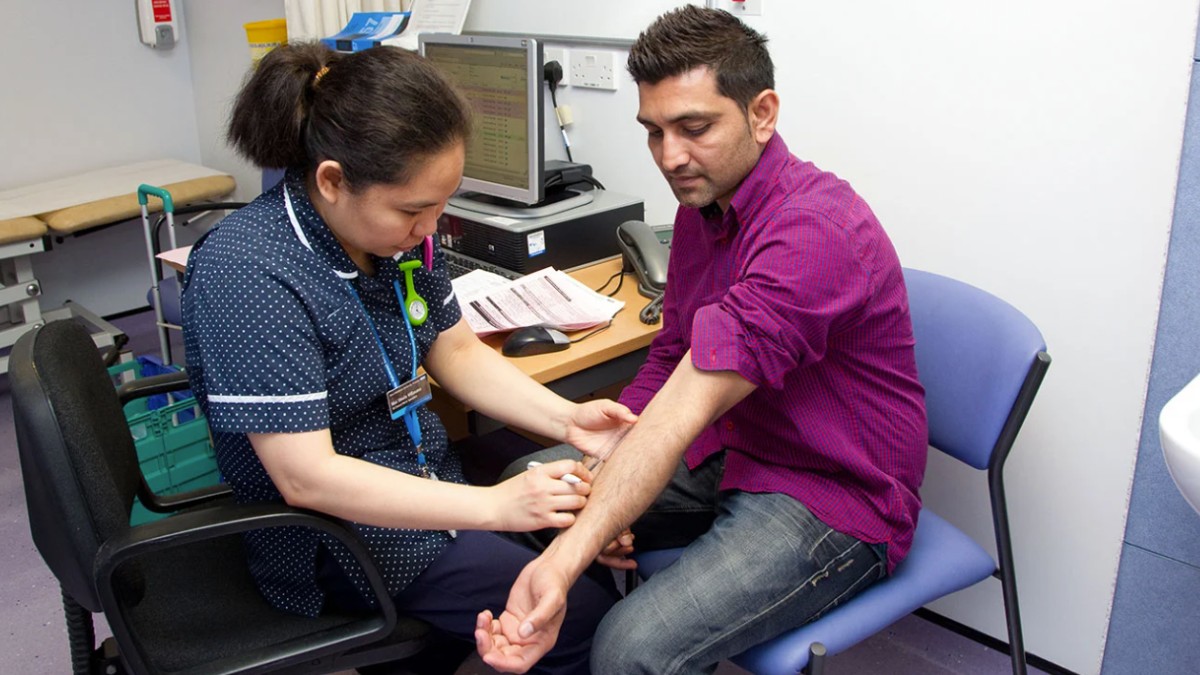
Purpose of PPD Tests in Healthcare Settings
The Purified Protein Derivative (PPD) test, commonly known as the tuberculin skin test, is widely used to screen for TB infection. It’s particularly important in healthcare settings where the potential for exposure to TB is higher.
- Detection of Latent TB: The test helps identify latent TB infections, where the bacterium is present in the body but inactive. Latent infections can transition to active TB, especially in individuals with weakened immune systems.
- Monitoring Health: Regular PPD tests monitor the health status of healthcare workers, ensuring they remain free from active TB.
- Compliance with Safety Protocols: Many healthcare institutions mandate regular PPD testing as part of occupational health requirements to adhere to safety regulations.
Understanding the critical role of PPD tests, healthcare workers can appreciate the importance of regular screening in maintaining a safe and healthy work environment.
How PPD Tests Work
Understanding how PPD tests work is crucial for healthcare workers. The Mantoux tuberculin skin test, commonly known as the PPD test, is a well-established method for screening tuberculosis (TB) infection.
What is a PPD Test?
PPD stands for Purified Protein Derivative. This test involves injecting a small amount of this protein derivative under the skin to determine if an individual has been exposed to TB bacteria. The immune system’s response to the injection indicates whether the person has latent TB infection.
Administration of the Test
Administering the PPD test requires specific procedures to ensure accurate results. Here’s a step-by-step guide:
- Preparation: Healthcare professionals clean the injection site on the forearm with an antiseptic.
- Injection: A small amount (0.1 ml) of PPD is injected intradermally into the forearm using a fine needle.
- Observation: A small, raised bump (wheal) forms immediately at the injection site, indicating proper administration.
Reading and Interpreting Results
Results are read 48 to 72 hours after the PPD test is administered. The healthcare worker measures the induration (the raised, hardened area) at the injection site, not the redness.
Interpretation depends on the individual’s risk factors and history of TB exposure. A positive result doesn’t confirm active TB disease but indicates exposure and possible latent TB infection. Further testing is required for diagnosis.
These steps highlight the importance of proper administration and accurate reading of PPD tests, ensuring healthcare workers and patients remain protected from TB.
Risk Factors and Considerations
Understanding the risk factors and considerations for PPD (Purified Protein Derivative) tests is essential for healthcare workers. This section will cover the factors that can affect PPD test results and outline who should undergo PPD testing.
Factors Affecting PPD Test Results
PPD test results can be influenced by various factors, including individual health conditions, environmental exposures, and previous vaccinations.
- BCG Vaccination – May cause a false-positive result due to prior exposure to a similar bacterium used in the vaccine.
- Immunocompromised Conditions – Conditions such as HIV/AIDS, cancer treatments, or prolonged corticosteroid use can lead to a false-negative result as the immune response may be inadequate.
- Age – Older adults might have a diminished immune response, potentially leading to false-negative results.
- Recent TB Infection – A recent infection (within 8-10 weeks) may not yet produce a detectable immune response, resulting in a false-negative test.
- Poor Nutrition – Malnutrition can compromise the immune system, possibly affecting test accuracy.

Who Should Undergo PPD Testing?
PPD testing is primarily recommended for individuals who are at a higher risk of tuberculosis (TB) exposure, including healthcare workers. The following groups should consider PPD testing:
- Healthcare Workers: Those working in hospitals, clinics, and other healthcare settings where there is potential exposure to TB patients.
- People with known contact with TB patients: Close contacts of individuals diagnosed with tuberculosis.
- Individuals with chronic conditions: People with conditions like diabetes, chronic lung disease, or kidney disease that may weaken the immune system.
- Residents and employees of high-risk settings: Those in long-term care facilities, correctional facilities, and homeless shelters where TB can spread more easily.
- Immigrants from TB-prevalent regions: Individuals arriving from countries with a high incidence of TB.
- Staff and residents of drug treatment centers: Environments with increased exposure risk due to close living conditions and compromised health.
Understanding who should undergo PPD testing helps in early detection and prevention of tuberculosis, safeguarding both the healthcare workers and the patients they serve.
Understanding Positive Results
A positive PPD test can be alarming, but it is not a definitive diagnosis of active tuberculosis. It indicates that an individual has been exposed to Mycobacterium tuberculosis and has developed an immune response to it.
Implications of a Positive PPD Test
If a healthcare worker tests positive in a PPD test, it suggests previous exposure to the tuberculosis bacterium. This positive result can imply:
- Latent TB Infection (LTBI): The person has TB bacteria in their body, but they are inactive and the person is not contagious.
- Active TB Disease: The bacteria are active, making the person symptomatic and potentially contagious.
Further Diagnostic Steps
If a healthcare worker receives a positive PPD test, additional diagnostic steps are necessary to rule out active tuberculosis:
