

What is a PPD Test?
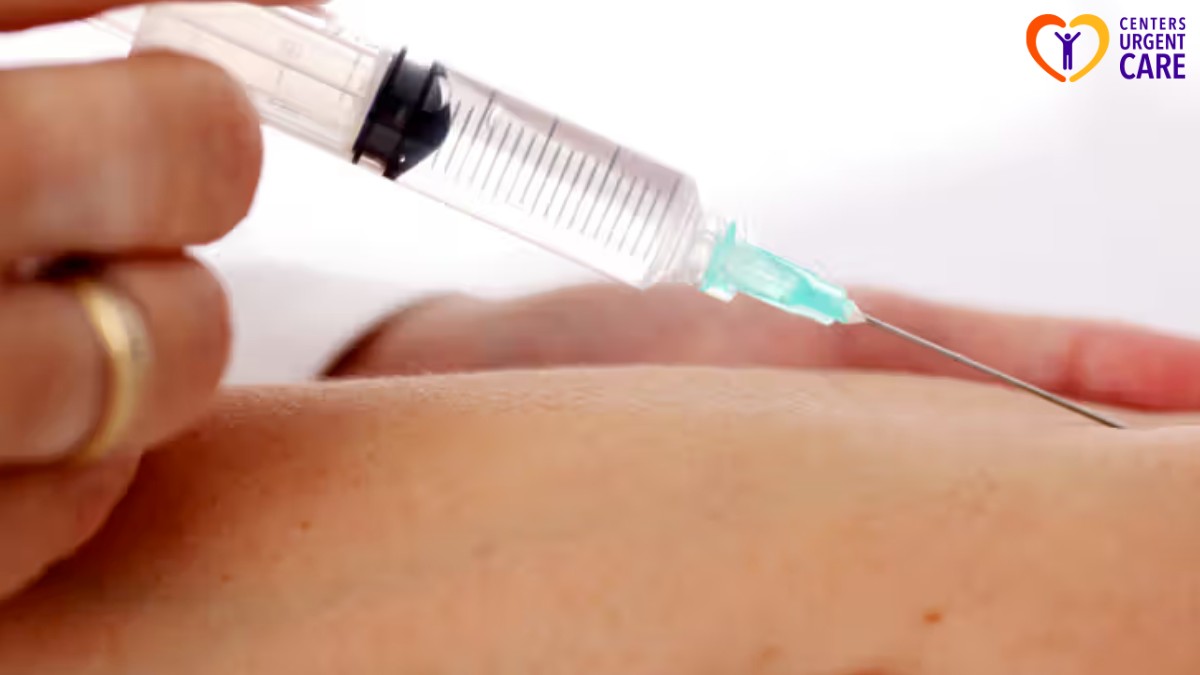
A PPD test is used to detect whether an individual has been exposed to Mycobacterium tuberculosis, the bacterium responsible for tuberculosis. The test involves injecting a small amount of PPD, a protein derived from the TB bacteria, just under the surface of the skin. After 48 to 72 hours, a healthcare provider checks the injection site for a raised bump or redness. If the person has been exposed to TB, their immune system will react to the protein, causing the skin to swell in a specific pattern. However, a positive result doesn’t necessarily mean active tuberculosis; it could indicate latent TB or prior exposure.
How the Test Works:
- Injection of PPD: A small amount of PPD is injected into the skin on the forearm.
- Waiting Period: The site must be examined 48 to 72 hours after the injection for any changes.
- Interpretation: The size of the raised bump or area of redness is measured to determine if the result is positive.
3 Common Myths About PPD Tests
Many myths surround the PPD test, causing unnecessary fear or confusion. In this section, we’ll address some of the most common myths and clarify the truth behind them.
Myth 1: “A Positive PPD Test Means You Have Active Tuberculosis.”
One of the most widespread misconceptions about the PPD test is that a positive result automatically means you have active tuberculosis (TB). In reality, a positive result simply indicates that you have been exposed to the TB bacteria at some point in your life.
The Truth:
- Positive Test, Not Active Disease: A positive PPD test means that your immune system has reacted to the tuberculin protein, but it doesn’t necessarily mean that you have active TB. The bacteria could be dormant in your body, in which case you would have latent TB.
- Further Testing Required: To determine whether the TB infection is active, additional tests, such as a chest X-ray and sputum tests, are required.
- Latent TB: If someone has a positive PPD test but no symptoms of TB, it is referred to as latent TB, meaning the bacteria are present but not causing illness.
Myth 2: “A Negative PPD Test Means You Don’t Have TB.”
Another misconception is that if you receive a negative PPD test result, it means you are completely free of TB. While a negative result does suggest that you haven’t been exposed to the bacteria recently, it does not guarantee that you do not have TB.
The Truth:
- False Negatives Can Occur: A negative PPD test doesn’t rule out TB completely. In some cases, especially in individuals with weakened immune systems (such as those with HIV/AIDS or those on immunosuppressive drugs), the test may not produce a reaction even if they are infected with TB.
- Timing of Exposure: If you were recently exposed to TB, it’s possible that the test will not show a positive result immediately, as it can take a few weeks for the body to develop an immune response strong enough to react to the test.
Myth 3: “The PPD Test is Painful and Causes a Permanent Scar.”
Many people fear that the PPD test will be painful and leave a noticeable scar. While the procedure involves an injection, the discomfort is minimal and temporary, and there’s typically no lasting scar.
The Truth:
- Minimal Pain: The injection itself might cause a slight sting, but the discomfort is brief. The process is quick and usually well-tolerated.
- No Permanent Scarring: For most people, the test site heals within a few days to a week, and there is typically no permanent scar left behind. If a scar does occur, it’s usually mild and fades over time.
- Minimal Aftereffects: Some individuals might experience slight redness or swelling at the injection site, but these are usually temporary and go away as the body absorbs the injected substance.
4 Facts About PPD Tests
While there are many myths surrounding PPD tests, there are also key facts that help individuals better understand the test, its purpose, and its limitations. Here are some important facts you should know.
Fact 1: “PPD Tests are Used to Screen for TB Exposure.”
The PPD test is primarily used as a screening tool to detect whether someone has been exposed to tuberculosis. It doesn’t diagnose active TB, but it helps identify individuals who may need further evaluation for TB infection.
Key Points:
- Screening Tool: The test is commonly used for individuals at high risk of contracting TB, such as healthcare workers, those with compromised immune systems, or those who live in areas with higher TB rates.
- Risk Assessment: People who have close contact with someone diagnosed with active TB or who live in areas with endemic TB are often tested regularly.
Fact 2: “A Positive PPD Test Doesn’t Mean You Need Immediate Treatment.”
A positive PPD test result doesn’t always necessitate immediate treatment, but it does require further investigation to determine the best course of action.
Key Points:
- Latent TB: If the test is positive, additional tests like a chest X-ray and sputum culture are done to check for signs of active TB. If there are no signs of active disease, the individual may have latent TB, which doesn’t require immediate treatment but might warrant preventive medication.
- Treatment for Latent TB: If someone has latent TB, they may be given medications to prevent the disease from progressing to an active form, which is more contagious and requires more intensive treatment.
Fact 3: “The PPD Test is Not 100% Accurate.”
Like any medical test, the PPD test is not foolproof. Several factors can influence the test result, leading to inaccurate readings.
Key Points:
- False Positives: In some cases, individuals who have been vaccinated for TB (such as with the Bacillus Calmette-Guérin or BCG vaccine) may receive a false positive result, even if they are not infected with TB.
- False Negatives: As mentioned earlier, individuals with weakened immune systems or those recently exposed to TB may have a false-negative result, meaning they have TB but the test doesn’t detect it.
- Improper Administration: The accuracy of the test also depends on how the injection is administered and how the test is interpreted. Inexperienced professionals might misread the test results, leading to inaccurate conclusions.
Fact 4: “The PPD Test is Just One Part of TB Diagnosis.”
The PPD test is just a screening tool, and it’s only one part of the diagnostic process for tuberculosis. If you test positive, further evaluations are required to confirm whether you have latent or active TB.
Additional Testing Includes:
- Chest X-ray: A chest X-ray is the next step after a positive PPD test to look for physical signs of active tuberculosis in the lungs.
- Sputum Test: If necessary, a sputum test (analyzing mucus from the lungs) may be done to check for the presence of the TB bacteria.
- Blood Tests: In some cases, blood tests may be performed to measure the body’s immune response to the TB bacteria.
How are PPD Test Results Interpreted?
PPD test results are based on the size of the skin reaction and the person’s risk factors.
General Guidelines For Interpreting Results:
- 0-4 mm induration: Negative result, no TB exposure.
- 5-9 mm induration: Positive for high-risk individuals (HIV, organ transplant recipients).
- 10-14 mm induration: Positive for moderate-risk groups (healthcare workers, people from high-TB regions).
- 15 mm or more induration: Positive for anyone, regardless of risk factors.
If a test is positive, additional TB blood tests or chest X-rays are needed to determine if the person has active TB.
What Happens After a Positive PPD Test?
A positive PPD test means your immune system has responded to TB proteins, but further testing is necessary.
