According to the National Kidney Foundation, approximately 1 in 3 adults with diabetes and 1 in 5 adults with high blood pressure have kidney disease, which often begins silently with protein in the urine. Proteinuria in urinalysis is a crucial early marker of kidney dysfunction. Catching it early could prevent further organ damage or identify a condition that requires immediate attention. In some cases, diagnostic tools such as blood tests or types of X-rays may also be recommended to get a clearer picture of the kidneys’ health and detect any underlying abnormalities.
What Does Proteinuria in Urinalysis Indicate?
Proteinuria in urinalysis typically indicates kidney damage or a condition affecting the kidneys’ filtering ability. This could be due to diabetes, hypertension, glomerulonephritis, or even temporary causes like fever or exercise.
In more detail, proteinuria occurs when the kidneys allow excess protein—primarily albumin—to leak into the urine. Healthy kidneys generally prevent large molecules like proteins from passing through the glomeruli, the tiny filters in the kidneys. When these filters are damaged, proteins escape into the urine, showing up on a routine urinalysis.
What Causes Protein in Urine?
The presence of protein in urine, or urinary protein, doesn’t always mean permanent damage. The context is key. Here’s what might be causing it.
Before we break it down into types and causes, it’s important to understand that protein in urine can be either transient or persistent. Transient cases usually resolve on their own, while persistent proteinuria may point to chronic disease.
4 Temporary (Functional) Causes:
Short-term causes of proteinuria often resolve once the underlying trigger is addressed.
- Strenuous exercise – Marathon runners and athletes may have mild proteinuria after intense workouts.
- Dehydration – Concentrated urine can contain more protein.
- Fever or stress – These can affect kidney permeability temporarily.
- Cold exposure – Sometimes overlooked, cold weather can cause transient increases in protein levels.
7 Persistent (Pathological) Causes:
Persistent protein in urine is more concerning and may indicate:
- Diabetic nephropathy – One of the earliest signs of diabetic kidney disease is microalbuminuria.
- Hypertension-related kidney damage – High blood pressure damages kidney vessels, allowing protein to leak.
- Glomerulonephritis – Inflammatory kidney diseases that directly affect the glomeruli.
- Chronic kidney disease (CKD) – Progressive and irreversible kidney damage.
- Lupus nephritis – In autoimmune diseases like lupus, the immune system attacks kidney tissue.
- Infections – Such as urinary tract infections or kidney infections (pyelonephritis).
- Pre-eclampsia – A dangerous pregnancy complication, often flagged by the presence of proteinuria.
What are the Symptoms of Proteinuria?
Proteinuria itself doesn’t always cause noticeable symptoms, especially in its early stages. However, as kidney damage progresses, certain signs may begin to appear, such as foamy or bubbly urine, swelling in the hands, feet, abdomen, or face, fatigue, nausea, shortness of breath, and frequent urination, particularly at night. Routine urinalysis often detects proteinuria before these symptoms develop, which is why regular screening is important—especially for individuals with diabetes or hypertension.
How is Proteinuria Diagnosed?
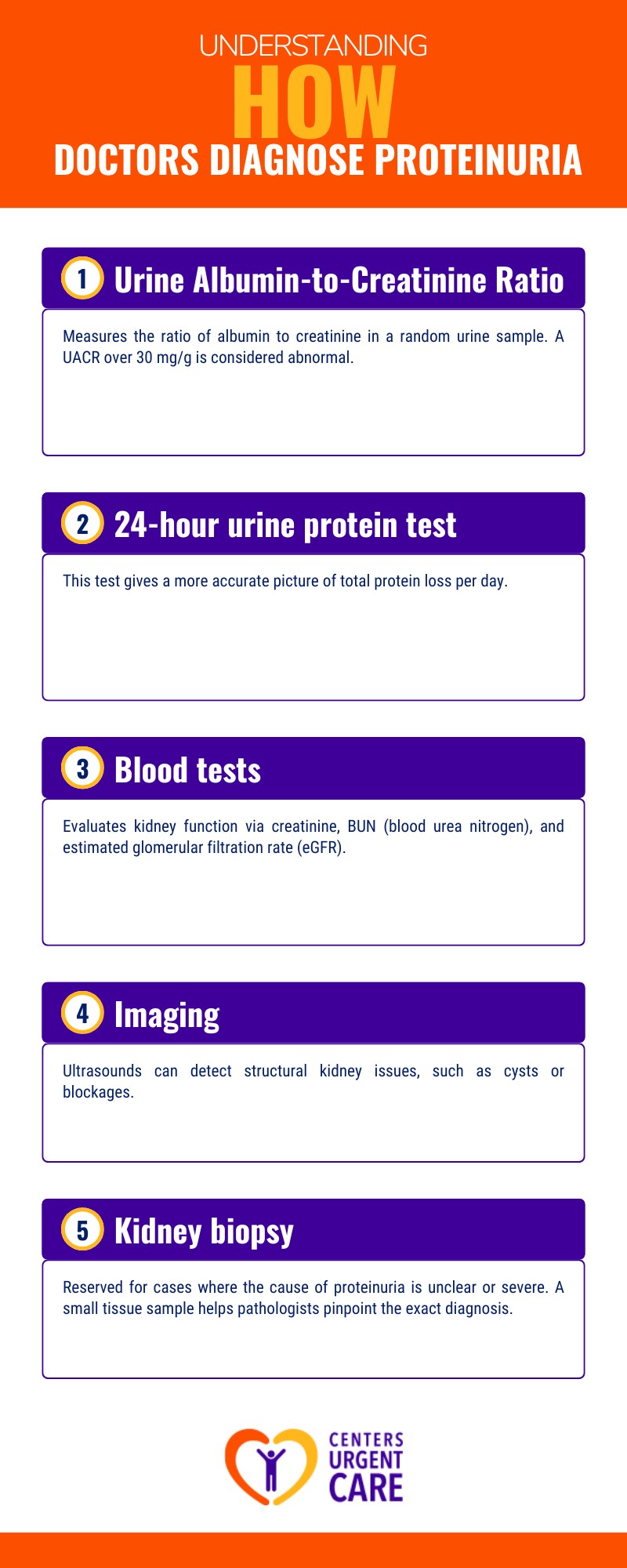
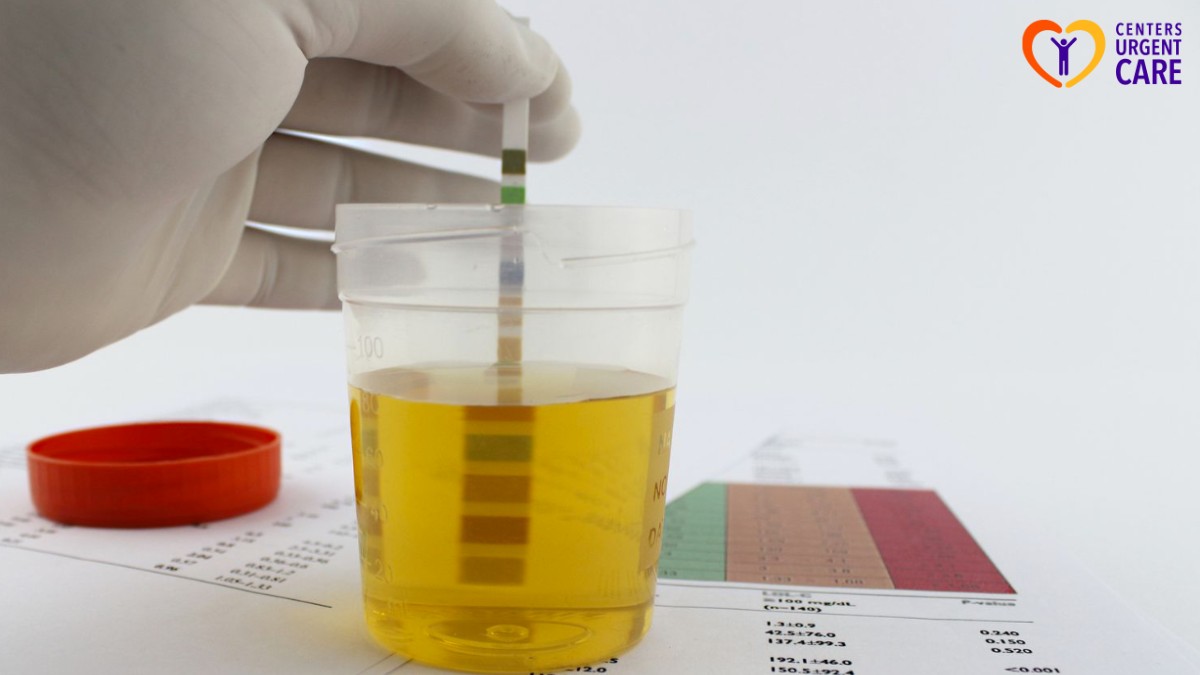
A single dipstick test is not enough to make a full diagnosis. A confirmed case of proteinuria in urinalysis often leads to follow-up testing.
Here are common diagnostic steps:
4 Types of Proteinuria
Understanding the type of proteinuria can help narrow down the cause and appropriate treatment.
Orthostatic Proteinuria
Occurs when standing but not when lying down. More common in adolescents and generally harmless.
Microalbuminuria
Small amounts of albumin in urine. Early warning for diabetes-related kidney damage.
Overt Proteinuria
Higher levels of protein excretion—over 300 mg/day. Often indicates more advanced disease.
Post-renal Proteinuria
Results from urinary tract infections or inflammation. Usually resolves with treatment of the infection.
What to Know About Preventing and Treating Proteinuria
Treatment for proteinuria depends entirely on the underlying cause, with the main goal being to halt or slow kidney damage. Management strategies may include controlling blood sugar levels for those with diabetes, lowering blood pressure using ACE inhibitors or ARBs, and reducing salt and protein intake. Treating underlying infections or autoimmune conditions is also essential, along with regularly monitoring kidney function.
Lifestyle modifications such as exercising, staying hydrated, and avoiding nonsteroidal anti-inflammatory drugs (NSAIDs) unless prescribed can also help. Early-stage proteinuria can often be managed or even reversed, especially when detected through routine urinalysis. To better understand how this detection works, read our article, Understanding the Reagent Strip Test for Urine: A Guide.
When Should You See a Doctor for Protein in Urine?
Not all cases of proteinuria in urinalysis are cause for alarm, but you should seek immediate medical attention if:
- You have risk factors like diabetes, high blood pressure, or lupus
- You notice symptoms such as swelling or frothy urine
- Protein appears in multiple urinalysis tests
- You’re pregnant and your provider flags protein in urine
Ignoring persistent protein in urine can result in kidney failure or cardiovascular complications. It’s better to check it early—even if you’re not feeling sick.
Need Urgent Evaluation? Visit Our Urgent Care Center Today!
At Centers Urgent Care, we understand how concerning it is to see unexpected results like protein in your urine. Whether it’s a one-time result or a recurring issue, our healthcare professionals can quickly evaluate your condition, run the appropriate tests, and help you understand what’s going on. We offer fast, high-quality urgent care services for children and adults—because you deserve answers without the long wait. Our team remains committed to accurate diagnostics, compassionate care, and clear communication throughout every visit.
If you’re in need of a prompt follow-up for proteinuria or any other health concern, visit our urgent care center in NYC today. Have questions? Contact us now, and we’ll walk you through your options.